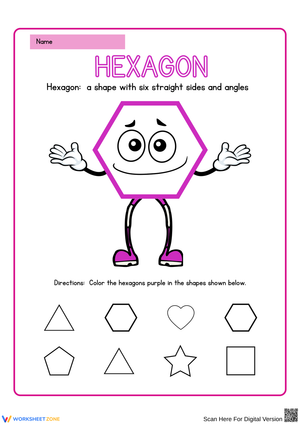
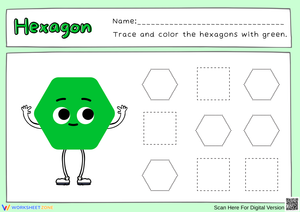
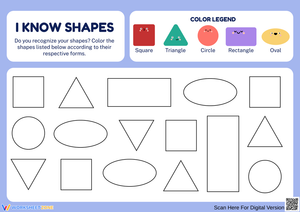
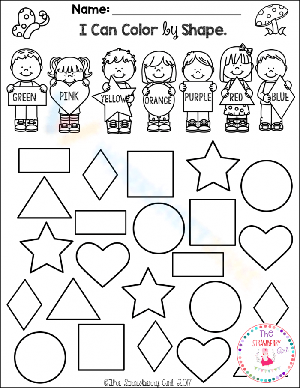
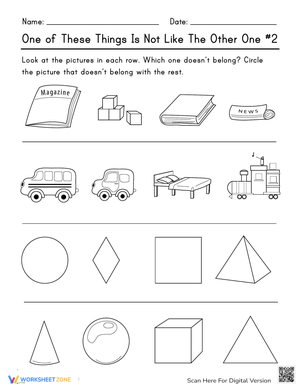
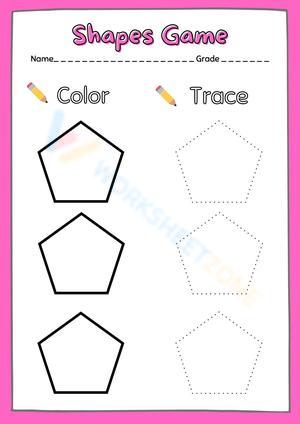
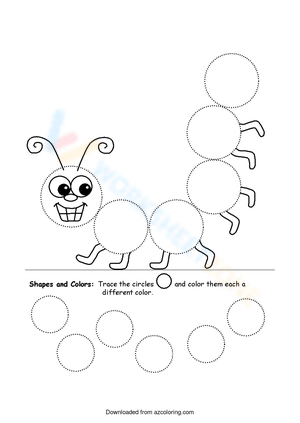
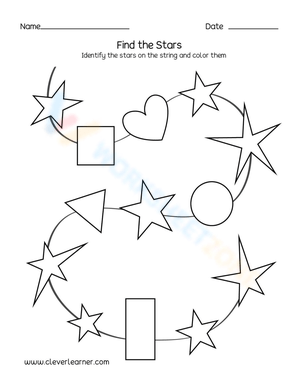
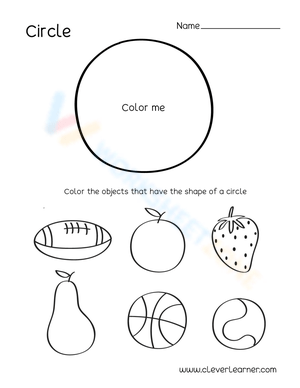
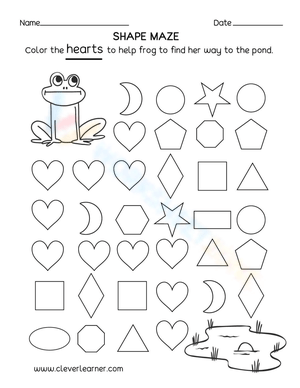
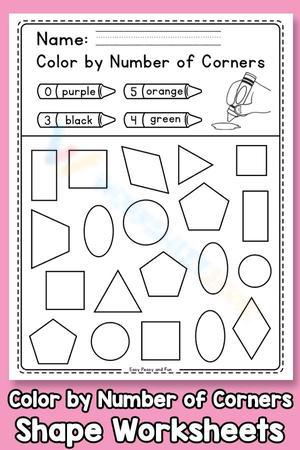
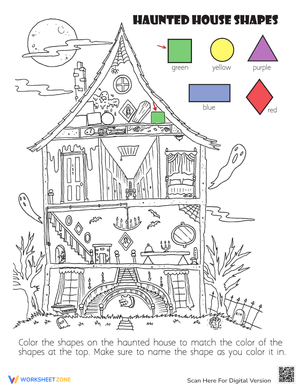
Preschool shapes coloring worksheets give young learners a playful way to explore early geometry while enjoying creative color practice. At this age, children are just beginning to recognize circles, squares, triangles, rectangles, ovals, stars, hearts, and diamonds in the world around them. Coloring activities make these shapes easier to notice because children can trace the outline, fill the space with color, and connect each shape name to a visual example.
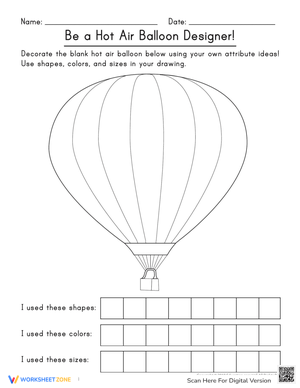
Shape learning works best when it feels hands-on and familiar. A child may color a circle like a ball, a triangle like a slice of pizza, or a rectangle like a door. These simple connections help preschoolers understand that shapes are not only classroom concepts; they appear in toys, food, buildings, signs, and everyday objects. Teachers and parents who want to introduce shape names more clearly can use this guide to 2D shapes to support vocabulary and examples before starting coloring practice.
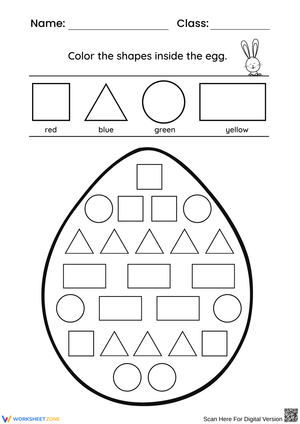
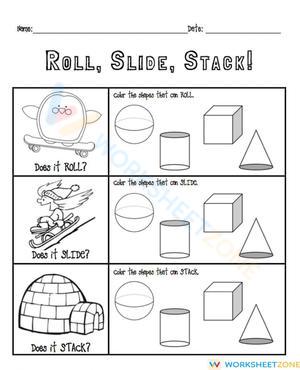
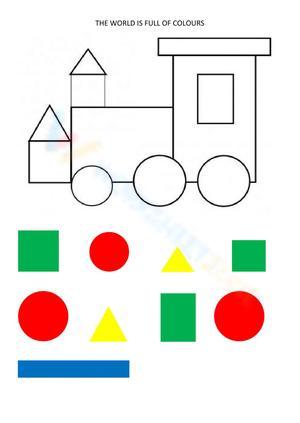
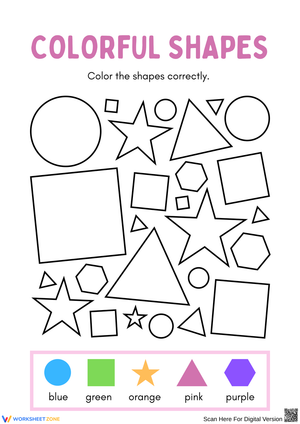
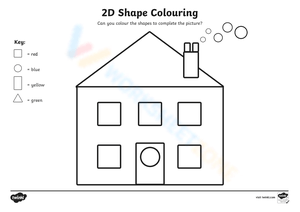
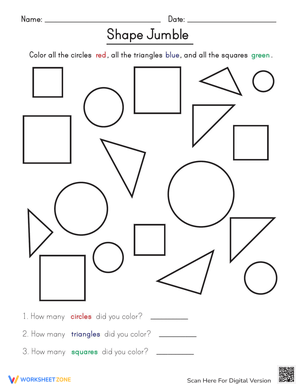
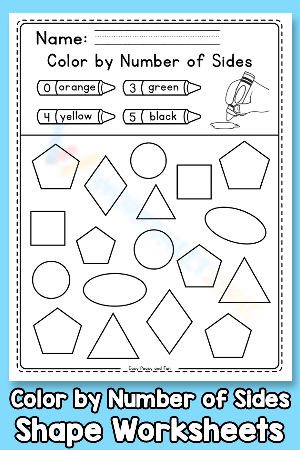
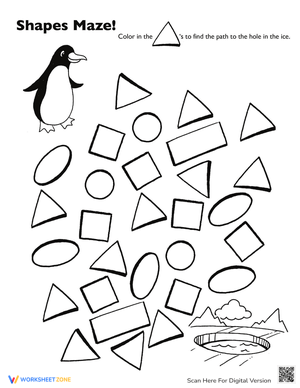
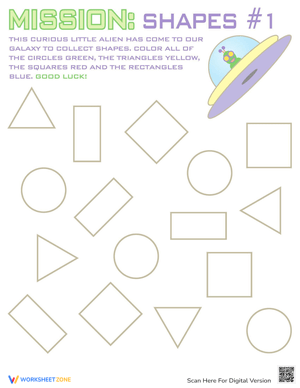
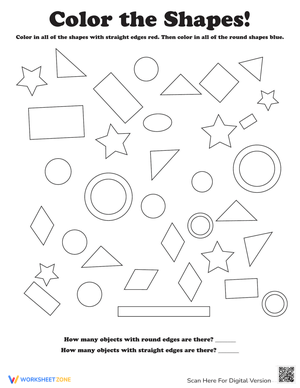
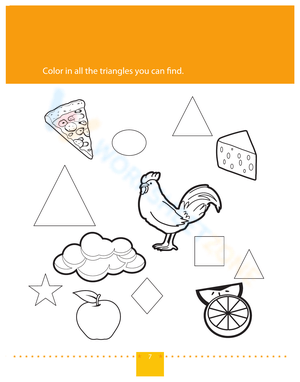
Preschool shapes coloring worksheets can support several early learning skills at once. Children practice fine motor control as they hold crayons, color inside lines, and complete simple designs. They also strengthen color recognition, visual attention, hand-eye coordination, and shape discrimination. A worksheet might ask children to color all circles red, all squares blue, or all triangles yellow. These tasks help learners follow directions while building confidence with both colors and shapes.
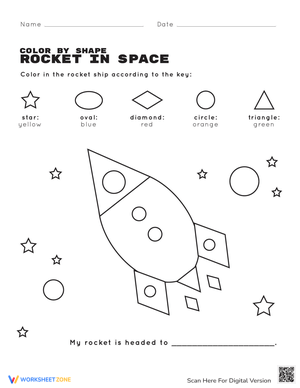
Color-based shape activities are especially helpful for children who learn best through visual patterns. Instead of only naming a shape, they actively search for it, compare it with other shapes, and use color to show their answer. For more structured practice, color by shapes activities can help preschoolers identify shapes in a fun, focused format. These activities work well in math centers, morning work, small groups, homeschool lessons, or quiet practice time.
Whether used in preschool classrooms, daycare settings, homeschool routines, or early learning centers, preschool shapes coloring worksheets make geometry approachable and enjoyable. They give children repeated exposure to important shape names while supporting creativity and fine motor development. With clear visuals, simple instructions, and familiar objects, these worksheets help young learners build a strong foundation for later math, drawing, patterning, and spatial reasoning skills.
Frequently Asked Questions
Question 1: What shapes should preschoolers learn first?
Preschoolers usually begin with basic 2D shapes such as circle, square, triangle, and rectangle. Once they recognize these confidently, they can move on to oval, diamond, star, heart, and hexagon. The goal is not only to name each shape but also to notice its features. For example, a triangle has three sides, while a square has four equal sides. Coloring activities help children remember these differences more clearly.
Question 2: How do shapes coloring worksheets help preschool learning?
Shapes coloring worksheets help preschoolers learn by combining visual recognition, color practice, and fine motor movement. When children color a specific shape, they pay attention to its outline, size, and position. This helps them recognize the shape again in other settings. The activity also strengthens pencil grip, hand control, focus, and direction-following, all of which are important for early school readiness.
Question 3: How can teachers use preschool shapes coloring worksheets in class?
Teachers can use these worksheets during math centers, small-group instruction, morning work, quiet time, or shape review lessons. A teacher might introduce one shape, show real classroom examples, and then let children color that shape on the worksheet. To make the lesson more interactive, students can name the shape aloud, find matching objects in the room, or sort finished pages by shape type.
Question 4: How can parents make shape coloring practice more fun at home?
Parents can make shape coloring more fun by connecting the activity to everyday objects. After coloring a circle, a child can look for circles around the house, such as plates, clocks, or buttons. Parents can also ask simple questions like “What color is your triangle?” or “Can you find another square?” These short conversations help children use shape vocabulary naturally while keeping the activity relaxed and enjoyable.