Why Easter Worksheets?
The stretch before spring break is one of the hardest windows to plan for. Students are distracted, the pacing guide keeps moving, and you still need low-prep material that holds attention without becoming pure busywork. Easter worksheets solve a narrow but real problem: they let you keep skill practice going in literacy and math while giving students a seasonal hook that makes morning work and center rotations feel less repetitive.
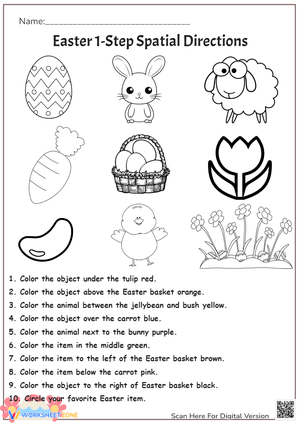
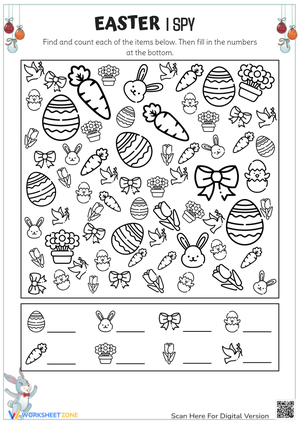
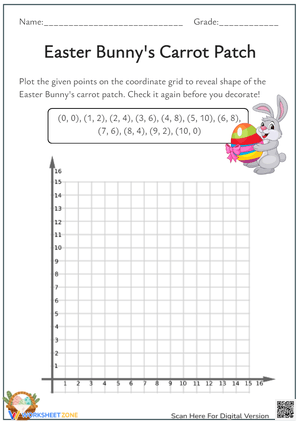
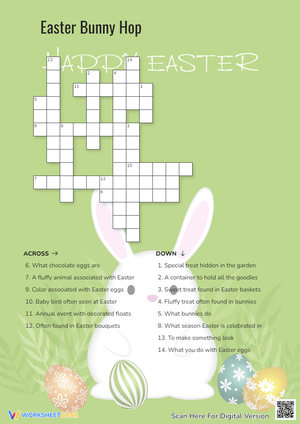
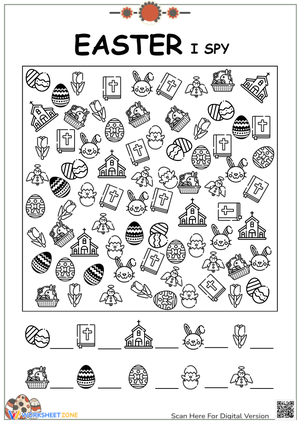
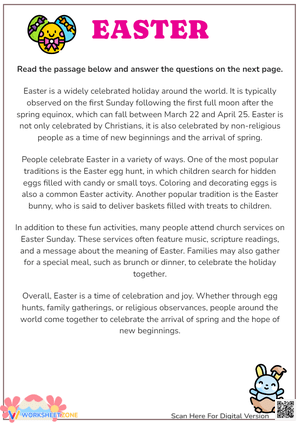
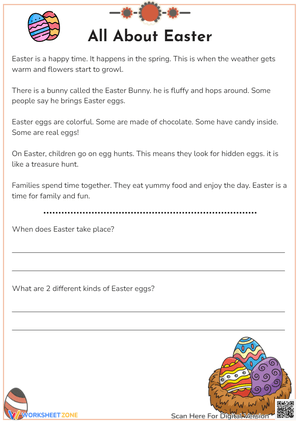
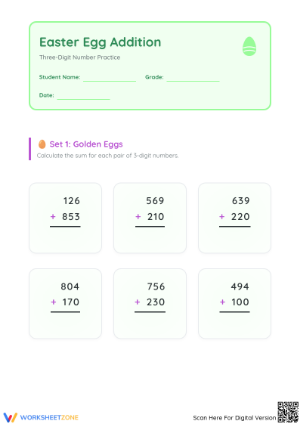
Easter worksheet collections typically split into two lanes: literacy tasks such as word searches, crosswords, tracing sheets, and diphthong or final-blend practice, and math tasks such as addition, subtraction, and graphing or data analysis activities. That two-lane structure matters for planning, because it means you can pull from the same themed set for a phonics center and a math center in the same week without duplicating content.
Matching Easter Worksheets to Grade Bands
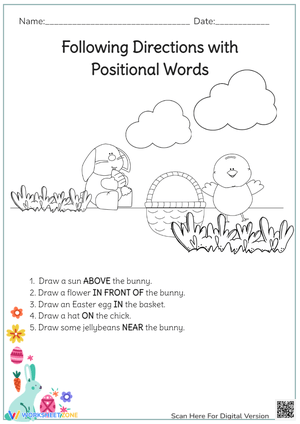
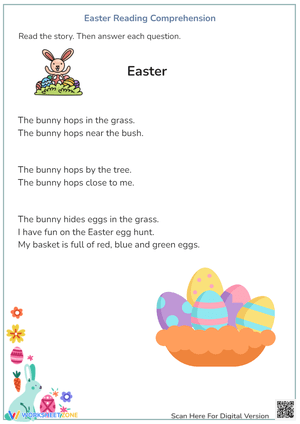
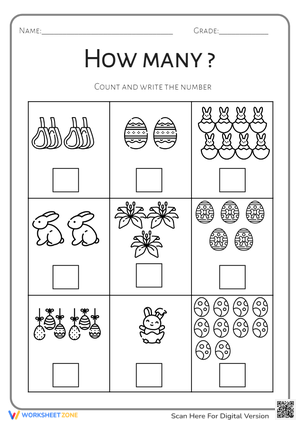
Easter worksheet sets are built to flex across a wide developmental range, which is useful in a K-5 building where you might be sharing a printable bin across grade levels. For PreK and Kindergarten, letter tracing and simple shape or counting pages give early learners repetition without frustration. In grades 1-2, word searches, crossword puzzles, and beginning addition or subtraction sheets ask students to apply decoding and computation skills they are actively building. By grades 3-5, writing prompts and creative projects themed around the holiday give upper elementary students a reason to practice narrative or descriptive writing outside of a standard prompt bank.
If you teach a multi-grade or split classroom, this range is the biggest practical advantage. You can hand a tracing sheet to one table and a graphing worksheet themed the same way to another, and both groups feel like they are doing the same activity even though the skill demand is different.
Using Easter Math Worksheets Inside an Existing Unit
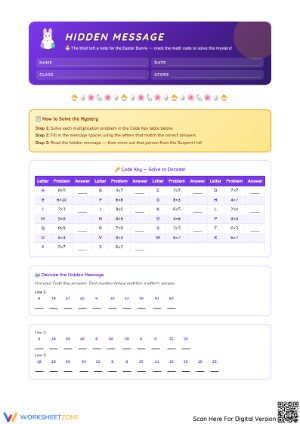
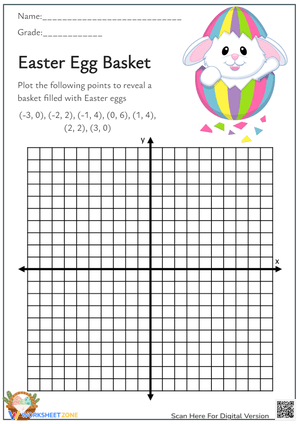
Easter math worksheets are frequently built around Kindergarten-level addition and counting practice, often framed as supporting Common Core-aligned number sense goals. Rather than treating these as a one-day filler activity, slot them into the same week as your regular math block. A picture-reveal worksheet, where students solve a string of problems to uncover a hidden Easter image, works well as a fluency warm-up before the day's core lesson. Word problems themed around eggs and baskets can substitute for a generic word problem set in your existing addition or subtraction unit, since the skill demand does not change, only the context.
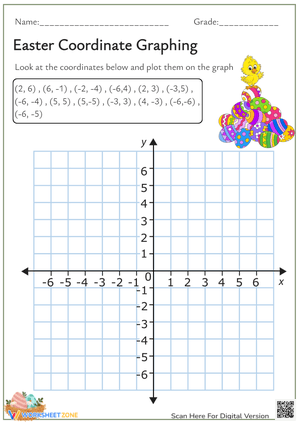
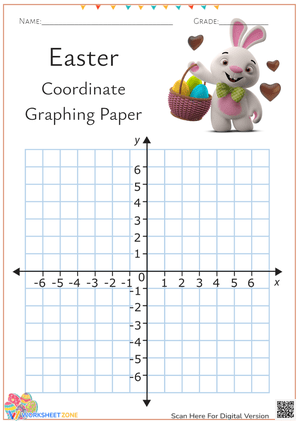
Graphing and simple data analysis worksheets themed around Easter candy counts or egg colors also give you a quick formative check. Ask students to sort and graph a small data set, then answer two or three comparison questions. This gives you a snapshot of whether students can read a graph accurately, which is a skill you will need again outside the seasonal unit.
Building Literacy Review Around the Same Theme
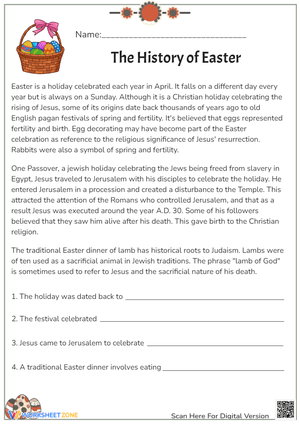
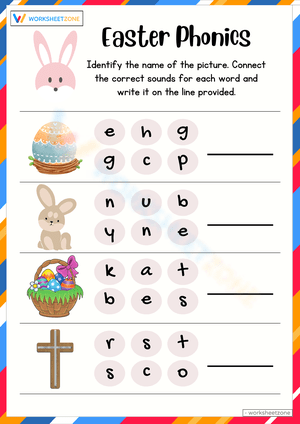
On the literacy side, word searches, crossword puzzles, and phonics-focused sheets covering diphthongs and final blends give you a way to review vocabulary and decoding skills before a break disrupts momentum. A crossword built around egg, spring, and basket vocabulary can double as a quick vocabulary check for younger students, while a diphthong-focused worksheet lets you reinforce a phonics pattern you have already taught without writing new practice items from scratch.
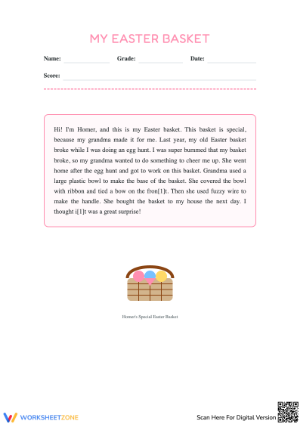
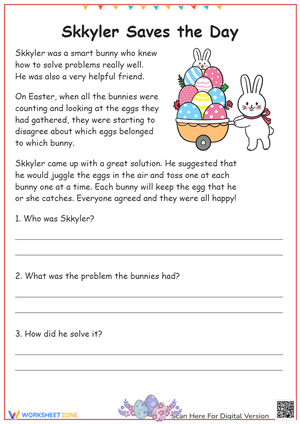
For older elementary students, a short writing prompt themed around the holiday, such as describing a spring tradition or writing a short narrative, gives you an authentic piece for a writing portfolio or a quick formative writing sample. Keep the prompt open enough that students who do not celebrate the holiday can write about spring, renewal, or a family tradition instead.
Classroom Implementation
Rotate Easter worksheets through three low-effort structures rather than assigning them as a single whole-class task. First, use them as morning work bins sorted by skill, one folder for literacy and one for math, so students can self-select based on what they finished the day before. Second, add them to your regular center rotation as one of several stations, replacing a generic worksheet station for the week rather than adding an extra station. Third, keep a stack in your early-finisher folder so students who complete core work early have a themed option instead of free time that is hard to redirect.
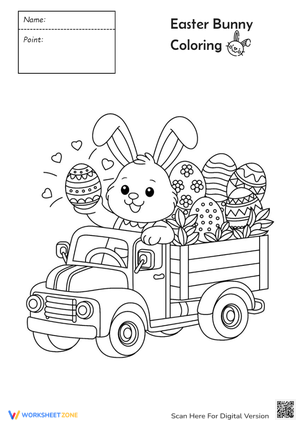
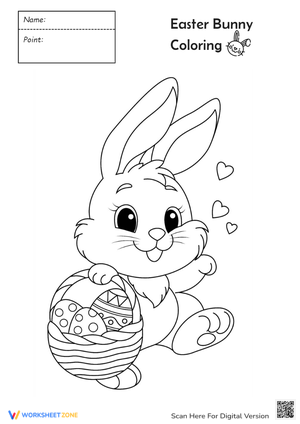
One adjustment worth making: pull two or three worksheets from the set and swap the seasonal clip art for a version you print without color, since large classroom sets built around a full-color hidden picture reveal can burn through a color cartridge faster than a black-and-white worksheet with the same skill content.
Frequently Asked Questions
1. What grade levels are Easter worksheets appropriate for?
Easter worksheet sets typically cover PreK through grade 5, with letter tracing and shape recognition for the youngest learners, word searches and beginning computation for grades 1-2, and writing prompts or graphing tasks for grades 3-5.
2. Can Easter worksheets be used for formal assessment or only for practice and review?
Most Easter worksheets are built for practice, review, and morning work rather than formal assessment. A graphing or word-problem sheet can work as a quick formative check, but it should not replace a standardized unit assessment.
3. How can teachers align Easter worksheets to existing math or literacy standards?
Choose worksheets that match a skill you are already teaching, such as Kindergarten addition and counting, and use them as a substitute for that day's regular practice rather than an add-on, so the seasonal theme does not pull time away from your standards-based sequence.
4. What is the best way to fit Easter worksheets into a tight pre-spring-break schedule?
Limit themed material to two or three days, and use it in morning work bins, one center rotation, or an early-finisher folder rather than a full day of seasonal activities, so your regular pacing guide stays on track.












 Interactive Worksheet Maker
 Quiz Maker
 Word Search Maker
 Crossword Puzzle Maker
 Word Scramble Generator
 Sentence Scramble Generator
 Handwriting Worksheet Generator
 Name Tracing Generator
 Fill In The Blank Generator