Printable Grade 7 Reading Practice That Fits Real Class Time
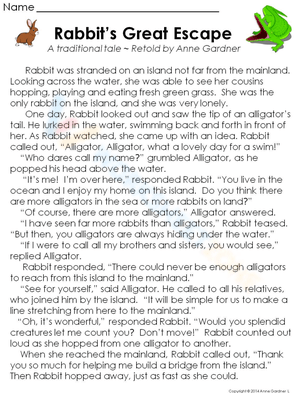
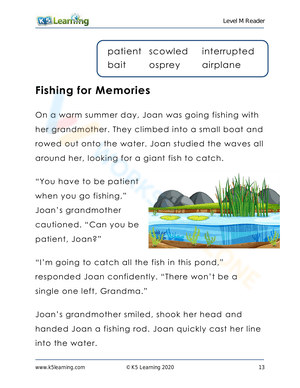
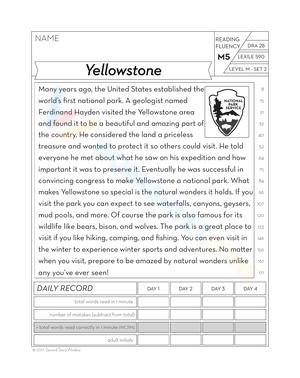
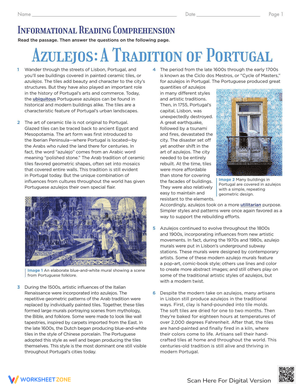
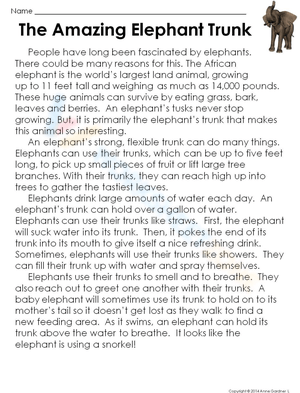
Teachers looking for 7th grade reading multiple choice worksheets pdf usually need something practical, not decorative. The assignment has to print cleanly, work in a packet, and give students focused practice with the same comprehension moves they use during class reading, intervention blocks, and review days. That is why PDF format matters so much in middle school ELA. It lets teachers assign independent work quickly, leave plans for a substitute, or build a short practice set without reformatting anything.
On the Worksheetzone Grade 7 Reading Multiple Choices page, the strongest value is speed with purpose. Instead of spending planning time converting questions into a printable format, teachers can move directly into instruction. For grade 7, that often means choosing practice that helps students return to the text, justify an answer, and sort out close distractors. Multiple-choice work is most useful when it stays tied to evidence, vocabulary in context, structure, and perspective rather than surface recall alone.
What Skills Grade 7 Reading Multiple-Choice Sets Should Cover
Seventh grade reading practice is most effective when each worksheet asks students to do more than identify a detail. Teachers usually need comprehension questions that reflect grade-level expectations across literary and informational reading. A strong set of multiple-choice items helps students explain their thinking internally before they select an answer, especially when the distractors are based on likely misreadings of the text.
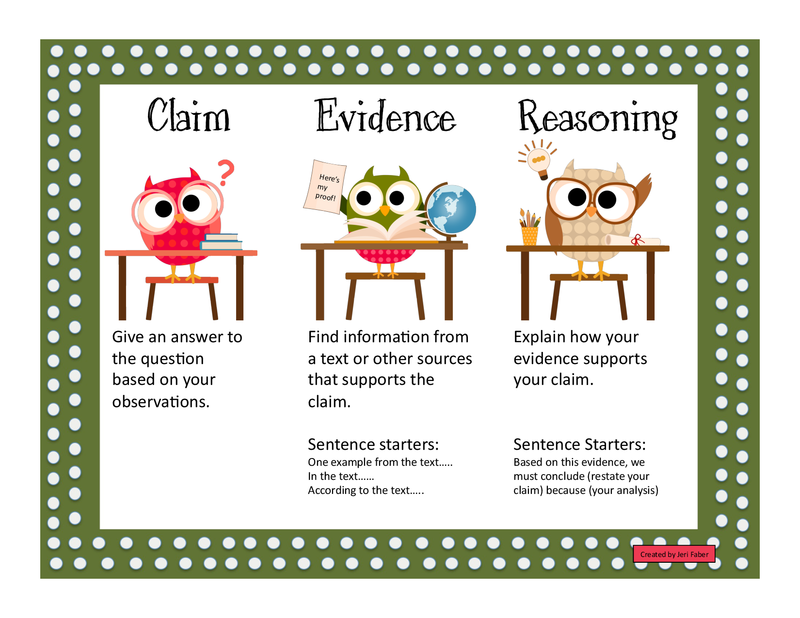
- Textual evidence: Students locate the line, detail, or idea that best supports an answer.
- Inference: Students combine clues from the passage with reasoning instead of relying on one explicit sentence.
- Theme or central idea: Students identify the larger message or main takeaway and distinguish it from a topic.
- Vocabulary in context: Students determine what a word or phrase means in the specific passage.
- Structure: Students analyze how a section, paragraph, or event shapes the whole text.
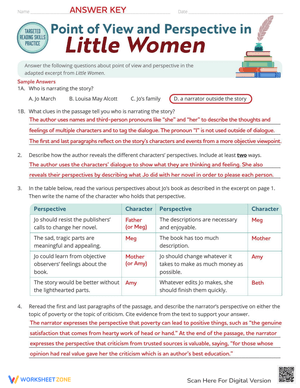
- Point of view and perspective: Students consider how the author, narrator, or speaker affects meaning.
When those skills appear consistently, the worksheet becomes useful far beyond a single lesson. Teachers can use it for warm-ups, independent practice, or a short comprehension check at the end of a reading block.
Why Literature And Informational Text Both Matter
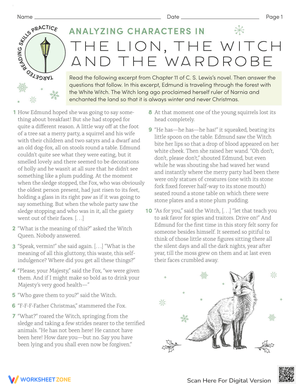
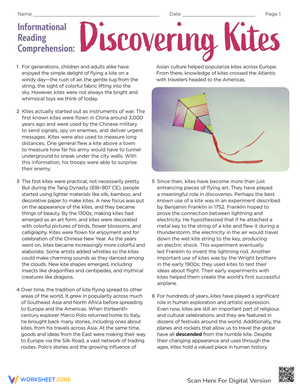
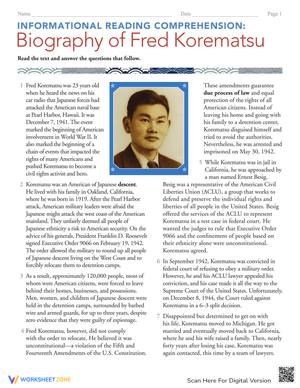
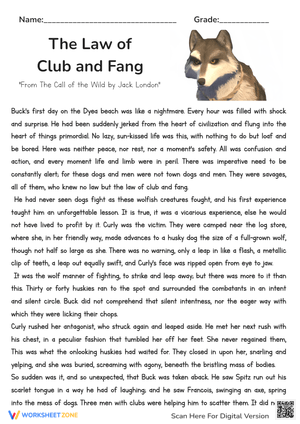
Grade 7 reading instruction does not stay inside one text type for long. Students may read a short story in one unit, then move into an article, historical account, or science-connected informational passage in the next. That is why teachers often prefer multiple-choice sets that can support both literature and informational text practice. The question types overlap, but the reading moves are not identical.
With literature, teachers may want students to analyze character response, theme development, dialogue, and how a scene contributes to the plot. With informational text, the emphasis may shift toward central idea, supporting details, author purpose, and how ideas are organized across sections. A printable PDF collection works best when it allows teachers to rotate among these demands without changing the overall assignment structure. Students benefit from that consistency because they can focus on the reading instead of learning a new task format each time.
Why Multiple-Choice Worksheets Still Earn Their Place
Some teachers hesitate to use multiple-choice reading work because they do not want comprehension to become a guessing exercise. That concern is fair, but the format still has clear classroom value when the questions are built well and used for the right purpose. Multiple-choice tasks can reveal whether students notice evidence, track meaning across a passage, and separate a precise answer from one that sounds almost right.
They are especially useful when teachers need efficient checks during a busy week. A short printable set can support:
- bell ringers that reactivate reading habits at the start of class
- homework that stays tightly aligned to current comprehension goals
- small-group intervention where students compare why each option is correct or incorrect
- assessment review before a benchmark or unit test
- sub plans that still reinforce meaningful grade-level reading skills
In other words, the format is not the goal. The goal is giving teachers a quick, readable measure of how students process a passage. When that information comes back fast, it helps shape the next mini-lesson, conference, or reteaching group.
Classroom Implementation
To get more from printable grade 7 reading worksheets, teachers should think about how the worksheet fits the lesson cycle rather than treating it as a stand-alone page. The same PDF can play different roles depending on timing, grouping, and what students do after they answer the questions.
One effective approach is to assign the passage and questions independently, then use the review to make student thinking visible. Instead of simply checking the answer key, ask students to identify the part of the passage that confirms the best option. That small shift turns multiple-choice practice into evidence practice. It also helps students see why a distractor was tempting.
Another option is to use the worksheet in small groups. A teacher can pause after each item and ask students to defend two answer choices before selecting one. That routine is useful for intervention because it surfaces weak reasoning patterns, such as choosing an answer that matches a familiar word but not the full meaning of the passage.
For independent work, keep the goal narrow. Use one worksheet for one main purpose: inference review, central idea practice, or structure analysis. Students tend to perform better when the practice set has a clear comprehension focus rather than too many mixed demands at once.
How Worksheetzone Supports Fast Planning
Teachers often search by grade, subject, and format because planning time is limited. A page organized around grade 7 reading multiple-choice worksheets helps narrow the search immediately. That matters when a team needs something printable for today, not a resource that still requires heavy adaptation before it can be taught.
Worksheetzone is most helpful in that moment because the page context matches a common instructional need: English language arts reading practice for grade 7 in multiple-choice form. For classroom practitioners, that means less time sorting through unrelated materials and more time deciding how to use the worksheet inside the lesson. The print-ready PDF angle is especially useful for packet building, intervention folders, and offline access during stations or homework.
Standards Alignment Gives The Practice More Instructional Value
Alignment matters because teachers are not just assigning reading pages; they are choosing which comprehension habits deserve repeated attention. The Common Core Grade 7 Reading Literature Standards and Common Core Grade 7 Reading Informational Text Standards both point teachers toward evidence-based analysis, theme or central idea work, structure, and perspective. Those are the same skill families that make grade 7 reading worksheets worth assigning.
A useful planning move is to sort multiple-choice practice by the kind of thinking each item demands, not just by passage topic. In grade 7, two questions about the same text can serve very different purposes: one may check literal understanding, while another asks students to evaluate evidence, trace structure, or infer the speaker's position from several clues.
Citation capsule: The Common Core Grade 7 Reading Literature Standards and Common Core Grade 7 Reading Informational Text Standards together outline 12 grade-level expectations, split across 6 literature standards and 6 informational standards. That makes a balanced worksheet set more instructionally useful when it includes evidence, central idea or theme, structure, vocabulary, and perspective practice.
When teachers use that lens, the worksheet becomes easier to place inside a unit. It can reinforce a target standard, preview a skill before deeper discussion, or provide extra repetitions for students who need more guided review. The result is more coherent instruction and less random test-style drilling.
Frequently Asked Questions
1. What skills do 7th grade reading multiple-choice worksheets usually cover?
They usually focus on grade 7 comprehension skills such as citing textual evidence, making inferences, analyzing theme or central idea, determining vocabulary in context, studying text structure, and evaluating point of view or perspective. The best sets keep those skills tied closely to the passage instead of asking only recall questions.
2. Are these worksheets useful for test prep and formative assessment?
Yes. They work well for both. For test prep, they help students practice reading a passage carefully and choosing among close answer options. For formative assessment, they give teachers a fast snapshot of which students can support an answer with evidence and which students need reteaching on a specific comprehension skill.
3. Can teachers use PDF reading worksheets for independent work or small groups?
Yes. PDF worksheets are practical for independent classwork, homework, intervention folders, and small-group review. Because they are print-ready, teachers can assign them quickly and use the saved planning time to review student reasoning, model annotation, or run a short discussion about why one answer is stronger than the others.
4. Do grade 7 reading worksheets include both literature and informational text practice?
They should. Grade 7 reading instruction usually asks students to work across both literature and informational text, so worksheets are more useful when they reflect that range. Teachers can then use a familiar multiple-choice format while rotating among stories, articles, and other passages that call for slightly different comprehension moves.