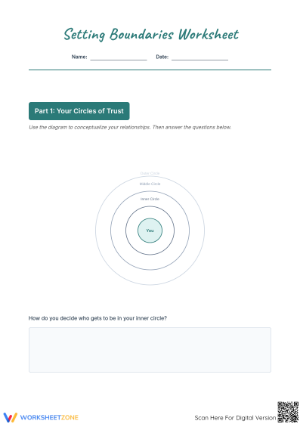
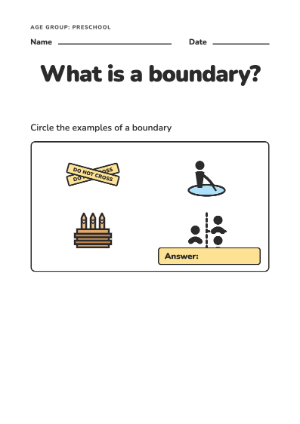
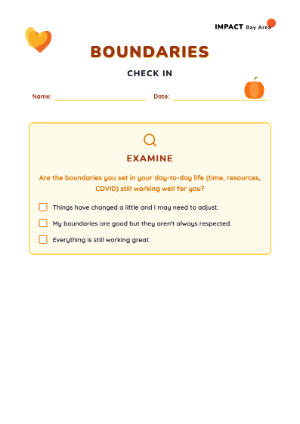
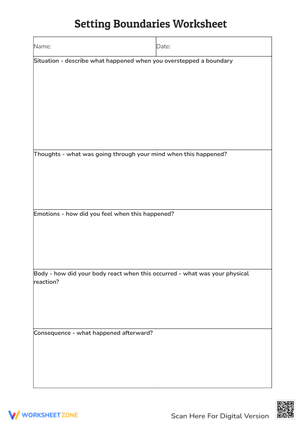
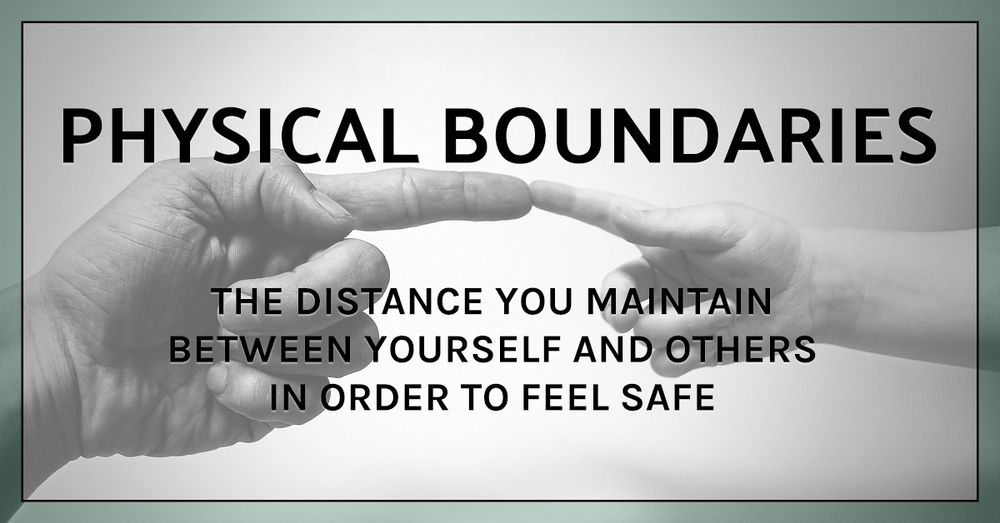
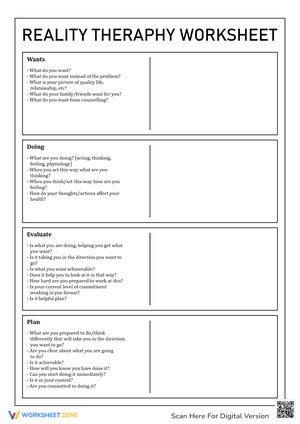
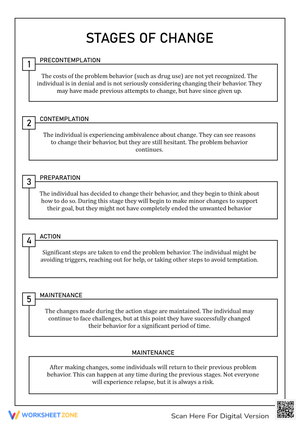
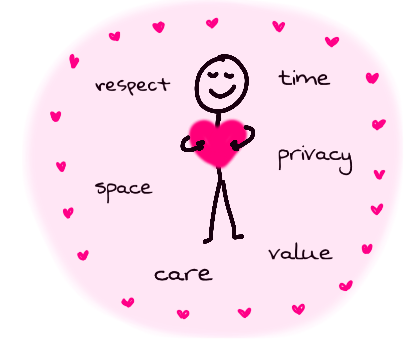
These boundaries worksheets printable for 6th grade give teachers a structured way to slow down the social situations students are already navigating — hallway pressure, group chat dynamics, shared project spaces — and turn those moments into direct skill practice. Each worksheet puts realistic school scenarios in front of students and asks them to do something concrete: identify what boundary was crossed, rewrite a poor response, or decide whether a peer issue is something a student can handle or whether it calls for adult support. The set works in advisory, health, small-group counseling, and behavior follow-up without requiring a full unit to deliver results.
The Specific Skills Each Worksheet Targets
Students work through scenarios drawn from recognizable school situations — borrowing materials without asking, standing too close during a group activity, sharing someone's private information in a group chat, or making a joke that only one person finds funny. Those concrete anchors matter. When students recognize the situation, they engage honestly instead of performing the answer they think the teacher wants.
Across the set, students practice four overlapping skills:
- Identifying which boundary is being violated in a scenario — personal space, privacy, consent to touch, or emotional safety
- Evaluating a sample response and explaining why it works or falls short
- Rewriting a disrespectful interaction using direct, firm language that stays non-aggressive — sentence frames like "I'm not okay with that joke" or "Please stop, I already said no"
- Deciding whether a situation is one a student can address directly or one that requires adult involvement
That last skill gets under-practiced. Students often know they can say "stop," but they don't always know that repeated boundary violations — even low-level ones — are situations where looping in an adult is appropriate, not weak. Building that distinction into each worksheet is one of the things that separates a boundary lesson from a general kindness activity.
Why the Sixth-Grade Transition Makes This Instruction Timely
Sixth grade brings a structural change most elementary-trained students aren't ready for: multiple teachers, rotating classes, larger peer groups, and a physical environment where adults aren't always nearby. Students who managed peer dynamics fine in a self-contained classroom can suddenly find themselves in hallway situations or group chats with no adult in range. That gap between social exposure and social judgment is exactly where this instruction belongs.
Developmentally, sixth graders are also starting to test social norms — figuring out what's acceptable to joke about, how much personal space different friendships require, and when teasing crosses into something more serious. They're aware enough to know something feels off but often lack the vocabulary to name what happened or the confidence to respond. The worksheets build both: the language to label the situation and the habit of thinking before reacting.
How to Work These Worksheets Into Your Lesson Plans
The most effective uses treat each worksheet as a short, focused conversation starter rather than an assignment to grade. Start by naming the specific skill for the day — personal space, privacy, asking before borrowing, responding to an unwanted joke — then give students five to eight minutes to annotate and respond independently before any partner talk begins. That independent think time consistently improves discussion quality because students arrive at the conversation with a position already formed.
For whole-class follow-up, chart two or three strong response stems on the board and ask students to compare which ones are firm without tipping into aggression. That distinction — assertive versus confrontational — is a live instructional moment that doesn't require a lengthy unit. One well-chosen scenario can produce 15 minutes of genuine discussion. A useful closing move is a one-sentence transfer prompt: "A respectful boundary in our classroom sounds like..." or "If someone ignores a clear 'no,' the next step is..." That final sentence gives you a fast read on who internalized the lesson and who needs more direct coaching.
Counselors and intervention specialists find that boundaries worksheets printable for 6th grade also work well in small-group settings, where the pace slows enough to pause at key moments, ask what each character might be thinking, and model calm self-advocacy language before students try it themselves. The 10-to-20-minute range the resources occupy makes them practical across advisory blocks, health periods, and pull-out groups without needing to restructure the period around them.
Student Responses That Reveal Gaps in Judgment, Not Just Knowledge
The most common error pattern is confidence without precision. Students read a scenario, quickly identify that "something is wrong," and write a response that sounds right on the surface — but they can't articulate which specific boundary was crossed or why their proposed fix actually works. A student might write "just tell them to stop" without recognizing that the scenario involves a third party sharing private information, not a direct interaction the target student can interrupt. Asking students to name the boundary type before they write a response catches this gap early and keeps the reflection from staying superficial.
A second pattern shows up in tone calibration. Students who get assertive language right on paper often describe delivering it in a way that would escalate rather than resolve the situation. They'll correctly rewrite a scenario response as "I don't want you to touch my things without asking," then explain they'd say it in a way that would start a fight. The discussion step is where that gap becomes visible — which is exactly why whole-class debrief time matters as much as the independent writing.
Watch also for students who conflate firmness with rudeness. Sixth graders who've been told repeatedly to "just be nice" can resist assertive boundary language because it feels impolite to them. Showing two or three response options rated by both firmness and tone — not just correctness — reframes the goal from "be nice" to "be clear and respectful at the same time." That reframing often unsticks students who otherwise go quiet on these worksheets.
Standard Alignment
These worksheets connect directly to the CASEL framework's core competencies: self-awareness (identifying what makes a situation uncomfortable), self-management (choosing a measured response rather than an impulsive one), relationship skills (communicating needs clearly and hearing a peer's), and responsible decision-making (weighing whether to respond directly or involve an adult). Schools using a formal SEL scope and sequence can place each worksheet into the relationship skills and responsible decision-making strands without disrupting pacing.
Health educators will find alignment with National Health Education Standards, particularly Standard 4 (interpersonal communication), Standard 5 (decision-making), and Standard 7 (advocating for personal and others' health). That dual alignment makes these worksheets defensible in both advisory time and a dedicated health block — which matters in middle school scheduling, where boundary instruction often has to compete with other content for time on the calendar.
Adapting the Set for Different Student Levels
For students who need more structure, pairing each scenario with a short reference list of boundary types — personal space, privacy, consent, emotional safety — gives them access to precise vocabulary before they write. Some students stall not because they can't reason through the situation but because they don't have the language to describe what's happening. A reference list solves that without reducing the cognitive demand of the task itself.
For students who move through scenarios quickly, the extension is straightforward: instead of responding as the person whose boundary was crossed, ask them to write from the bystander's perspective. What does a bystander notice? What are their options? What makes inaction its own kind of choice? That shift in perspective adds genuine complexity without requiring a different worksheet.
Students who struggle with reading length or processing time do best with one scenario at a time — presented orally if needed — with the written response treated as a record of their thinking rather than a formal product. Teachers working in inclusion settings can use each worksheet alongside role-play without losing the instructional intent. The format holds across those variations because the core task — analyze a situation, choose a response, explain the reasoning — stays the same regardless of how much support surrounds it.
Frequently Asked Questions
What do these worksheets actually ask students to do?
Students read a scenario set in a recognizable school situation, identify which boundary is at stake, evaluate or rewrite a sample response, and decide whether the situation can be handled peer-to-peer or needs adult support. Most worksheets also include a short reflection prompt that asks students to explain their reasoning — not just circle an answer — which gives teachers a clearer picture of where the gaps actually are.
Can these be used after a peer conflict without putting specific students on the spot?
Yes, and this is one of the most practical uses for a classroom teacher. Revisiting a relevant worksheet scenario as a class after a conflict keeps the instructional focus on the skill rather than the incident. Students discuss the printed scenario, not what happened between classmates, which makes the conversation feel instructional rather than punitive. The reteaching also lands better because it targets a specific skill gap — recognizing when teasing is no longer mutual, or accepting "no" the first time — instead of issuing a generic reminder to make better choices.
Do these require a formal SEL program to use effectively?
No. Each worksheet stands on its own and doesn't assume students have completed prior lessons. Teachers with a formal SEL curriculum can use the set as reinforcement; teachers without a structured program can use the worksheets as standalone discussion tools. The boundaries worksheets printable for 6th grade format — scenario, response writing, reflection prompt — gives enough structure that a teacher new to SEL facilitation can run a productive 15-minute discussion without additional materials or training.
How do school counselors typically use these in small-group settings?
Counselors running friendship, self-advocacy, or social skills groups use each worksheet to anchor a session to something specific rather than talking in generalities about "respecting others." The counselor can pause mid-scenario, ask what a character is feeling, and model a measured response before students attempt one. For students who tend to either over-react or shut down when situations escalate, that line-by-line analysis builds the kind of situational judgment that open conversation alone rarely produces. Having the full set of boundaries worksheets printable for 6th grade means counselors can address different skill gaps — personal space, privacy, help-seeking, bystander behavior — across multiple sessions without repeating the same material.












 Interactive Worksheet Maker
 Quiz Maker
 Word Search Maker
 Crossword Puzzle Maker
 Word Scramble Generator
 Sentence Scramble Generator
 Handwriting Worksheet Generator
 Name Tracing Generator
 Fill In The Blank Generator