Why These 4th Grade Reading Strategy Worksheets Fit Real Classroom Needs
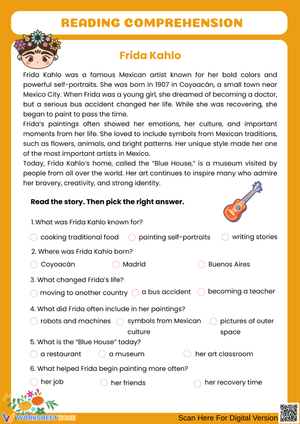
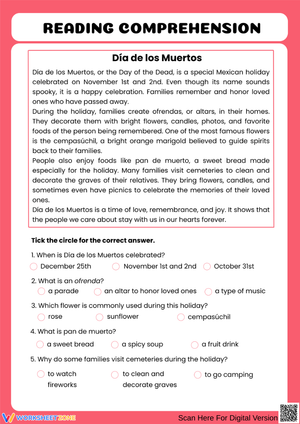
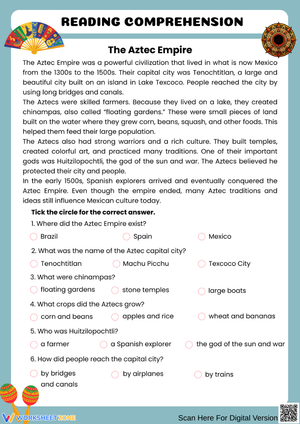
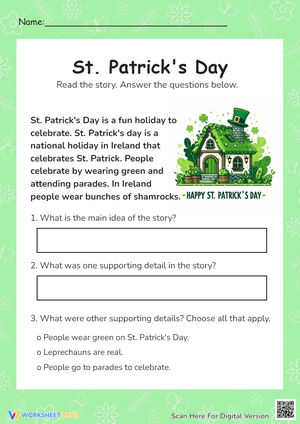
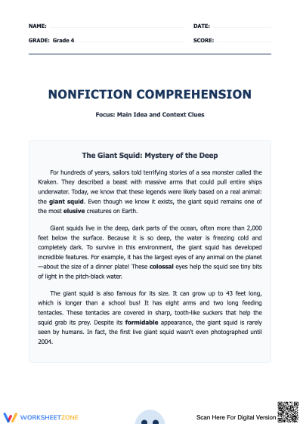
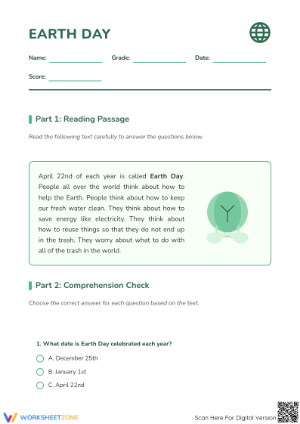
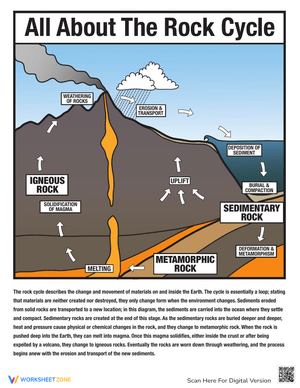
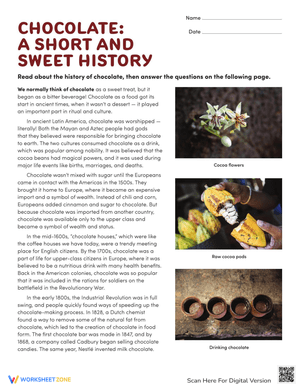
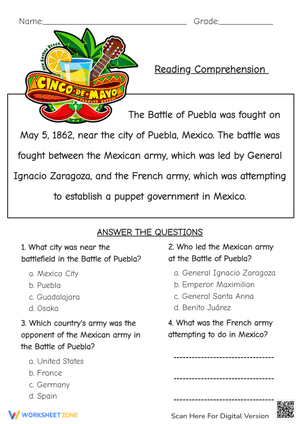
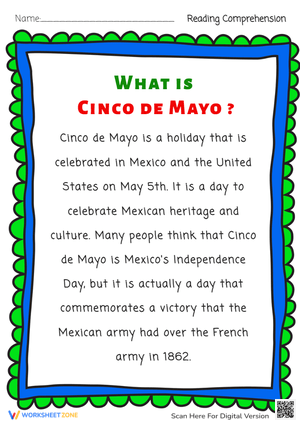
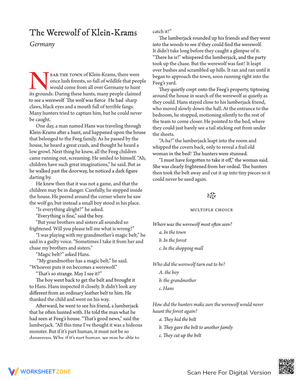
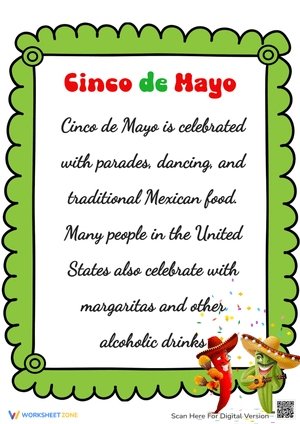
Worksheetzone's collection for 4th grade reading comprehension strategies multiple choice worksheets PDF use lines up with a common teaching problem: students need repeated practice with thinking moves, not just more pages to complete. In grade 4, readers are expected to explain main ideas, pull evidence from a passage, infer what the author suggests, and summarize without retelling every detail. A printable multiple-choice set gives teachers a fast way to focus on one strategy at a time while still keeping reading practice manageable for independent work, centers, or short assessment blocks.
That matters because grade 4 is often the point where texts become denser and questions ask for more than literal recall. Teachers aren't only checking whether a student finished reading. They're checking whether the student can identify supporting details, notice how vocabulary works in context, and choose the best answer when several choices seem possible. A well-built PDF worksheet supports that kind of thinking by keeping the format familiar and the skill target clear.
For planning purposes, these sets are especially useful when you need something easy to assign and easy to review. They can anchor a morning warm-up, extend a mini-lesson, fill a substitute folder, or give a small intervention group another pass at the same strategy with a fresh passage.
Which Reading Comprehension Strategies Should 4th Graders Practice Most?
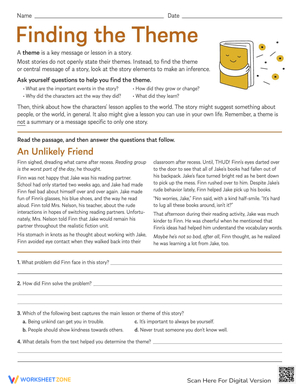
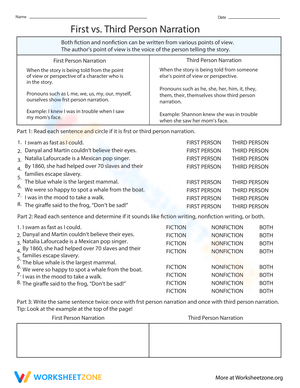
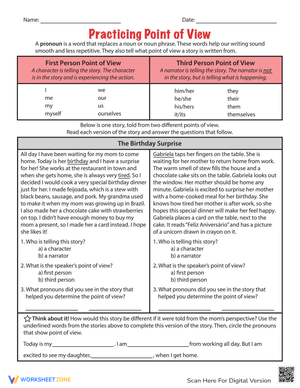
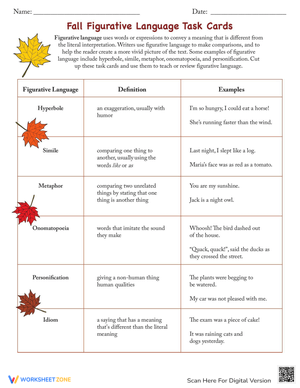
The strongest worksheet sets for grade 4 don't treat comprehension as one broad skill. They break it into teachable targets that teachers can revisit across the year. Based on the instructional patterns reflected in Worksheetzone, Reading Rockets, and classroom practice, the highest-value areas are main idea, supporting details, inference, vocabulary in context, and summarizing.
- Main idea and supporting details help students separate the point of a paragraph or passage from interesting but less important information.
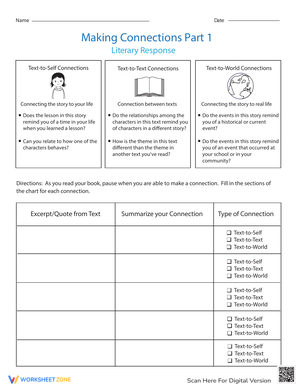
- Inference asks students to combine text evidence with background knowledge, which is often where grade 4 readers start to show uneven performance.
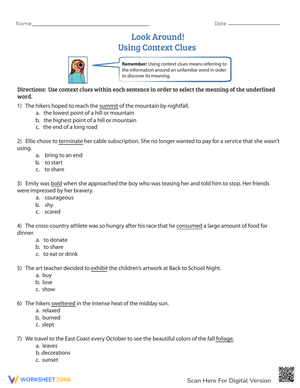
- Vocabulary in context builds flexibility by asking students to use nearby clues rather than guess from one unfamiliar word.
- Summarizing pushes students to condense a text into its essential ideas instead of listing events in order.
When those skills appear in a multiple-choice format, teachers can diagnose patterns quickly. If a student consistently misses inference items but handles main idea questions well, the next lesson can be narrower and more productive. If a whole class is choosing distractors that restate a small detail instead of the central idea, the teacher gets immediate evidence that students need more modeling.
That's the practical advantage of strategy-based worksheet organization. Instead of saying, "we did a reading worksheet," teachers can say, "today we practiced identifying the best summary" or "today we worked on using context to determine meaning." That precision makes review cycles more useful.
Why Multiple-Choice Format Works for Fast Checks and Reteaching
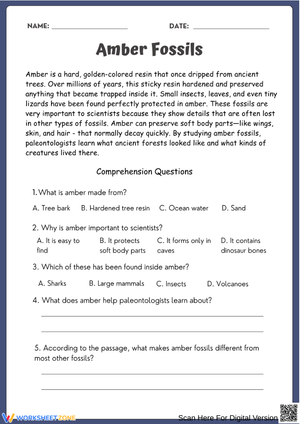
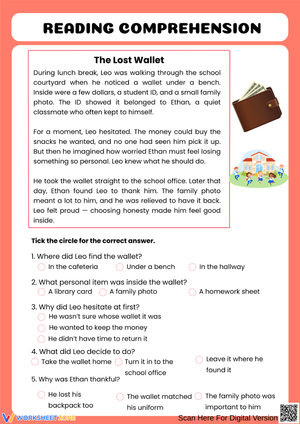
Multiple-choice reading pages are sometimes dismissed as test-prep only, but in grade 4 they can serve a broader purpose. When the question design is tight, the format lets teachers check comprehension quickly after a short fiction or nonfiction passage. Students spend their energy on reading and reasoning rather than copying long written responses, and teachers can scan the results fast enough to adjust the next lesson.
Education Endowment Foundation reports that explicit reading comprehension strategy instruction is associated with an average of 6 months of additional progress when it is taught directly and applied to texts. That matters here because a multiple-choice worksheet is most effective when it follows modeling and guided practice, not when it replaces them.
Reading Rockets also emphasizes direct teaching of comprehension strategies, which supports using these worksheets as a follow-up tool rather than a stand-alone event. A teacher might model how to eliminate weak answer choices during a think-aloud, guide students through one item together, and then assign a short PDF page for independent application. In that sequence, the worksheet becomes evidence of transfer.
Fiction and Nonfiction Passages Build Better Transfer
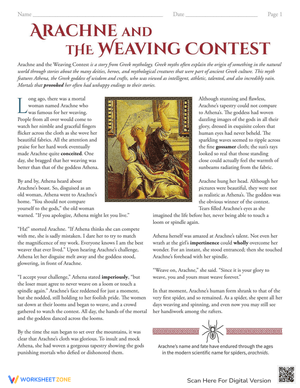
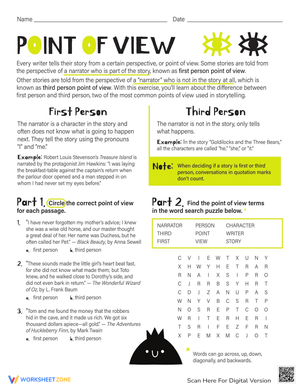
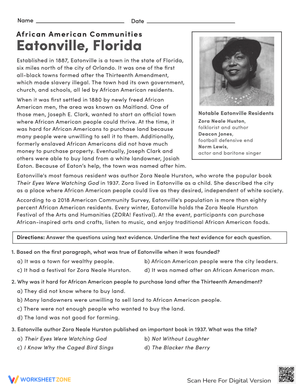
Grade 4 readers need practice across both story and informational text types, so a balanced worksheet bank matters. Fiction passages give teachers room to ask about character actions, motives, theme, and narrative clues. Nonfiction passages let teachers focus on main idea, text-based evidence, domain vocabulary, and the difference between a topic and the author's key point.
Using both passage types keeps strategy instruction honest. A student who can infer a character's feelings in a story may still struggle to infer the meaning of a science-related term from a short article. A student who can pull details from a nonfiction paragraph may still need support summarizing a plot clearly. When teachers rotate between fiction and nonfiction worksheets, they see whether a strategy truly transfers or only appears secure in one setting.
That mix also fits how teachers actually schedule practice. One week might call for a quick nonfiction warm-up before social studies. Another might call for a fiction passage in a literacy center. Printable PDFs make that shift simple without changing the response format students already know.
Classroom Implementation
These worksheets are most effective when they sit inside a short instructional routine. A teacher can introduce one strategy, model it with a brief passage, complete one sample item together, and then hand students a targeted multiple-choice page. Because the format is familiar, the class can move into independent practice quickly.
In whole-group instruction, a single worksheet works well as an exit ticket or end-of-lesson check. In small groups, teachers can choose a page that targets the exact misunderstanding the group showed during guided reading. For intervention, repeated practice with the same strategy across several short passages is often more useful than switching skills too often.
- Use one page for morning work when you want a calm, academic start tied to current reading goals.
- Place a few PDFs in a literacy center so students can practice independently while the teacher meets with a small group.
- Assign a worksheet for homework when families need a clear, low-prep task with an obvious finish point.
- Add selected pages to substitute plans because the directions and format are easy to follow.
Teachers can also tighten review by grouping answer discussions around evidence. Instead of just marking choices right or wrong, ask students which words in the passage helped them rule out the distractors. That small shift keeps the work grounded in text, not guessing.
What To Look For in a Strong PDF Worksheet Set
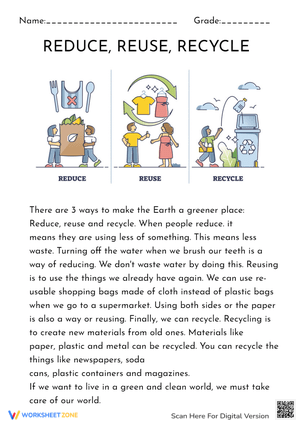
A useful set should make the target skill visible right away. Teachers should be able to tell whether a page is practicing inference, summarizing, vocabulary in context, or main idea before assigning it. The passage length should be manageable for grade 4, and the answer choices should be plausible enough to reveal thinking errors without turning into trick questions.
One of the best signals of quality is the way distractors are written. Strong wrong answers usually reflect a real misconception, such as choosing a vivid detail instead of the main idea or selecting a statement that sounds reasonable but is not supported by the text. When answer choices are built that way, teachers can sort errors into teachable categories and plan the next mini-lesson with more precision.
It's also worth looking for variety across the set. If every page uses the same kind of passage and the same type of question, student performance can become more about routine than comprehension. A better bank mixes fiction and nonfiction, rotates strategy targets, and gives teachers enough options to revisit a skill without repeating the exact same task structure every time.
Worksheetzone pages are most useful when teachers treat them as part of a broader comprehension cycle: model the strategy, assign targeted practice, review errors, and then return to the strategy in a new passage. That keeps the focus on reading thinking, which is the point.
Frequently Asked Questions
1. What reading comprehension strategies should 4th graders practice most?
For grade 4, the most useful worksheet targets are main idea, supporting details, inference, vocabulary in context, and summarizing. Those skills show up often in classroom assessments, and they give teachers a clear way to organize practice by strategy instead of assigning random passages.
2. Are multiple-choice reading worksheets good for test prep?
Yes, but they are better than test prep when used well. The multiple-choice format helps students practice selecting evidence-based answers, eliminating weak choices, and working efficiently. For teachers, it also provides fast data that can shape reteaching before a larger assessment.
3. Can these PDF worksheets be used for homework or centers?
Yes. Printable PDF worksheets fit homework, literacy centers, warm-ups, substitute plans, and short intervention blocks because they are easy to assign and easy to collect. The best results come when the worksheet matches a strategy students have already seen in class instruction.
4. Do grade 4 reading comprehension worksheets include fiction and nonfiction passages?
They should. Fiction passages help students work on character, plot, and inferred meaning, while nonfiction passages support main idea, details, and vocabulary in context. Using both gives teachers a better picture of whether a comprehension strategy transfers across text types.