Why These Grade 4 Reading Worksheets Save Teachers Time
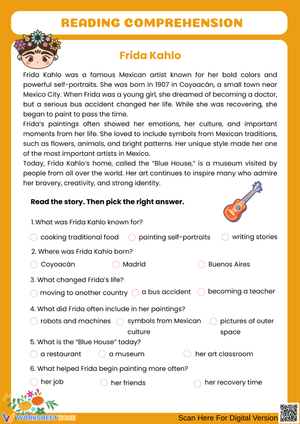
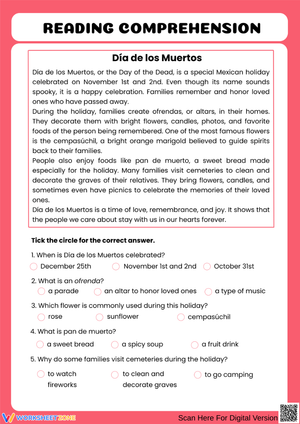
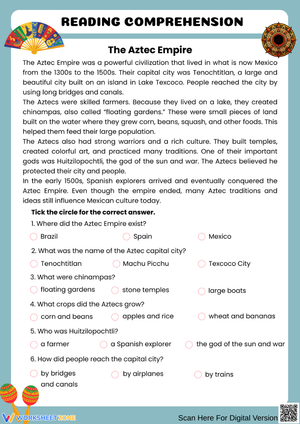
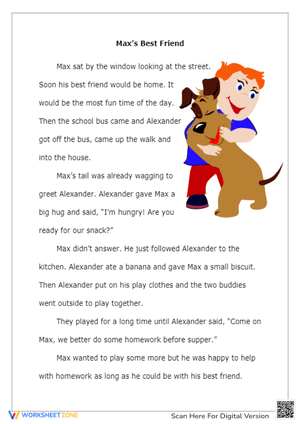
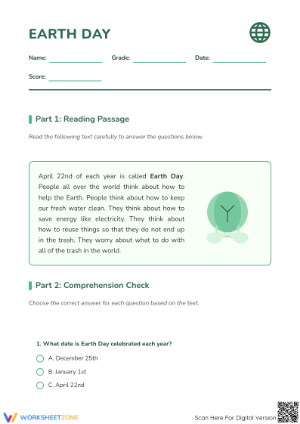
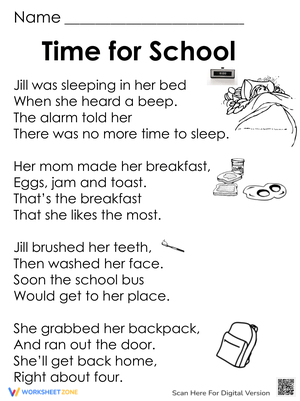
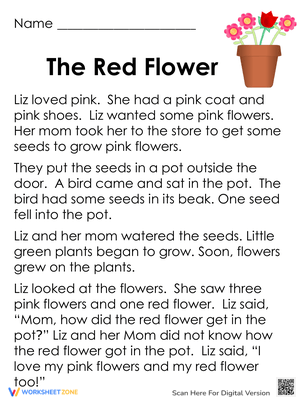
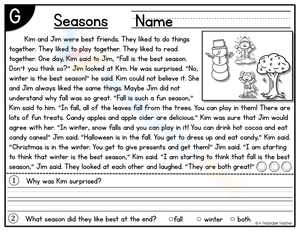
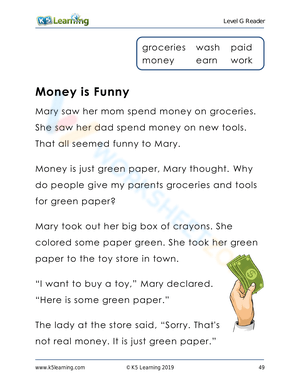
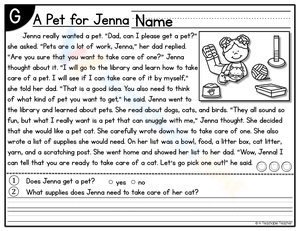
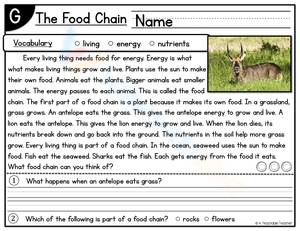
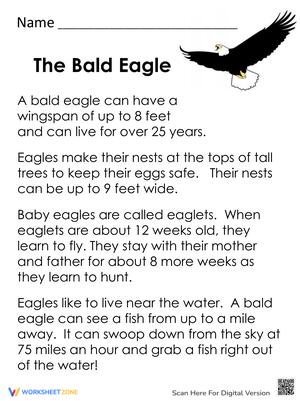
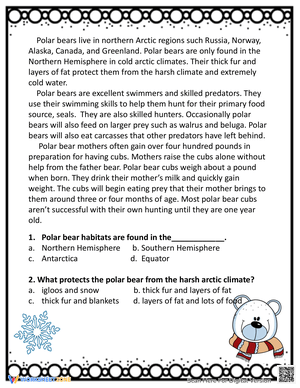
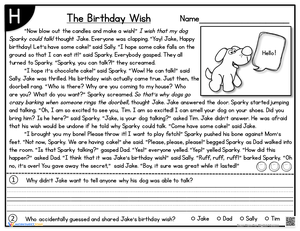
When teachers search for reading multiple choice printable worksheets for 4th grade, they usually need something specific: ready-to-print practice that matches current comprehension goals and can be used the same day. Worksheetzone meets that classroom need with printable resources that fit lesson review, small-group work, homework, intervention, and quick independent checks without adding another prep task to the week.
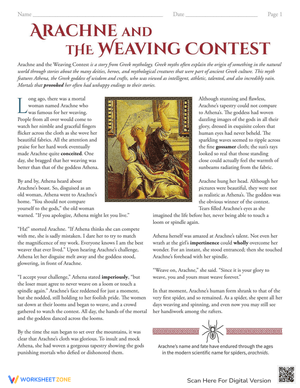
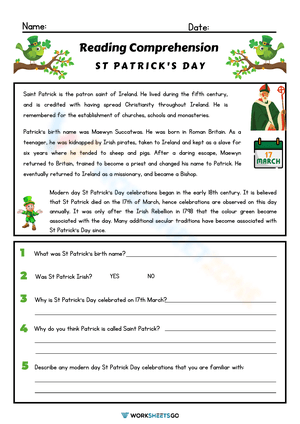
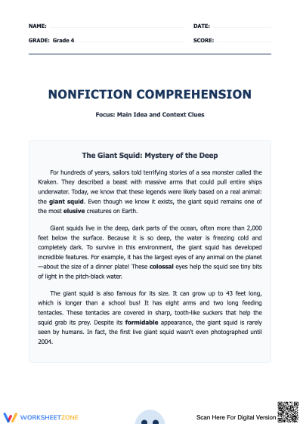
At grade 4, reading instruction shifts from basic recall toward stronger evidence-based thinking. Students are expected to identify main ideas, explain details, draw inferences, use context clues, and compare information across a passage. A printable multiple-choice format helps teachers see which students can work through those demands independently and which students still need guided practice before moving on.
The Reading Skills 4th Grade Teachers Usually Target
A strong worksheet set should reflect the comprehension work teachers actually teach. In grade 4, that often means mixing short passages with questions that ask students to return to the text, separate a strong answer from a tempting distractor, and justify their thinking during follow-up discussion. That combination turns simple seatwork into a useful formative check.
- Main idea and supporting details: Students identify the best summary statement and connect it to details that matter most.
- Inference: Questions push readers to combine clues from the passage with what the author implies rather than states directly.
- Context clues and vocabulary in context: Multiple-choice items help teachers see whether students can use nearby sentences to determine meaning.
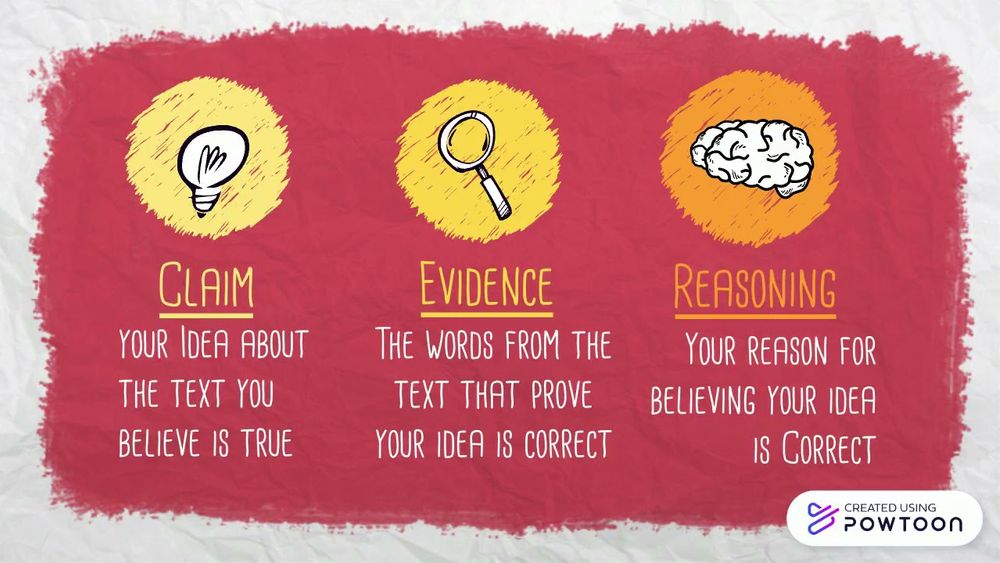
- Text evidence: Students choose the answer that is most clearly supported by the passage instead of relying on background knowledge alone.
- Compare and contrast: Grade 4 readers often need practice noticing similarities and differences across characters, events, topics, or ideas.
Because these skills appear across daily instruction, having printable worksheets organized by comprehension target makes it easier to assign practice with purpose instead of handing out a random passage packet.
Fiction and Nonfiction Both Matter in Grade 4
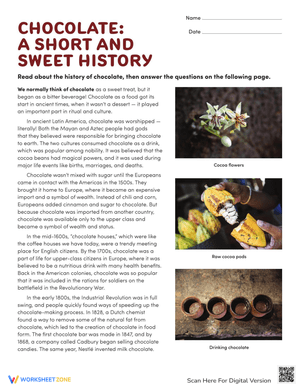
Teachers rarely want a reading collection that covers only one text type. Grade 4 readers need experience with stories, poems, and literary passages, but they also need regular exposure to informational text with headings, details, and topic-based explanations. A balanced worksheet collection gives teachers more flexibility to match current units and to prepare students for the kinds of comprehension work they will face all year.
That balance also improves the quality of review. A student who handles character motivation well in fiction may still need support identifying the author’s point, key details, or cause-and-effect relationships in nonfiction. Printable multiple-choice worksheets make it easier to spot those differences because the question structure stays familiar even when the passage type changes.
According to the Common Core State Standards Initiative, grade 4 reading expectations are organized across two major text categories, literature and informational text. That split matters for planning because teachers get clearer evidence when worksheet practice includes both categories instead of repeating only one passage style.
Why Multiple-Choice Practice Works for Quick Checks
Multiple-choice reading practice is useful because it creates a clear response structure while still revealing comprehension gaps. If a student chooses an answer that sounds reasonable but is not supported by the passage, the teacher has immediate evidence of where thinking broke down. That can point to a vocabulary issue, weak rereading habits, or a tendency to answer from memory instead of evidence.
For teachers, this format is efficient in several settings. It works during centers when students need independent tasks, during intervention when a small group needs targeted review, and during test-style practice when students must build stamina with short passages and answer sets. It also supports substitute plans because directions are simple and the work is easy to monitor.
Printable worksheets are especially helpful when a teacher wants consistency across the week. One passage can be used for whole-class modeling, another for partner practice, and a third for homework or an exit-ticket style check. That sequence keeps the skill focus steady while varying the text and question set.
Classroom Implementation
Teachers get the most value from printable reading worksheets when they assign them with a clear role in the lesson. For example, a main-idea worksheet can serve as guided practice right after a mini-lesson, while an inference worksheet can be placed in a literacy center for independent review later in the week. The format stays familiar, but the instructional use changes based on the group and the goal.
- Whole-class review: Project or distribute one worksheet after direct instruction and discuss why each distractor is less accurate than the correct answer.
- Small-group intervention: Use a shorter passage with one targeted skill so students can practice rereading and citing clues verbally.
- Homework packets: Send home a printable set when families need structured reading practice that does not require extra materials.
- Sub plans: Keep a few standards-aligned worksheets ready for days when continuity matters but planning time is limited.
- Test-prep style review: Rotate fiction and nonfiction passages so students practice transferring the same comprehension habits across genres.
In practice, teachers often see better results when they pair the worksheet with a short debrief. Even a two-minute conversation about why the best answer is correct helps students internalize the difference between guessing and reading closely.
Choose the Right Difficulty for Grade 4 Readers
The best worksheet is not always the longest passage or the hardest set of questions. Teachers usually get stronger data when the passage length, vocabulary load, and answer choices match what students can reasonably handle. If the text is too demanding, the worksheet starts measuring frustration instead of comprehension. If it is too easy, the results do not tell much about instructional next steps.
A practical way to choose difficulty is to look at three elements together: the complexity of the passage, the number of thinking steps required by the questions, and the amount of support students will receive. A class working independently may need a shorter passage with direct text-evidence questions, while a teacher-led intervention group may be ready for harder inference items because discussion provides support.
An overlooked advantage of multiple-choice worksheets is that the distractors can show which misconception is most common, not just whether an answer is wrong. If several students choose the option tied to a minor detail, that often signals they can locate information but still need work distinguishing the central idea from interesting but less important text evidence.
Standards-Aware Practice Supports Better Planning
Teachers do not need every worksheet to mention a standard by name, but they do need practice that reflects grade-level expectations. The Common Core State Standards Initiative highlights comprehension of both literary and informational texts in grade 4, while the NAEP Reading Assessment Framework also treats grade 4 as a major checkpoint for reading performance. That makes a mixed worksheet collection a practical planning tool rather than just extra seatwork.
When teachers select printable reading worksheets with that lens, the resource becomes more useful across the school year. It can support a focused reteach after assessment data, provide extra examples before a unit quiz, or fill out a review cycle before benchmark testing. The value is in the alignment between the worksheet task and the comprehension habit the teacher wants to see.
Worksheetzone is most useful here when teachers want a bank of printable options they can sort by grade, subject, and format. Instead of building a new passage set for every review need, they can pull a worksheet that matches the day’s objective and keep instruction moving.
Frequently Asked Questions: Using Printable Reading Worksheets in Grade 4
1. What reading skills do 4th grade multiple-choice worksheets usually cover?
Most sets focus on core comprehension targets such as main idea, supporting details, inference, context clues, vocabulary in context, text evidence, and comparing details across a passage. The strongest collections include both literary and informational reading practice so teachers can assign work that matches current instruction.
2. Are these printable reading worksheets better for review, homework, or test prep?
They can do all three jobs if the teacher assigns them intentionally. A short passage may work well for homework or a center, while a more targeted worksheet can support intervention or test-style review. The format is flexible because students can complete it independently and teachers can check results quickly.
3. How can teachers choose the right worksheet difficulty for grade 4 readers?
Start with the skill goal, then consider passage length, vocabulary, and how complex the answer choices are. If students are working independently, choose a worksheet that lets them show the target skill without getting blocked by text load. For small-group instruction, teachers can stretch difficulty because support is available during discussion.
4. Do grade 4 reading worksheets include both fiction and nonfiction passages?
They should. Grade 4 instruction covers comprehension across literary and informational texts, so teachers get more useful practice data when a worksheet collection includes stories and nonfiction passages. That variety also helps students transfer the same close-reading habits across different text types.