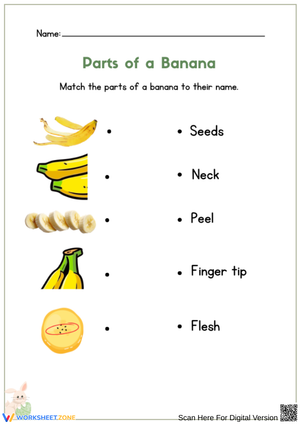
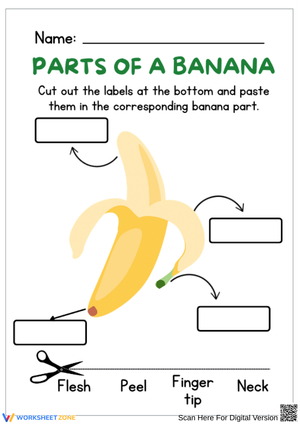
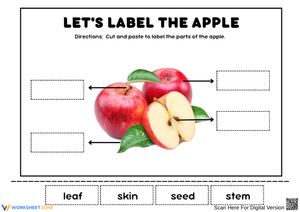
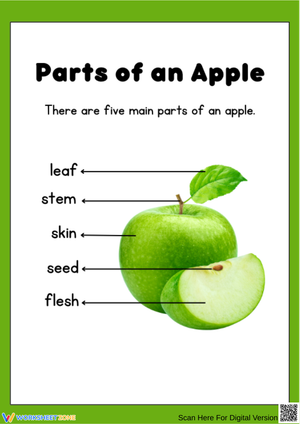
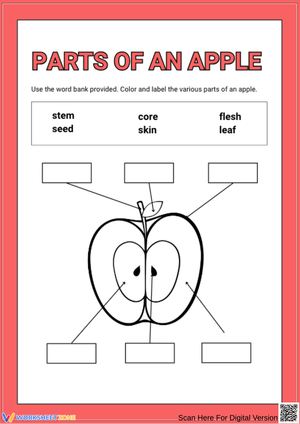
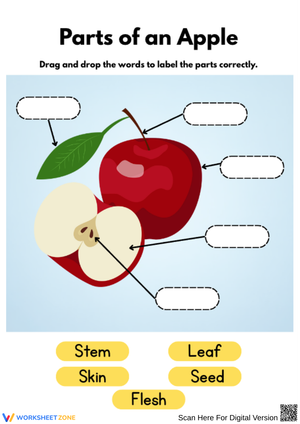
These 3rd grade parts of a fruit worksheets anchor a biology concept that most students think they already understand — and that false confidence is exactly what makes the topic tricky to teach. Third graders arrive with strong opinions about what counts as a fruit, shaped by taste and kitchen habits rather than plant anatomy. Each worksheet shifts that thinking toward structure and function: what each part looks like, where it sits, and what work it does for the plant's survival.
The Skills Each Worksheet Targets
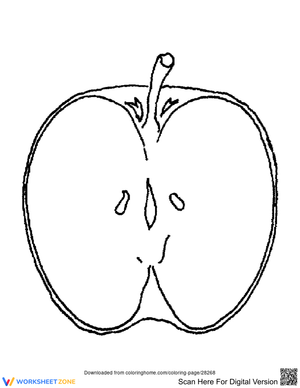
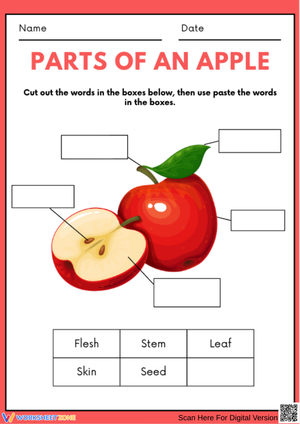
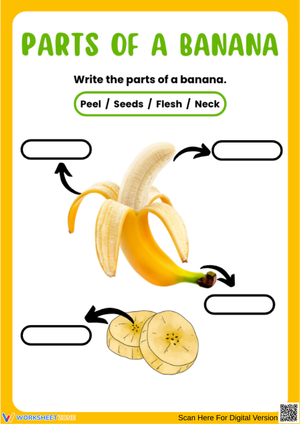
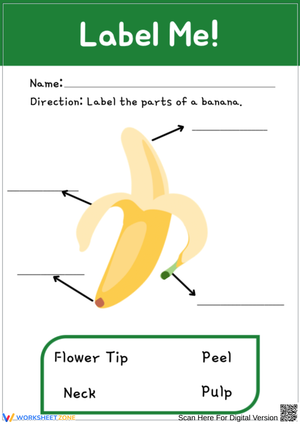
The set moves students through progressively demanding tasks, starting with recognition and ending with functional explanation. Core activities include labeling cross-section diagrams, matching part names to their roles in seed protection and dispersal, and comparing a fruit's exterior to its internal structure. Several worksheets ask students to distinguish between fruits with a single large seed — a peach pit — and fruits with dozens of small seeds embedded throughout the flesh, like a kiwi. Students also annotate what each part does for the plant: the skin as a protective layer, the flesh as a moisture source for developing seeds and an attractant for seed-dispersing animals, and the seeds as the embryos the whole structure exists to protect. That three-part logic reappears across multiple worksheets in different visual formats so students encounter it repeatedly before they're expected to recall it independently.
What Happens When Students Open the Fruit
Most third graders can point to the skin and seeds without trouble. The flesh is where confusion sets in — students describe it as "the part you eat" and stop there. These worksheets push past that by asking students to annotate what the flesh does for the plant, not just for a snack. The fact that flesh attracts animals whose digestive systems carry seeds far from the parent plant is genuinely strange to a third grader, and strange things get remembered.
The seed-placement comparison tasks tend to produce the most productive classroom moments. Students who have only cut open apples expect seeds to live in the center. When a worksheet presents a strawberry diagram with seeds on the outer surface, a surprising number of students insist those can't be seeds. That moment — "but seeds go on the inside" — is actually where the deepest learning happens, and the worksheets are structured to create it.
Fitting These Worksheets Into Your Science Block
The most reliable placement is at the opening of a plant life cycle unit, before students move into pollination. Used early, each worksheet builds the vocabulary students need for every subsequent lesson: skin, flesh, seed, stem, dispersal. Running a short dissection station on the same day students complete the first labeling worksheet — label the diagram, then cut open the fruit and check their predictions — creates an immediate feedback loop that is hard to replicate through discussion alone.
3rd grade parts of a fruit worksheets also work well as Monday warm-ups across a two-week plant unit. One worksheet at the start of class takes about ten minutes and functions as low-stakes retrieval practice before the day's main instruction. Check food allergy records before any hands-on fruit component; cucumbers and green beans make solid substitutes and carry the added benefit of challenging students' assumption that vegetables can't be fruits — a useful setup for the classification conversations that follow.
Errors and Misconceptions Worth Watching For
The botanical-versus-culinary distinction is the single biggest source of confusion at this grade. Students confidently sort tomatoes, cucumbers, and peppers into the vegetable column because that's what their families call them. When a worksheet asks them to classify based on whether the structure contains seeds, many feel the worksheet is wrong. Naming the conflict directly — "scientists define fruit differently than grocery stores do" — dissolves most of the resistance, and the visual prompts in the set make that contrast explicit.
A second recurring error involves stone fruit pits. Students label a peach pit as "the seed," which is close — the actual seed is inside the hard endocarp, not the endocarp itself. For third grade, this distinction is simplified in the worksheets, but teachers who want to extend the lesson can split a dried pit and show the true seed within. The set doesn't overstate what students need to know at this grade, but it leaves room for that conversation.
3rd grade parts of a fruit worksheets are most effective at catching these errors when used as a formative check after instruction, not before. Assigning a labeling worksheet as a pre-assessment mostly surfaces culinary knowledge — students guess based on what their family calls a food, not a botanical definition. Saving it for after a brief direct instruction segment gives students a definition to apply rather than a gap to expose.
Standard Alignment
These worksheets support NGSS 3-LS1-1, which requires students to develop models describing that organisms have unique and diverse life cycles involving birth, growth, reproduction, and death. The fruit is the reproductive structure — the stage that bridges pollination and seed dispersal — so labeling and explaining its parts directly addresses the reproduction component of that standard. In classroom terms, these worksheets fit most naturally after students have studied the flower and pollination and before they move into seed germination and growth. Placing them in that sequence means the vocabulary students build carries forward through the rest of the unit rather than sitting in isolation as a one-off lesson.
Differentiating the Set for a Range of Learners
For students who struggle with blank diagrams, adding a word bank removes one layer of cognitive demand without changing what they're being asked to learn. The goal is still part identification and function — the word bank just keeps students from stalling at vocabulary retrieval before they've had enough exposure to internalize the terms. Remove it once students demonstrate consistent recognition; keeping it longer than necessary prevents the retrieval practice from doing its job.
Students who finish early get the most from cross-fruit comparison tasks: given diagrams of an apple, a tomato, and a pea pod, they explain why all three count as fruits and how seed placement differs across them. That task requires applying a functional definition rather than recognizing labeled vocabulary — a genuinely harder ask. 3rd grade parts of a fruit worksheets that include open-ended written response boxes are the right choice for this group, pushing students from labeling into explanation and beginning to prepare them for the argumentative science writing that becomes more prominent in grades 4 and 5.
Frequently Asked Questions
Are these worksheets appropriate for students who haven't started a plant life cycle unit yet?
Yes, with one small adjustment: before the first worksheet, spend a few minutes establishing that a fruit's biological job is to protect and transport seeds. Students who are new to the content complete the labeling tasks without trouble, but they skip past the function explanations without that framing. A teacher-drawn diagram on the board or a short read-aloud is enough context.
What fruits work best for a hands-on dissection session paired with these worksheets?
Apples and peaches are reliable — the cross-section is clean, the seed structure is clear, and most students have handled them before. Kiwis are worth adding: sliced in half, they reveal dozens of small seeds arranged in a wheel pattern that surprises most third graders. Avoid very juicy fruits like oranges for the first dissection; the mess competes with the observation. Cucumbers present almost no allergy risk and are the strongest choice for the botanical-versus-culinary classification conversation.
How long does each worksheet take to complete?
A labeling-only worksheet runs about 8 to 12 minutes for most third graders working independently. Worksheets that include written function explanations or a comparison task run closer to 15 to 18 minutes. That longer range makes them a better fit for a dedicated science block than a warm-up slot unless students have already spent several days building familiarity with the vocabulary.












 Interactive Worksheet Maker
 Quiz Maker
 Word Search Maker
 Crossword Puzzle Maker
 Word Scramble Generator
 Sentence Scramble Generator
 Handwriting Worksheet Generator
 Name Tracing Generator
 Fill In The Blank Generator