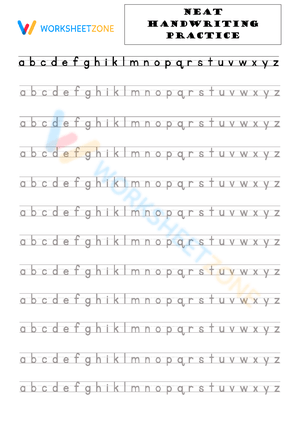
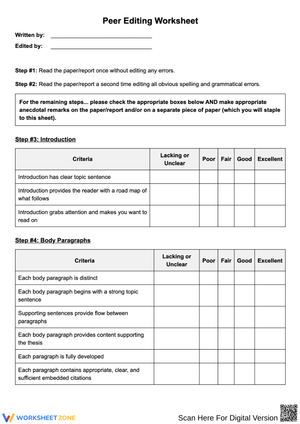
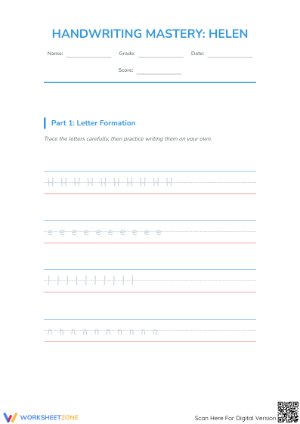
By 10th grade, handwriting is no longer just about forming neat letters. Students are taking longer notes, writing timed responses, preparing essays, completing lab work, and organizing study materials across multiple subjects. 10th grade handwriting worksheets give high school learners a focused way to improve legibility, spacing, writing speed, and overall presentation. For students whose handwriting has become rushed, uneven, or difficult to read, targeted practice can make daily schoolwork feel more organized and less stressful.
Teen handwriting often reflects academic pressure. A student may understand the lesson perfectly but lose points because their written work is hard to follow. Another student may avoid handwritten notes because their writing becomes cramped or inconsistent after a few minutes. Practice activities can help students slow down, notice letter size, control spacing, and build smoother writing habits. With regular use, 10th grade handwriting worksheets can support clearer essays, better note-taking, and stronger confidence during written assignments.
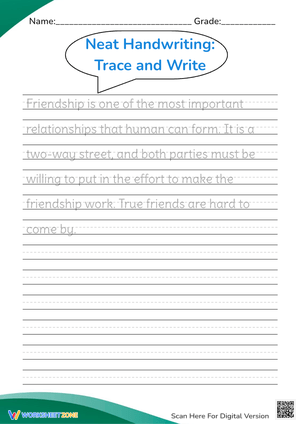
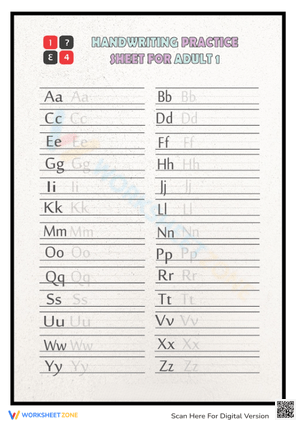
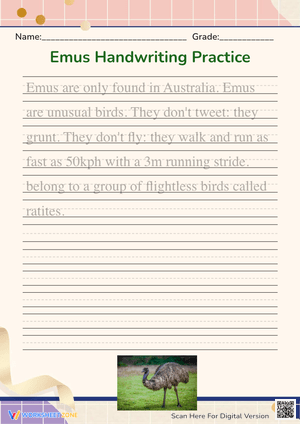
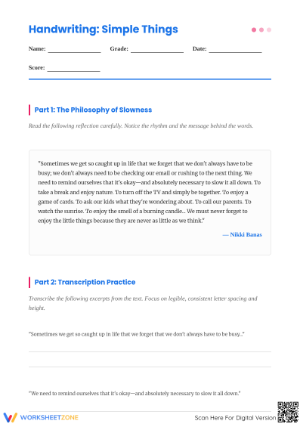
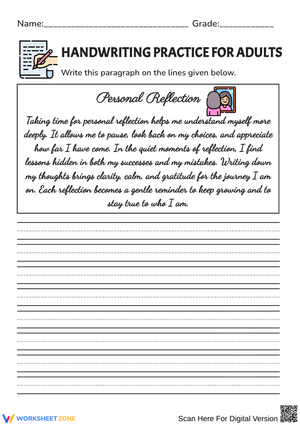
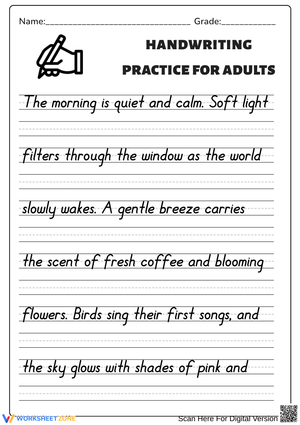
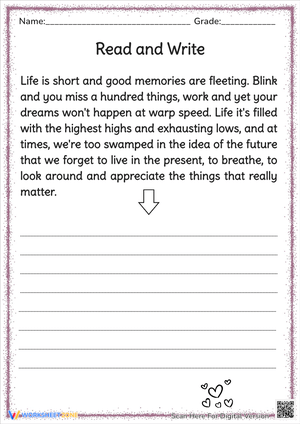
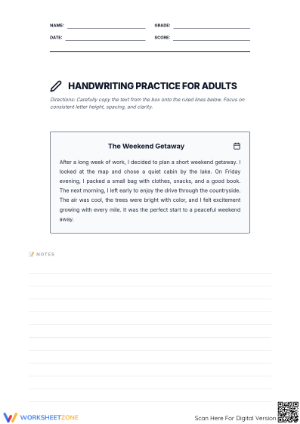
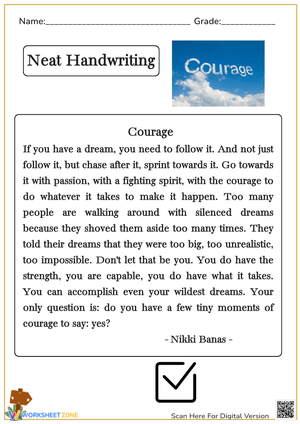
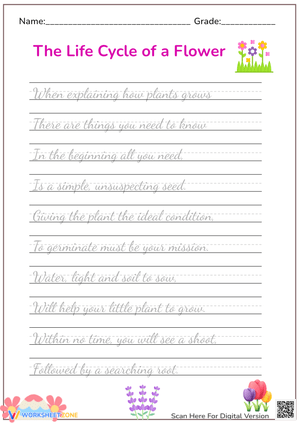
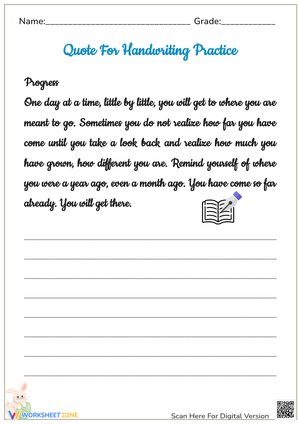
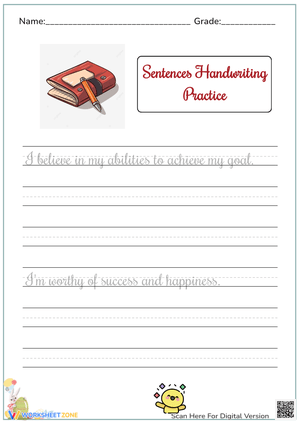
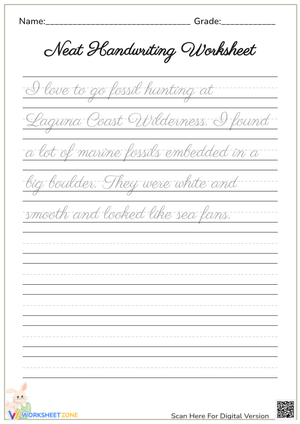
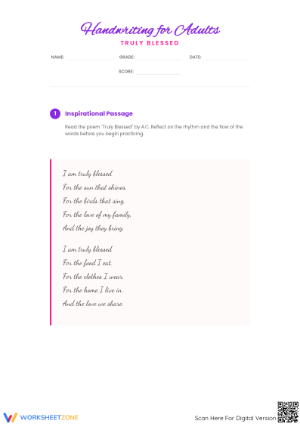
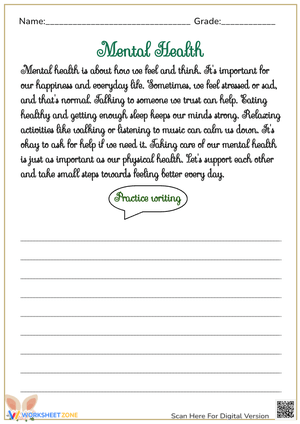
At this level, handwriting practice should feel mature and purposeful. Instead of tracing only basic letters, high school students benefit from sentence copying, paragraph practice, quote writing, academic vocabulary drills, and structured note-format exercises. Teachers can connect handwriting practice to literature, science, history, or test preparation by choosing passages that match current lessons. Students who want practical advice can also explore improving handwriting techniques to better understand posture, grip, spacing, writing rhythm, and consistency.
For classrooms, 10th grade handwriting worksheets can be used during warm-ups, study skills lessons, intervention periods, or independent practice time. The goal is not to make every student write in the same style, but to help each learner develop handwriting that is readable, comfortable, and efficient. Some students may need help with spacing between words, while others may need practice keeping letters on the line or maintaining consistent size. The improve handwriting worksheet collection offers practice options that can support different handwriting needs and learning goals.
Strong handwriting can still matter in high school, especially when students complete written responses, organize notebooks, annotate texts, or prepare for exams that require handwritten work. Clear writing helps teachers read responses more easily and helps students review their own notes with less confusion. With steady practice, 10th grade handwriting worksheets can turn messy or rushed writing into a more reliable academic tool, supporting both communication and study habits.
Frequently Asked Questions
Question 1: Why are 10th grade handwriting worksheets still useful for high school students?
10th grade handwriting worksheets are useful because many high school students still rely on handwritten notes, short responses, outlines, and classroom assignments. Even when digital tools are available, clear handwriting can help students organize ideas, review study notes, and communicate answers more effectively. These worksheets give students structured practice with spacing, letter consistency, line control, and writing fluency, which can improve both academic presentation and personal confidence.
Question 2: What skills should 10th grade handwriting practice focus on?
At the 10th grade level, handwriting practice should focus on readability, speed, spacing, consistency, and endurance. Students should practice writing full sentences and paragraphs rather than only individual letters. Useful activities may include copying academic passages, rewriting notes neatly, practicing vocabulary terms, writing quotes, and improving paragraph alignment. The goal is to help students write clearly and comfortably during real classroom tasks.
Question 3: How can teachers use 10th grade handwriting worksheets in class?
Teachers can use 10th grade handwriting worksheets during warm-ups, study skills sessions, intervention time, or quiet independent practice. They can also connect handwriting practice to current lessons by using subject-based sentences or vocabulary. For example, students might copy a historical quote, a science definition, or a literature passage. This makes handwriting practice feel more relevant and avoids the feeling of doing elementary-level drills.
Question 4: Can handwriting worksheets help students who write too slowly or messily?
Yes, consistent handwriting practice can help students who write too slowly, too messily, or with poor spacing. Worksheets can guide students to slow down at first, build better muscle memory, and gradually improve writing rhythm. Over time, students may become more comfortable writing longer responses without losing legibility. For best results, practice should be short, regular, and focused on one improvement goal at a time, such as spacing, letter size, or line control.