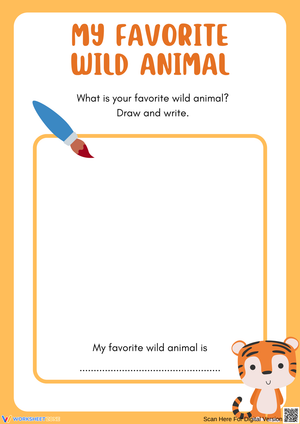
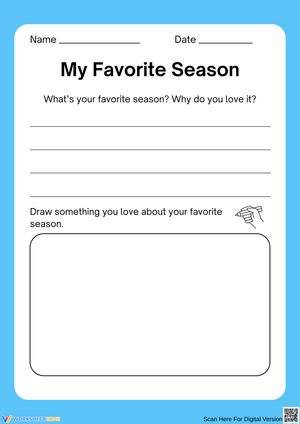
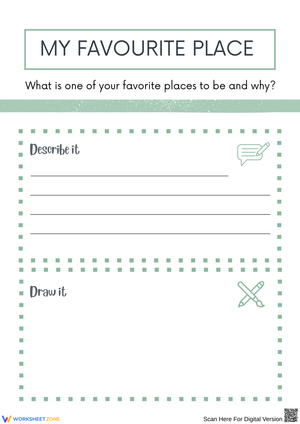
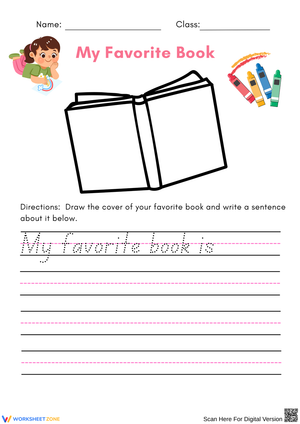
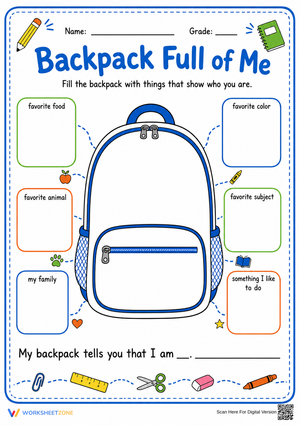
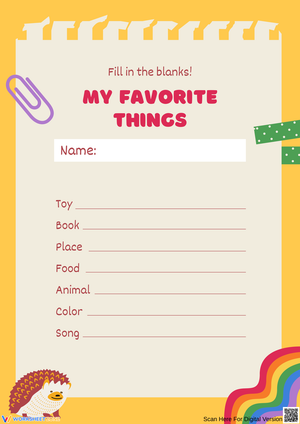
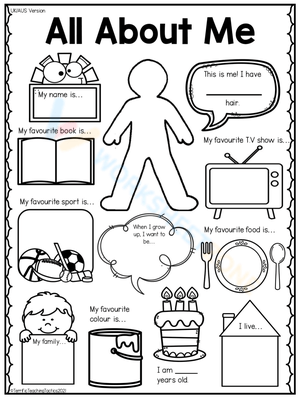
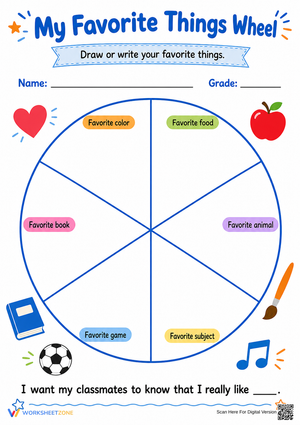
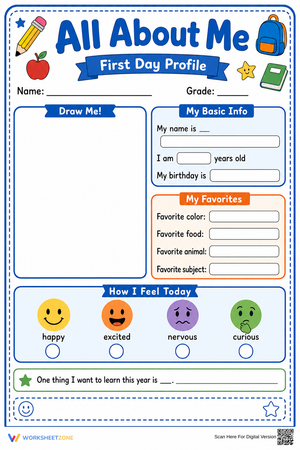
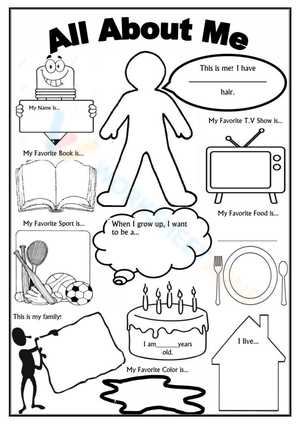
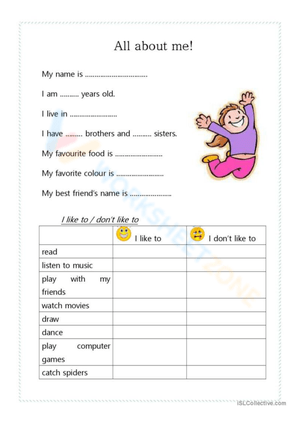
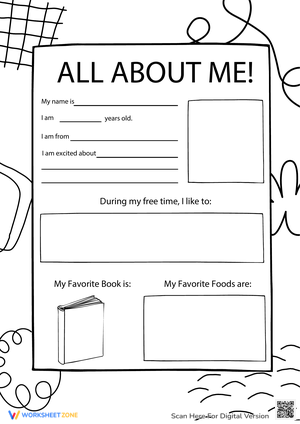
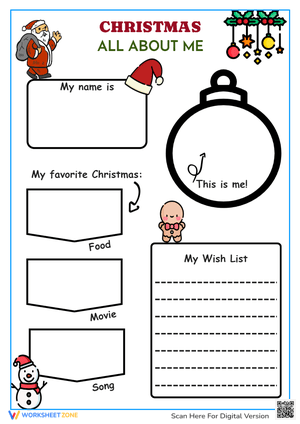
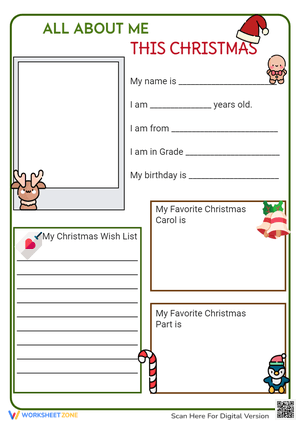
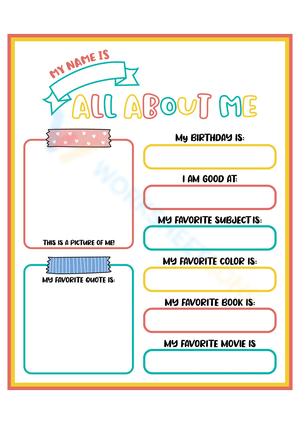
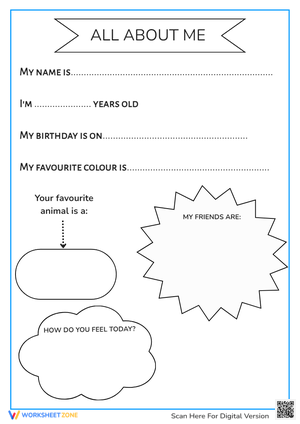
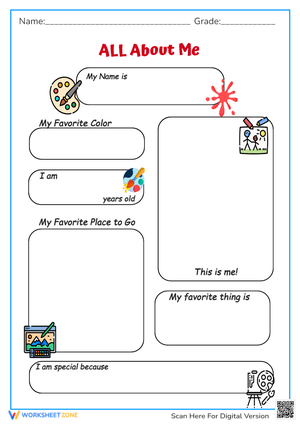
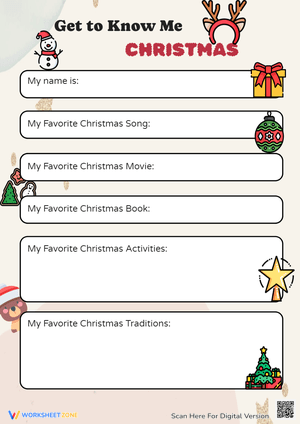
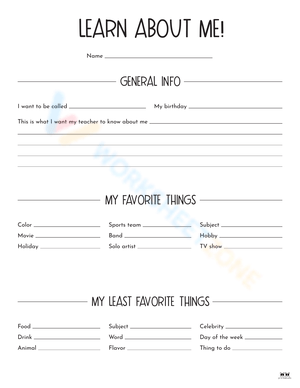
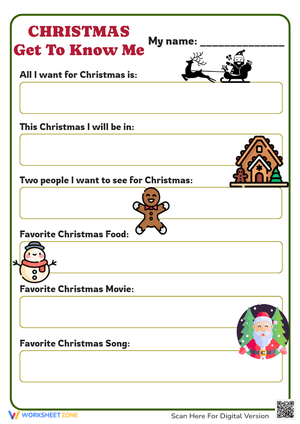
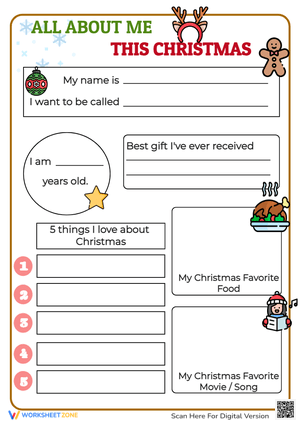
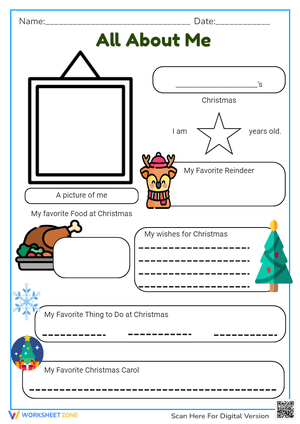
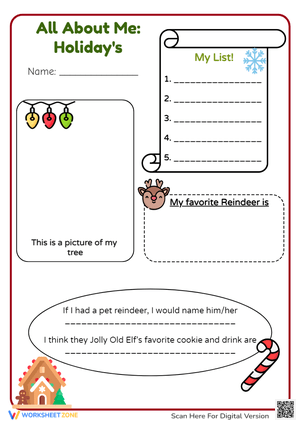
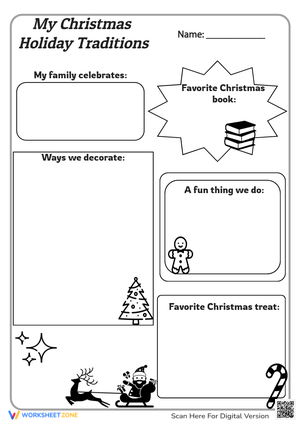
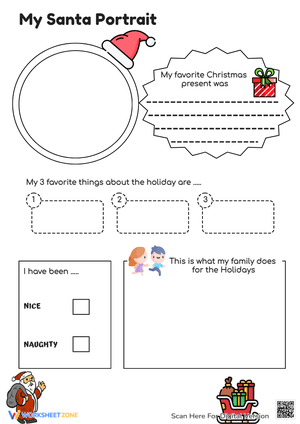
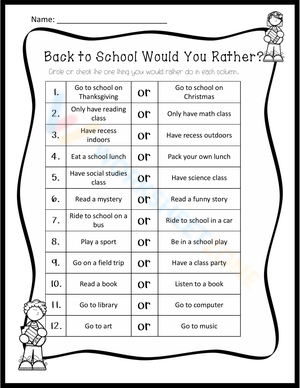
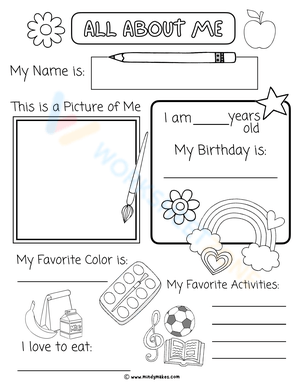
1st grade my favorites printable worksheets give teachers a direct entry point into opinion writing using topics every child already knows — a favorite animal, a favorite food, a season they look forward to, a color they always reach for. That built-in familiarity matters: when a first grader sits down to write about a genuine preference, the hard part of idea generation disappears, and the teaching can shift to structure — stating a choice and giving one reason why.
The Specific Skills These Worksheets Build
Each worksheet targets the core opinion writing moves expected at Grade 1: naming a topic, stating a preference, and supporting that preference with at least one reason. The prompts stay personal and concrete, which keeps the task appropriately narrow for six- and seven-year-olds who are still mapping written language onto spoken thought.
- Opinion statement practice: Students complete a sentence frame such as My favorite ___ is ___, learning to commit a choice to paper rather than just saying it aloud.
- Reason writing: The because ___ extension moves students from preference to explanation — the earliest form of persuasive support.
- Drawing as a prewriting step: Space for illustration comes before the writing lines. That sequencing helps students picture their idea before transcription demands take over.
- Primary handwriting lines: Wide-spaced lines sized for large print give early writers room to form letters without crowding.
- Repeated frame practice: Using the same opinion-plus-reason structure across different topics helps students internalize it until they no longer need the model to get started.
Opinion Writing at Grade 1 — Where These Prompts Fit
Opinion writing enters the standards at Kindergarten in its earliest form — drawing, labeling, and dictating. Grade 1 is where the expectation shifts to actual written sentences with at least one supporting reason. The "my favorites" prompt type is precisely calibrated to that transition. Students don't need background knowledge about an unfamiliar subject; they only need to access something they already prefer and then explain it. That keeps cognitive load at a manageable level when letter formation, phonics, and spacing still demand active attention on every line.
First graders also talk about preferences constantly. They have strong opinions about lunch choices, recess games, and read-aloud characters. Channeling that verbal energy toward a structured writing task — one with a clear frame and a short, achievable outcome — puts the skill exactly where it lives in everyday language. Teachers who have tried open-ended opinion prompts with beginning writers know the difference: "Write about something you like" produces much weaker results than "Tell me your favorite fruit and one reason why."
What First Graders Consistently Get Wrong in Opinion Tasks
The most common problem in Grade 1 opinion writing is not the opinion — it's the reason. Students write My favorite animal is a dog because I like dogs without recognizing that the reason simply restates the preference. This circular logic is nearly universal in early Grade 1, and it's worth naming explicitly during a share circle rather than just marking it on paper. Show two examples side by side: because I like dogs versus because they are soft and they play fetch with me. Students can hear the difference immediately, even when reproducing it takes several more attempts.
A second pattern shows up in actual student work regularly: a detailed, thoughtful drawing paired with a fragment or label on the writing lines — dog big or just my dog. The drawing energy is real and useful, but the transition to written sentence form is not automatic. During writing time, a quick conference question — "Can you read me your whole sentence?" — surfaces whether the student has the language but hasn't transferred it to print, or whether the sentence structure itself isn't there yet. Those are two different teaching moves, and the distinction matters for planning what comes next.
Building These Worksheets Into Your Weekly Lesson Plans
A 12-minute block works well for Grade 1: two minutes to read the prompt aloud and model a sentence ("My favorite season is winter because I love making snowballs"), three minutes of partner talk where each student says their full sentence before touching a pencil, five minutes of draw-then-write, and a final two minutes to share two or three examples and name strong reasons out loud. That sequence gives students oral rehearsal before written production, which consistently improves the quality of the written reason.
1st grade my favorites printable worksheets fit into several different spots across the week — Monday morning work to ease into writing after the weekend, a writing center rotation through midweek, or a quick check before Friday dismissal. Because the topic changes but the writing move stays the same, students gradually need less modeling. By the fourth or fifth worksheet in a unit, many first graders read the prompt, draw, and begin writing with minimal teacher direction. That shift is the instructional payoff of using a consistent structure across multiple topics over time.
Adjusting These Worksheets for a Range of Learners
Students who need more support do well when you add a word bank near the drawing space. For a favorite food worksheet, words like sweet, crunchy, cold, and salty give students vocabulary for their reason without requiring them to generate adjectives from scratch. Oral rehearsal before writing helps too: have the student say the full sentence twice, then ask them to begin. For some students, you write the opinion statement while they focus all their effort on the reason — splitting the task makes both parts more achievable. English learners benefit especially from familiar topics paired with topic-related pictures near the prompt, since the images connect vocabulary to the task before any writing begins.
For students who finish quickly and write a solid opinion-plus-reason, the extension is simple: add a second reason, or write a comparison sentence — My favorite book is ___ because ___ and it is better than ___ because ___. That structure introduces comparative opinion writing that appears in later grades, without pushing first graders outside what the format can hold. 1st grade my favorites printable worksheets lend themselves to this kind of quick extension because the prompt is already concrete and personal — there is always more a student can say about something they genuinely care about.
Frequently Asked Questions
What writing standard do these worksheets address?
These worksheets address CCSS W.1.1, which asks first graders to introduce a topic, state an opinion, supply a reason, and provide some sense of closure. "My favorites" prompts hit the first three parts of that standard directly. The topic is the favorite (food, animal, season, and so on), the opinion is the stated preference, and the reason follows the because frame. Closure at Grade 1 is typically a simple sentence or a repeated phrase, which the worksheet format naturally prompts.
Can these be used with students who are not yet writing full sentences?
Yes. For pre-conventional writers, the drawing space carries real instructional weight. A student can illustrate a favorite animal in detail, label parts with beginning sounds, and dictate the reason to a teacher or aide. The worksheet still serves its purpose — the student practiced making and explaining a choice — even if the written output is minimal. That also gives you a useful baseline to track growth when the same student returns to a similar prompt a few weeks later.
How do teachers use these in centers or for morning work?
In a writing center, place one themed worksheet alongside crayons, pencils, and a short word bank. Students can work independently because the format is familiar and the prompt is self-explanatory after a few whole-group uses. For morning work, the draw-then-write sequence settles students quickly — drawing gives them something purposeful to do while others are still arriving, and the writing lines are there when they're ready. Keep the topic accessible enough that students can complete the worksheet without asking for help, which keeps the morning transition smooth.
How often should teachers use these in a writing unit?
1st grade my favorites printable worksheets work best when used two or three times per week across a two- to three-week opinion writing unit. That gives students enough repetition to internalize the opinion-reason structure without wearing out the format. After the unit, the same skills transfer into more demanding tasks where the topic is less personal and the written support structure is less explicit — and students carry the habit of stating a choice and backing it up.












 Interactive Worksheet Maker
 Quiz Maker
 Word Search Maker
 Crossword Puzzle Maker
 Word Scramble Generator
 Sentence Scramble Generator
 Handwriting Worksheet Generator
 Name Tracing Generator
 Fill In The Blank Generator