


























Views
Downloads
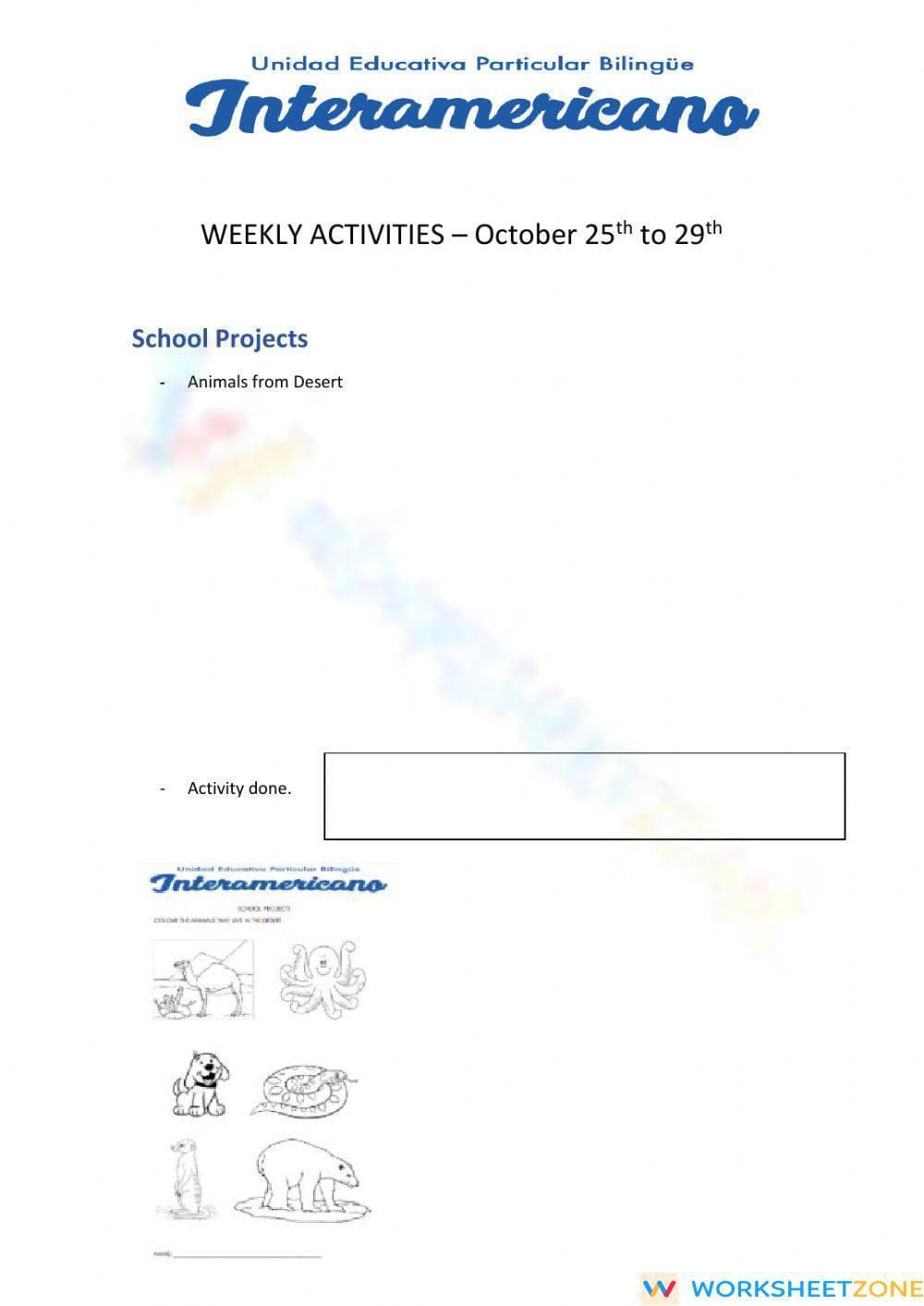



Essential Weekly ELA Activities Packet | Grades K-1
Paste this activity's link or code into your existing LMS (Google Classroom, Canvas, Teams, Schoology, Moodle, etc.).
Students can open and work on the activity right away, with no student login required.
You'll still be able to track student progress and results from your teacher account.
A Week of Foundational Skills in One Packet
This comprehensive weekly packet provides Kindergarten and first-grade students with structured practice in foundational ELA, Math, and social-emotional skills. By integrating letter recognition, vowel teams, and positional concepts into one resource, it streamlines instruction and ensures students build literacy confidence through engaging, visual-heavy tasks that reinforce core curriculum goals.
At a Glance
- Grade: K – 1 · Subject: ELA & Math
- Standard:
CCSS.ELA-LITERACY.RF.K.2— Demonstrate understanding of spoken words, syllables, and sounds (phonemes) through active practice.- Skill Focus: Letter M, "oa" Vowel Team, Positional Words
- Format: 6 pages · 15+ activities · No answer key · PDF
- Best For: Zero-prep weekly homework or sub plans.
- Time: 45–60 minutes
What's Inside
This six-page printable packet is packed with diverse activities designed for young learners. It includes a focused exploration of the letter 'M' with visual identification and tracing, a phonics section focused on the 'oa' vowel team with word-to-picture matching, and a math component targeting the concepts of 'in front' and 'behind'. Additionally, it features a social-emotional sorting activity for healthy habits and a creative fine arts mouse craft project.
Zero-Prep Workflow
The zero-prep workflow for this packet is designed to save teachers valuable instructional time. First, print the six-page PDF (under 1 minute). Second, distribute the packet to students as a weekly take-home resource or literacy center rotation (under 1 minute). Third, review the completed visual tasks for a quick formative assessment of phonemic awareness. Total teacher preparation time is less than two minutes, making it an ideal choice for busy classrooms or emergency substitute plans.
Standards Alignment
This resource is primarily aligned with CCSS.ELA-LITERACY.RF.K.2, supporting students as they demonstrate understanding of spoken words and phonemes. It specifically targets letter-sound correspondence and vowel team recognition. Furthermore, the math activities align with CCSS.MATH.CONTENT.K.G.A.1 by helping students describe the relative positions of objects. Both standard codes can be copied directly into lesson plans, IEP goals, or district curriculum mapping tools.
How to Use It
Use this packet as a "Monday-to-Friday" homework sequence, assigning one page per night to reinforce daily classroom instruction. Alternatively, place individual pages in literacy and math centers for independent exploration. During center time, observe how students handle the 'oa' sound tracing to identify those who may need additional scaffolding with vowel team phonics. The variety of tasks ensures students remain engaged throughout the week.
Who It's For
This packet is designed for Kindergarten and early first-grade students, particularly those who benefit from multi-modal learning. The heavy use of visual cues and tracing supports makes it an excellent resource for English Language Learners (ELLs) and students with fine motor goals. It pairs naturally with letter-of-the-week anchor charts or a read-aloud about desert animals, providing a cohesive thematic link for classroom projects.
Consistent, multi-faceted practice is essential for stabilizing foundational literacy in the early grades. Research from EdReports 2024 indicates that high-quality, aligned materials that integrate phonological awareness with phonics are key to closing the achievement gap in early reading. This weekly packet directly addresses CCSS.ELA-LITERACY.RF.K.2 by providing repeated exposure to phonemes and letter-sound relationships within a structured, student-friendly format. The inclusion of cross-curricular elements like math and health reflects the holistic approach recommended by Fisher & Frey (2014), ensuring that students develop a broad range of skills while maintaining a focus on core literacy goals. By utilizing a "print-and-go" model, teachers can provide high-utility practice without the burden of complex setup, allowing more time for direct student intervention and small-group support during the instructional block.


