


























Views
Downloads
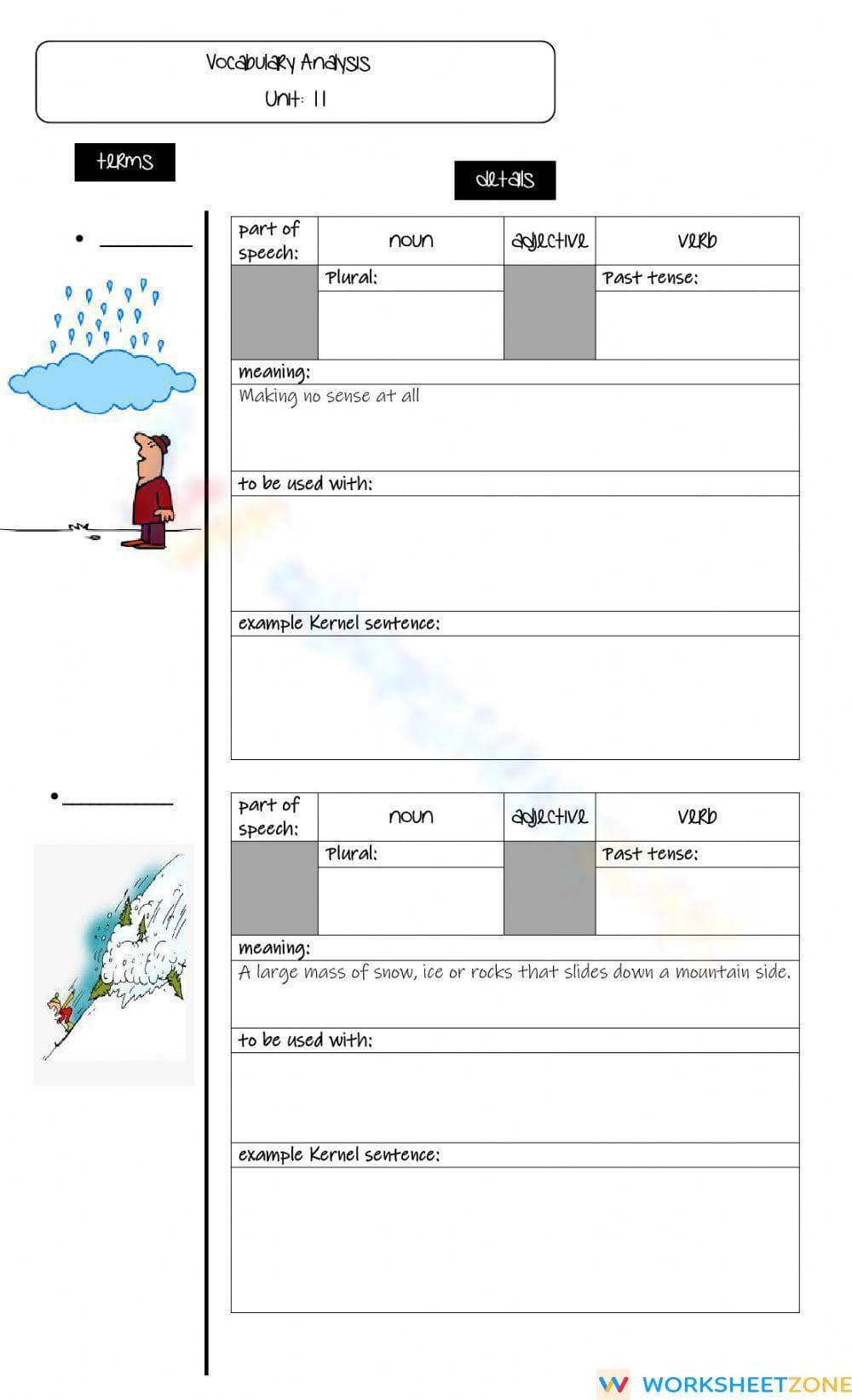
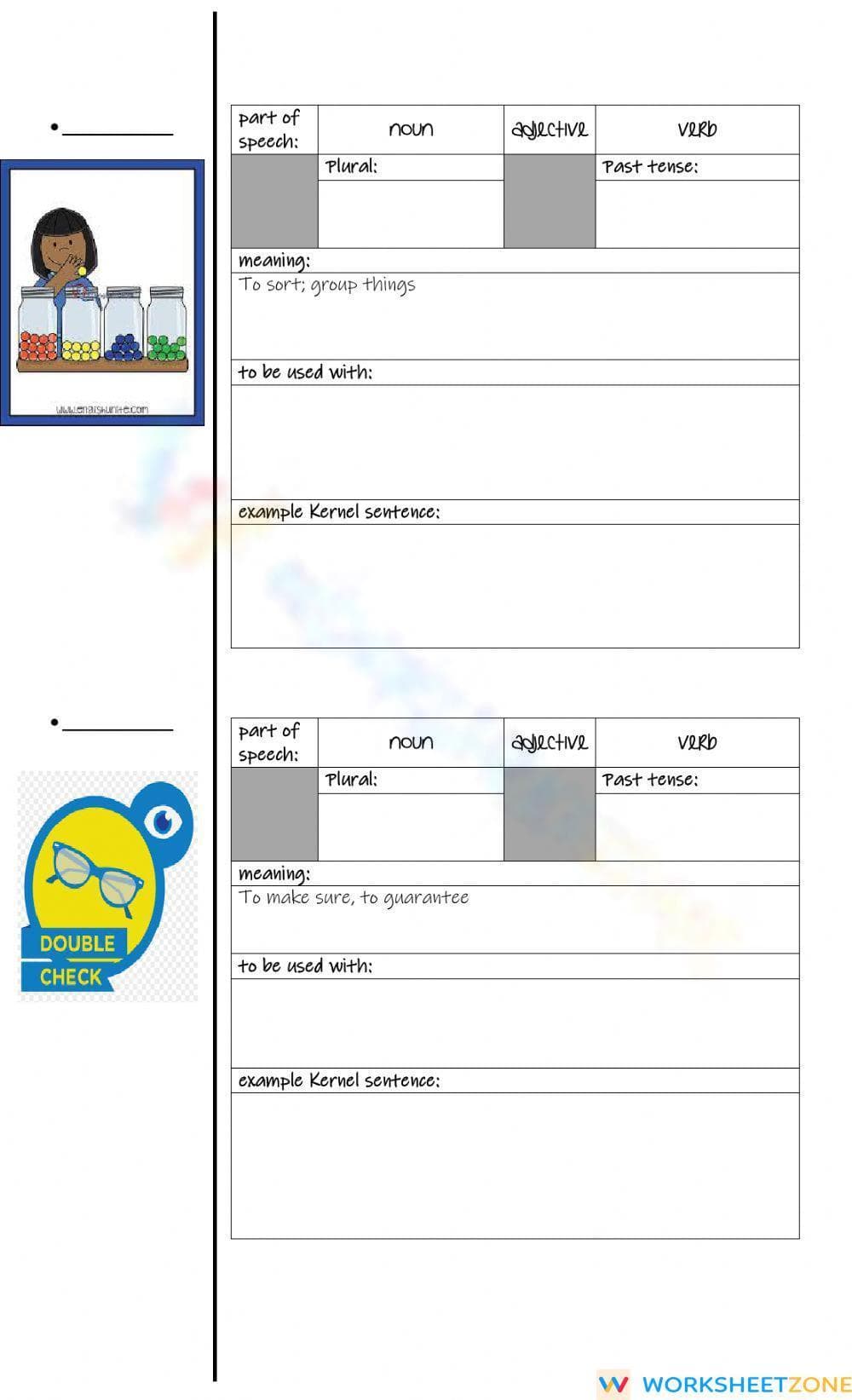
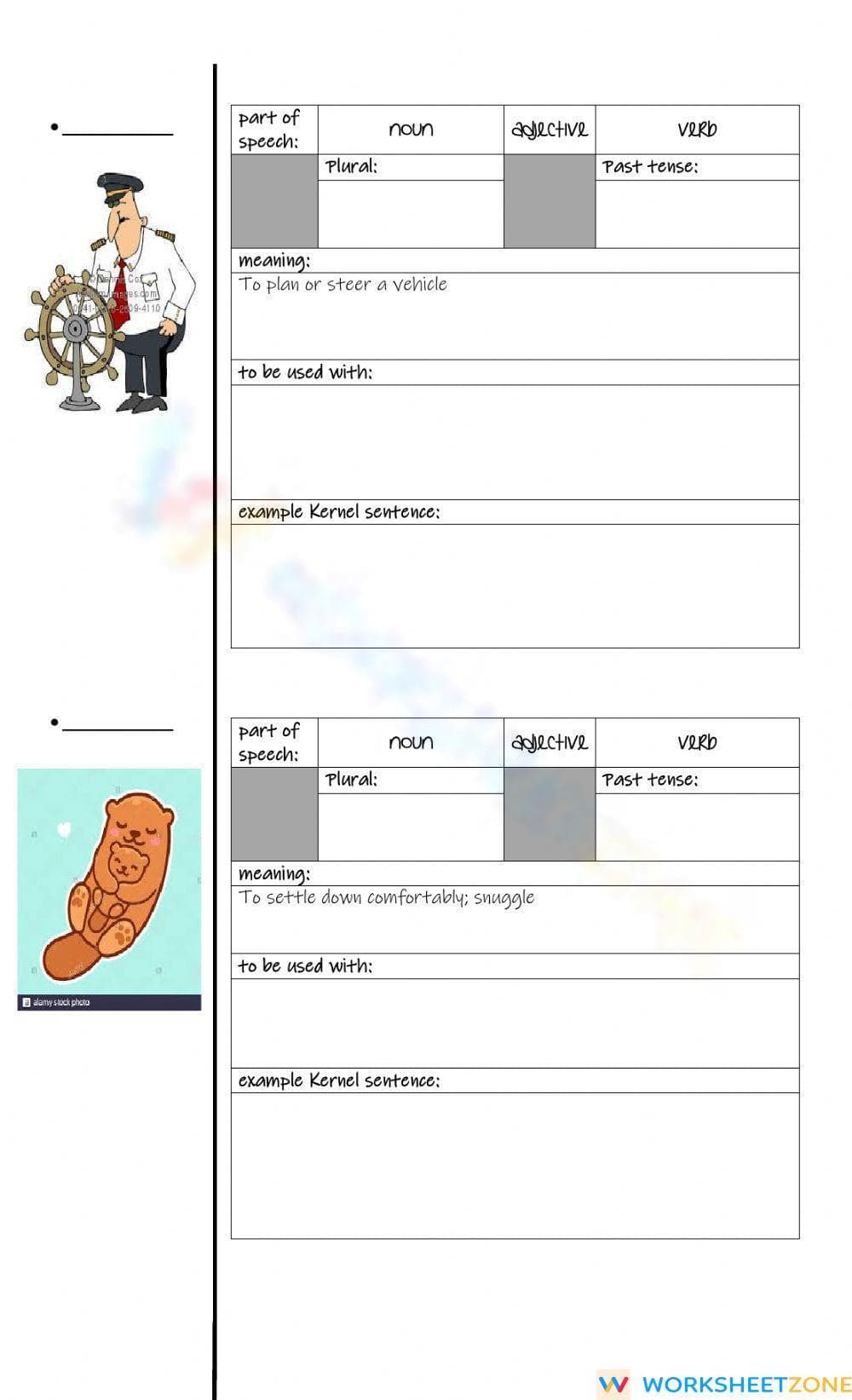
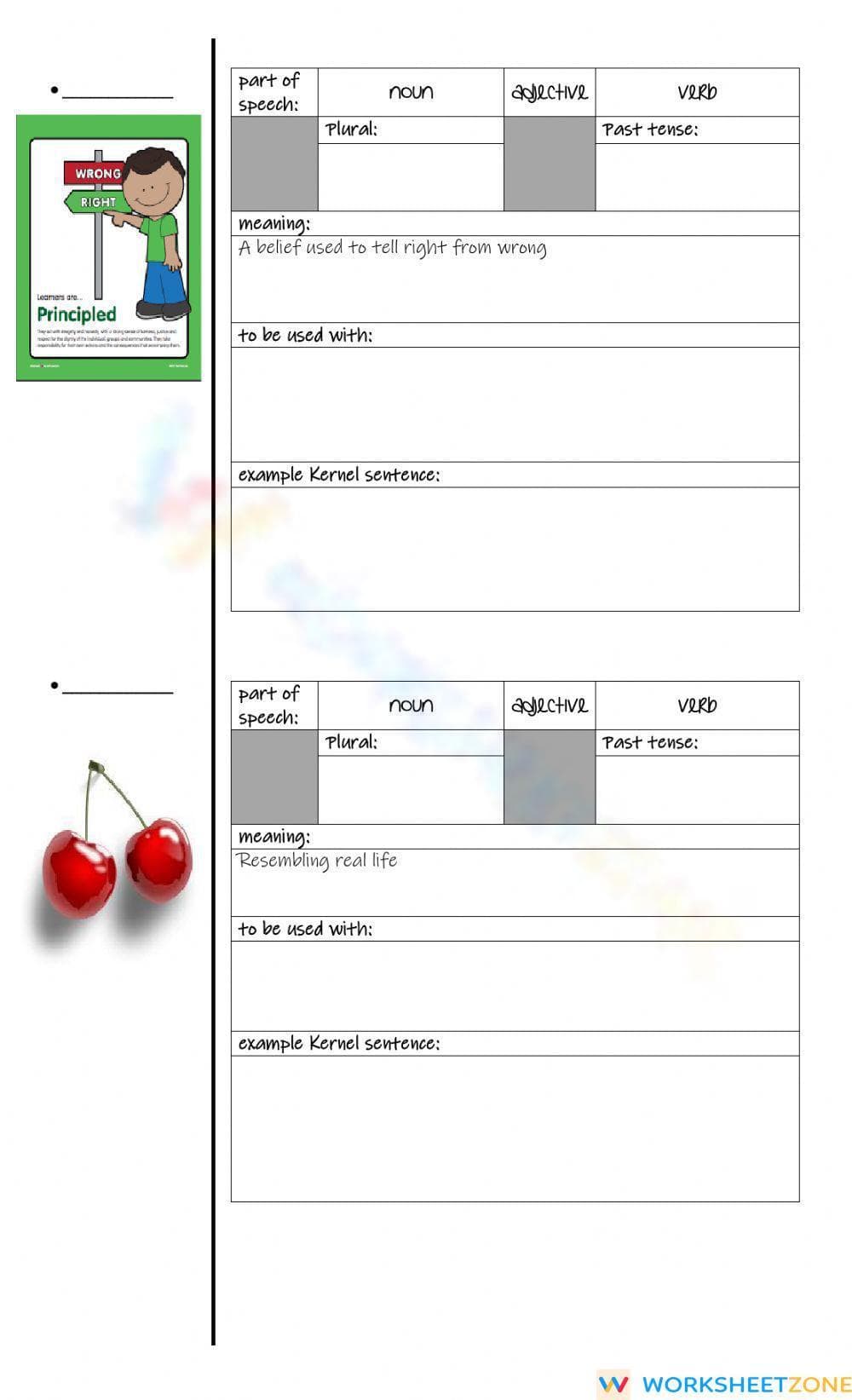
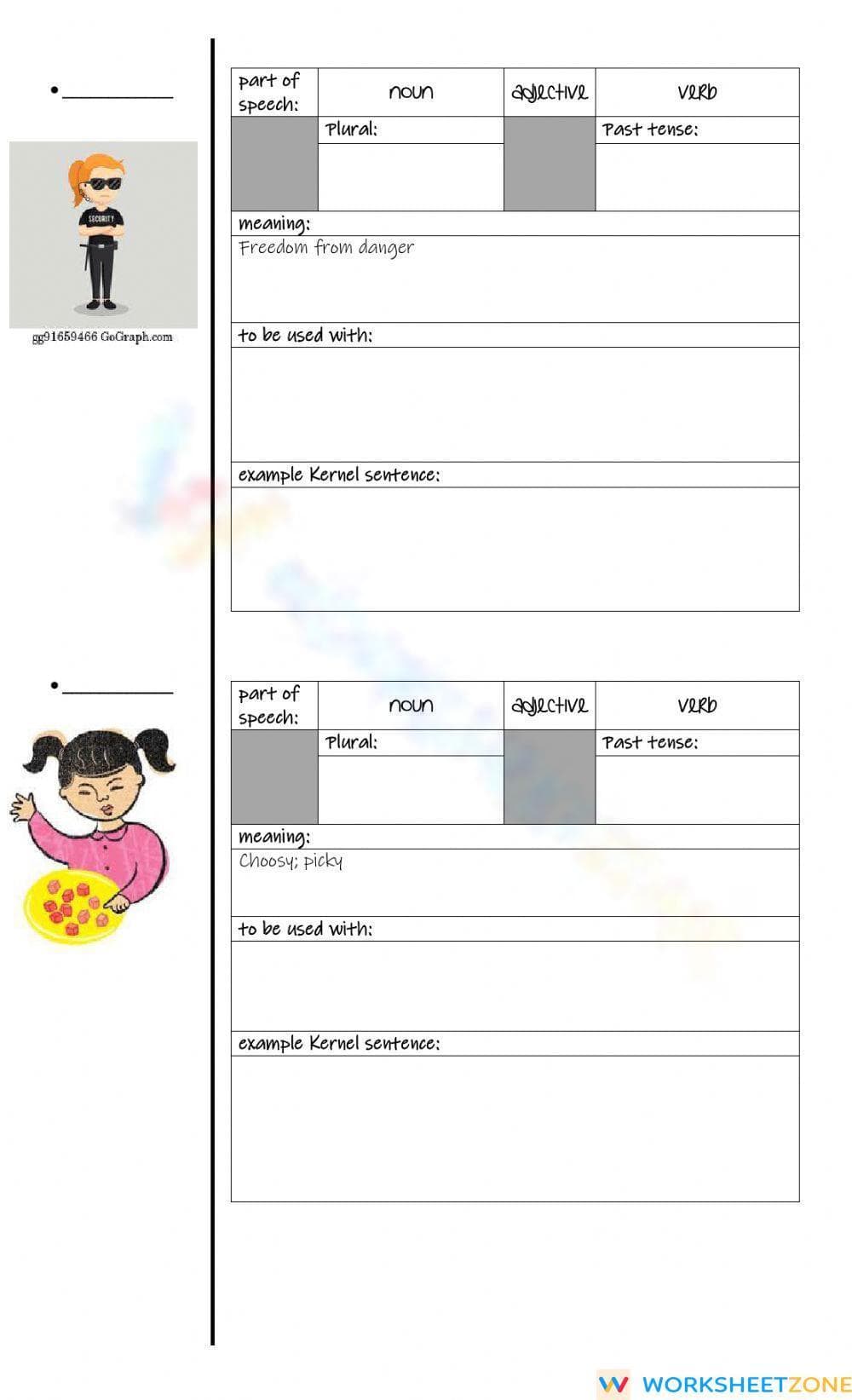
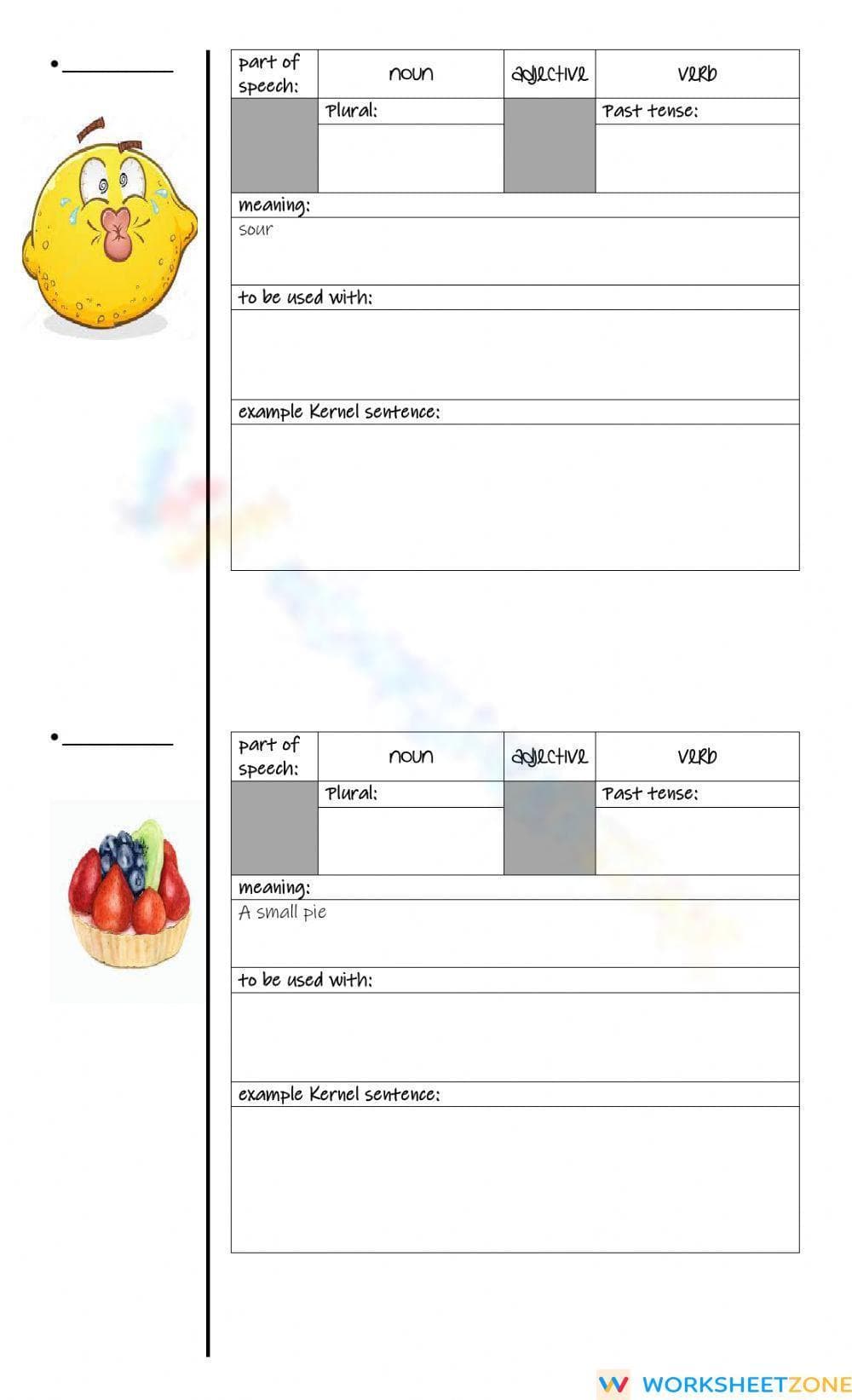
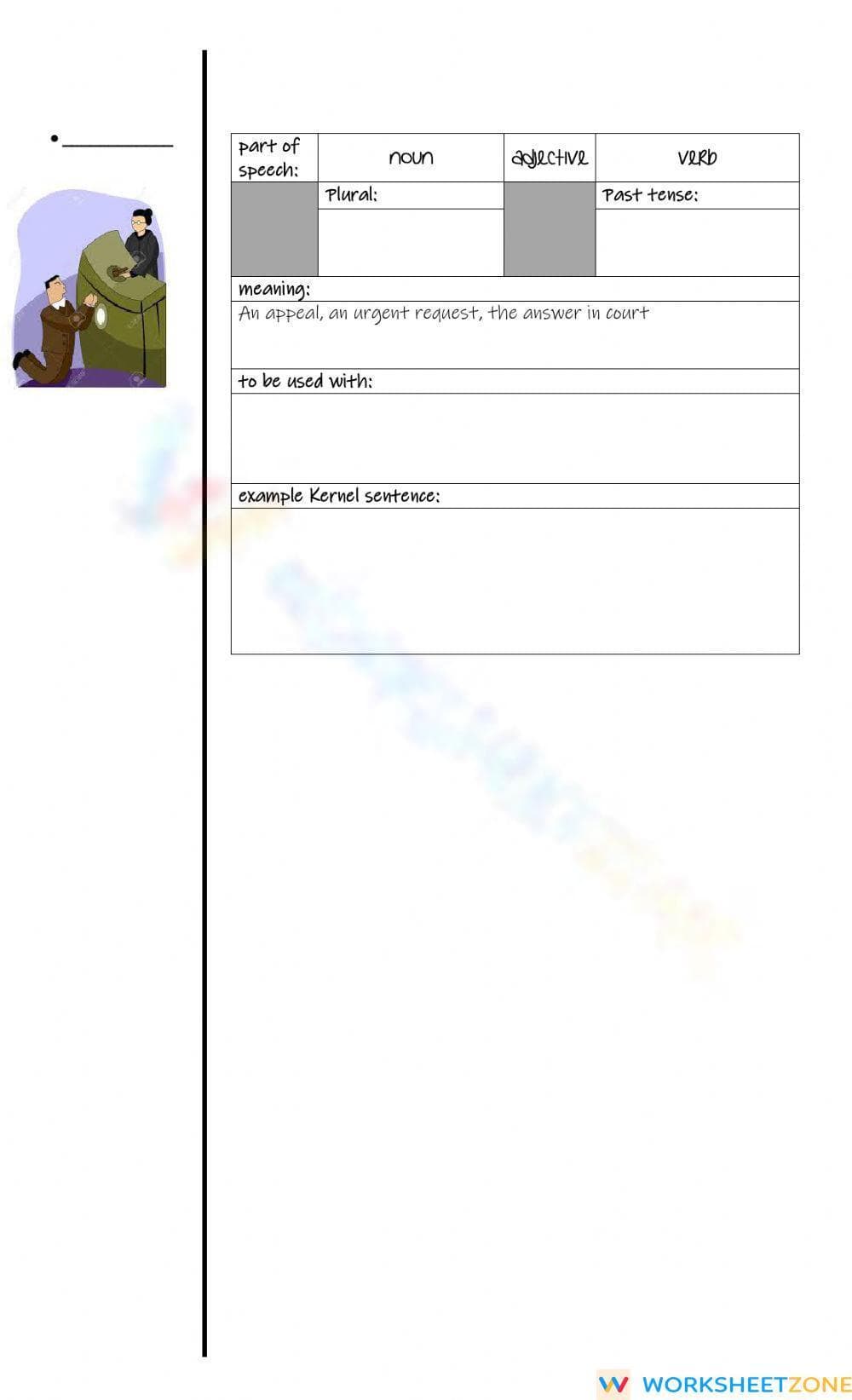

Essential Vocabulary Analysis Worksheet | Grade 6 ELA
Paste this activity's link or code into your existing LMS (Google Classroom, Canvas, Teams, Schoology, Moodle, etc.).
Students can open and work on the activity right away, with no student login required.
You'll still be able to track student progress and results from your teacher account.
Master Vocabulary with a Structured Approach
This vocabulary analysis worksheet provides Grade 6 students with focused practice on deconstructing new words. Through a structured graphic organizer, learners will analyze 13 different vocabulary terms, examining their part of speech, meaning, and use in context. It's an effective tool for building a deeper understanding of academic language and is perfect for any middle school ELA class.
At a Glance
- Grade: 6 · Subject: English Language Arts (ELA)
- Standard:
CCSS.ELA-LITERACY.L.6.4— Determine the meaning of words and phrases as they are used in a text.- Skill Focus: Vocabulary Word Analysis
- Format: 7 pages · 13 problems · PDF
- Best For: Independent practice, vocabulary station, word study
- Time: 25–40 minutes
What's Inside
This seven-page PDF resource contains a comprehensive vocabulary analysis worksheet. It features 13 structured graphic organizers for students to analyze individual vocabulary words. Each organizer prompts students to identify the word's part of speech (noun, adjective, verb), its plural or past-tense form, provide a definition, and construct an original example sentence. The clean layout provides ample space for student writing.
A Clear Path to Word Mastery
This worksheet supports a gradual release model for word analysis.
- Guided Practice: Begin by modeling how to complete the organizer for the first word with the whole class, using a think-aloud to explain the process of defining and categorizing the word.
- Supported Practice: Have students work in pairs to complete the next few words, collaborating on definitions and sentences while the teacher provides support and checks for understanding.
- Independent Practice: Students then apply the skill independently to the remaining words, demonstrating their ability to analyze vocabulary on their own. This I Do, We Do, You Do approach ensures learner success.
Standards Alignment
This worksheet aligns with CCSS.ELA-LITERACY.L.6.4, which requires students to determine the meaning of unknown words based on grade 6 reading. The tasks support sub-skill L.6.4.c, consulting reference materials to find a word's meaning or part of speech. The standard code can be copied directly into lesson plans, IEP goals, or district curriculum mapping tools.
How to Use It
This resource is flexible. Use it after direct instruction for vocabulary practice or as a weekly word study station. For formative assessment, check the quality of student-written sentences to gauge their depth of understanding. A few words can be completed in a 25-minute session, or the entire worksheet over a week, making it easy to fit into your schedule.
Who It's For
Designed for middle school students (Grades 5-8) building academic vocabulary, the repetitive structure benefits all learners, including ELLs. For support, provide a word bank or student dictionary. Pair this activity with a reading passage where students first encounter the target vocabulary words in context to create a rich learning experience.
Building strong vocabulary is a cornerstone of literacy, directly impacting reading comprehension and academic success. This worksheet for CCSS.ELA-LITERACY.L.6.4 moves students beyond rote memorization, asking them to engage in deep word analysis. By identifying parts of speech, defining terms, and using words in context, students develop morphological and semantic awareness. Research consistently shows that such explicit vocabulary instruction is highly effective. As noted by Fisher & Frey (2014), robust vocabulary knowledge is a key differentiator in student performance across all subject areas. This structured practice provides a reliable method for helping students acquire and retain complex, grade-level vocabulary, giving them the tools to access more challenging texts. The task of writing an original sentence requires students to fully process and own the word’s meaning, a critical step toward mastery.


