


























Views
Downloads

Essential Periodic Table Review | Grade 9-12 Science
Paste this activity's link or code into your existing LMS (Google Classroom, Canvas, Teams, Schoology, Moodle, etc.).
Students can open and work on the activity right away, with no student login required.
You'll still be able to track student progress and results from your teacher account.
This comprehensive periodic table review packet provides high school students with 100 structured problems to master atomic structure and chemical trends. Students will classify elements, map atomic components, and predict properties using the periodic table as a predictive model. This resource ensures learners can confidently identify element families and understand the significance of electron configurations in chemical reactivity.
At a Glance
- Grade: 9–12 · Subject: Chemistry
- Standard:
HS-PS1-1— Predict element properties based on periodic table patterns and electron configurations- Skill Focus: Atomic structure and trends
- Format: 10 pages · 100+ problems · Answer key included · PDF
- Best For: Comprehensive unit review, test prep, or emergency sub plans
- Time: 60–90 minutes
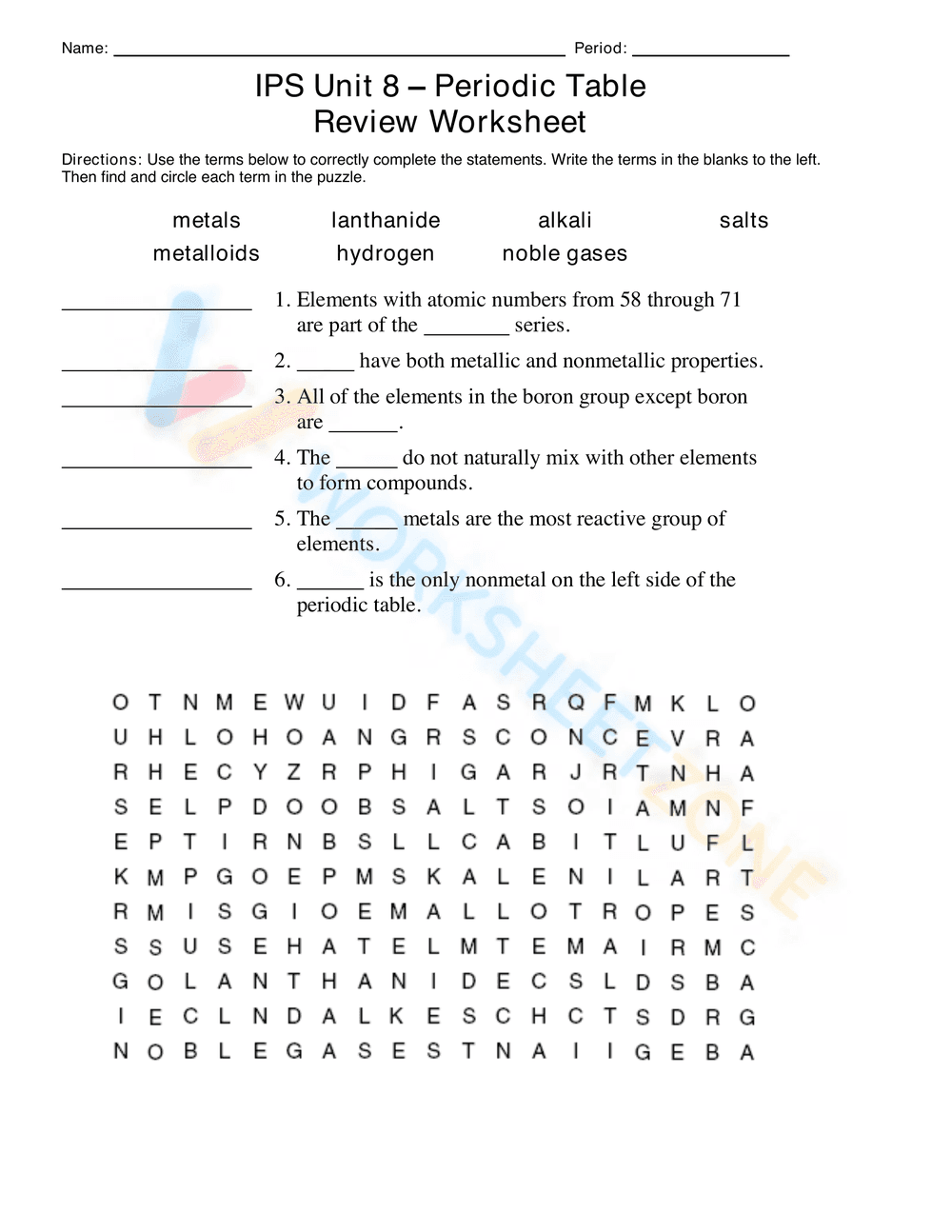
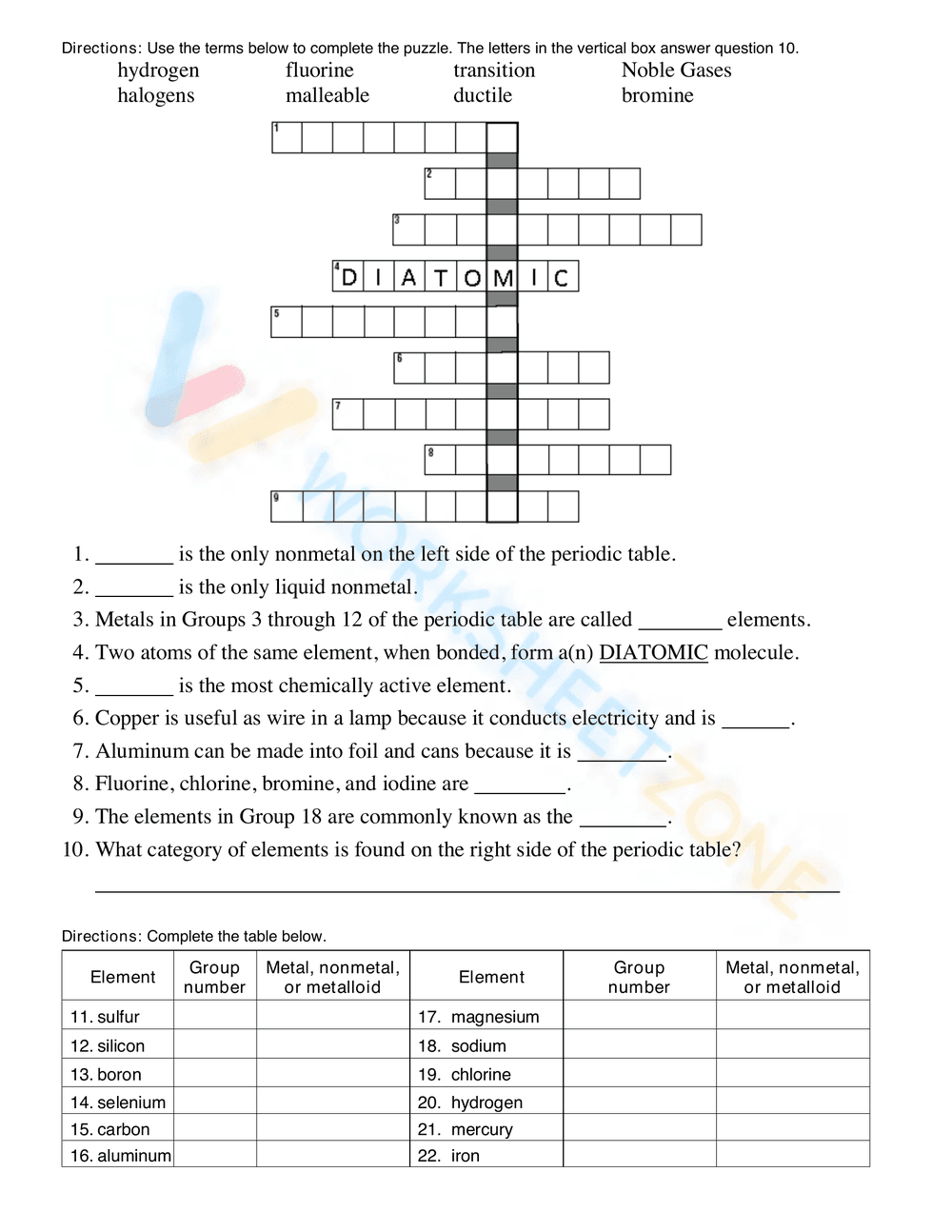
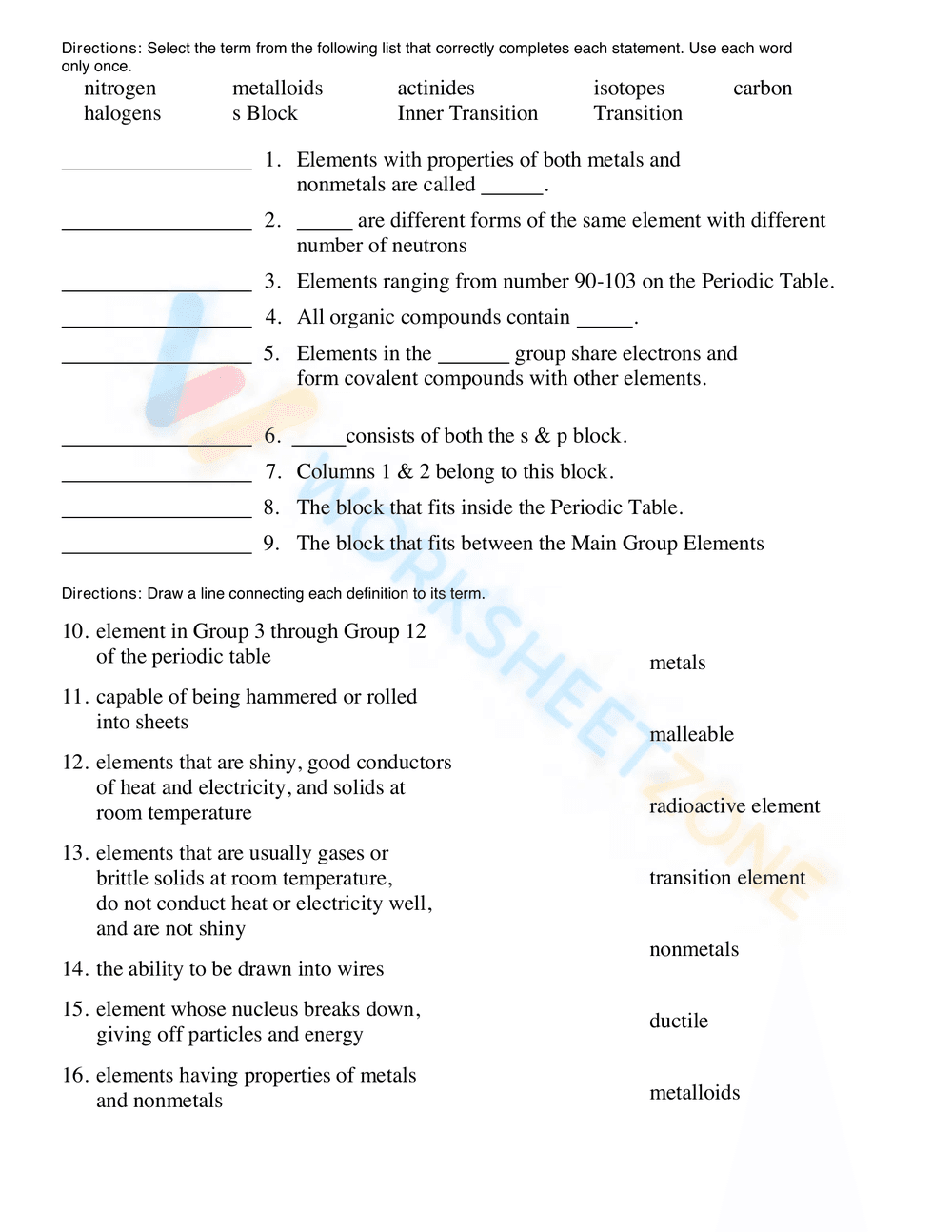
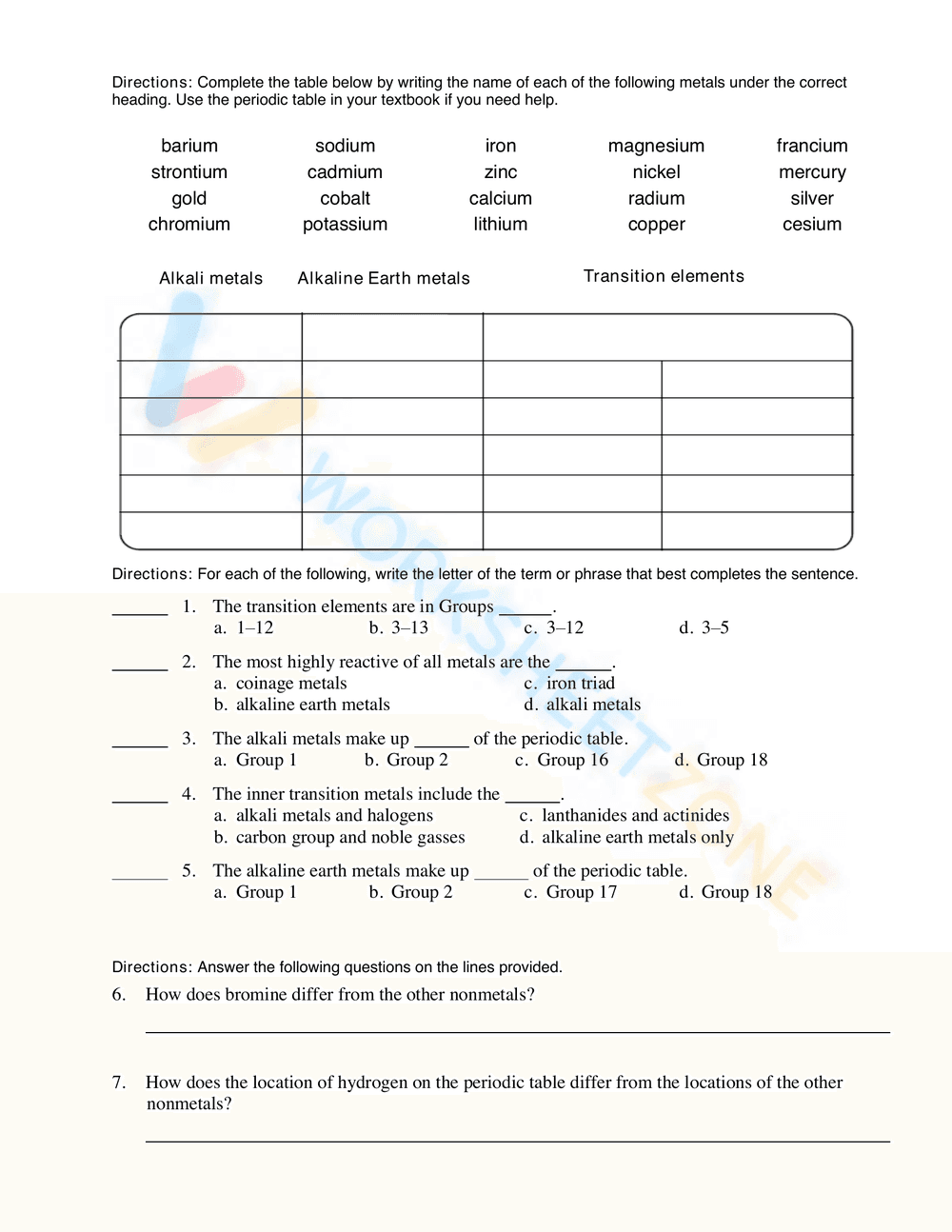
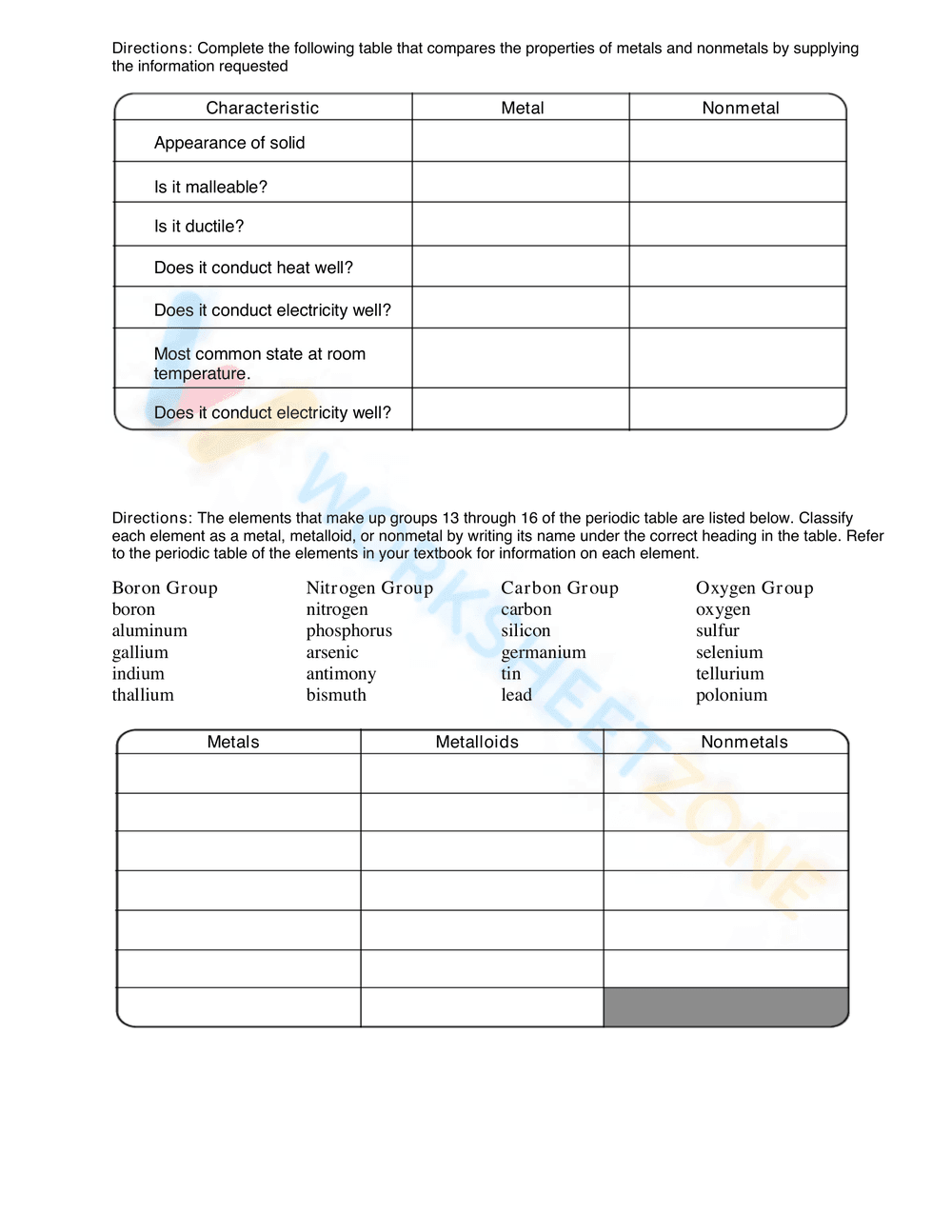
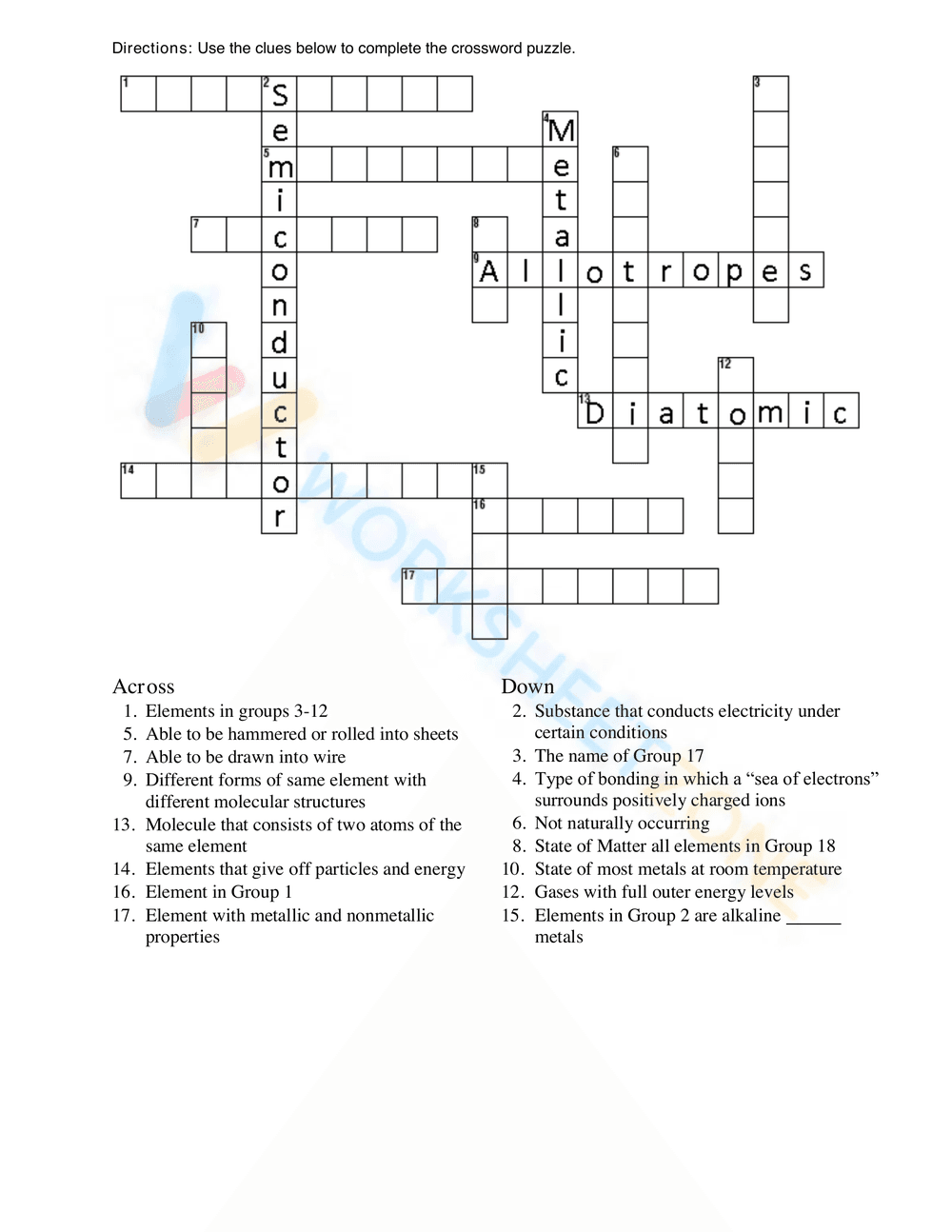
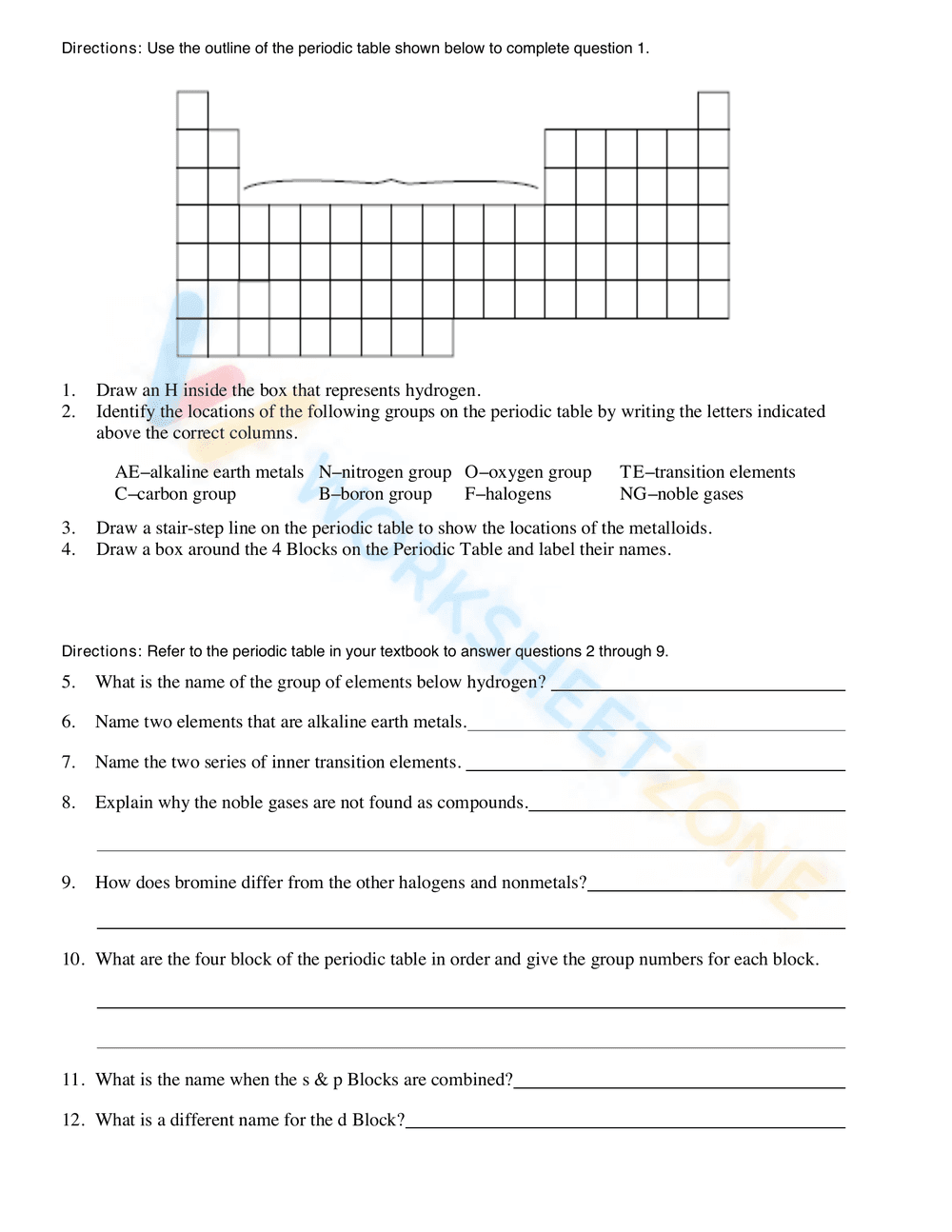
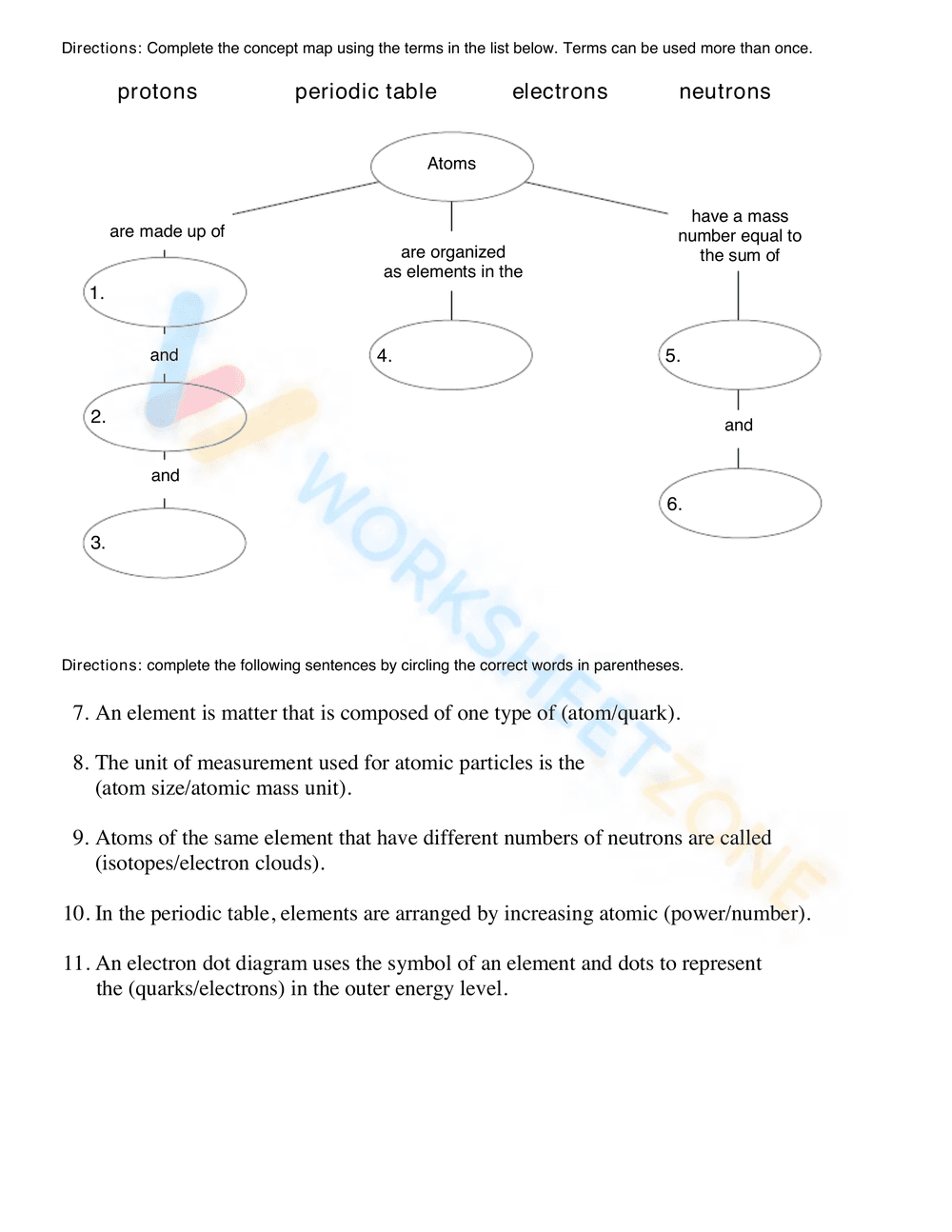
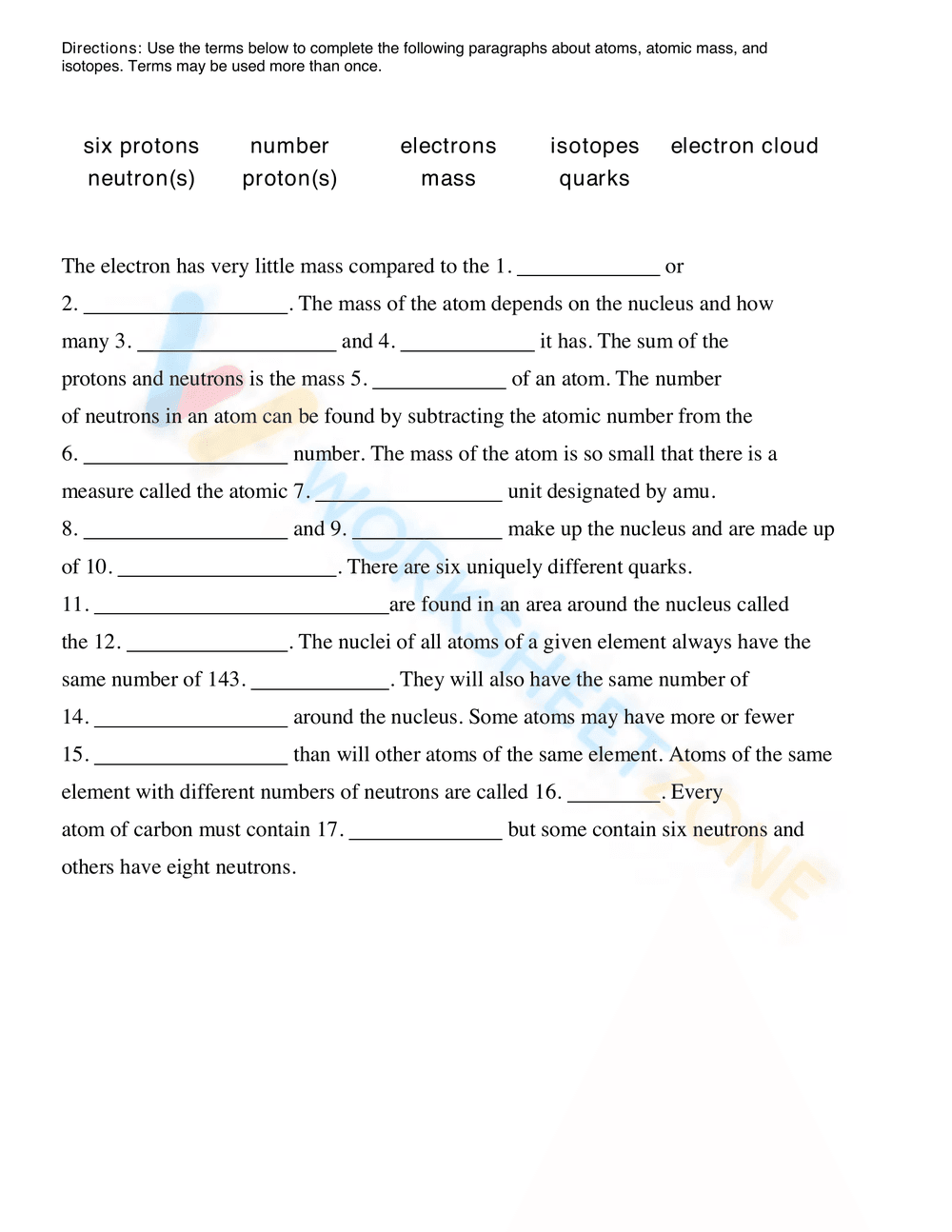
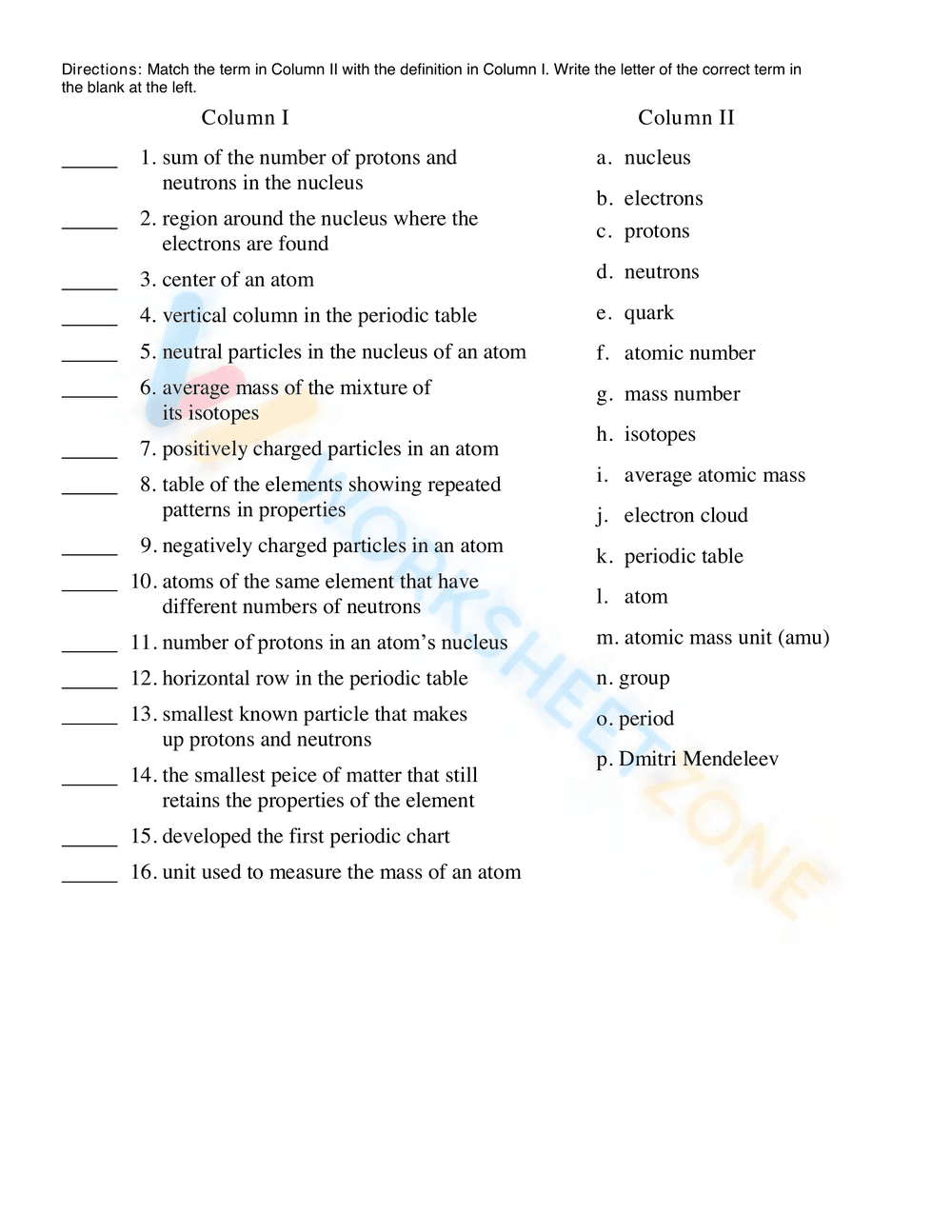
This 10-page chemistry packet contains a diverse array of assessment tools designed to evaluate student understanding. Inside, you will find a word search for vocabulary reinforcement, a complex crossword puzzle, classification tables for metals and nonmetals, and a detailed concept map for atomic structure. The resource also includes electron dot diagram practice and short-answer prompts regarding periodic trends and element families.
The workflow for this resource is designed for maximum efficiency in busy classrooms. First, print the 10-page PDF packet, which takes approximately 30 seconds. Second, distribute the materials to students for a self-paced review session that requires no additional teacher setup. Finally, review the completed tasks using a projected answer key to provide immediate feedback. Total teacher prep time is under 2 minutes, making it an ideal emergency sub plan.
The primary focus of this worksheet is `HS-PS1-1`, which requires students to use the periodic table as a model to predict the relative properties of elements based on the patterns of electrons in the outermost energy level of atoms. It also supports middle school foundations by reinforcing the organization of the table. Both standard codes can be copied directly into lesson plans, IEP goals, or district curriculum mapping tools.
Use this packet as a summative review at the conclusion of your chemistry unit to identify remaining misconceptions before a high-stakes exam. Alternatively, assign specific pages as formative checks during direct instruction on atomic blocks or element families. Teachers should observe student progress on the concept maps to gauge their ability to link subatomic particles to mass numbers. Completion typically requires 60 to 90 minutes.
This resource is tailored for high school chemistry students in grades 9 through 12, including those in honors or introductory physical science courses. The variety of task types provides natural differentiation for students with different learning styles. It pairs well with a standard periodic table reference sheet or a classroom anchor chart detailing the specific properties of alkali and alkaline earth metals.
According to Fisher & Frey (2014), the use of varied graphic organizers and structured review tasks, such as those found in this HS-PS1-1 aligned resource, significantly enhances the retrieval of complex scientific concepts. This 10-page packet utilizes crosswords, concept maps, and classification tables to reinforce the relationship between atomic structure and periodic trends. By engaging with multiple modalities, students move beyond rote memorization toward a functional understanding of chemical properties. Research indicates that such comprehensive review cycles are critical for long-term retention in high school chemistry. The inclusion of specific tasks on isotopes, electron blocks, and reactivity patterns ensures that learners meet the rigorous demands of modern science standards. This resource provides the necessary repetition and cognitive variety to support diverse learners in mastering the intricacies of the periodic table before summative assessments.


