


























Views
Downloads


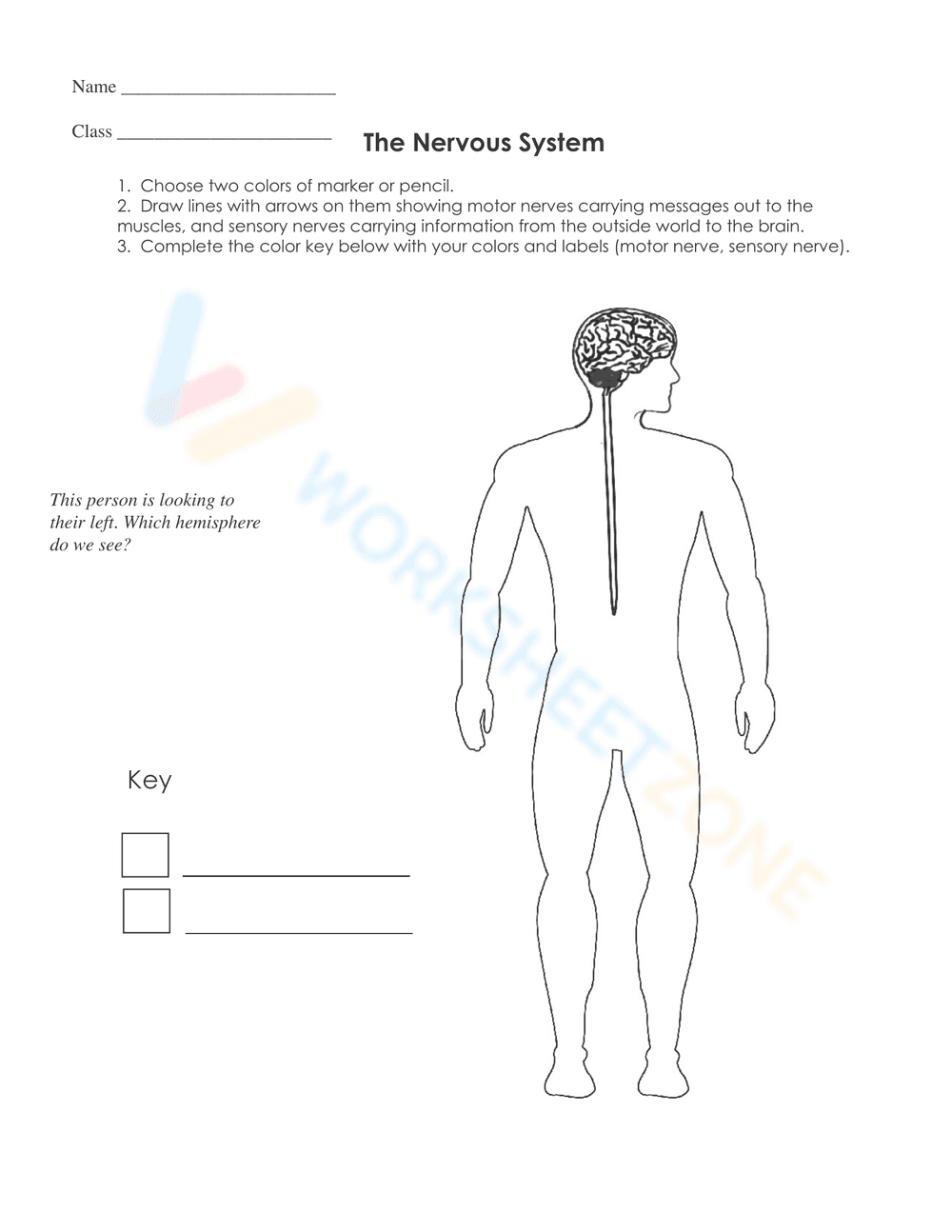
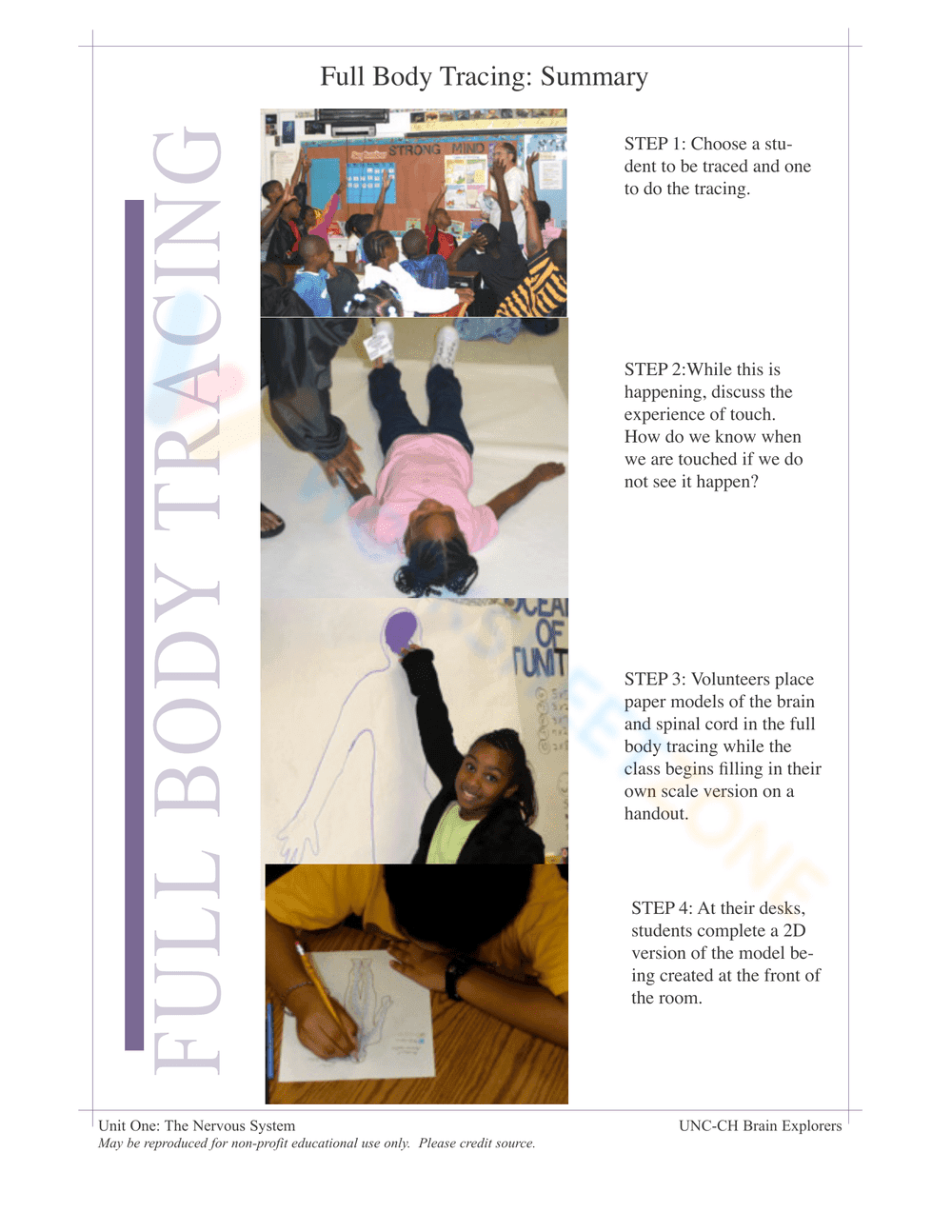
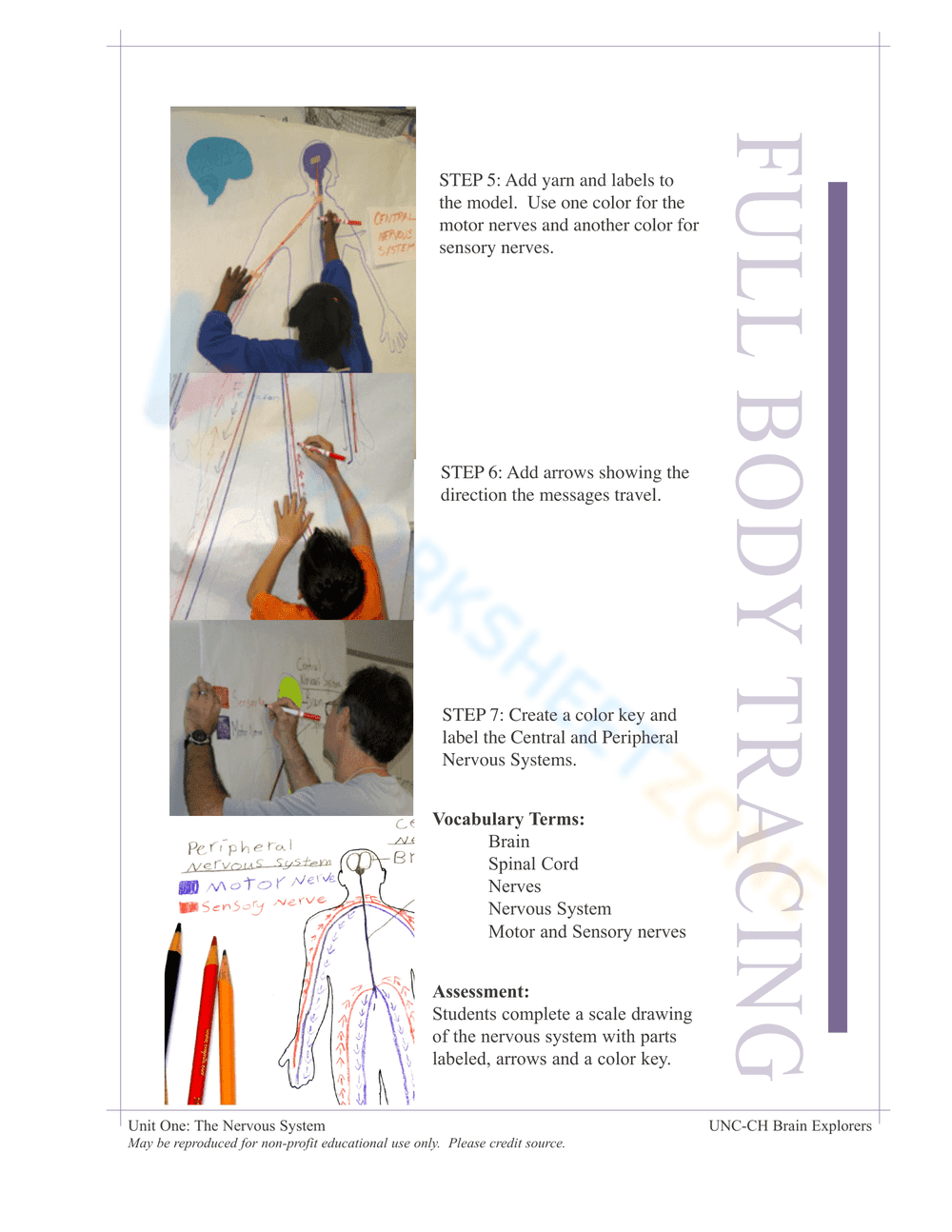
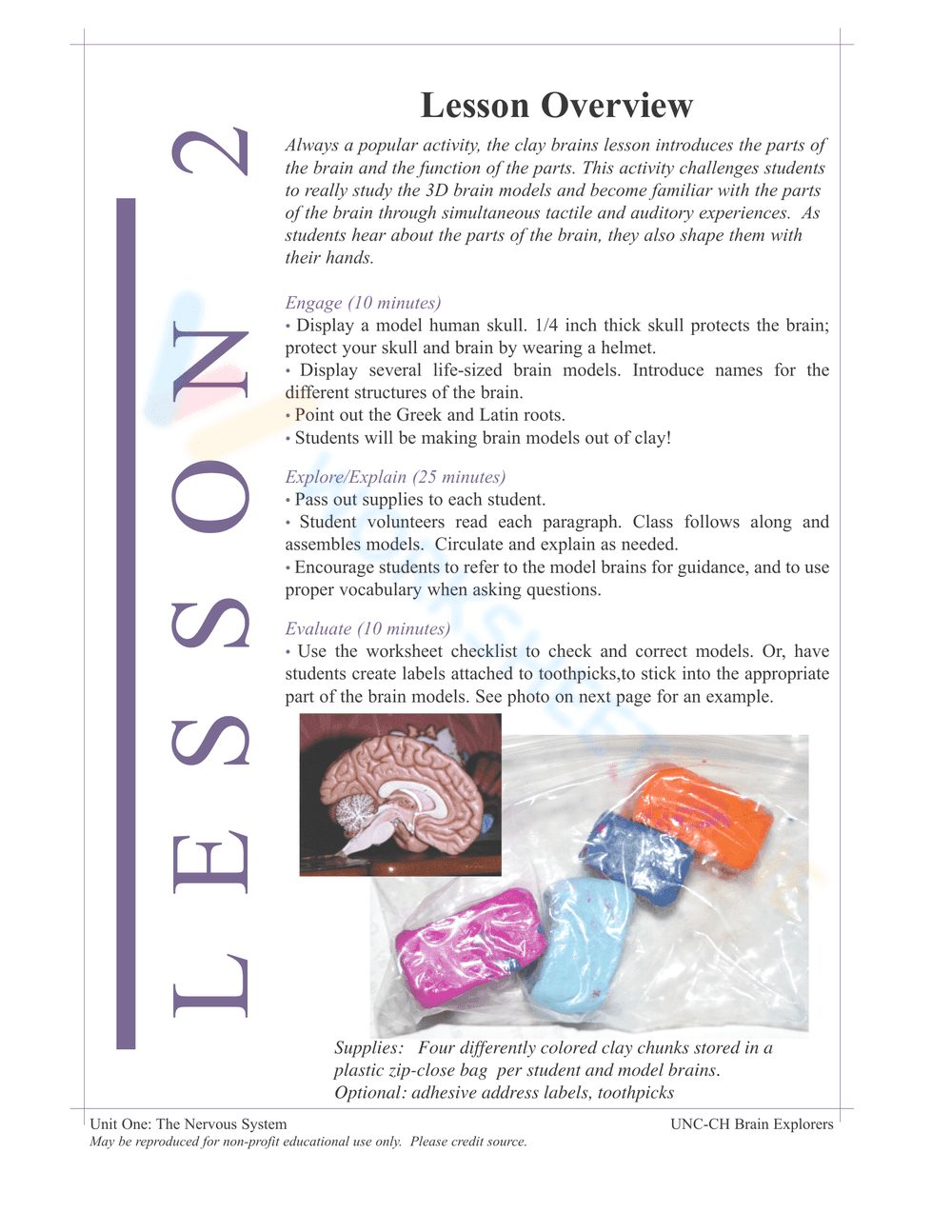











Nervous System Unit Booklet | Grade 4 Science Printable
Paste this activity's link or code into your existing LMS (Google Classroom, Canvas, Teams, Schoology, Moodle, etc.).
Students can open and work on the activity right away, with no student login required.
You'll still be able to track student progress and results from your teacher account.
This comprehensive Grade 4 nervous system booklet helps students understand how the brain, spinal cord, and nerves process information. By building physical models and conducting interactive experiments, learners will discover how sensory and motor nerves communicate, ultimately mastering the structure and function of the human body's control center.
At a Glance
- Grade: 4 · Subject: Science
- Standard:
4-LS1-2— Model how animals process sensory information in the brain and respond.- Skill Focus: Nervous System Structure and Function
- Format: 35 pages · 15 problems · Answer key included · PDF
- Best For: Hands-on science unit instruction
- Time: 120–180 minutes
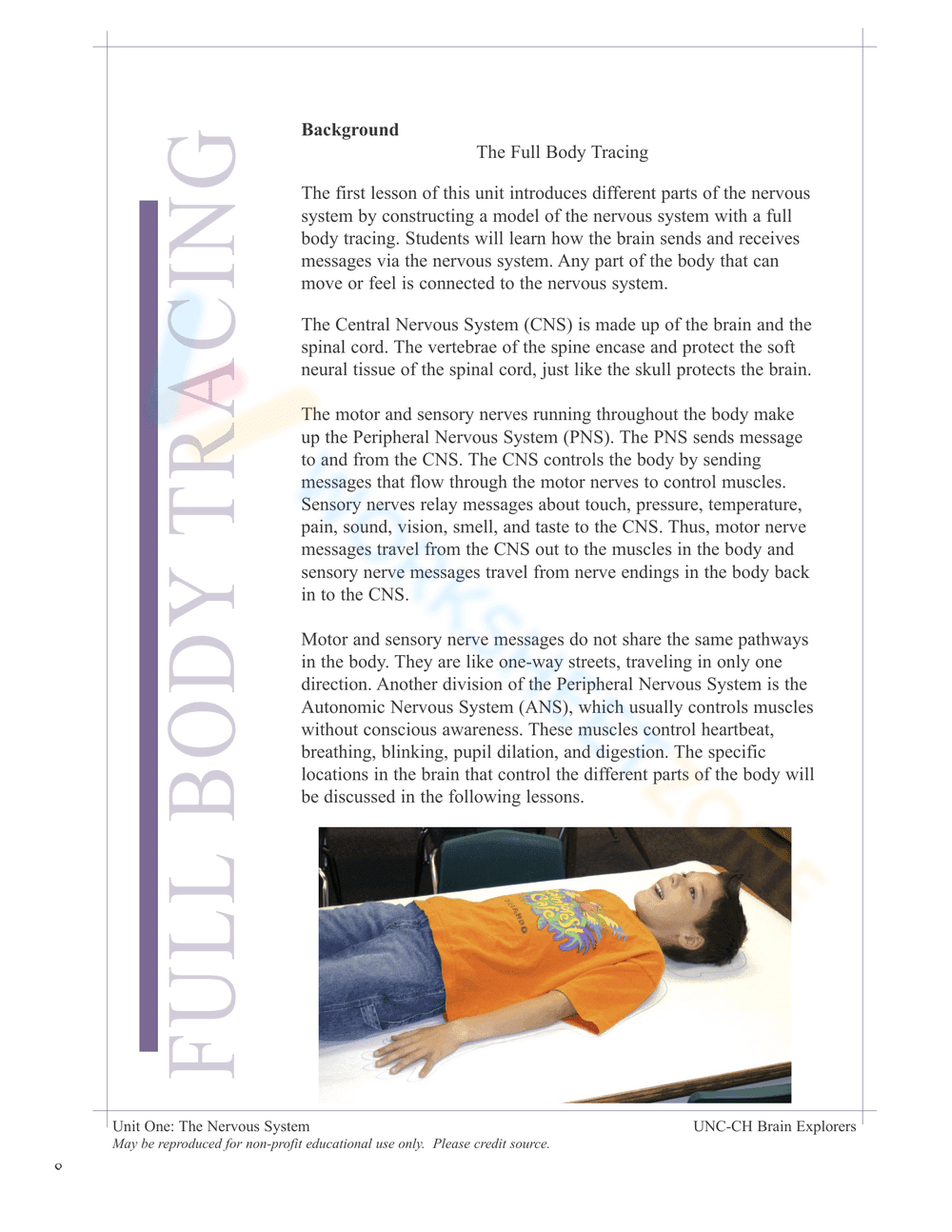
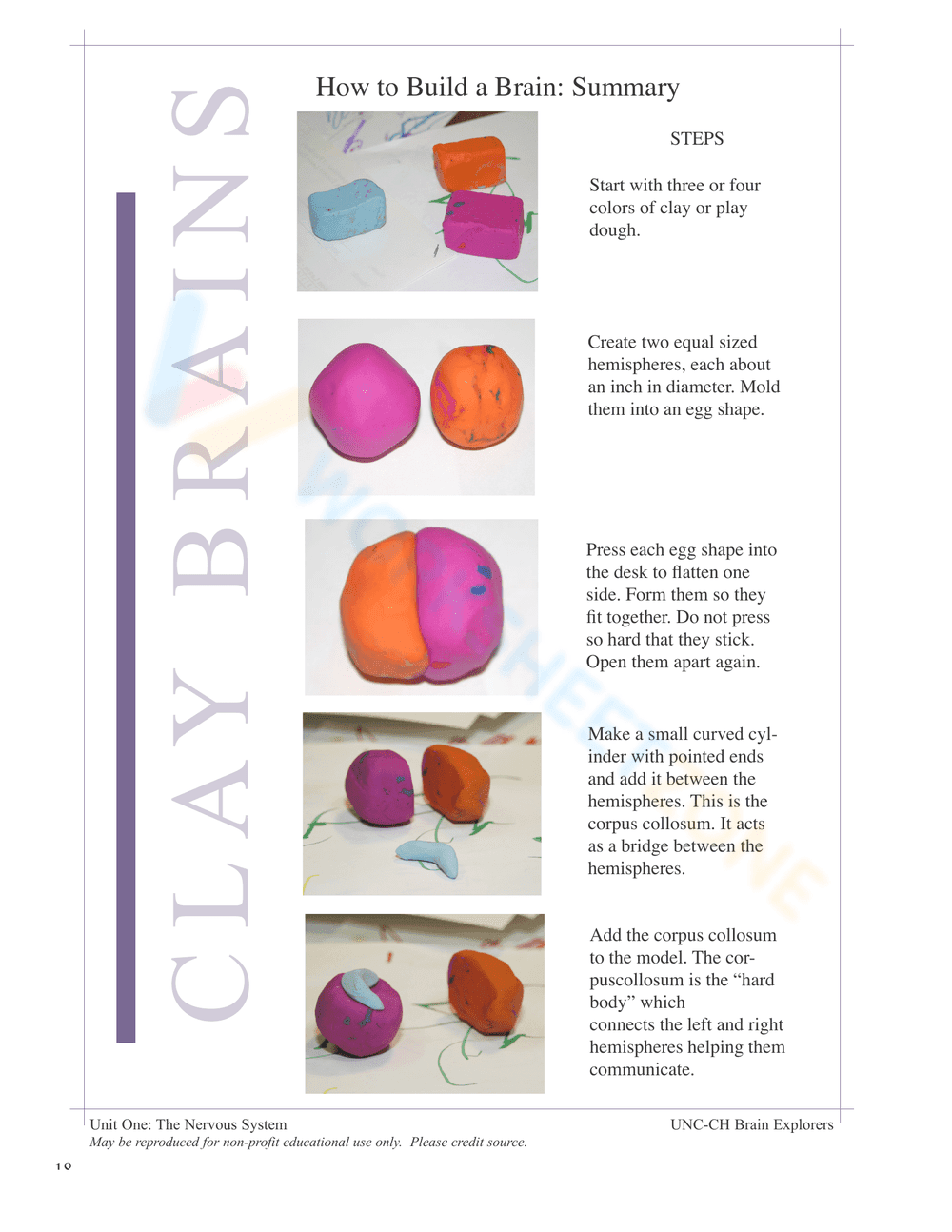
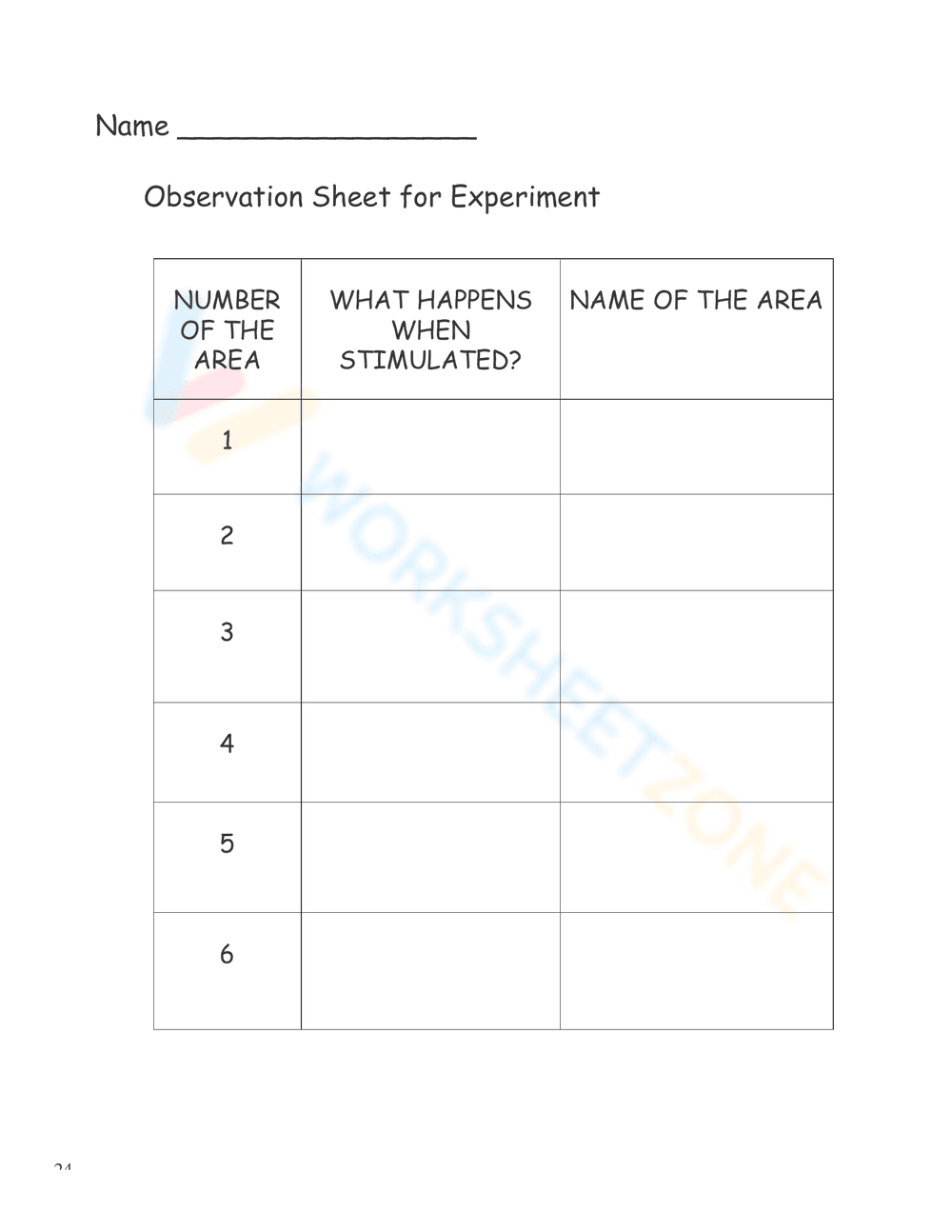
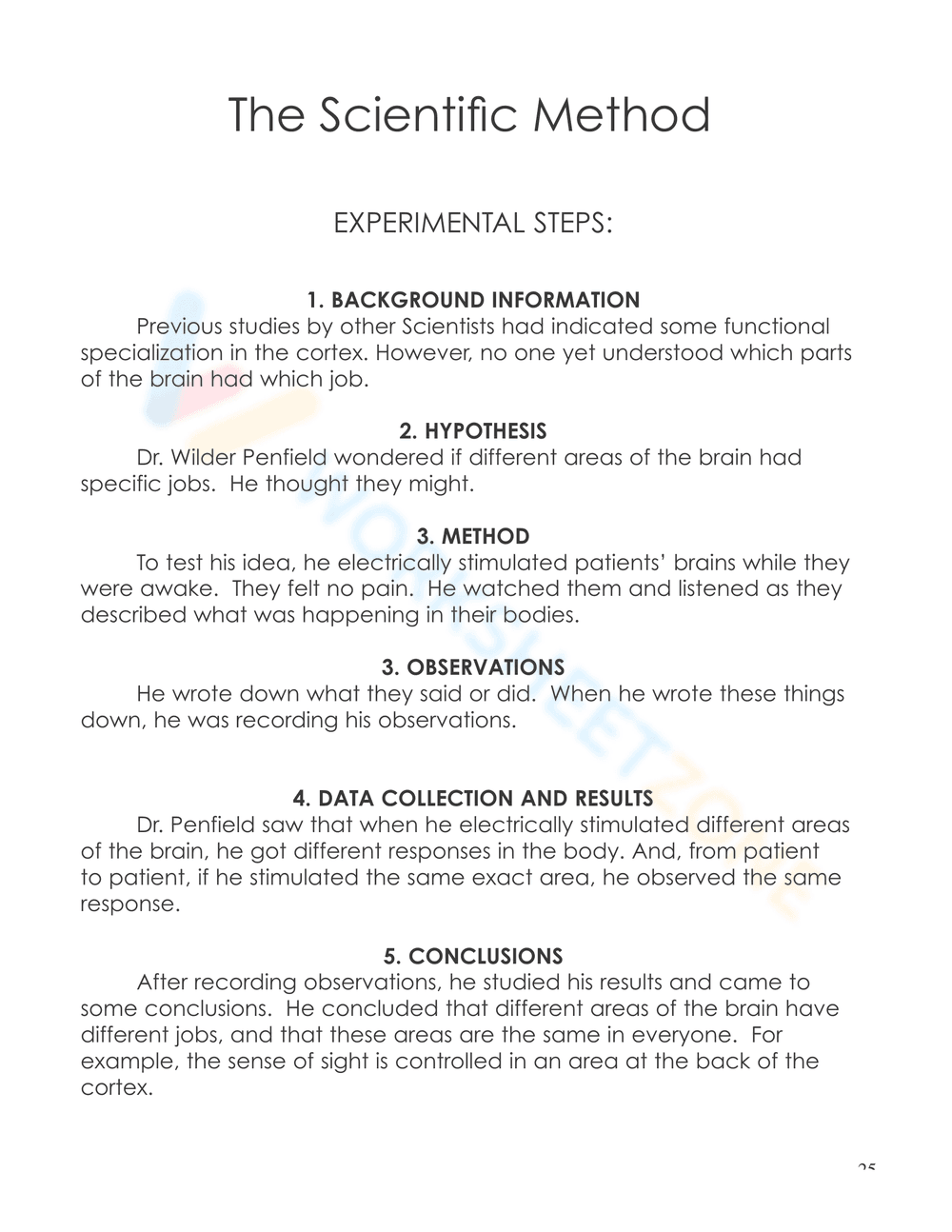
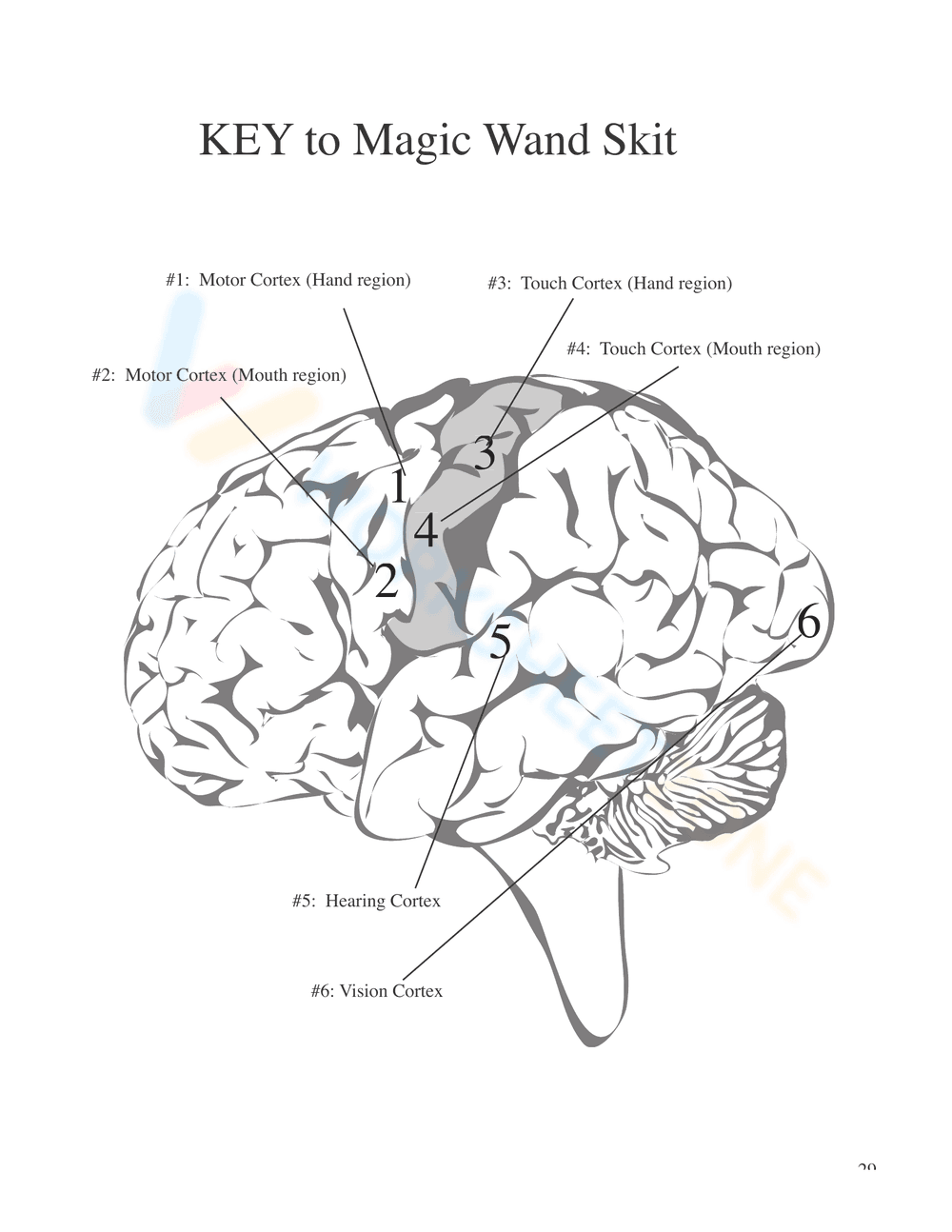
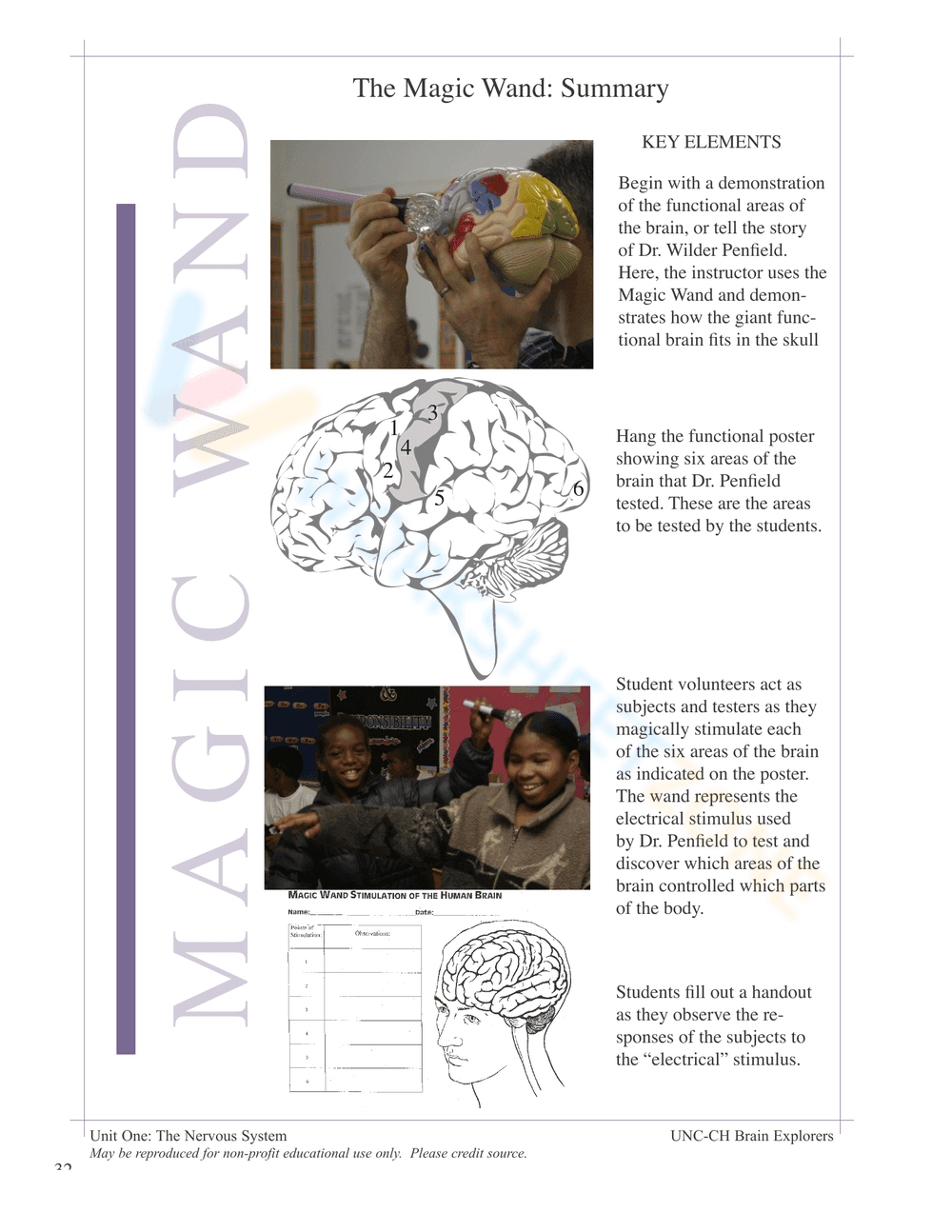
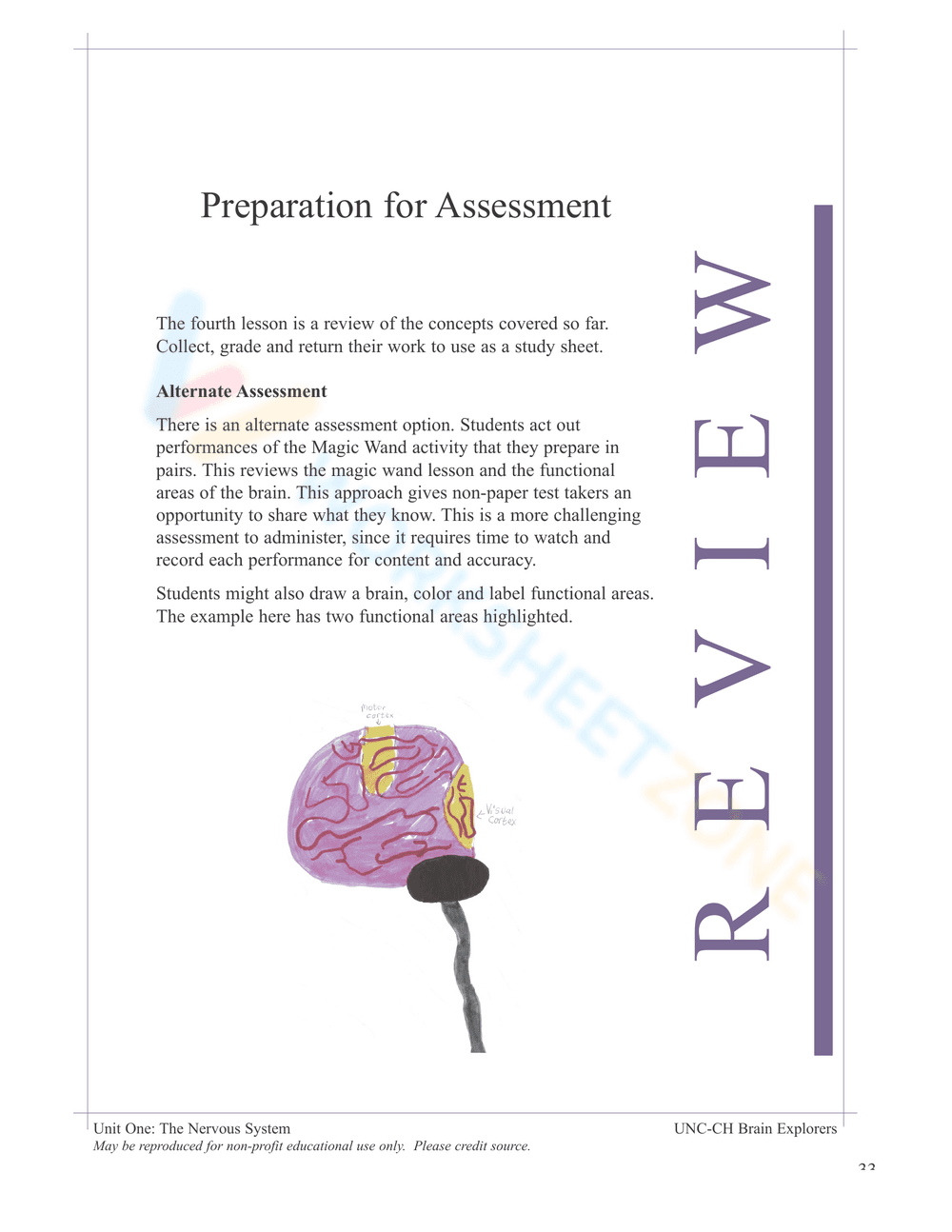
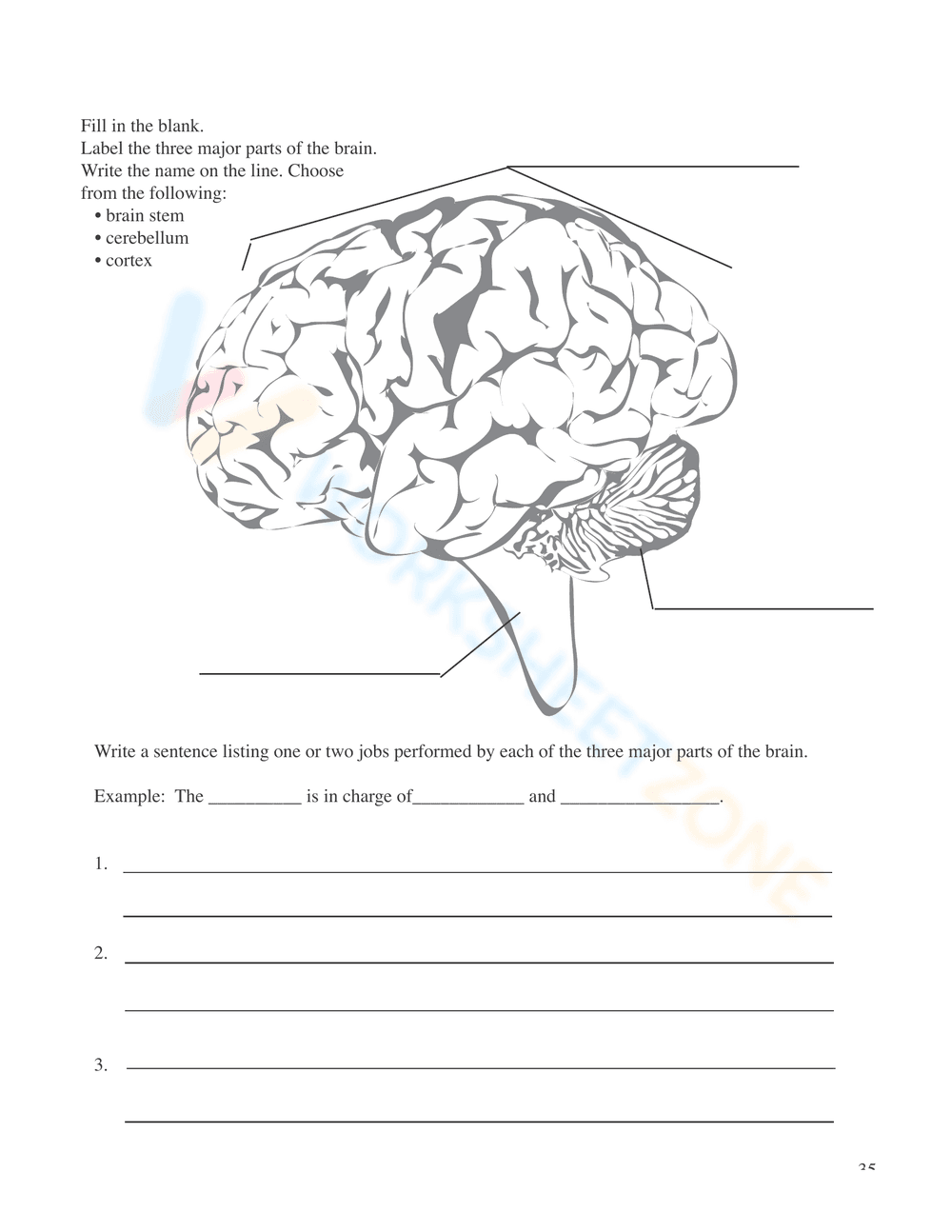
This 35-page printable unit includes three complete lesson plans: Full Body Tracing, Clay Brains, and the Magic Wand experiment. Students receive step-by-step illustrated handouts, observation recording sheets, and a comprehensive review assessment. The resource features detailed teacher background information, vocabulary guides, and a full answer key to support accurate grading and instruction.
Skill Progression
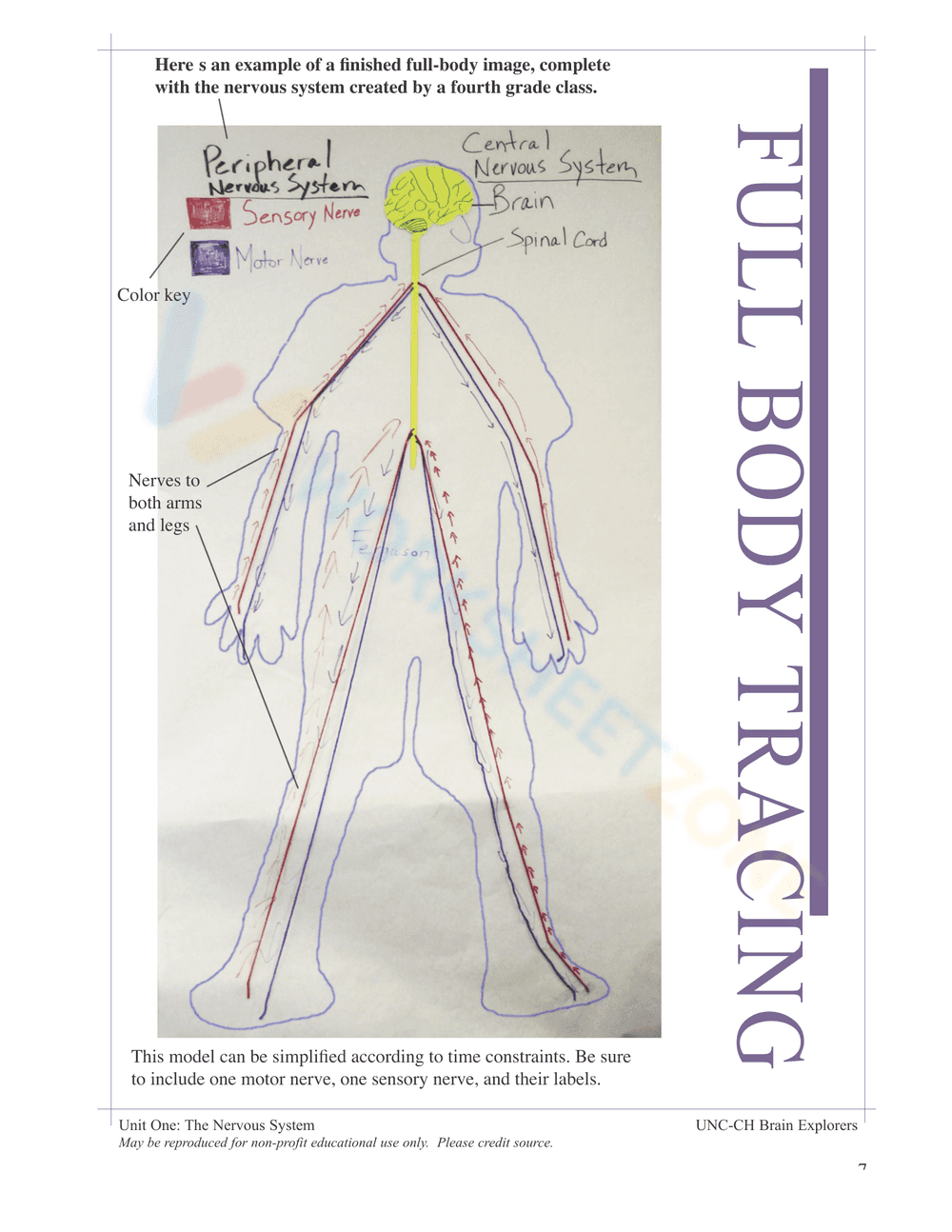
- Guided practice: Students begin by tracing a full-body model and using yarn to map the central and peripheral nervous systems, completing 2 labeling tasks with heavy teacher support.
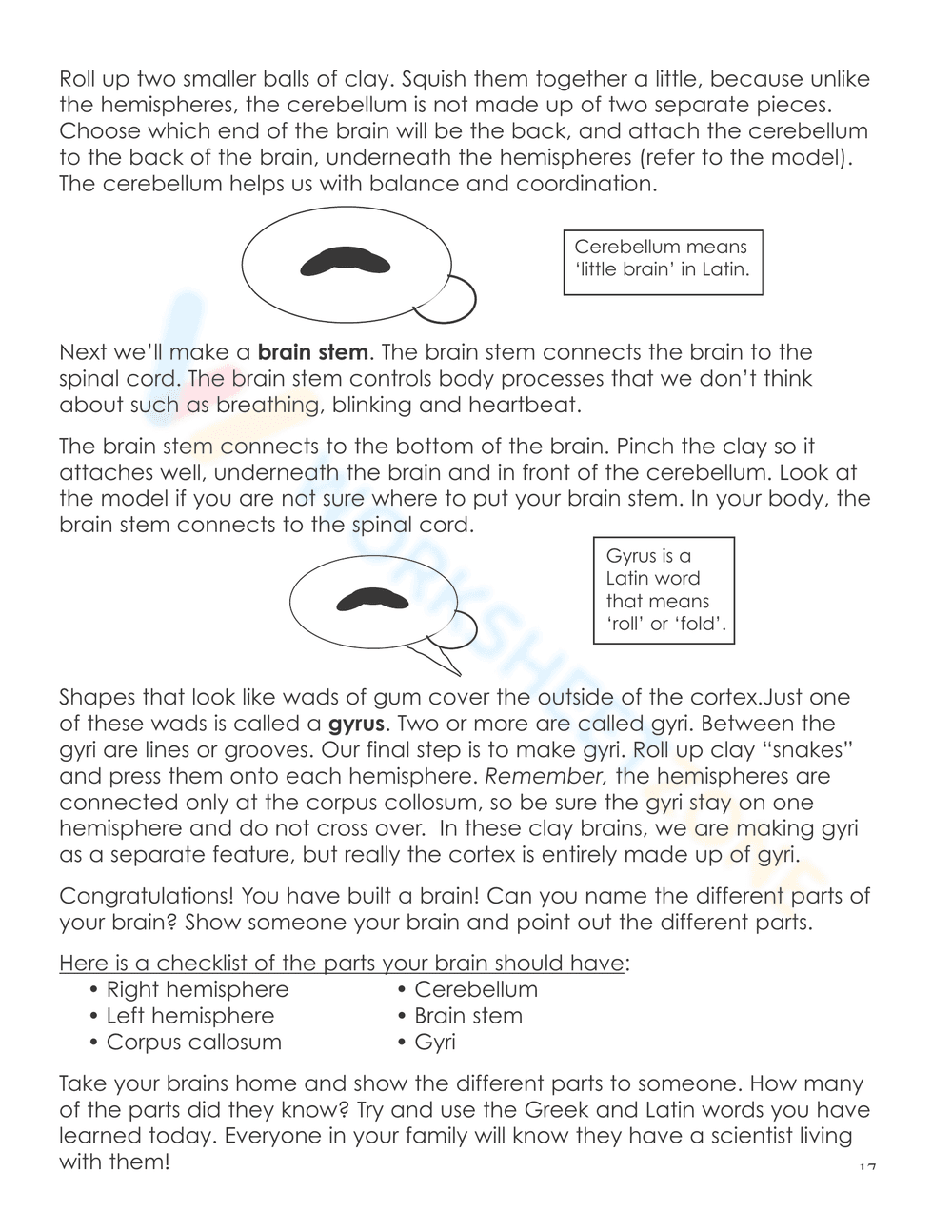
- Supported practice: Learners sculpt a 3D clay brain, identifying 5 major structures (cerebrum, cerebellum, brain stem) while following structured visual guides.
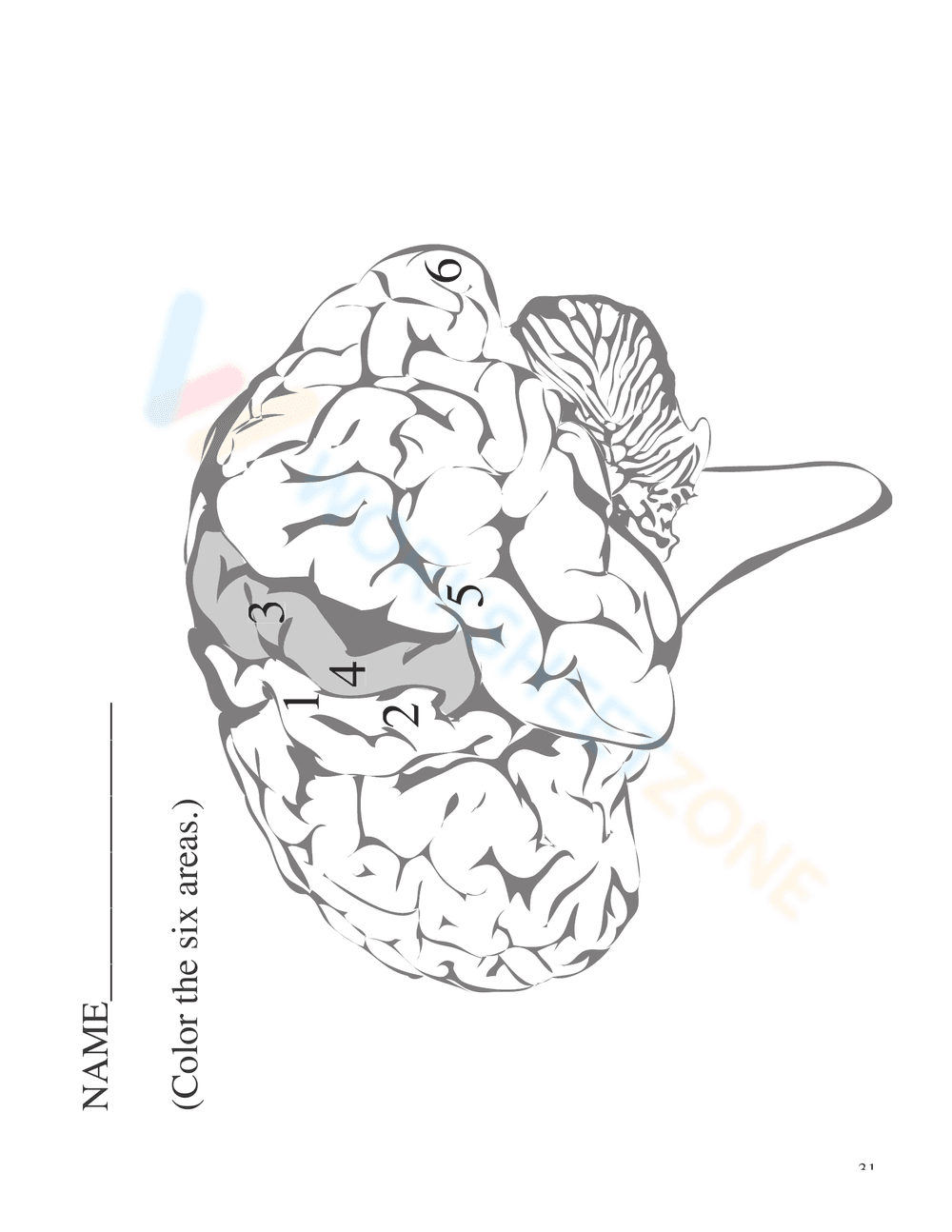
- Independent practice: The unit concludes with an 8-question review sheet and a brain-mapping coloring activity where students independently demonstrate their understanding of localized brain functions.
This gradual-release approach ensures students transition smoothly from concrete modeling to abstract conceptual understanding.
Standards Alignment
This resource is aligned to primary standard 4-LS1-2: Use a model to describe that animals receive different types of information through their senses, process the information in their brain, and respond to the information in different ways. The hands-on modeling tasks directly support this performance expectation. Both standard codes can be copied directly into lesson plans, IEP goals, or district curriculum mapping tools.
How to Use It
Deploy this booklet during your core science block over the course of a week. The Full Body Tracing lesson serves as an excellent introductory hook before direct instruction on nerve pathways. During the Magic Wand experiment, use the observation sheet as a formative assessment to check if students can correctly predict motor and sensory responses. The entire unit requires approximately 120 to 180 minutes of instructional time to complete.
Who It's For
This unit is designed for Grade 4 general education science students, but the tactile nature of the clay and yarn models provides excellent differentiation for kinesthetic and visual learners. Pair this booklet with a non-fiction reading passage about the human body to reinforce the scientific vocabulary introduced in the lessons.
Effective science instruction requires students to engage in active modeling to comprehend invisible internal processes. Standard 4-LS1-2 requires students to model how animals process sensory information in the brain and respond. According to a ScienceDirect TpT Analysis, instructional materials that incorporate 3D modeling and interactive peer experiments significantly improve long-term retention of complex biological systems compared to passive reading alone. By translating abstract neural pathways into physical yarn models and clay structures, this resource reduces cognitive load while maximizing conceptual engagement. The structured observation sheets further bridge the gap between experiential learning and formal scientific documentation, ensuring students not only participate in the activity but also synthesize the underlying physiological principles accurately.


