


























Views
Downloads
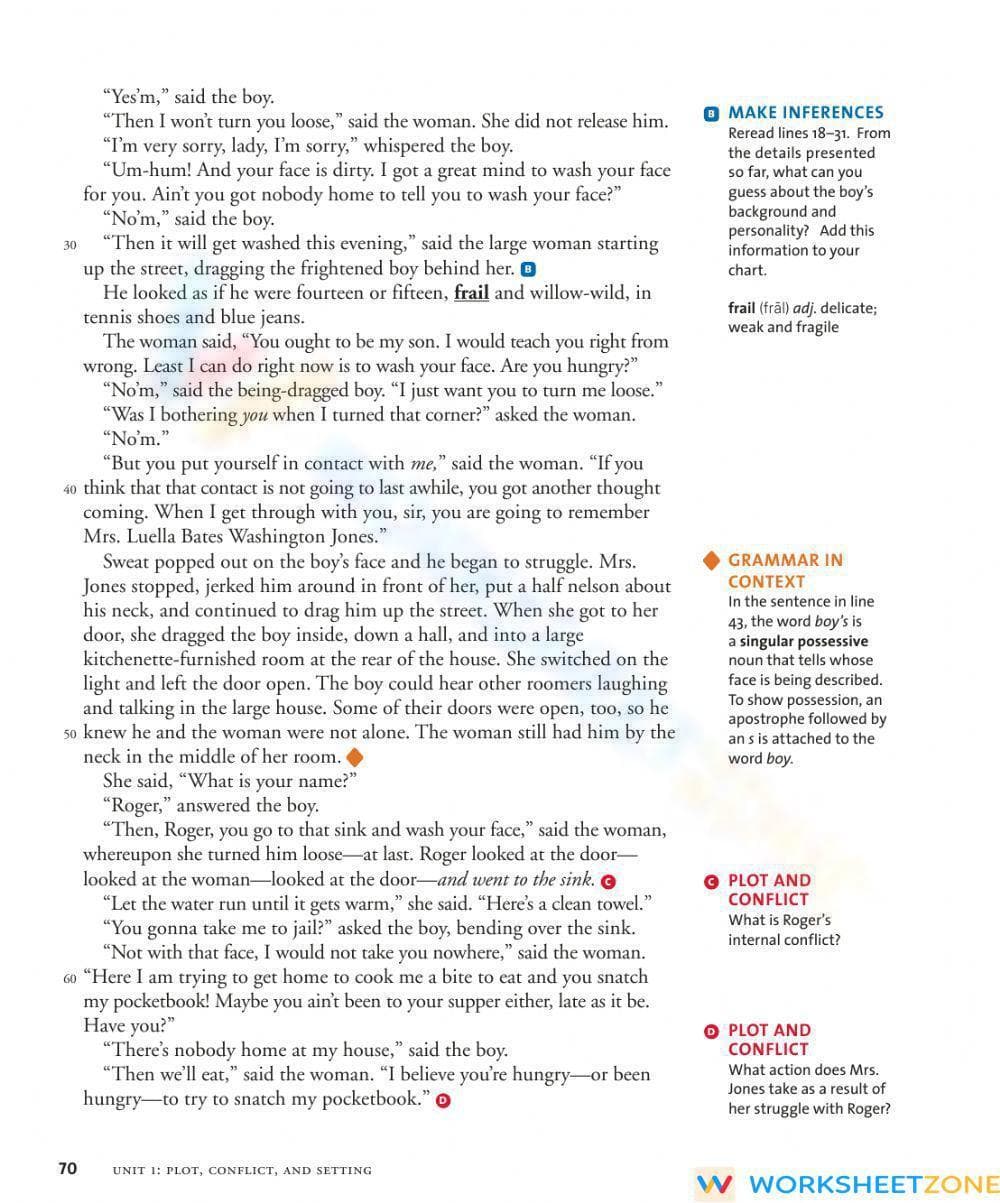
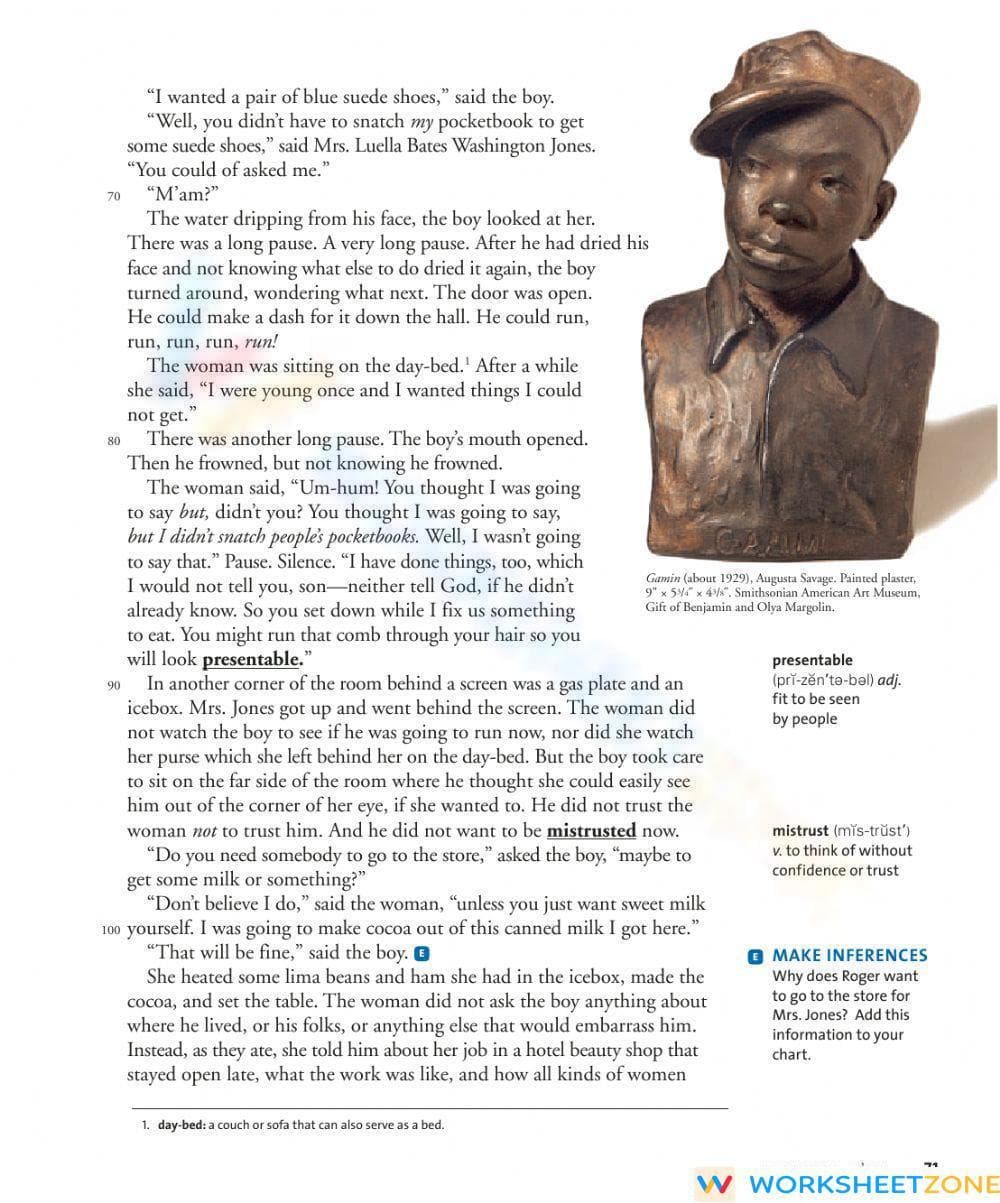
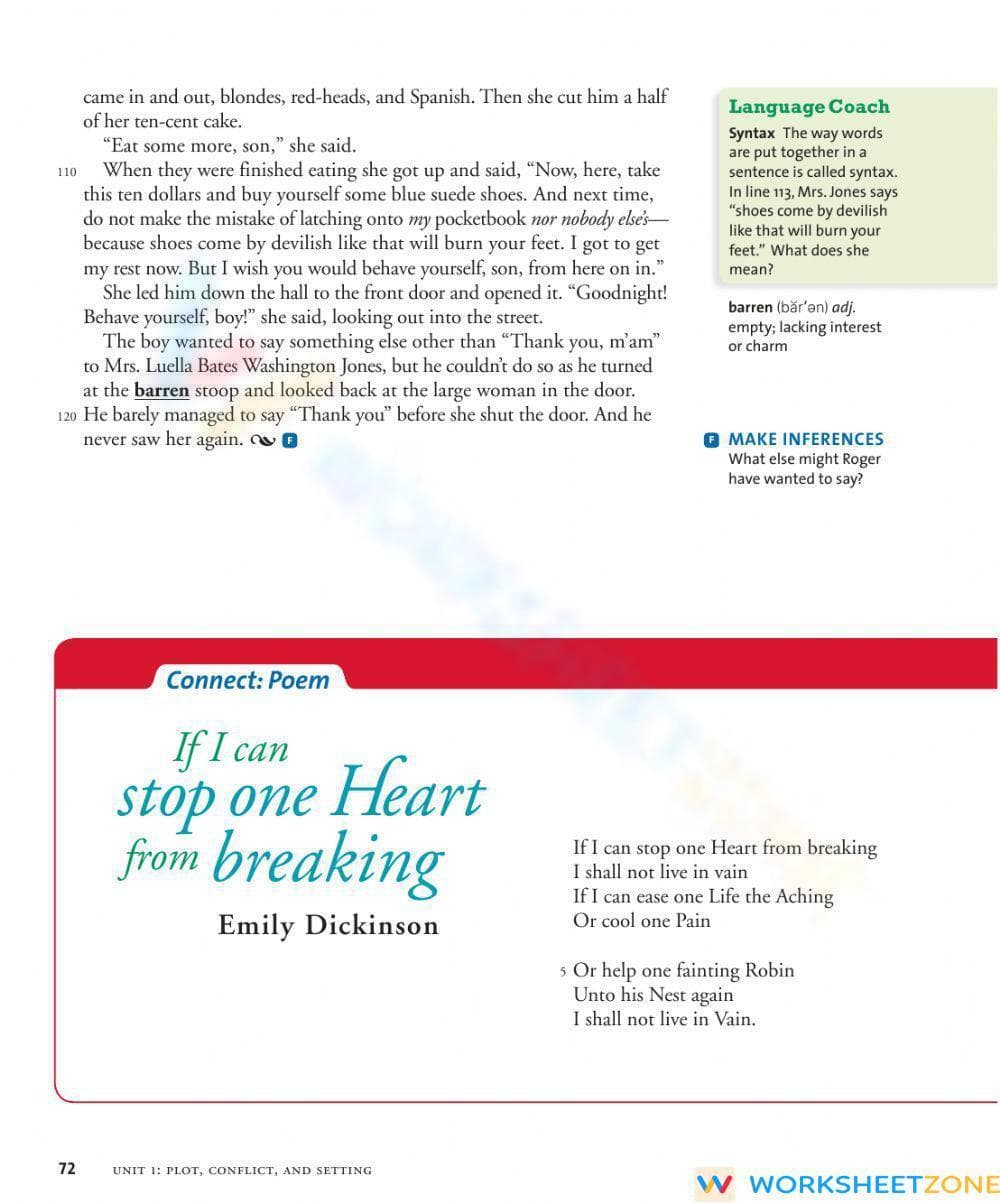
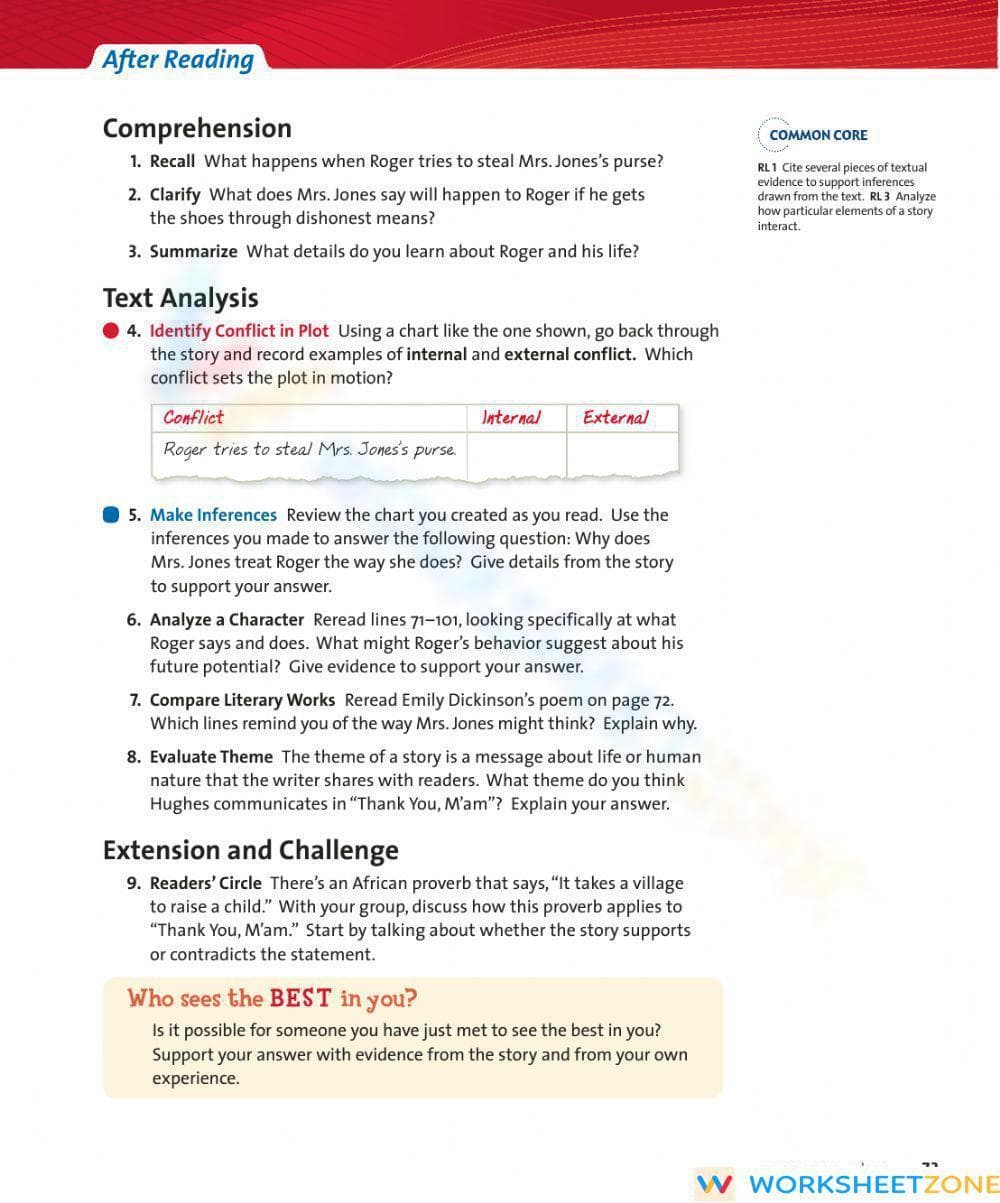

RL.8.1 & RL.8.3 Worksheet: Thank You, M'am — Grade 8 Aligned
Paste this activity's link or code into your existing LMS (Google Classroom, Canvas, Teams, Schoology, Moodle, etc.).
Students can open and work on the activity right away, with no student login required.
You'll still be able to track student progress and results from your teacher account.
Students master literary evidence and character analysis with this Grade 8 "Thank You, M'am" unit, which transforms the Langston Hughes classic into a rigorous standards-aligned curriculum. Learners analyze plot dynamics and complex inferences through structured tasks that bridge the gap between literal reading and deep critical thinking.
At a Glance
- Grade: 8 · Subject: English Language Arts
- Standard:
CCSS.ELA-LITERACY.RL.8.1— Cite strong textual evidence to support analysis of what the text says explicitly- Skill Focus: Plot, Conflict, and Inferences
- Format: 9 pages · 38 problems · Answer key included · PDF
- Best For: Literature circles and whole-class instruction
- Time: 45–90 minutes
What's Inside
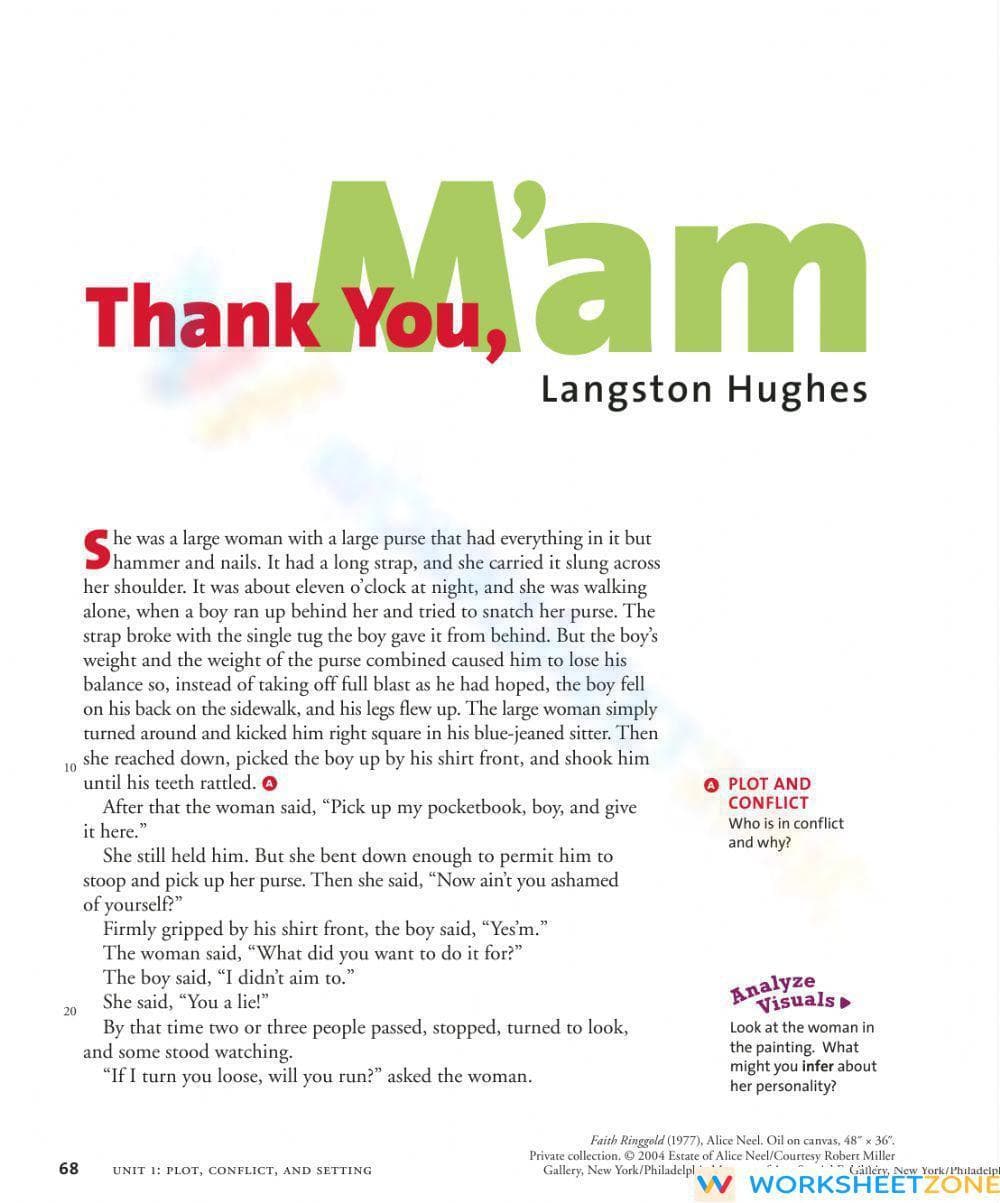
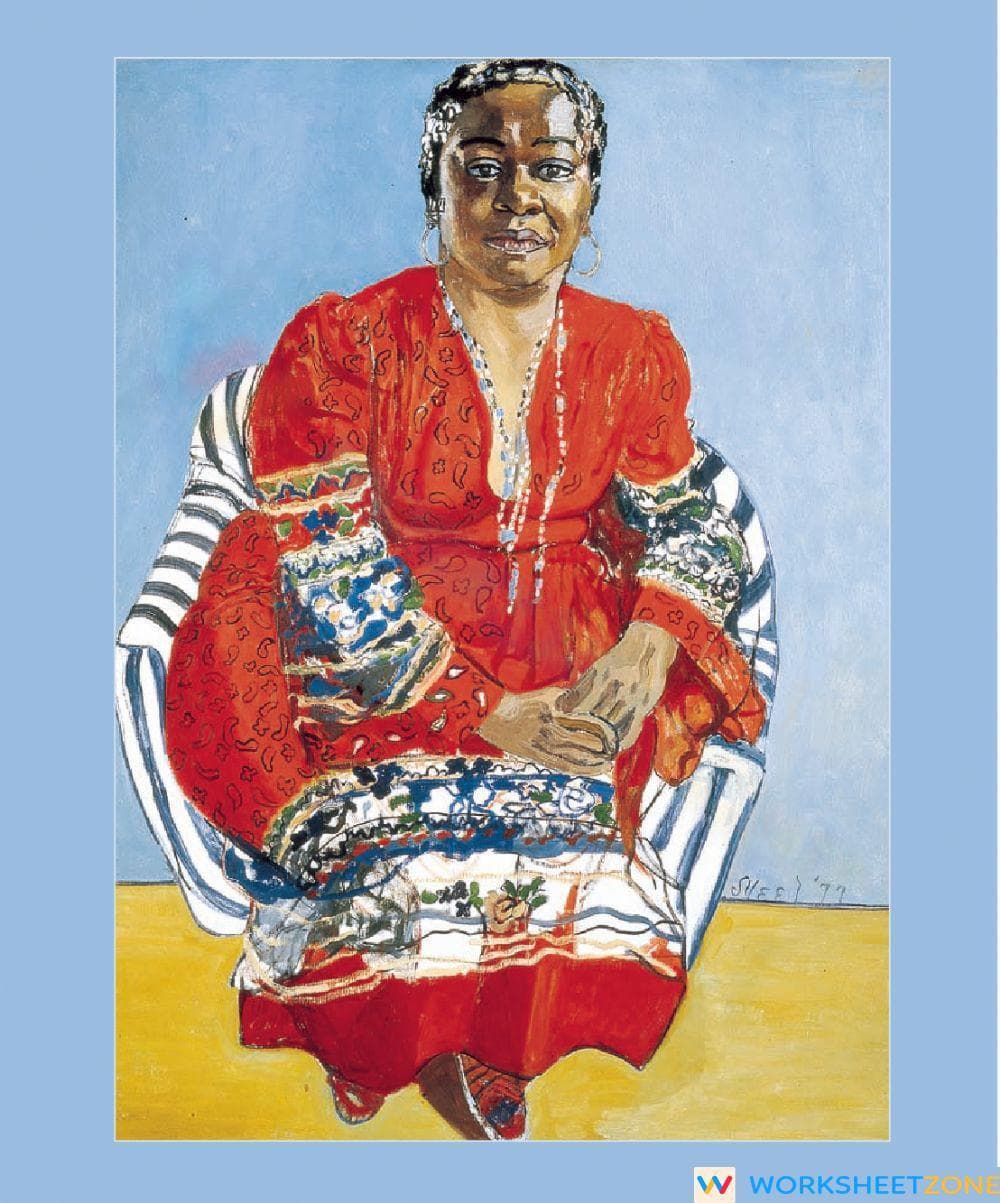
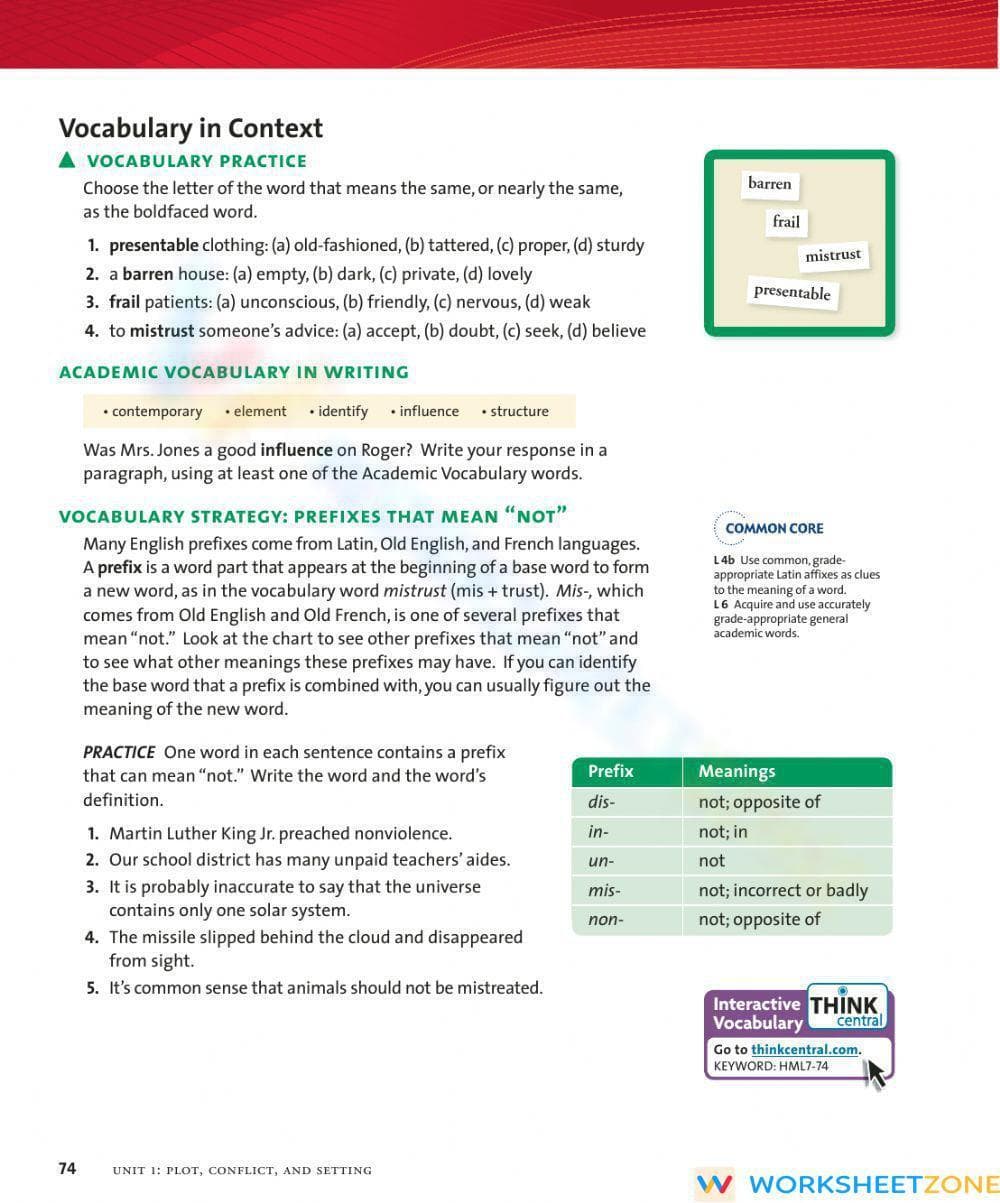
This comprehensive 9-page instructional packet includes the full text of "Thank You, M'am" paired with interactive margin tasks, a pre-reading Quickwrite, and a multi-section after-reading assessment. Students encounter vocabulary practice, character analysis charts, and a cross-genre connection to Emily Dickinson’s poetry. The unit features 38 specific tasks, ranging from short-answer comprehension to analytical writing prompts.
Mastery Evidence
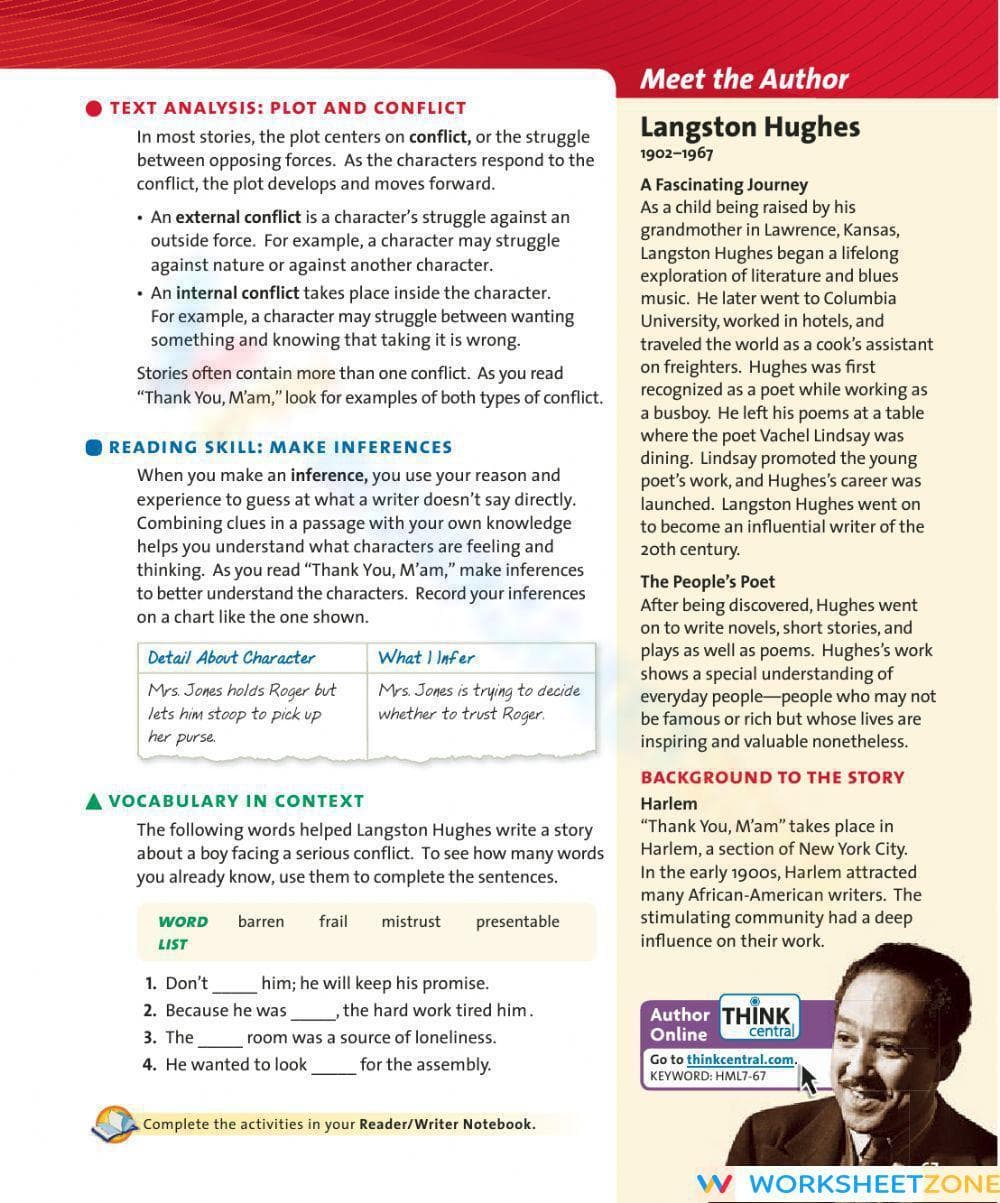
Each task is strategically mapped to core ELA competencies, moving from literal comprehension to high-level evaluation. The included character inference chart acts as a formative assessment tool, allowing teachers to verify mastery of RL.8.1 before moving to thematic evaluation. Detailed response prompts enable students to demonstrate evidence-based reasoning, with scores that can be easily translated into mastery rubrics or district gradebooks.
Standards Alignment
The primary standard addressed is CCSS.ELA-LITERACY.RL.8.1, requiring students to cite the textual evidence that most strongly supports an analysis of what the text says explicitly. Additionally, the unit incorporates CCSS.ELA-LITERACY.RL.8.3 to analyze how dialogue propels the action. Both standard codes can be copied directly into lesson plans, IEP goals, or district curriculum mapping tools.
How to Use It
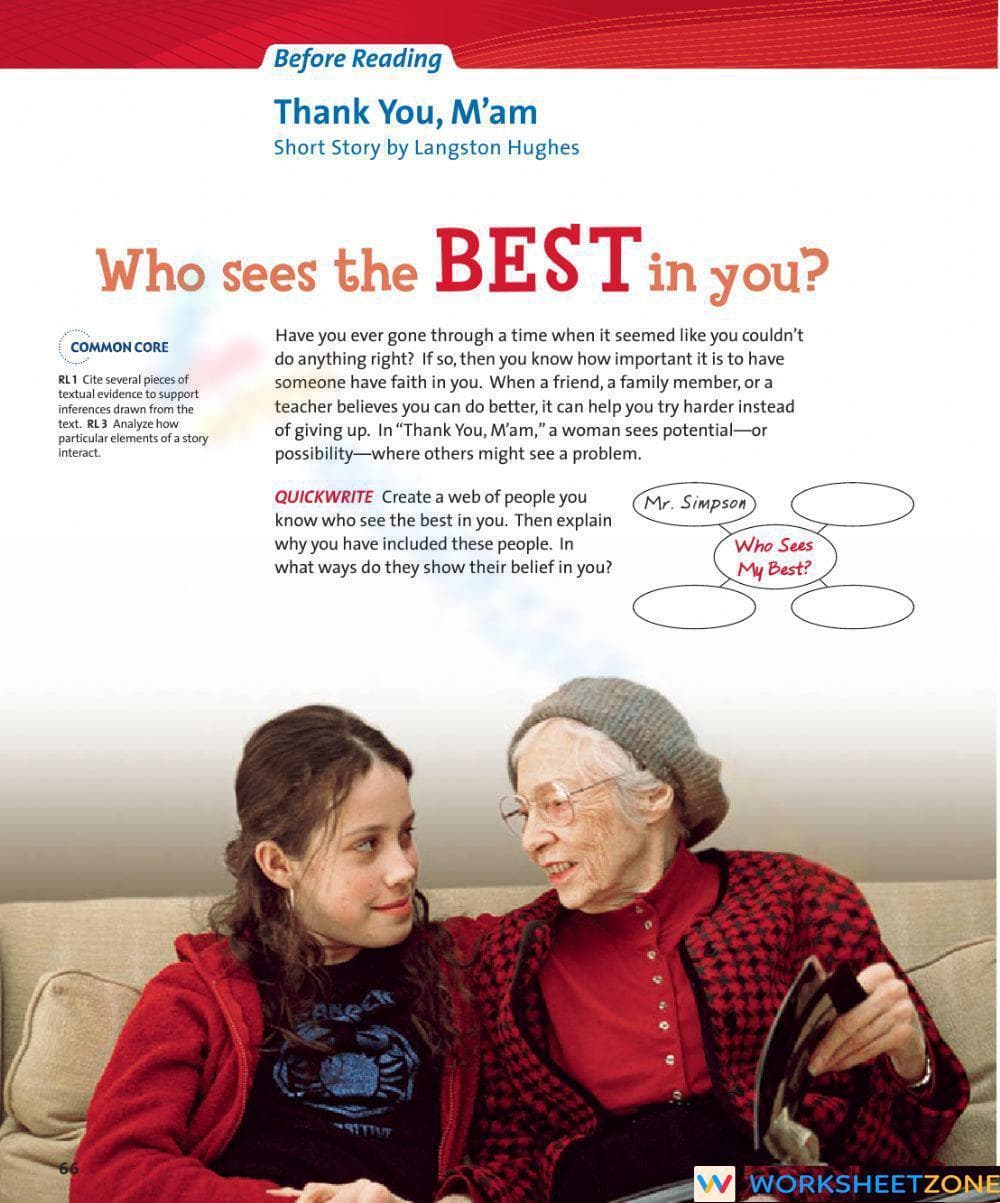
Utilize the "Before Reading" Quickwrite as a bell-ringer to activate prior knowledge about trust and human potential. During reading, have students pause at the sidebar "Plot and Conflict" prompts to engage in collaborative discussion or independent reflection. This unit works exceptionally well as a summative assessment for a short story unit or as guided practice. Expected completion time is roughly 60 minutes for the core tasks.
Who It's For
Designed for Grade 8 learners, this resource provides necessary scaffolding for students developing literary analysis skills while offering extension tasks for advanced readers. It pairs naturally with anchor charts on conflict and serves as an ideal resource for substitute folders due to its self-contained nature. The inclusion of academic vocabulary support makes it accessible for diverse learning needs.
This Grade 8 literature unit focuses on the critical shift from basic comprehension to the evidence-based analysis required by CCSS.ELA-LITERACY.RL.8.1. By requiring students to cite specific textual evidence while analyzing the interactions between Roger and Mrs. Luella Bates Washington Jones, the worksheet aligns with research emphasizing the importance of text-dependent questions in secondary literacy. According to a RAND AIRS 2024 study on middle school ELA instruction, student mastery of inference-based standards is significantly improved when instructional materials provide immediate, scaffolded opportunities to map textual details to character motivations. This resource implements these findings through its "Make Inferences" chart and vocabulary-in-context strategies. The integration of Langston Hughes's Harlem Renaissance context further supports culturally responsive pedagogy by grounding skill acquisition in high-quality, authentic literature. The 38 tasks ensure a rigorous evaluation of student progress toward CCSS mastery.


