


























Views
Downloads
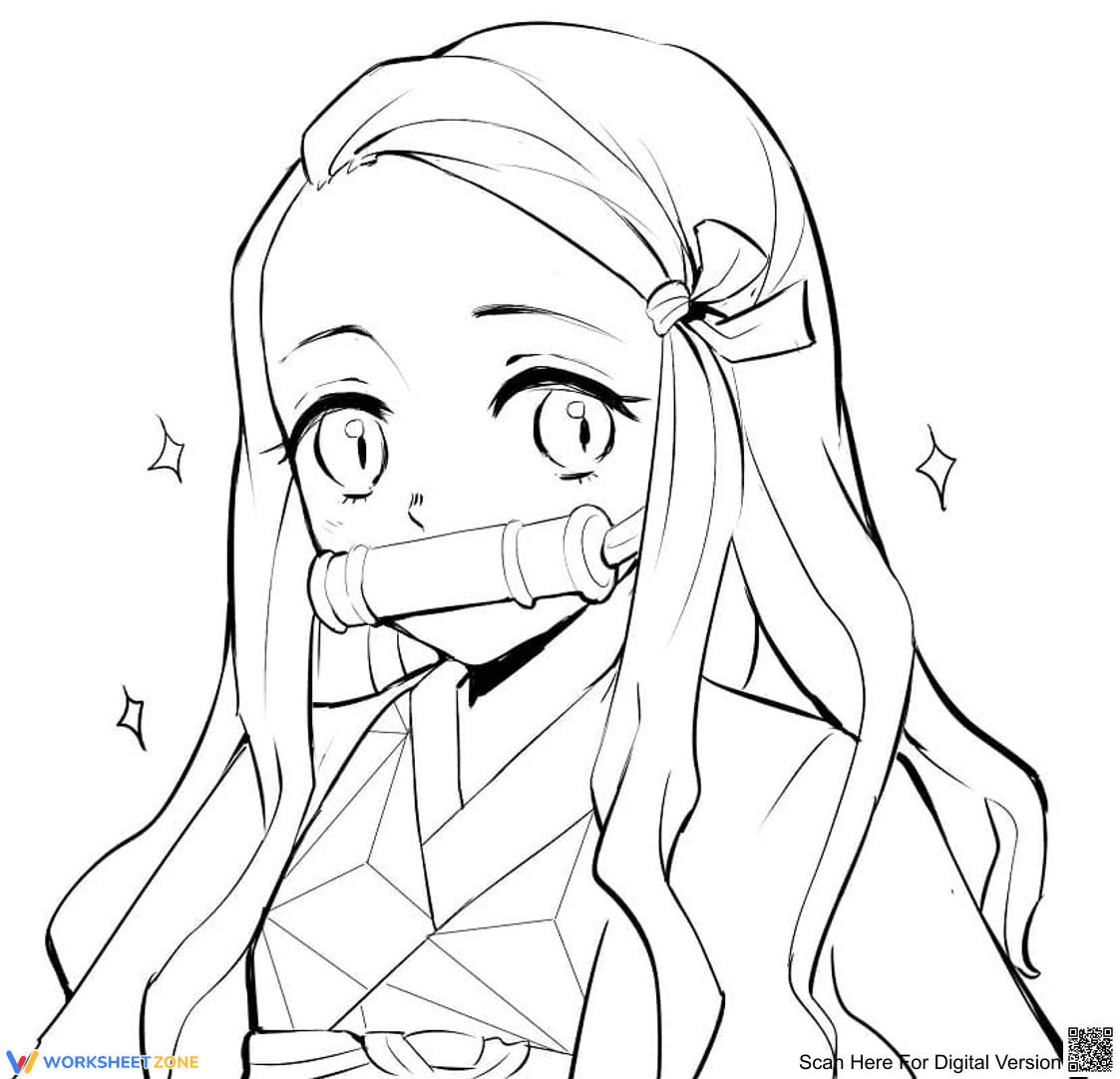

Printable Nezuko Coloring Page | Grade K-5 Art
Paste this activity's link or code into your existing LMS (Google Classroom, Canvas, Teams, Schoology, Moodle, etc.).
Students can open and work on the activity right away, with no student login required.
You'll still be able to track student progress and results from your teacher account.
This printable Nezuko coloring page provides students in Preschool through Grade 5 with a high-interest creative outlet to develop essential fine motor control. By engaging with a popular character, learners practice precision and color theory while expressing their artistic preferences. This activity serves as an effective bridge between visual arts and creative storytelling for young learners.
At a Glance
- Grade: K-5 · Subject: Coloring Pages
- Standard:
CCSS.ELA-LITERACY.SL.1.5— Add drawings or visual displays to descriptions to clarify ideas and feelings- Skill Focus: Fine Motor Skills & Artistic Expression
- Format: 1 page · 1 illustration · No answer key required · PDF
- Best For: Morning work or creative brain breaks
- Time: 15–30 minutes
The resource consists of a single, high-resolution PDF page featuring a detailed line-art illustration of Nezuko Kamado. The clean borders and varied detail levels allow for both broad strokes and intricate shading. No additional materials are required beyond standard coloring supplies like crayons, colored pencils, or markers, making it a versatile addition to any classroom art kit or sub folder.
The zero-prep workflow for this activity is designed for maximum efficiency. First, print the single-page PDF in seconds (approx. 10 seconds). Second, distribute the sheets to students during transition periods or as a focused morning task (approx. 30 seconds). Third, review the completed works to assess grip strength and color selection (approx. 1 minute). Total teacher preparation time is under two minutes, making it ideal for unexpected schedule changes.
This worksheet aligns with CCSS.ELA-LITERACY.SL.1.5, which encourages students to add drawings or other visual displays to descriptions to clarify ideas, thoughts, and feelings. While primarily an artistic exercise, it supports the development of visual literacy and the ability to represent character traits through color. This standard code can be copied directly into lesson plans, IEP goals, or district curriculum mapping tools.
Use this worksheet as a calming "brain break" after intensive reading blocks or as a reward for completing primary assignments. It also functions well as a formative assessment tool for observing pencil grasp and hand-eye coordination in younger learners. Expect students to spend 15 to 30 minutes completing the illustration depending on their grade level and individual attention to detail.
This resource is ideal for elementary students who enjoy anime and character-driven art. It is particularly effective for kinesthetic learners who benefit from tactile engagement during the school day. Pair this coloring page with a short writing prompt about the character's personality or a character trait anchor chart to deepen the educational connection during literacy rotations or independent work time.
Research by Fisher & Frey (2014) emphasizes that visual representation is a critical component of the gradual release of responsibility model, allowing students to synthesize information through non-linguistic means. This Nezuko coloring page supports fine motor development, which is a significant predictor of later academic success in writing and mathematics. By practicing the precision required to color within complex lines, students strengthen the intrinsic muscles of the hand necessary for fluent handwriting. Furthermore, the use of high-interest characters increases student engagement and persistence in task completion. This activity aligns with CCSS.ELA-LITERACY.SL.1.5 by providing a platform for visual expression that can later be paired with oral or written descriptions. Integrating such artistic tasks into the school day helps reduce cognitive load and provides a necessary sensory break, ultimately fostering a more inclusive and responsive learning environment for diverse student populations.


