


























Views
Downloads
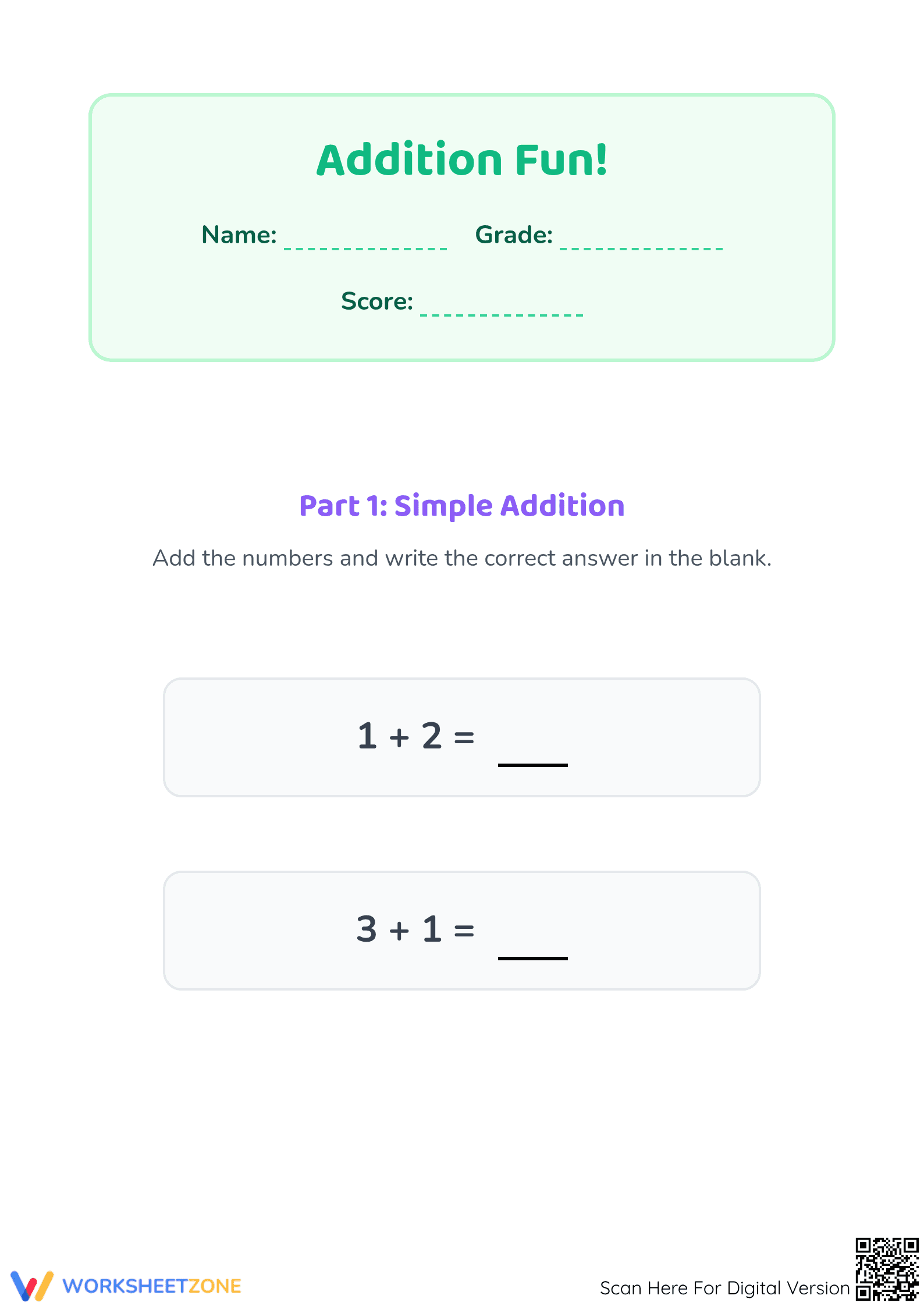
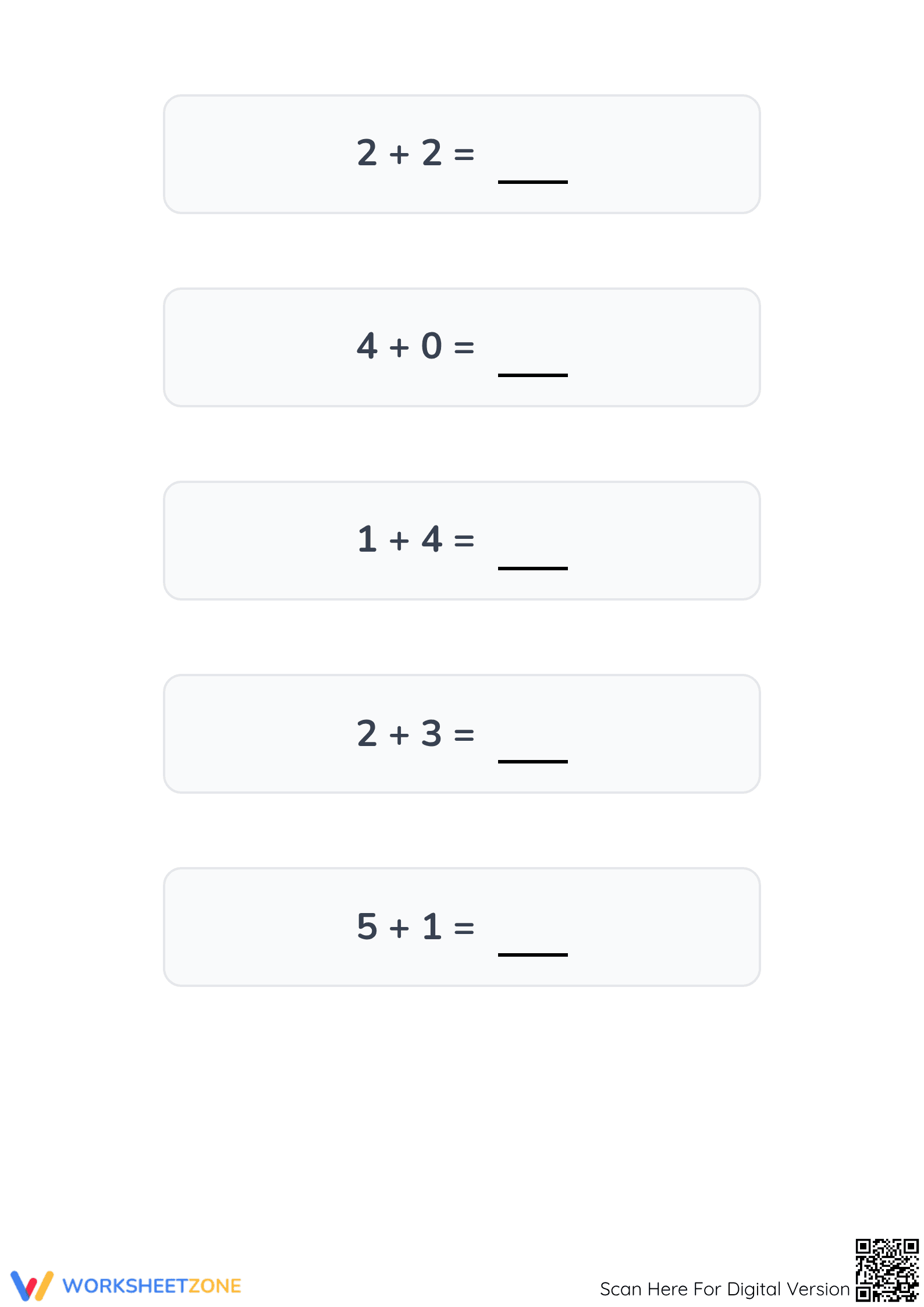
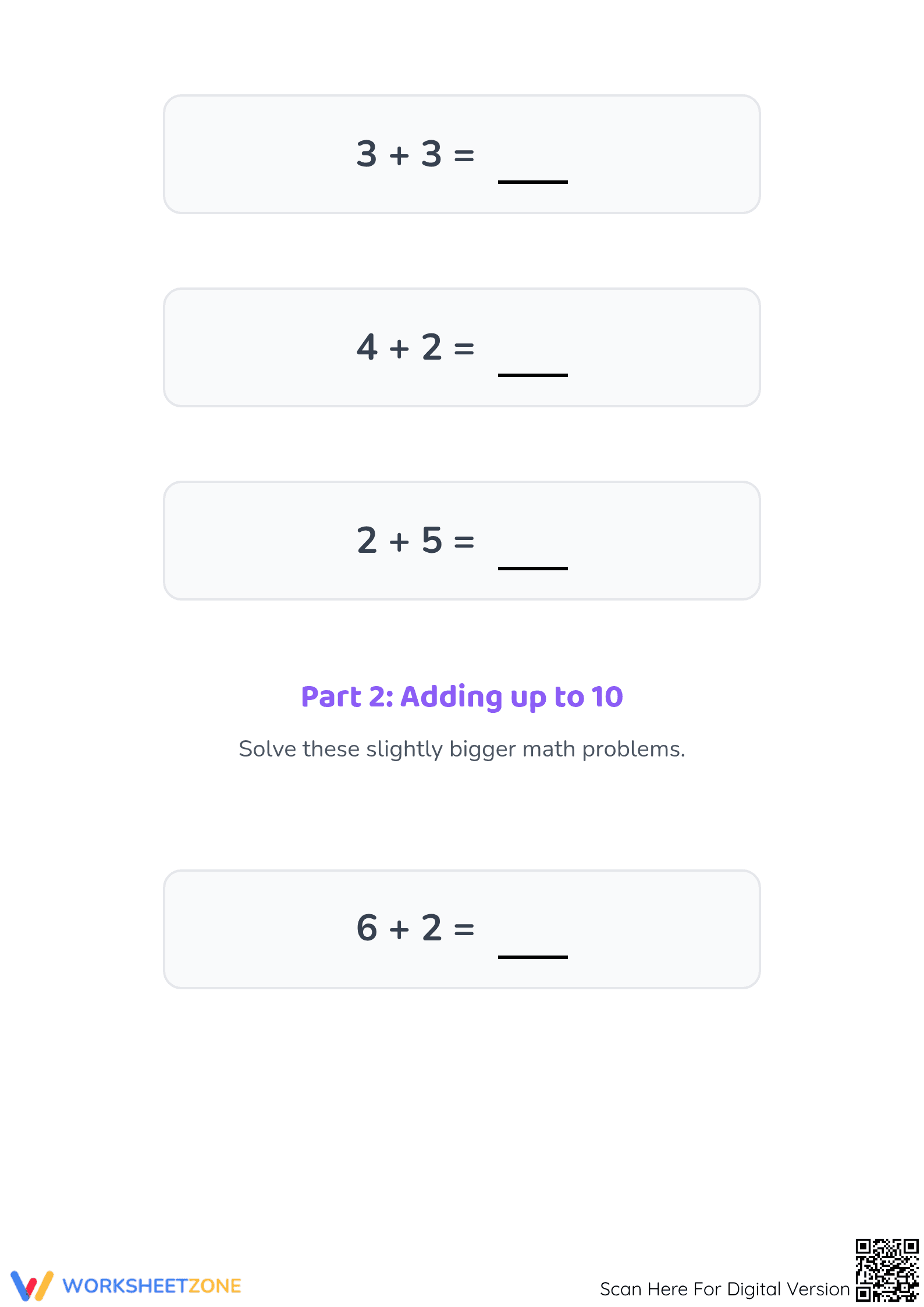
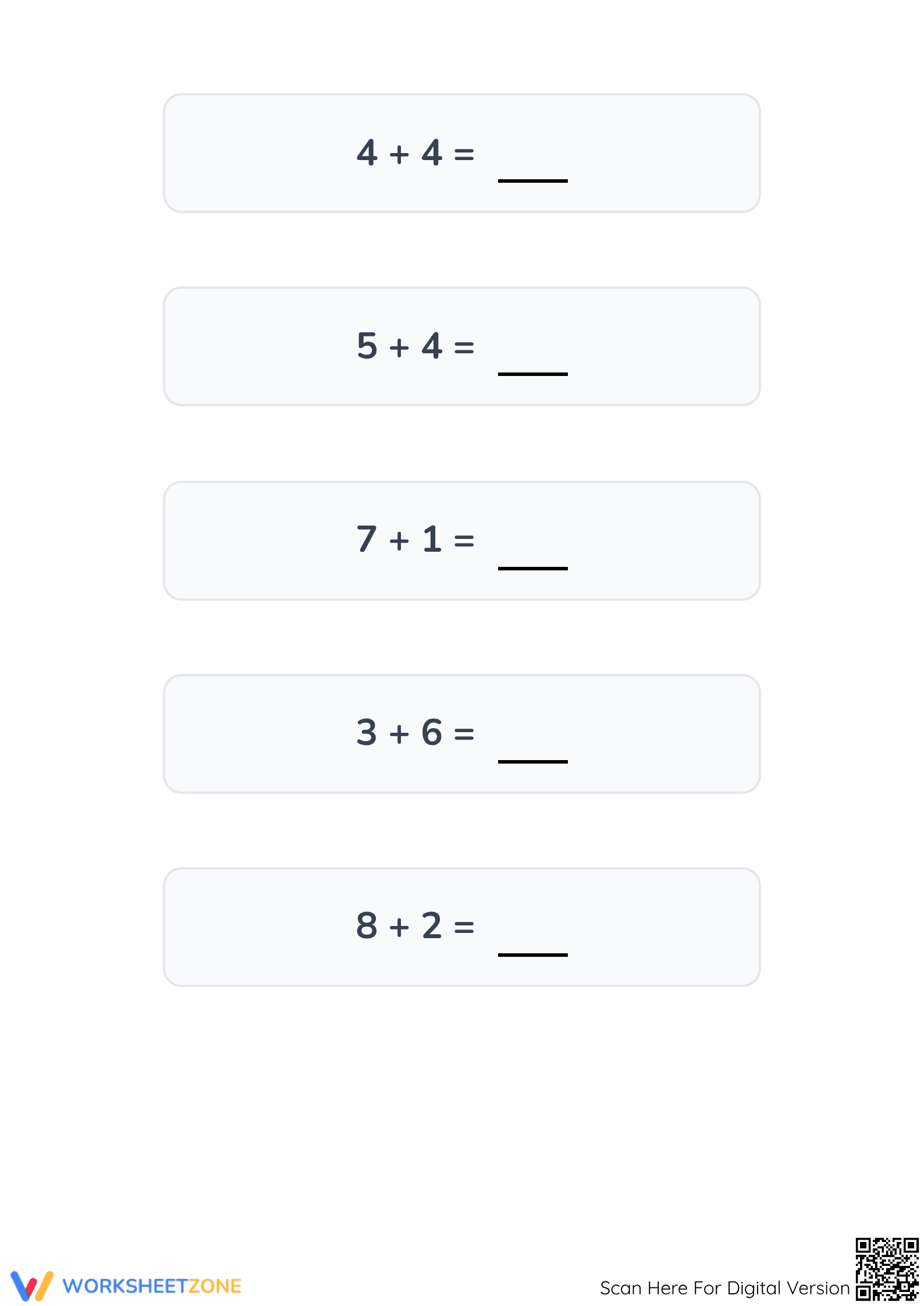

Essential Grade 1 Comparing Numbers Printable Worksheet
Paste this activity's link or code into your existing LMS (Google Classroom, Canvas, Teams, Schoology, Moodle, etc.).
Students can open and work on the activity right away, with no student login required.
You'll still be able to track student progress and results from your teacher account.
This comprehensive Grade 1 math worksheet empowers students to master comparing two-digit numbers using relational symbols. Learners develop a deep understanding of place value and numerical relationships through sixty structured practice problems. This resource ensures students can confidently identify greater, lesser, or equal values, providing a firm foundation for future mathematical success.
At a Glance
- Grade: 1 · Subject: Math
- Standard:
CCSS.MATH.CONTENT.1.NBT.B.3— Compare two two-digit numbers using the symbols >, =, and <- Skill Focus: Comparing two-digit numbers
- Format: 5 pages · 60 problems · Answer key included · PDF
- Best For: Independent practice and small group math centers
- Time: 20–30 minutes
What's Inside
This resource consists of five high-quality pages, each featuring twelve distinct comparison problems. The worksheet provides a clean, distraction-free layout with clear boxes for writing the correct symbols. It includes numbers from 10 to 99, reinforcing place value concepts. A complete answer key is provided for rapid grading or self-correction, making it a reliable addition to any Grade 1 math toolkit.
Skill Progression
The practice follows a logical gradual-release model. Initial problems offer guided practice with different tens digits to build basic confidence. Middle sections move to supported practice where numbers share the same tens digit, requiring closer inspection of the ones place. Finally, concluding pages provide independent practice with a randomized mix of difficult comparisons. This progression ensures students move from recognition to fluent application of symbols.
Standards Alignment
Aligned with CCSS.MATH.CONTENT.1.NBT.B.3, this worksheet requires students to compare two-digit numbers based on the meanings of the tens and ones digits. It reinforces place value understanding while introducing the formal notation used in higher-level math. This standard code can be copied directly into lesson plans, IEP goals, or curriculum mapping tools to ensure instructional consistency across the Grade 1 level.
How to Use It
Use this worksheet after direct instruction on place value and comparison symbols. It works well as a formative assessment; observe if students compare the tens digit first or get tripped up by reversed digits. These pages also serve as excellent morning work or fast-finisher activities. Students typically complete one page in five to seven minutes, allowing for flexible classroom implementation and easy tracking of student progress.
Who It's For
This worksheet is primarily for Grade 1 students mastering number sense standards. It also serves as an excellent intervention tool for Grade 2 students who need a refresher on relational symbols. The predictable format and clear instructions support English Language Learners and students with specific learning needs. Pairing the worksheet with base-ten blocks provides concrete support for struggling learners during small-group instruction or targeted math interventions.
Research from NAEP indicates that early mastery of numerical comparison is a significant predictor of later success in algebraic thinking and complex problem-solving. By requiring students to interpret the magnitude of numbers rather than just performing rote calculations, this worksheet develops the foundational mental number line necessary for mathematical fluency. Aligned with CCSS.MATH.CONTENT.1.NBT.B.3, the resource focuses on the specific skill of using formal symbols to represent quantitative relationships between two-digit numerals. This targeted practice helps bridge the gap between concrete understanding and abstract mathematical representation. Utilizing sixty individual tasks ensures that students move beyond lucky guesses and toward a statistically significant level of accuracy in their comparisons. Teachers can use the resulting data to identify specific misconceptions regarding place value, particularly when comparing numbers with similar digits. This data-driven approach is essential for providing effective feedback and ensuring that every student meets grade-level benchmarks in base ten.


