


























Views
Downloads
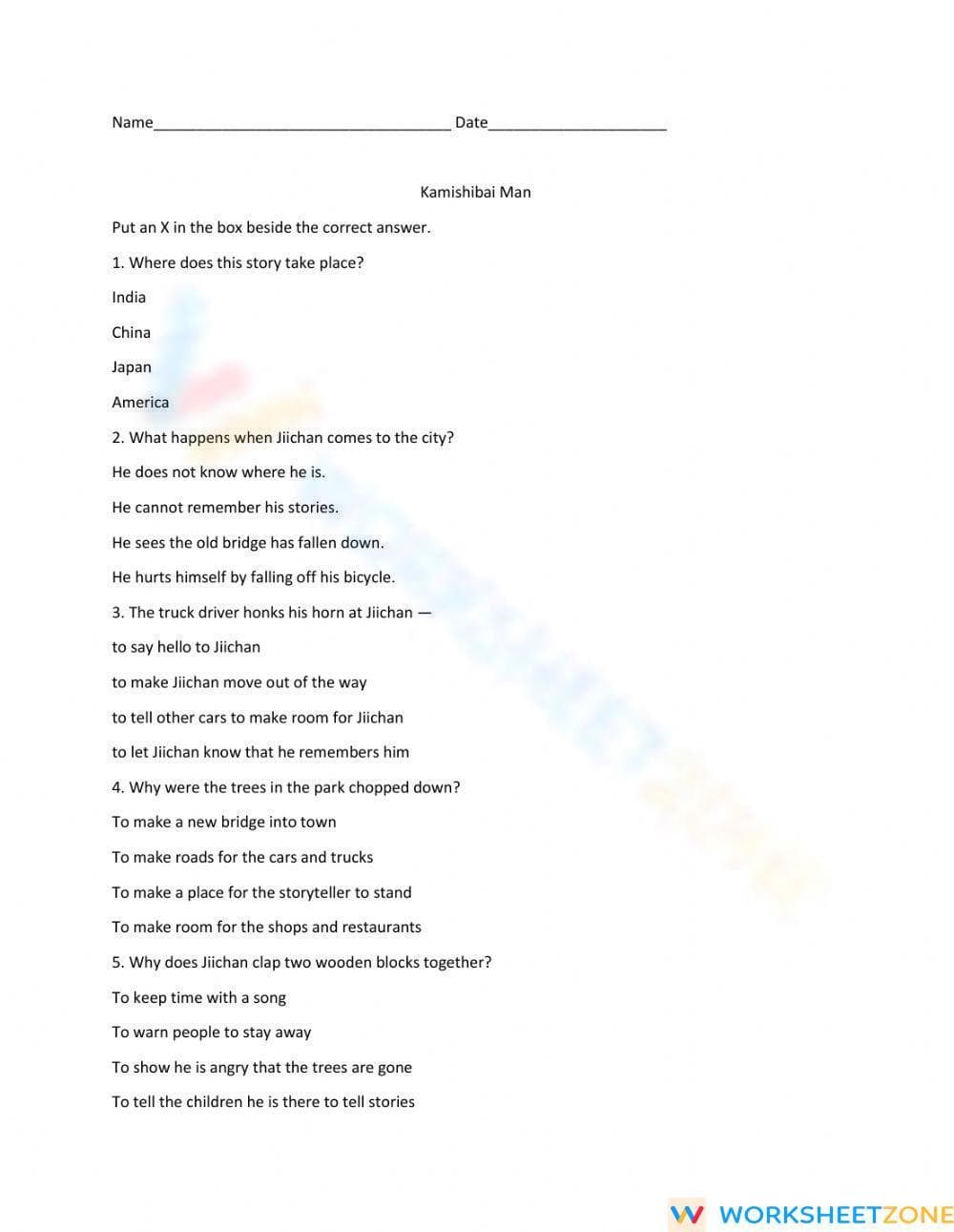
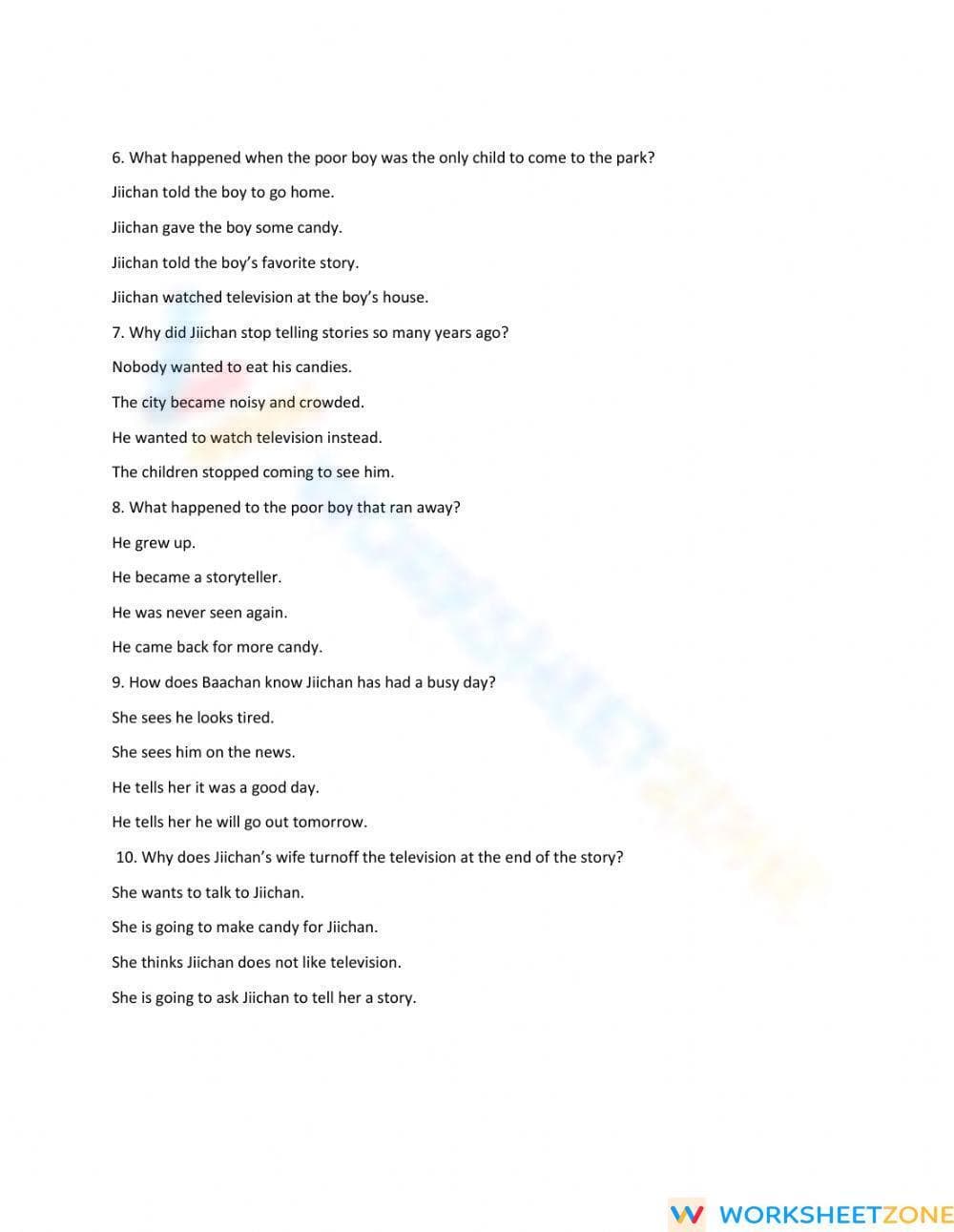
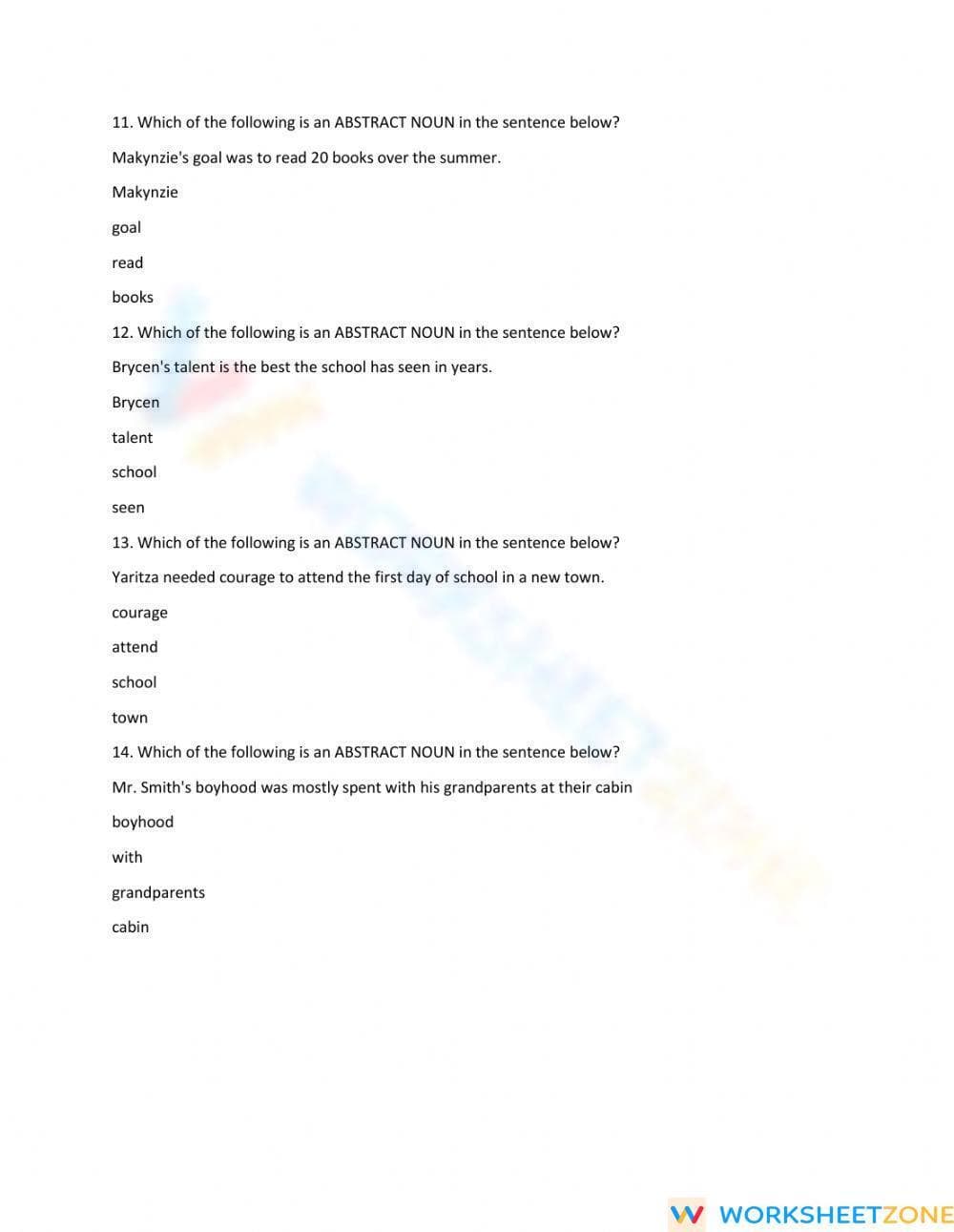
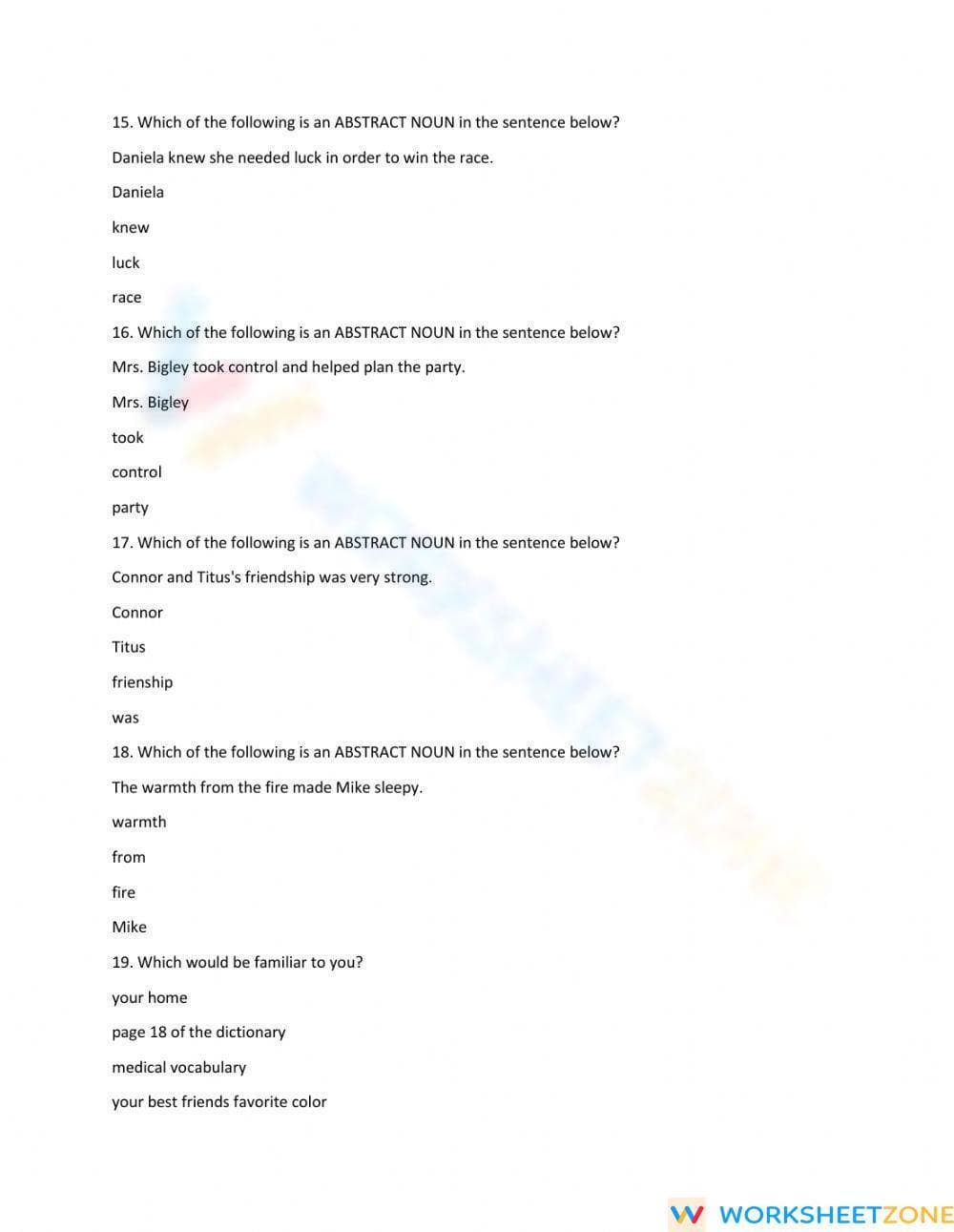

Printable Kamishibai Man Test | Grade 3 ELA Assessment
Paste this activity's link or code into your existing LMS (Google Classroom, Canvas, Teams, Schoology, Moodle, etc.).
Students can open and work on the activity right away, with no student login required.
You'll still be able to track student progress and results from your teacher account.
This Grade 3 Kamishibai Man test provides a rigorous summative assessment of student understanding after reading Allen Say's beloved literary text. By integrating literal recall with higher-order linguistic analysis, this worksheet ensures students have mastered both the narrative arc and the foundational grammar skills introduced within the Journeys curriculum. It serves as a complete evaluation of core ELA competencies.
At a Glance
- Grade: 3 · Subject: English Language Arts (ELA)
- Standard:
CCSS.ELA-LITERACY.RL.3.1— Ask and answer questions to demonstrate understanding of a text, referring to the text- Skill Focus: Reading Comprehension & Language Mechanics
- Format: 6 pages · 30 problems · Answer key included · PDF
- Best For: Summative assessment after reading Kamishibai Man
- Time: 35–45 minutes
What’s Inside
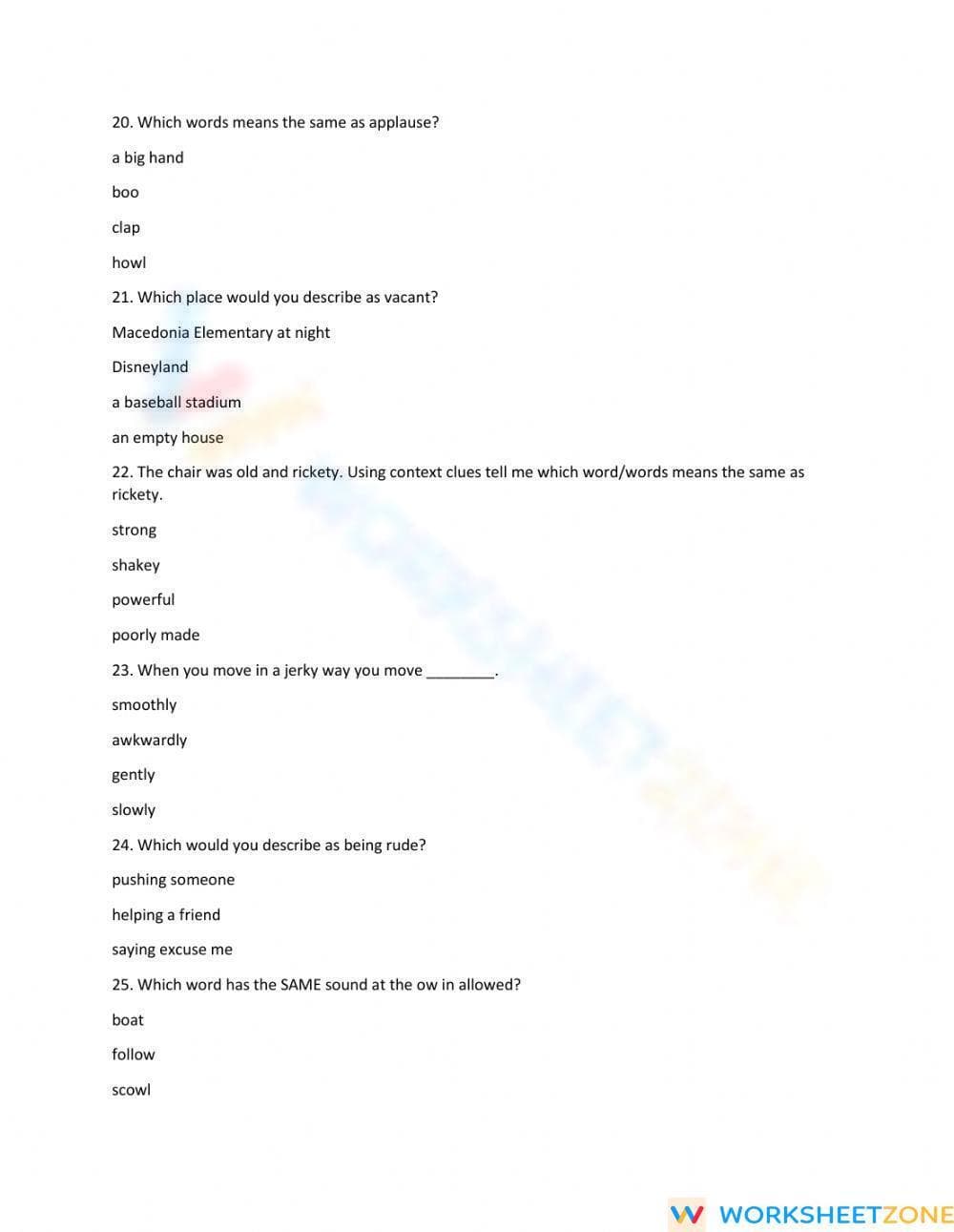
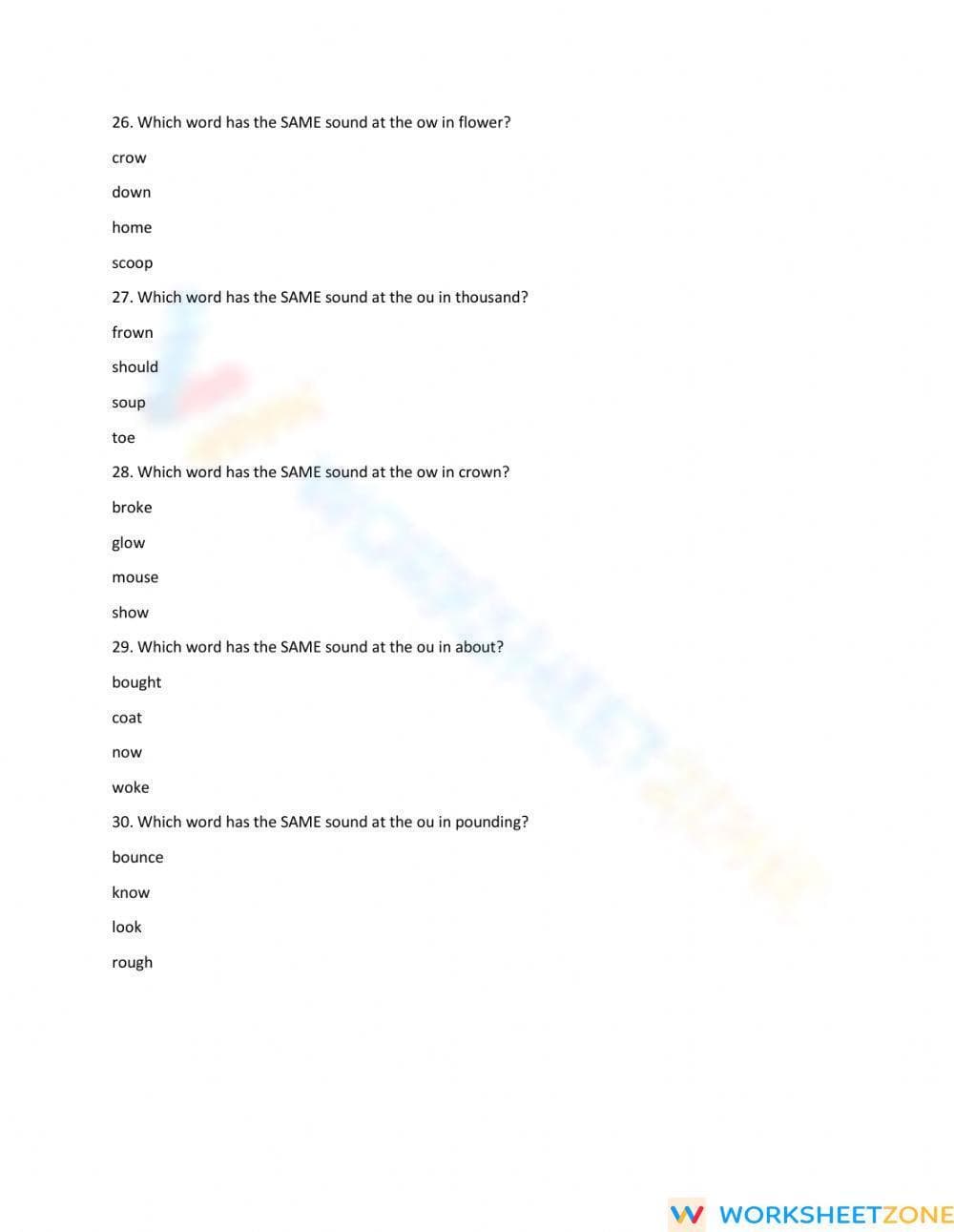
This comprehensive 6-page assessment features 30 carefully crafted multiple-choice questions. The first two pages focus on deep reading comprehension and character analysis of the protagonist's journey. Following this, the test transitions into a robust language arts section featuring 8 abstract noun identification tasks, 6 vocabulary and context clue applications, and 6 phonics problems focusing on complex diphthongs.
Skill Progression
- Guided Recall: The initial ten questions guide students through the story's setting in Japan and the protagonist's cultural journey.
- Supported Application: Students apply grammar knowledge by identifying abstract nouns within provided sentences, supported by clear multiple-choice options.
- Independent Mastery: The assessment concludes with independent practice distinguishing between subtle vowel sounds, specifically focusing on "ou" and "ow" diphthongs.
This progression follows a gradual release model, moving from concrete story details to abstract linguistic concepts, ensuring students are scaffolded toward independent mastery of Grade 3 standards.
Standards Alignment
The primary focus of this worksheet is CCSS.ELA-LITERACY.RL.3.1, which requires students to ask and answer questions to demonstrate understanding of a text, referring explicitly to the text. Additionally, the assessment targets CCSS.ELA-LITERACY.L.3.1.C, identifying and using abstract nouns. Both standard codes can be copied directly into lesson plans, IEP goals, or district curriculum mapping tools.
How to Use It
This resource is best utilized as a summative assessment at the conclusion of a week-long study of the text. Teachers should provide 35 to 45 minutes for completion, depending on student reading speed. During the session, observe how students handle the transition from narrative questions to grammar tasks; difficulty in the abstract noun section may indicate a need for targeted re-teaching.
Who It’s For
Designed for 3rd and 4th-grade students, this test is particularly effective for learners using the Journeys reading program. The multiple-choice format provides excellent scaffolding for English Language Learners (ELLs) and students with IEP accommodations who require structured options. It pairs naturally with a story map or a character trait anchor chart used during initial direct instruction.
Aligned with CCSS.ELA-LITERACY.RL.3.1, this assessment targets evidence-based reading comprehension. Research highlights the importance of structured assessments post-narrative reading for cementing text structure memory. By requiring identification of abstract nouns and navigation of context clues, this tool addresses the "language gap" identified in NAEP data, as early mastery of non-concrete language predicts academic success. Phonics practice aligns with integrated literacy instruction recommendations. This 30-task evaluation offers a reliable sample for teachers to gauge mastery and trends, essential for data-driven classrooms aiming to meet national rigor requirements and prepare students for high-stakes testing.


