


























Views
Downloads


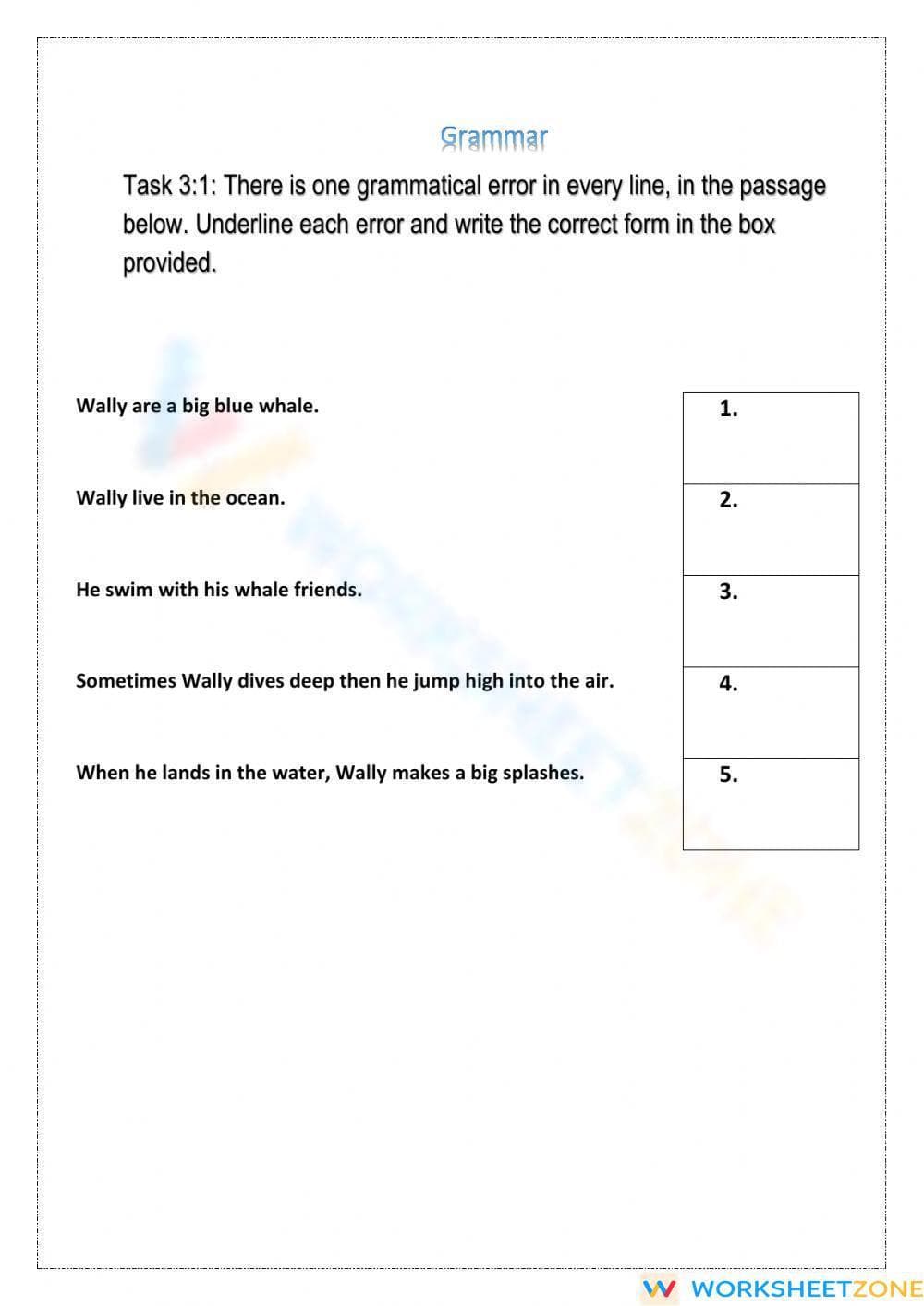
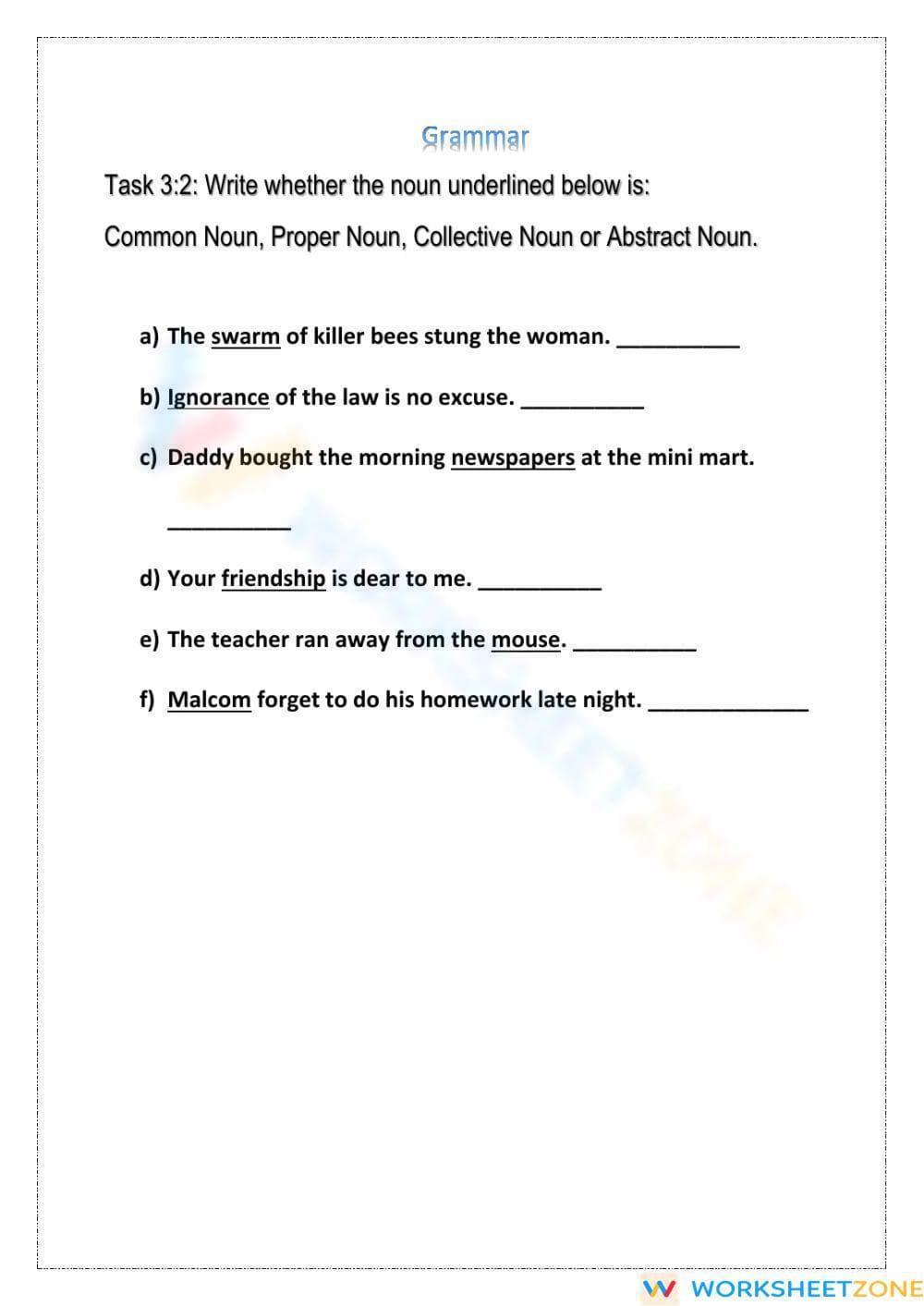
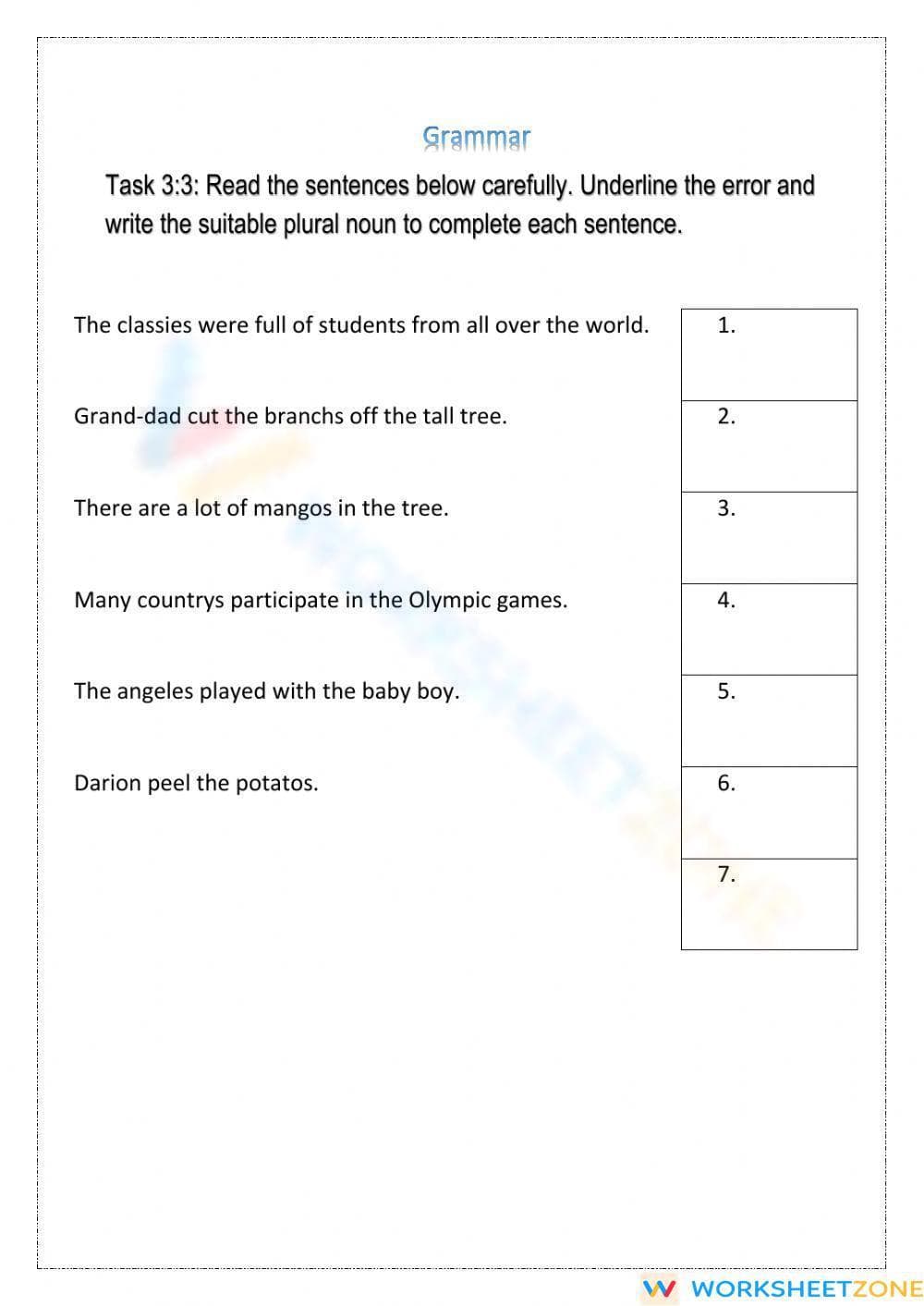

Grade 2 Language Mechanics — Printable No-Prep Worksheet
Paste this activity's link or code into your existing LMS (Google Classroom, Canvas, Teams, Schoology, Moodle, etc.).
Students can open and work on the activity right away, with no student login required.
You'll still be able to track student progress and results from your teacher account.
Comprehensive Language Skills Practice
Mastery of language mechanics is a foundational requirement for young writers. This comprehensive Grade 2 English Language Arts worksheet provides a structured environment for students to practice essential spelling, punctuation, and grammar skills. By engaging with these diverse tasks, learners develop the precision needed for clear and effective communication in their daily writing.
At a Glance
- Grade: 2 · Subject: English Language Arts (ELA)
- Standard:
CCSS.ELA-LITERACY.L.2.2— Apply correct spelling, punctuation, and capitalization conventions in writing- Skill Focus: Language Mechanics & Grammar
- Format: 5 pages · 29 problems · Answer key included · PDF
- Best For: Comprehensive unit review or formative assessment
- Time: 45–60 minutes
What's Inside
This five-page packet targets specific language standards through varied activities. Students complete six spelling corrections, six punctuation tasks, and seventeen grammar problems covering subject-verb agreement and noun classification. The clean layout ensures focus, and each page is clearly labeled for individual or packet use. A full answer key is included for teacher convenience.
Zero-Prep Workflow
This packet is designed for maximum efficiency in the classroom, requiring minimal preparation time for the educator.
- Print: Select the entire five-page PDF or specific skill pages for targeted practice based on your current lesson objectives.
- Distribute: Hand out the worksheets as a comprehensive packet for independent work time or use individual pages as exit tickets.
- Review: Utilize the provided answer key for rapid verification of student work, allowing for immediate feedback and instructional adjustments.
This streamlined workflow makes the resource an ideal choice for emergency sub plans or as a reliable morning work routine that students can begin independently.
Standards Alignment
This resource is primarily aligned to `CCSS.ELA-LITERACY.L.2.2`, focusing on capitalization, punctuation, and spelling conventions. The grammar sections also support `CCSS.ELA-LITERACY.L.2.1` regarding noun types and subject-verb agreement. Both standard codes can be copied directly into lesson plans, IEP goals, or district curriculum mapping tools.
How to Use It
Use this as a unit review or formative assessment. Start with the spelling section as a whole-group activity, then transition to independent work for the punctuation and grammar tasks. Monitor student progress during the noun identification section to identify specific misconceptions. Completion typically takes roughly 45-60 minutes.
Who It's For
Designed for Grade 2, but suitable for Grade 1 enrichment or Grade 3 intervention. It pairs well with classroom noun anchor charts or specific lessons on ending punctuation. The variety of tasks ensures that students with different needs find accessible entry points into the practice.
The integration of mechanics practice within a single resource aligns with research by Fisher & Frey (2014) regarding scaffolded literacy. According to their findings, students benefit from a "gradual release" model where guided practice transitions into independent application. This Grade 2 worksheet facilitates that transition by providing structured tasks aligned with CCSS.ELA-LITERACY.L.2.2. Addressing spelling, punctuation, and noun identification helps students build a cohesive understanding of language conventions. NAEP research indicates that early mastery of these mechanics is a strong predictor of long-term writing proficiency. This tool provides the repetitive practice necessary to move these skills toward automaticity, ensuring learners are prepared for complex compositional tasks in future grades. Such targeted practice allows educators to identify specific instructional gaps before moving to advanced writing units, supporting a data-driven approach to elementary literacy instruction.


