


























Views
Downloads




Complete Earthworm Dissection Guide | Grades 9-12 Biology
Paste this activity's link or code into your existing LMS (Google Classroom, Canvas, Teams, Schoology, Moodle, etc.).
Students can open and work on the activity right away, with no student login required.
You'll still be able to track student progress and results from your teacher account.
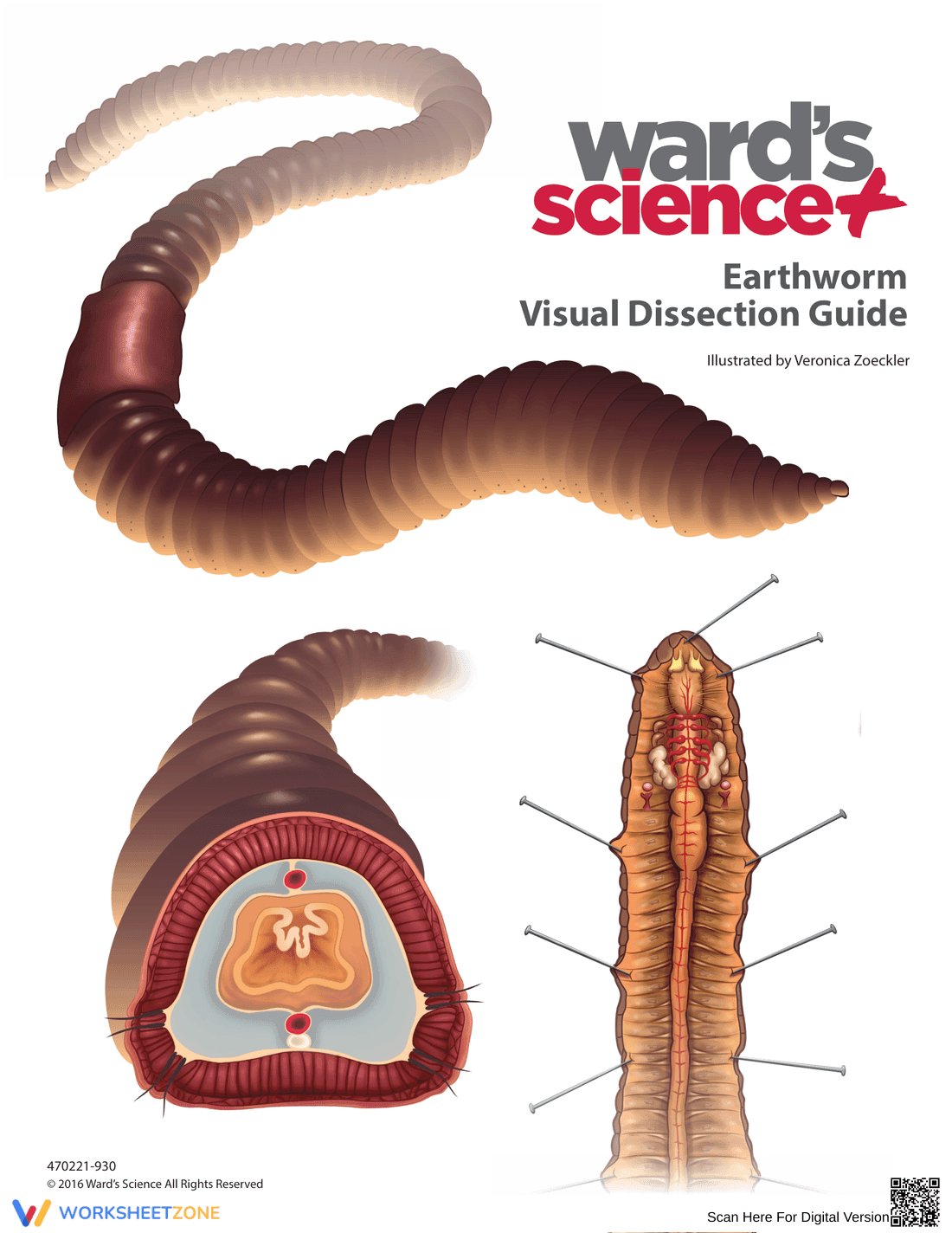
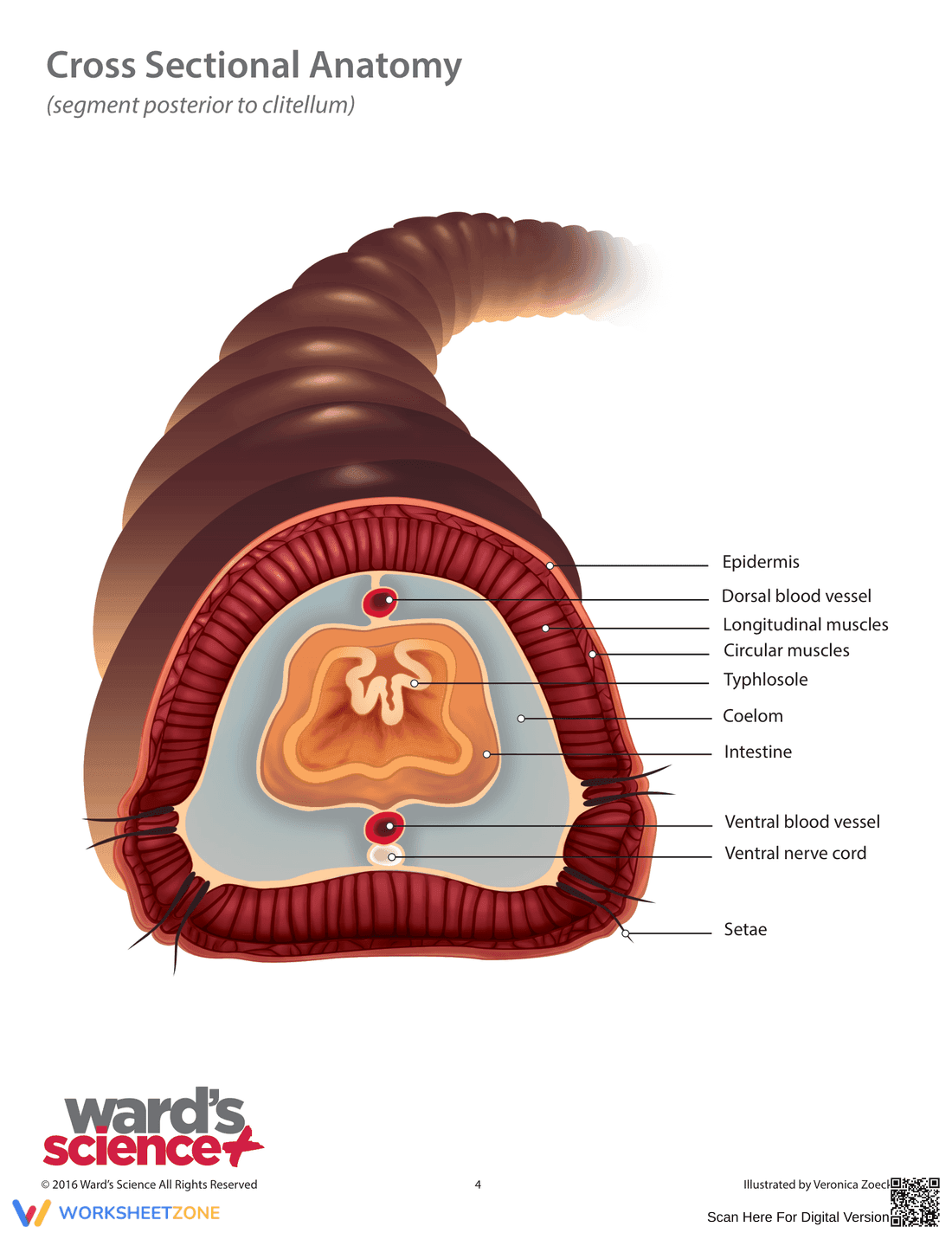
This comprehensive high school biology worksheet provides students with a detailed visual guide to earthworm anatomy. By studying high-quality diagrams of external, internal, and cross-sectional structures, students will accurately identify key organs and understand their functions within the organism's interacting systems before or instead of a physical lab.
At a Glance
- Grade: 9-12 · Subject: Biology
- Standard:
HS-LS1-2— Illustrate the organization of interacting systems in multicellular organisms- Skill Focus: Earthworm Anatomy Identification
- Format: 8 pages · 27 problems · Answer key included · PDF
- Best For: Pre-lab preparation or alternative
- Time: 30–45 minutes
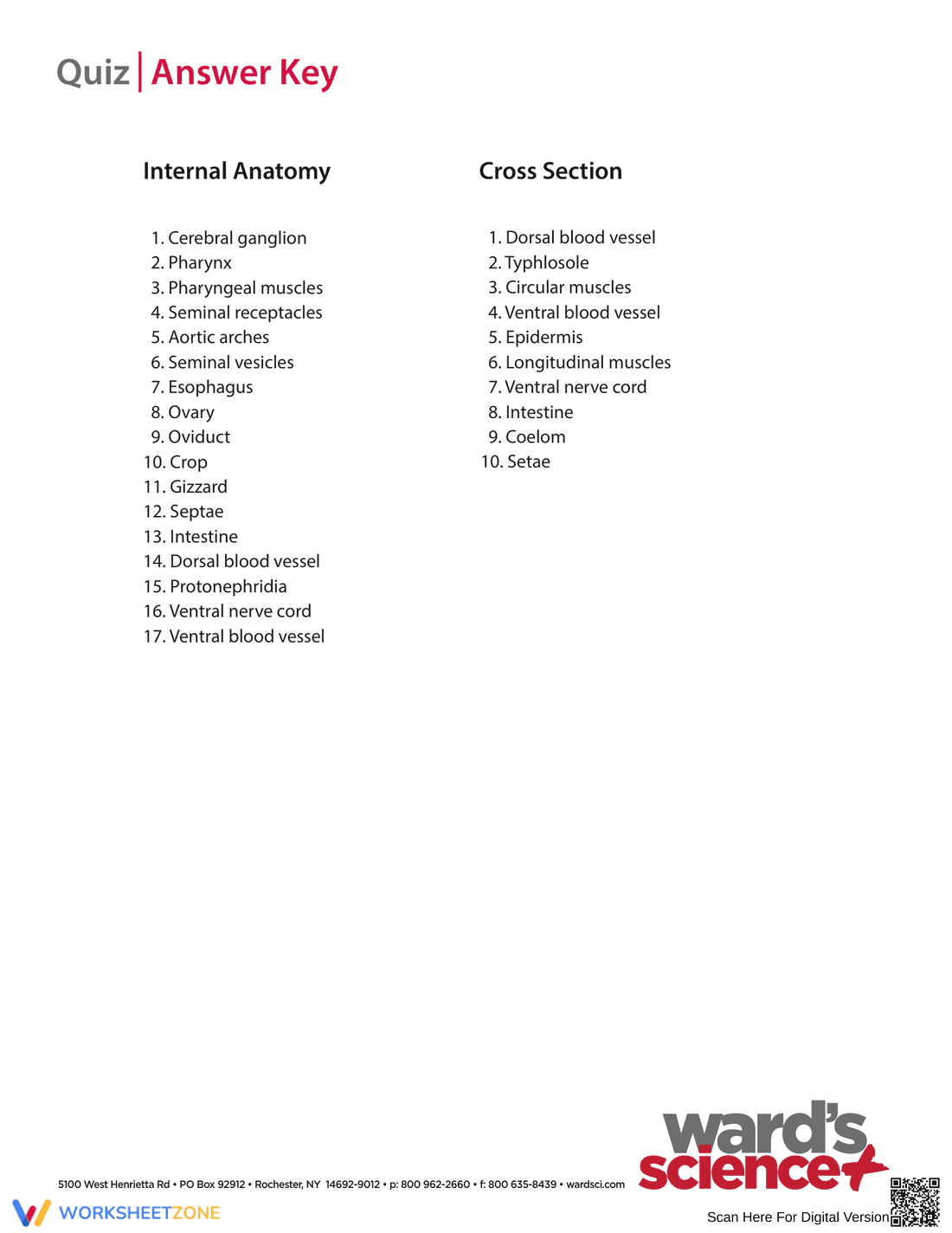
This eight-page packet includes a beautifully illustrated visual dissection guide covering external anatomy, precise incision instructions, internal organ mapping, and cross-sectional views. Following the reference materials, students complete a comprehensive 27-question labeling quiz to test their retention of the anatomical structures. A complete answer key is provided at the end of the document for quick and accurate grading.
Implementing this resource requires virtually no teacher preparation.
- Print (1 minute): Simply print the complete PDF packet or assign the reference pages digitally to save paper.
- Distribute (1 minute): Hand out the visual guides and the final quiz page to your high school biology students.
- Review (3 minutes): Use the included answer key to quickly grade the 27 labeling tasks or project it for self-correction.
With a total prep time of under two minutes, this packet is an ideal emergency sub plan or a seamless addition to your invertebrate zoology unit.
This resource is aligned to the Next Generation Science Standards, specifically focusing on HS-LS1-2: Develop and use a model to illustrate the hierarchical organization of interacting systems that provide specific functions within multicellular organisms. By mapping the earthworm's digestive, circulatory, and nervous systems, students visualize how these distinct structures work together to sustain life. Both standard codes can be copied directly into lesson plans, IEP goals, or district curriculum mapping tools.
This visual guide serves as an excellent pre-lab activity to familiarize students with earthworm anatomy before they handle actual specimens, reducing anxiety and improving lab efficiency. Alternatively, it functions perfectly as a standalone virtual dissection for classrooms without access to wet lab materials. As a formative assessment tip, walk around while students complete the quiz and check if they can distinguish between the crop and the gizzard, as these are commonly confused structures. Expect the reading and quiz to take approximately 30 to 45 minutes.
This worksheet is designed for high school biology, anatomy, or life science students in grades 9 through 12. The clear, color-coded diagrams provide excellent scaffolding for visual learners and English Language Learners who might struggle with text-heavy anatomical descriptions. Pair this resource with a hands-on dissection lab or a comparative anatomy lesson focusing on other invertebrates to deepen student comprehension.
Effectively teaching complex biological structures requires high-quality visual models, especially when addressing standards like HS-LS1-2 where students must illustrate the organization of interacting systems in multicellular organisms. According to a ScienceDirect TpT Analysis, integrating detailed visual guides and diagrams significantly enhances student retention of anatomical vocabulary and spatial relationships compared to text-based instruction alone. This earthworm dissection packet leverages precise illustrations to reduce cognitive load, allowing students to focus on the functional relationships between organs rather than struggling to interpret ambiguous descriptions. By providing clear reference materials alongside a targeted labeling assessment, educators can ensure students build a robust foundational understanding of invertebrate anatomy. This approach not only prepares students for physical dissections but also serves as a rigorous, equitable alternative for classrooms lacking traditional laboratory resources.


