


























Views
Downloads
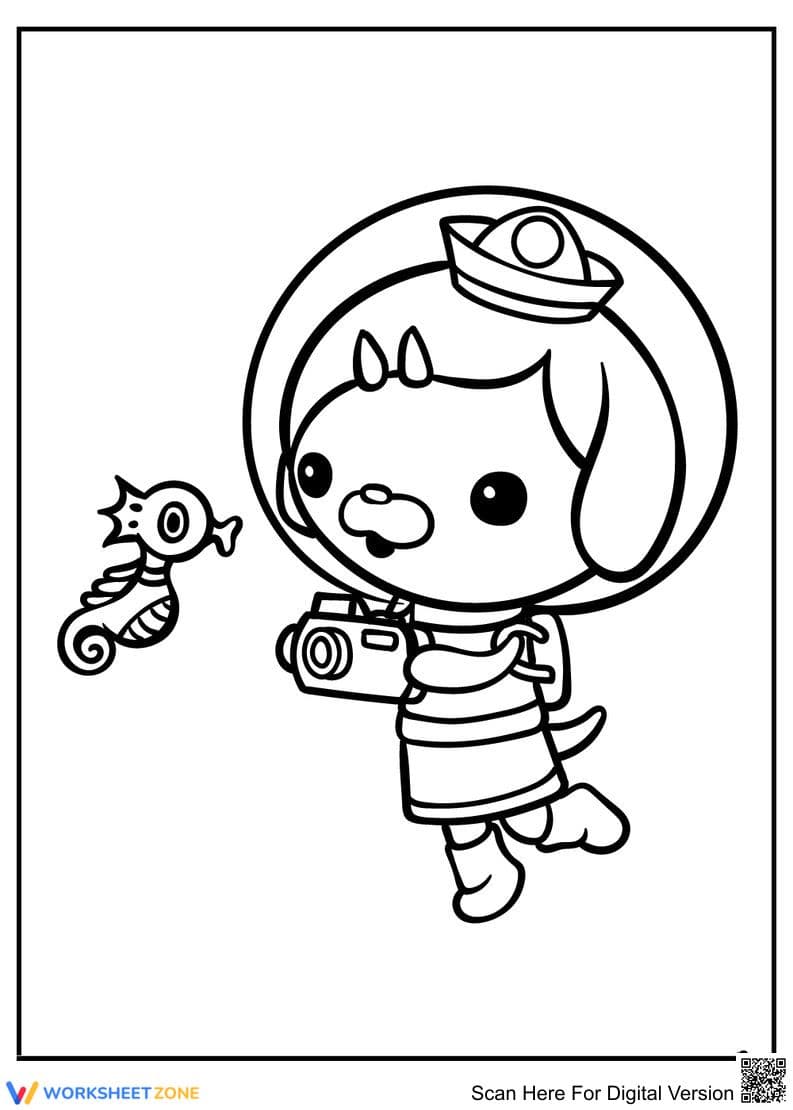

Grade K-5 Dashi and Seahorse — Printable No-Prep Worksheet
Paste this activity's link or code into your existing LMS (Google Classroom, Canvas, Teams, Schoology, Moodle, etc.).
Students can open and work on the activity right away, with no student login required.
You'll still be able to track student progress and results from your teacher account.
This Dashi and a seahorse coloring worksheet provides young learners with a creative outlet to develop fine motor control while engaging with familiar characters. Students use their imagination to bring the underwater scene to life, fostering artistic expression and narrative thinking. It serves as an excellent bridge between visual arts and early literacy development.
At a Glance
- Grade: K-5 · Subject: Arts & English
- Standard:
CCSS.ELA-LITERACY.SL.K.5— Add drawings to descriptions to provide additional detail and clarify ideas- Skill Focus: Fine motor skills & creativity
- Format: 1 page · 1 task · No answer key · PDF
- Best For: Morning work or early finishers
- Time: 15–20 minutes
Inside this resource, you will find a high-quality, single-page PDF featuring a clean line-art illustration of Dashi from the Octonauts taking a photo of a seahorse. The large, clear outlines are designed to accommodate various coloring tools, from thick crayons for Kindergarteners to fine-tipped markers for older elementary students. The composition encourages students to add their own background details, turning a simple coloring task into a complete scene creation.
The zero-prep workflow is designed for maximum efficiency in busy classrooms. First, print the single-page PDF in seconds. Second, distribute the sheets along with coloring supplies to your students. Third, allow students to work independently while you transition between lessons or manage small groups. Total teacher preparation time is under 2 minutes, making it an ideal sub plan addition or a quick activity for students who finish their primary assignments early.
This worksheet aligns with `CCSS.ELA-LITERACY.SL.K.5`, which encourages students to use visual displays to enhance their descriptions. By coloring and potentially adding "fun sea creatures" as suggested in the prompt, students practice clarifying ideas through visual media. This standard code can be copied directly into lesson plans, IEP goals, or district curriculum mapping tools to ensure all classroom activities remain standards-based.
Use this worksheet as a calming brain break after a rigorous math or reading block. It also works well as a formative assessment tool; observe how students handle the coloring tools to gauge their manual dexterity and pencil grip strength. Expected completion time ranges from 15 to 20 minutes depending on the level of detail the student chooses to add to the background and the complexity of their color choices.
This resource is primarily for Kindergarten through Grade 5 students who enjoy character-based activities. It is particularly effective for English Language Learners (ELLs) to practice vocabulary related to the ocean, photography, and colors. Pair this with an ocean-themed anchor chart or a read-aloud about marine life to deepen the educational connection and provide context for the characters shown.
Research by Fisher & Frey (2014) emphasizes the importance of visual representation in the gradual release of responsibility model, noting that artistic tasks can scaffold complex linguistic concepts for early learners. This worksheet utilizes the CCSS.ELA-LITERACY.SL.K.5 standard to integrate visual arts into the English Language Arts curriculum, supporting the development of fine motor skills and creative storytelling. By engaging with recognizable characters like Dashi, students are more likely to stay on task and participate in the subsequent verbal description of their work. Studies from the NAEP suggest that integrating arts into the primary classroom improves student engagement and provides a low-stakes environment for practicing precision and focus. This 1-page printable is a practical tool for teachers seeking to balance academic rigor with the developmental necessity of creative play and physical coordination practice in the elementary setting.


