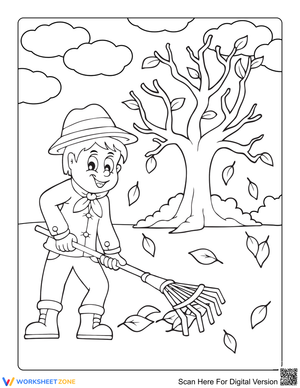
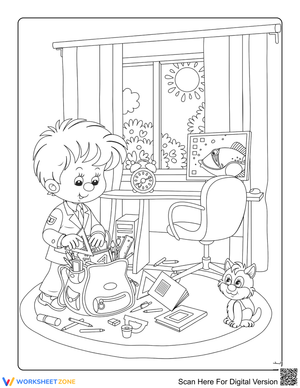
Boys coloring pages give children a fun and creative way to explore themes they enjoy while building focus, patience, and fine motor skills. From cars and robots to dinosaurs, superheroes, sports, animals, and space adventures, these pages can turn quiet time into an imaginative activity. Coloring also gives kids room to make choices, experiment with colors, and express personality without needing complicated instructions or materials.
One of the best things about boys coloring pages is the variety of themes available. Some children may love fast vehicles, construction trucks, race cars, and airplanes, while others may prefer dragons, monsters, ocean animals, or outer space scenes. There are also creative options for children who enjoy technology, machines, and futuristic designs. For kids interested in gears, bots, and inventions, robot and mechanical designs can be an exciting choice that blends art with imagination.
Coloring may look simple, but it supports several important early learning skills. As children color small details, stay inside lines, choose color combinations, and complete a picture, they practice hand-eye coordination, pencil control, visual focus, and decision-making. These skills can support handwriting readiness and classroom confidence. Coloring also gives children a calm activity that helps them slow down, concentrate, and feel proud of finishing something on their own.
Parents and teachers can use boys coloring pages in many settings. They work well for art centers, indoor recess, early-finisher time, quiet breaks, birthday activities, homeschool lessons, or weekend creativity. A coloring page can also become a storytelling prompt. After finishing a picture, children can name the character, describe the scene, or invent a short adventure based on what they colored. This turns the activity into both art and language practice.
Although these pages may be searched as boys coloring pages, many themes can be enjoyed by any child who likes action, adventure, animals, machines, or creative design. The goal is not to limit interests, but to offer engaging choices that match what children are excited about. With the right mix of simple and detailed designs, coloring pages can support creativity, relaxation, and skill-building in a way that feels fun and personal.
Frequently Asked Questions
Question 1: What themes are available in boys coloring pages?
Boys coloring pages can include many themes, such as cars, trucks, dinosaurs, superheroes, robots, sports, animals, dragons, outer space, airplanes, boats, video games, monsters, and construction scenes. Some children enjoy action-based designs, while others prefer detailed machines, fantasy characters, or nature themes. The best theme depends on the child’s interests, age, and attention span. Offering a mix of choices can help children stay excited and motivated to color.
Question 2: What age groups can use boys coloring pages?
Boys coloring pages can be used by preschoolers, kindergarten students, and elementary-aged children. Younger kids usually benefit from simple outlines with large spaces, such as basic cars, animals, or cartoon-style characters. Older children may enjoy more detailed pages with action scenes, patterns, vehicles, robots, or fantasy designs. Choosing the right difficulty level helps children feel challenged without becoming frustrated.
Question 3: What skills do children practice with coloring pages?
Coloring pages help children practice fine motor control, hand-eye coordination, focus, patience, color recognition, and creative decision-making. When children hold crayons or colored pencils, they strengthen the small muscles needed for writing. They also learn to plan where colors should go, complete visual details, and stay with a task until it is finished. These skills are helpful for both art development and early academic growth.
Question 4: How can parents or teachers make coloring activities more creative?
Parents and teachers can make coloring activities more creative by adding simple prompts before or after the activity. Children can create a name for the character, design a background, write a sentence about the picture, or tell a short story based on the scene. They can also experiment with unusual color choices, patterns, or extra details. These small extensions help turn a basic coloring page into a richer creative experience.












 Interactive Worksheet Maker
 Quiz Maker
 Word Search Maker
 Crossword Puzzle Maker
 Word Scramble Generator
 Sentence Scramble Generator
 Handwriting Worksheet Generator
 Name Tracing Generator
 Fill In The Blank Generator