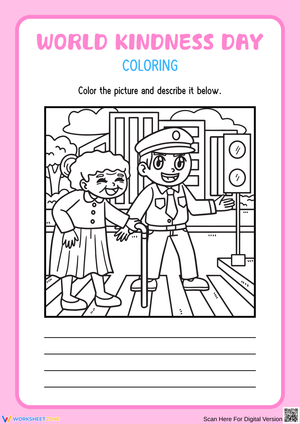
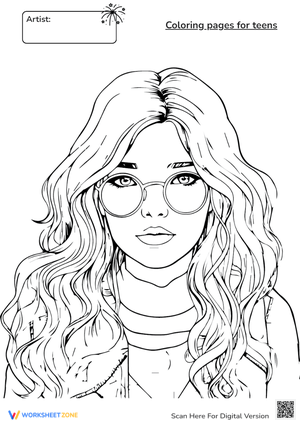
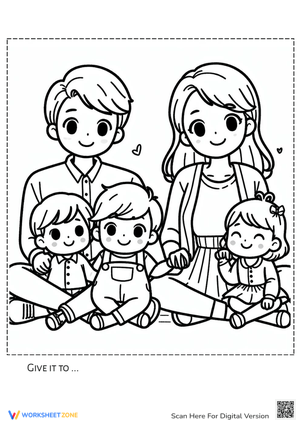
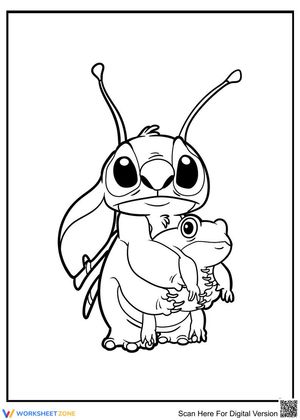
Easter coloring pages have a way of transforming even the quietest classroom into a place of genuine excitement and focused energy. I remember handing out a set of holiday art sheets on a rainy Thursday morning when my students were restless and hard to settle. Within minutes, every child was bent over their paper, carefully choosing colors and tracing the curves of eggs, bunnies, and spring flowers. That simple activity did more for group focus than anything I had planned that day, and it reminded me why printable resources matter so much to everyday teaching.
What makes Easter coloring pages so effective is the combination of structured guidance and open-ended expression they offer to students. The lines give children a framework, while the color choices remain entirely their own. This balance supports fine motor development, hand-eye coordination, and spatial reasoning in a way that feels natural rather than instructional. Teachers can layer these sheets into lesson plans as warm-up tasks, early finisher activities, or thematic centerpieces for a spring unit across multiple grade levels.
Parents who bring these printables home often report that the activity sparks conversations they would not have had otherwise. A child coloring an Easter egg might ask about the holiday, about spring, or simply narrate the story behind the colors they choose. These small moments of dialogue build vocabulary and narrative thinking in an organic way. Worksheetzone offers a wide range of designs suited to different age groups, from large simple shapes for toddlers to detailed patterns that challenge older students and reward patience in the process.
For classrooms building a full seasonal unit, pairing coloring activities with structured worksheets deepens the learning impact considerably. Exploring Easter egg worksheets alongside art pages gives students a chance to connect creative expression with cognitive tasks like counting, pattern recognition, and reading comprehension. This combination keeps learners engaged across subjects and ensures that a themed week feels cohesive rather than scattered. Worksheetzone provides printable resources designed to work together as a complete classroom toolkit for educators planning spring curriculum.
Whether you are a teacher building a week-long spring unit, a parent looking for a meaningful screen- activity, or a student ready to fill a page with color, Easter coloring pages offer something valuable for everyone. The printable format makes them easy to access, prepare, and use in any setting without special materials or preparation time. Worksheetzone is proud to support that learning journey with quality resources that inspire creativity, focus, and joy during the Easter season.
Frequently Asked Questions
Question 1: What age groups benefit most from Easter coloring pages?
Easter coloring pages work well for children from preschool through early elementary grades. Simple bold designs suit younger learners who are building fine motor control, while more detailed patterns challenge students in grades 3 and above. Teachers and parents can select designs based on a child's current skill level and attention span to get the best results from each printable activity.
Question 2: How can teachers use Easter coloring pages in a classroom setting?
Teachers can integrate Easter coloring pages as morning warm-ups, early finisher tasks, or art center rotations during a spring thematic unit. Pairing coloring sheets with literacy or math worksheets creates a well-rounded lesson experience. The printable format makes classroom preparation simple, and students across different skill levels can participate in the same activity with minimal differentiation required by the teacher.
Question 3: Are Easter coloring pages useful for home learning?
Yes, Easter coloring pages are an excellent resource for home learning and screen- downtime. Parents can print them with standard home equipment and use them to encourage creativity, focus, and fine motor practice outside of school hours. They also serve as a natural conversation starter about spring, holidays, and storytelling, making them both educational and enjoyable for children and caregivers spending time together.
Question 4: What skills do children develop by using printable Easter coloring pages?
Children develop fine motor skills, hand-eye coordination, color recognition, and sustained attention through regular coloring practice. Easter coloring pages also support creativity and self-expression as children make independent color choices. For younger learners, staying within lines builds pencil control that transfers directly to early writing skills. These developmental benefits make coloring a valuable and purposeful activity in both classroom and home learning environments.












 Interactive Worksheet Maker
 Quiz Maker
 Word Search Maker
 Crossword Puzzle Maker
 Word Scramble Generator
 Sentence Scramble Generator
 Handwriting Worksheet Generator
 Name Tracing Generator
 Fill In The Blank Generator