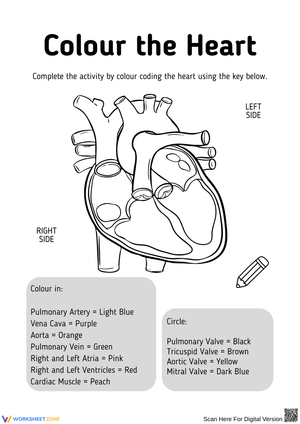
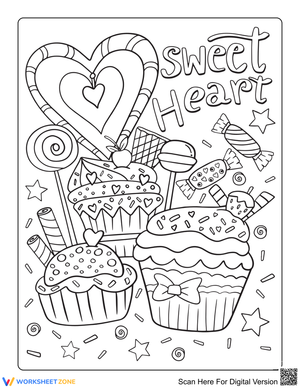
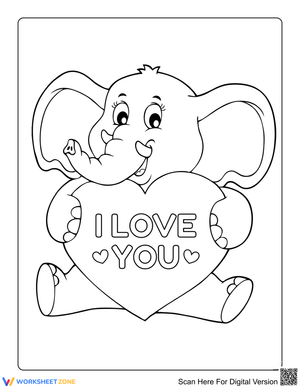
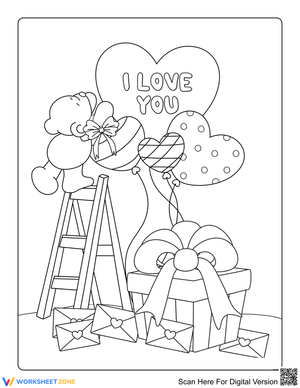
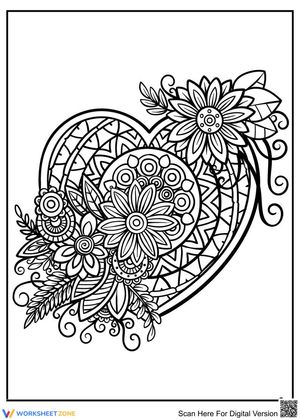
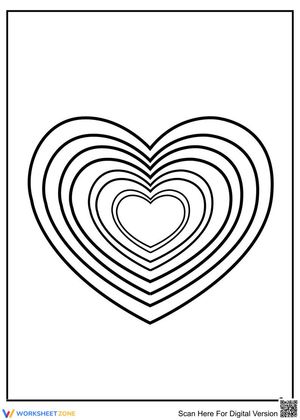
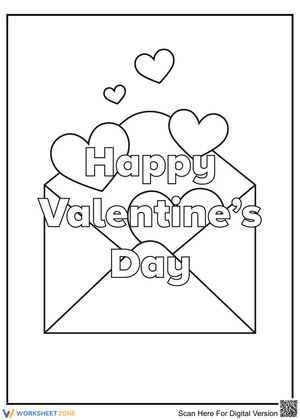
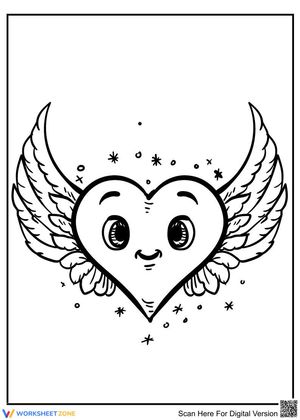
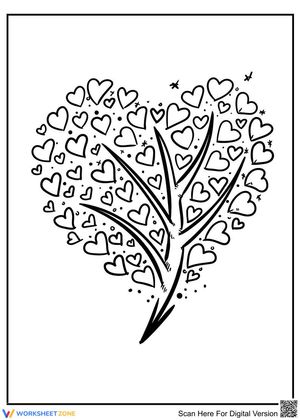
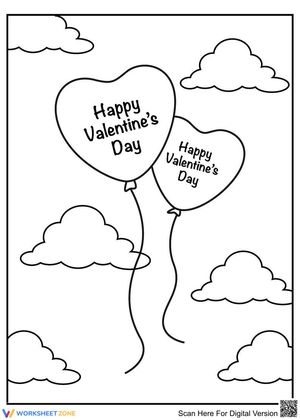
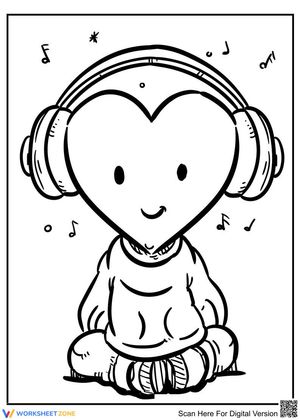
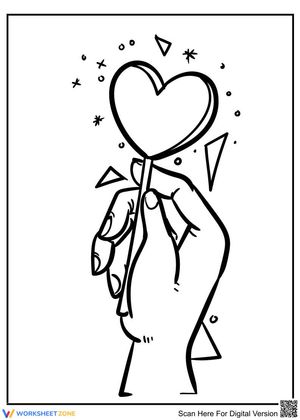
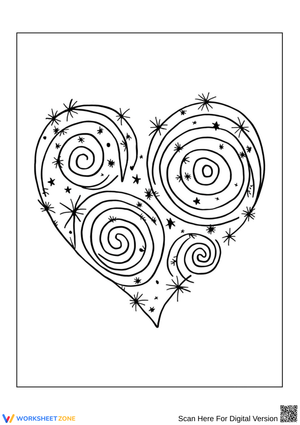
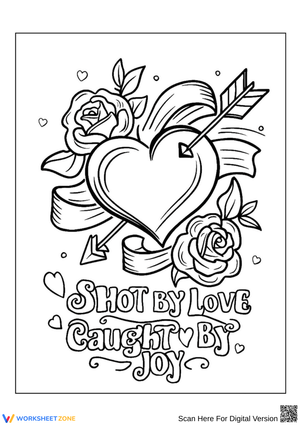
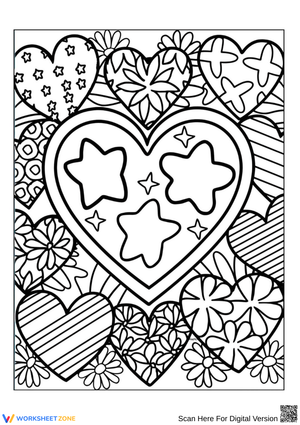
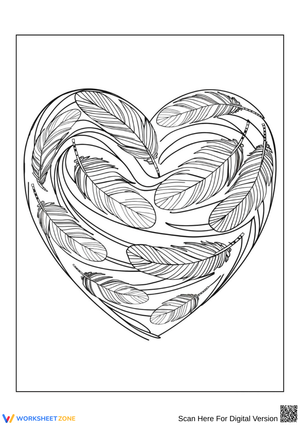
The first time I introduced heart coloring pages during morning warm-up, I was honestly just trying to fill ten minutes before the lesson began. What I did not expect was to watch a child who rarely engaged with any classroom activity sit down, pick up a red crayon, and spend the next fifteen minutes completely absorbed in his work. That small moment reminded me that the right printable resource, offered at the right time, can unlock a kind of quiet focus that no structured lesson plan always manages to achieve. Since that morning, these worksheets have become a permanent part of my classroom toolkit at Worksheetzone.
The developmental value packed into a single heart coloring page is easy to overlook until you watch students work through one closely. As a child traces the curved outline and fills each section with deliberate strokes, they are building the hand-eye coordination and pencil pressure control that directly supports letter formation and early writing readiness. Teachers who use these printables consistently report that students who color regularly tend to show stronger grip endurance and greater precision on handwriting tasks within weeks. Worksheetzone designs every page with bold, clean lines that guide young artists without overwhelming them, making the transition from wide outlines to finer detail a natural developmental progression.
Curiosity thrives when children feel ownership over their creative choices, and that is exactly what happens when students sit down with a heart coloring pages sheet and a full set of crayons. Letting them decide which patterns to fill first, which colors feel right, and how to approach the blank space builds the kind of autonomous decision-making that transfers across every subject area. For teachers who want to extend this creative energy into literacy, pairing these sessions with activities from Valentine poem templates creates a natural cross-curricular connection that links visual art with language in a single lesson block. The combination keeps students engaged longer and gives the activity a richer sense of purpose.
Parents who bring these printables home often discover the same engagement they see described at school. A short coloring session after school or on a weekend morning gives children a structured but gentle way to decompress while still practicing fine motor control. Many parents find that sitting alongside their child and talking quietly about color choices turns into genuine conversation about feelings, creativity, and personal preference. For families who want to keep variety in their printable rotation, the collection of star coloring pages from Worksheetzone offers a complementary set of shapes that maintain the same developmental accessibility in a fresh visual format.
Every child deserves activities that feel achievable and joyful, and that is the standard behind every heart coloring pages printable that Worksheetzone produces. Whether used during morning transitions, quiet center time, or seasonal celebrations, these pages give students a reliable opportunity to build real skills through a familiar, satisfying shape. Teachers and parents who make these a regular part of learning routines will find that the benefits compound quietly over time, showing up in steadier handwriting, longer focus windows, and greater creative confidence in every young learner.
Frequently Asked Questions
Question 1: What skills do heart coloring pages help children develop?
Heart coloring pages support fine motor development, hand-eye coordination, and pencil grip control. These are the same foundational skills needed for handwriting and early academic tasks. Children also practice patience and sustained attention as they work to fill each section carefully. Over time, regular coloring sessions contribute to stronger focus and greater confidence in art and writing activities across all grade levels.
Question 2: What age group benefits most from these printable worksheets?
Children between the ages of 3 and 8 benefit most from heart coloring pages, as this window is critical for developing fine motor control and pencil grip. Simpler designs with bold outlines work well for preschoolers, while more detailed patterns offer an appropriate challenge for early elementary students. Teachers and parents can match the design complexity to each child's current coordination level for best results.
Question 3: How can teachers use these sheets in a classroom setting?
Teachers can incorporate these printables during morning warm-ups, transition periods, quiet center time, or seasonal art activities. Pairing a heart coloring pages sheet with a brief discussion about color choices or feelings can also open meaningful conversations around social-emotional learning. The simple format requires minimal setup, making these worksheets an easy and effective addition to any classroom routine without disrupting the day's lesson plan.
Question 4: Can these worksheets be used for home learning?
Absolutely. Parents can use heart coloring pages at home as part of daily routines, after-school wind-down activities, or weekend creative sessions. The printable format means no special materials are needed beyond a printer and crayons, making them accessible and low-cost for any household. Regular at-home coloring practice reinforces the same fine motor and focus skills that children are building in school, supporting overall developmental progress in a relaxed, enjoyable way.












 Interactive Worksheet Maker
 Quiz Maker
 Word Search Maker
 Crossword Puzzle Maker
 Word Scramble Generator
 Sentence Scramble Generator
 Handwriting Worksheet Generator
 Name Tracing Generator
 Fill In The Blank Generator