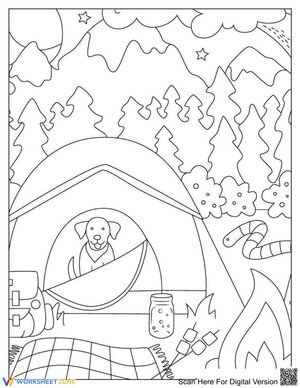
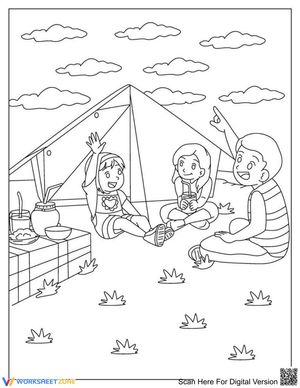
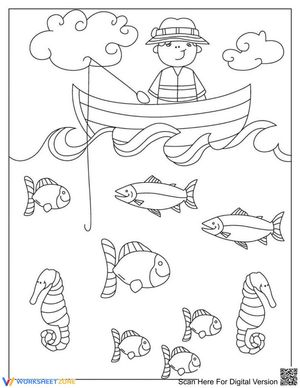
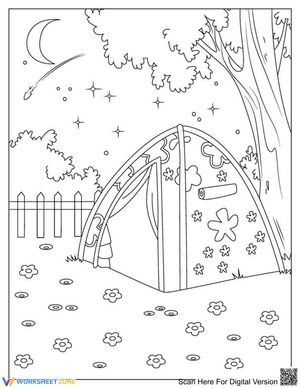
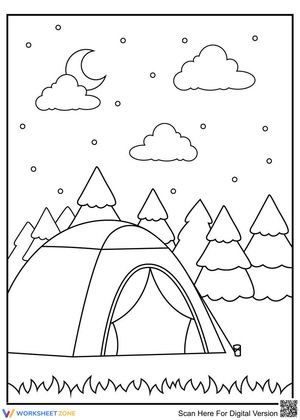
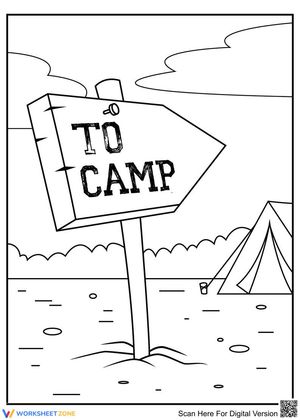
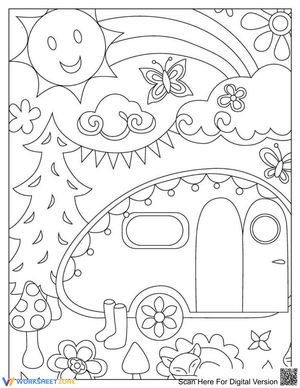
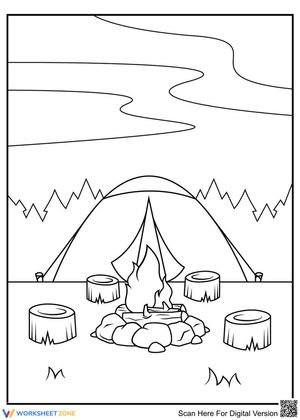
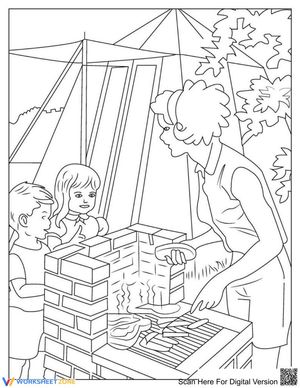
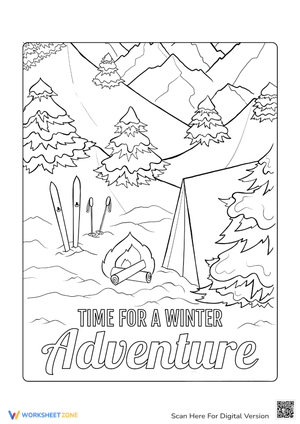
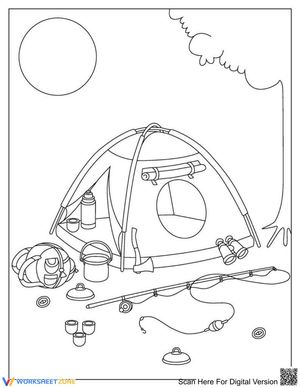
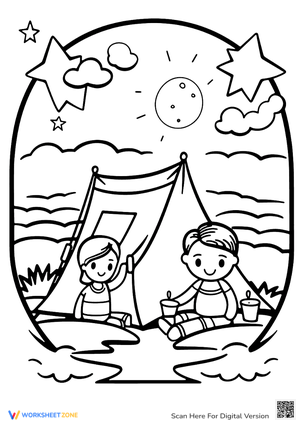
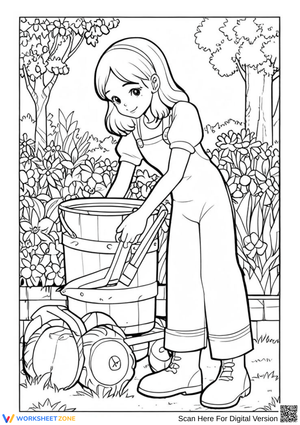
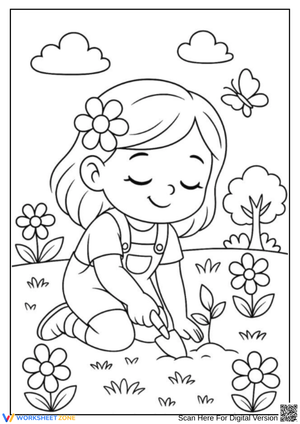
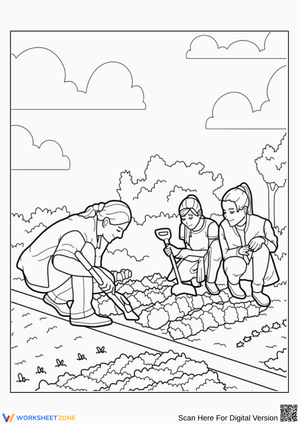
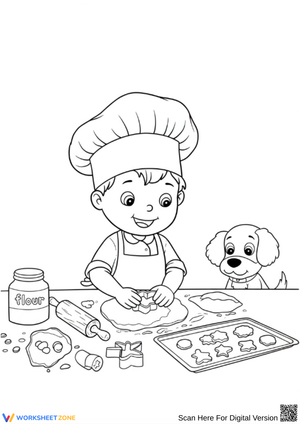
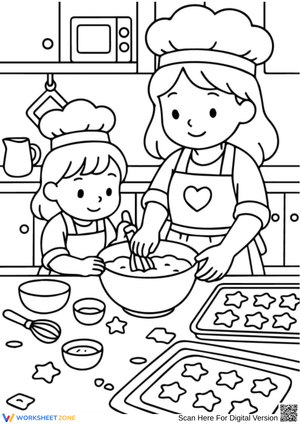
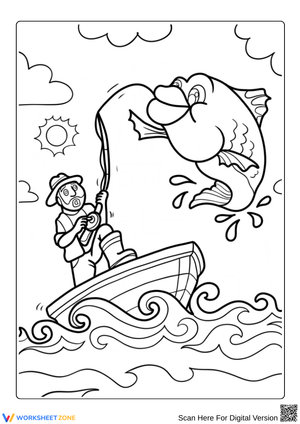
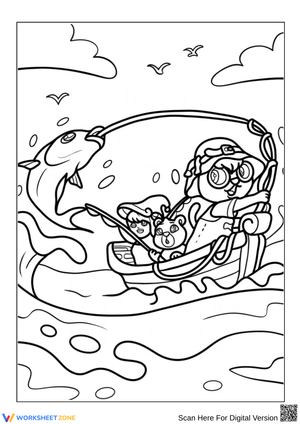
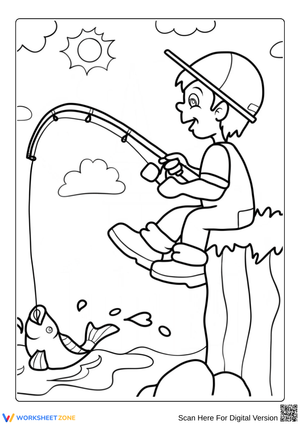
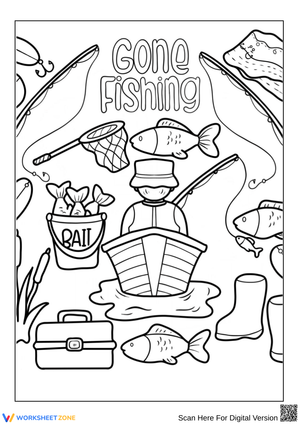
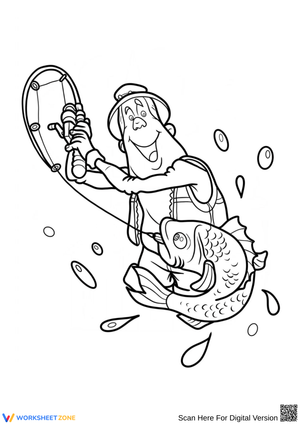
Activity coloring pages are a flexible way to bring creativity, calm, and playful learning into a child’s day without making the experience feel too formal. Unlike a basic coloring sheet with only one image to fill, these pages often give children something extra to do, imagine, complete, decorate, or personalize. A child might color a busy park scene, design a character’s outfit, finish a pattern, add details to a background, or turn a simple picture into a story. This makes the activity feel more interactive while still keeping the relaxing benefits of coloring.
Because this topic is so broad, activity coloring pages can fit many different themes and age groups. Younger children may enjoy simple scenes with animals, toys, food, vehicles, weather, or familiar classroom objects. Older children may prefer pages with more detail, such as seasonal scenes, fantasy worlds, sports activities, hobbies, ocean life, outer space, community helpers, or creative doodle designs. Some pages may include open-ended spaces where kids can draw extra objects, write a name, decorate a border, or decide what happens next in the picture. This variety makes the pages useful for both quick coloring breaks and longer creative sessions.
One reason these pages are so popular is that they combine fun with gentle skill-building. While children color, they practice fine motor control, hand-eye coordination, focus, patience, and color recognition. When a page includes extra activity elements, such as completing a scene or adding details, children also practice creative decision-making and visual planning. They must think about where to place colors, how to organize the page, and what details would make the picture feel complete. The best part is that these skills develop naturally through play, so children can enjoy the process without feeling like they are doing a strict assignment.
Parents can use activity coloring pages in many everyday situations. They work well for quiet time, after-school breaks, weekend art, travel activities, waiting rooms, rainy days, or screen-free family time. A parent might give a child a page with a picnic scene and ask them to add their favorite foods, or offer an animal page and invite them to create a habitat around it. Small prompts like these can turn coloring into storytelling, conversation, and imagination. Children can also use different materials, such as crayons, markers, colored pencils, stickers, paper scraps, or glitter glue, to make each page feel more personal.
Teachers can also use activity coloring pages in flexible classroom routines. They can be helpful for early finishers, indoor recess, art centers, morning work, calm transitions, seasonal activities, classroom displays, or creative writing warm-ups. For example, students can color a scene and then write one sentence about what is happening, add speech bubbles to the characters, or describe the colors they chose. During holidays or classroom celebrations, finished pages can become decorations, cards, bulletin board pieces, or collaborative displays. Since the pages are easy to adapt, teachers can choose simple designs for younger students and more detailed ones for children who enjoy a bigger creative challenge.
Finished activity coloring pages do not have to stay as single sheets of paper. Children can cut out characters, turn scenes into mini posters, make bookmarks, create greeting cards, build storybooks, decorate folders, or use their artwork as part of a craft project. A colored animal page can become a habitat display, a birthday-themed page can become a handmade card, and a seasonal page can become part of a classroom wall. These creative extensions help children feel proud of their work and encourage them to see coloring as a starting point for imagination, not just an activity to finish.
Frequently Asked Questions
Question 1: What types of designs are usually included in activity coloring pages?
Activity coloring pages can include many different kinds of designs, from simple objects and animals to detailed scenes with people, places, and backgrounds. Common themes include seasons, holidays, nature, sports, food, transportation, community helpers, fantasy scenes, classroom activities, and everyday life. Some pages may focus only on coloring, while others may invite children to add patterns, complete a scene, draw extra details, decorate a border, or write a short caption. This makes them suitable for many different creative goals.
Question 2: What age groups can use activity coloring pages?
Activity coloring pages can work for preschoolers, elementary students, and even older children when the design matches their skill level and interests. Younger children usually enjoy large shapes, simple objects, and familiar scenes. Older children may prefer detailed illustrations, open-ended prompts, character scenes, nature designs, or pages that allow more personal style. The key is to choose pages that feel inviting rather than frustrating. A good activity coloring page should give children enough structure to start easily, but enough freedom to make the final artwork their own.
Question 3: How do activity coloring pages support creativity and focus?
These pages support creativity because children are not only filling in spaces; they are often making choices about colors, patterns, backgrounds, and extra details. A child can decide whether a scene looks realistic, silly, magical, bright, calm, or completely imaginative. At the same time, coloring helps build focus because children need to slow down, look carefully, and complete one section at a time. This mix of freedom and concentration makes activity coloring pages useful for both relaxation and creative development.
Question 4: How can parents and teachers extend activity coloring pages after coloring?
After coloring, adults can turn the page into a bigger creative project. Children can write a story about the picture, add speech bubbles, create a title, cut out characters, make a card, design a poster, or display the finished artwork. Teachers might use completed pages for bulletin boards, classroom doors, themed displays, or writing prompts. Parents can use them for handmade gifts, bedroom decorations, travel journals, or weekend crafts. These extensions help children feel that their artwork has a purpose beyond simply finishing the page.












 Interactive Worksheet Maker
 Quiz Maker
 Word Search Maker
 Crossword Puzzle Maker
 Word Scramble Generator
 Sentence Scramble Generator
 Handwriting Worksheet Generator
 Name Tracing Generator
 Fill In The Blank Generator