


























Views
Downloads

Essential Advanced Reading Comprehension | Grades 11-12 ELA
Paste this activity's link or code into your existing LMS (Google Classroom, Canvas, Teams, Schoology, Moodle, etc.).
Students can open and work on the activity right away, with no student login required.
You'll still be able to track student progress and results from your teacher account.
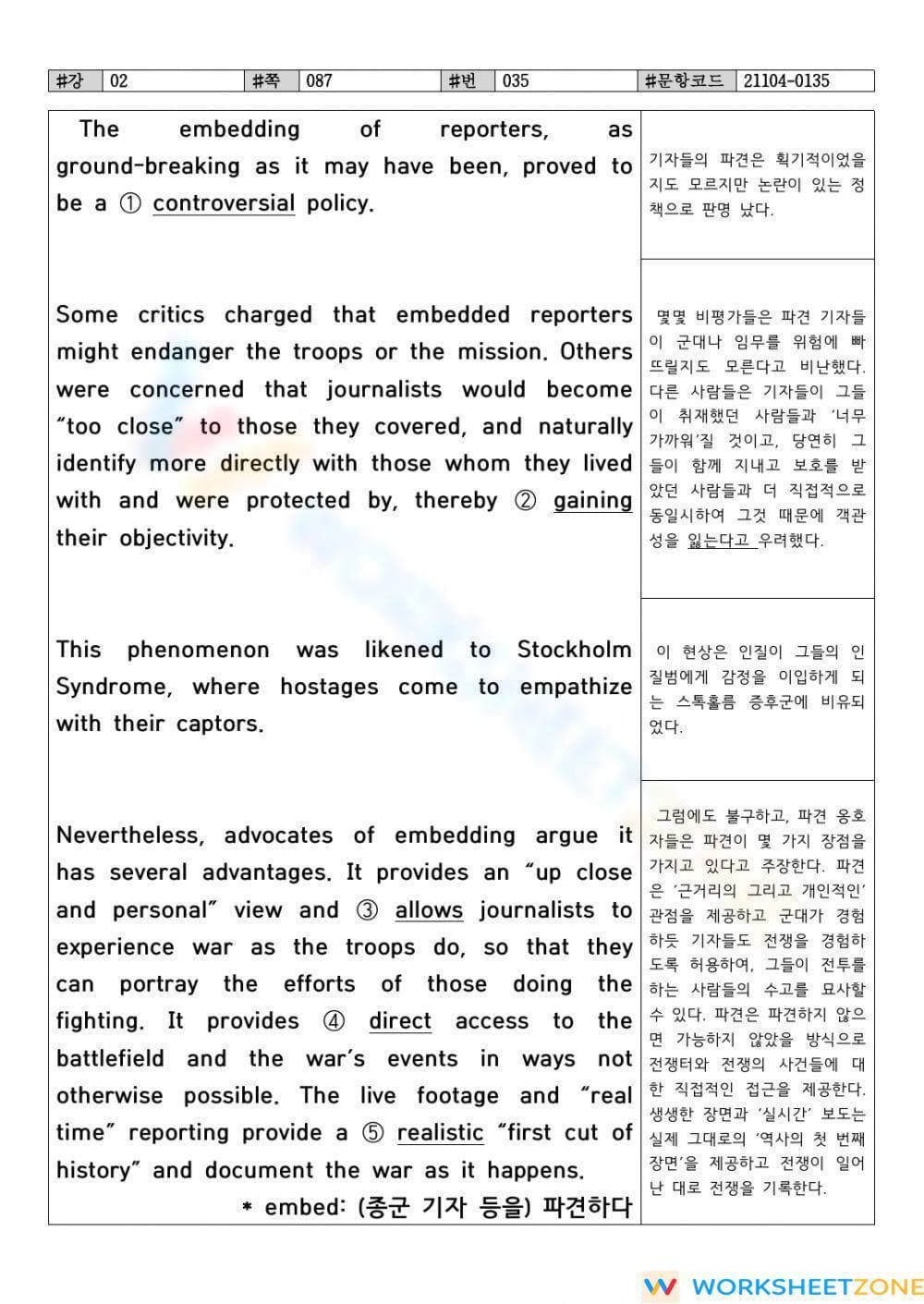
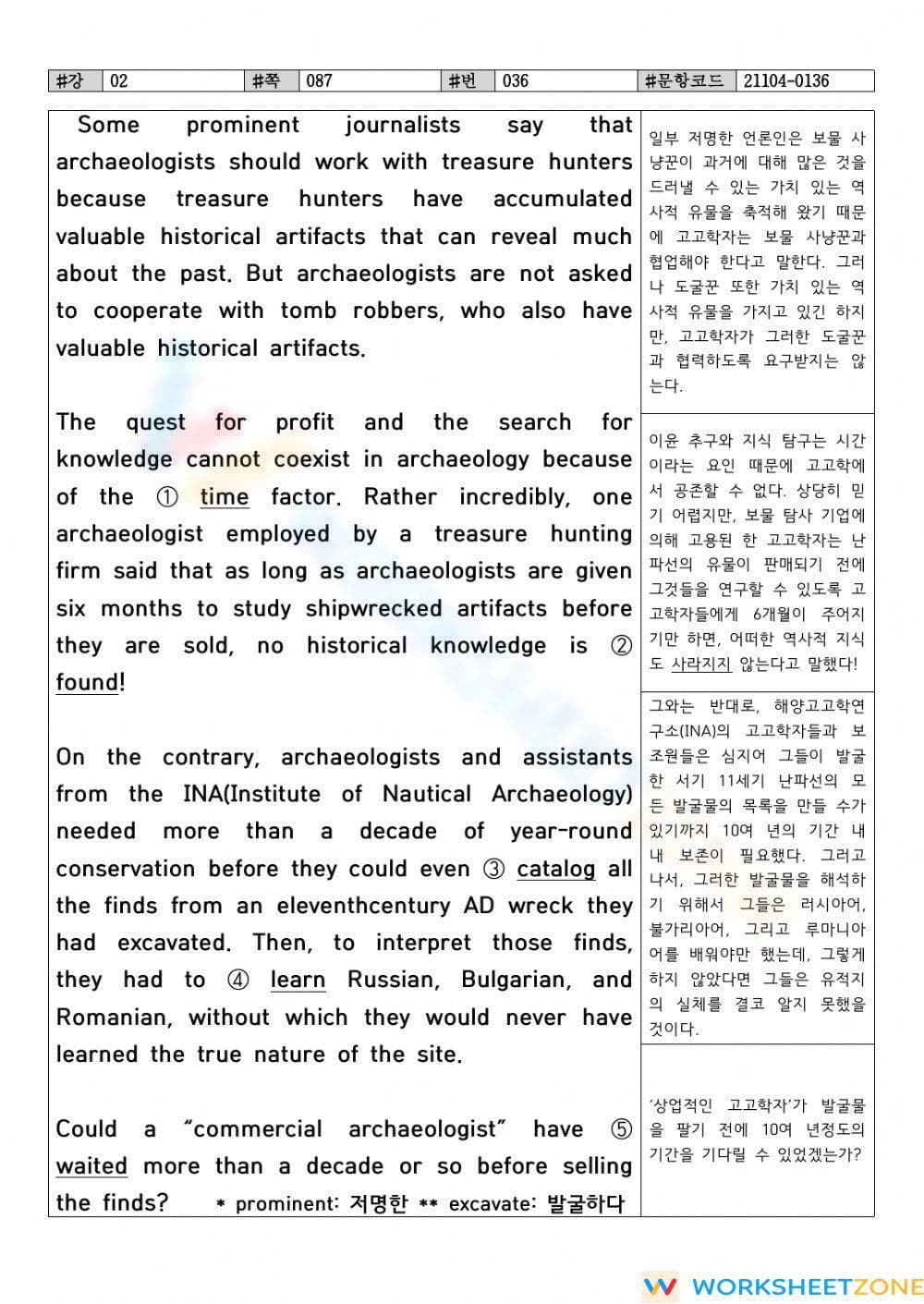
This printable worksheet provides high school students with focused practice in analyzing sophisticated informational texts. Learners will engage with two passages—one examining journalistic ethics and another exploring the conflict between archaeology and commercial excavation—to build skills in citing textual evidence and drawing complex inferences. It is an essential tool for preparing students for college-level reading demands.
At a Glance
- Grade: 11–12 · Subject: ELA / Reading Comprehension
- Standard:
CCSS.ELA-LITERACY.RI.11-12.1— Cite strong evidence to support analysis of what a text says explicitly and inferentially.- Skill Focus: Advanced Textual Analysis
- Format: 2 pages · 10 problems · Answer key included · PDF
- Best For: Pre-assessment, independent practice, or homework
- Time: 25–35 minutes
What's Inside
This two-page PDF contains two distinct reading passages. Each text is followed by five analysis tasks focused on vocabulary and argument. An answer key is provided for quick grading, simplifying the assessment of student comprehension and analytical skill.
Skill Progression
This worksheet follows a structured progression to build capability.
- Guided Practice: The first passage on embedded reporters provides clear context clues, allowing students to practice textual analysis with support.
- Supported Practice: The second passage on archaeology introduces more nuanced arguments, requiring students to apply their skills to a more complex topic.
- Independent Practice: The ten problems collectively serve as an assessment, asking students to synthesize information based on textual evidence, aligning with the gradual-release model.
Standards Alignment
This worksheet directly aligns with Common Core standard CCSS.ELA-LITERACY.RI.11-12.1, which requires students to "Cite strong and thorough textual evidence to support analysis." The tasks also support skill development for RI.11-12.4 (vocabulary in context). Both standard codes can be copied directly into lesson plans, IEP goals, or district curriculum mapping tools.
How to Use It
This resource is highly versatile. Use it as a pre-assessment to gauge students' analytical abilities before starting a unit on rhetoric. Alternatively, assign it as independent practice or homework after a lesson on citing evidence. For a formative assessment, listen to how students discuss the "Stockholm Syndrome" comparison in a think-pair-share. The worksheet is designed for completion within a 25 to 35-minute timeframe, making it a flexible addition to any lesson plan.
Who It's For
This worksheet is designed for 11th and 12th-grade ELA students, especially those in honors or AP-level courses. The content is best for students with foundational comprehension skills. To provide support, pair this worksheet with an anchor chart defining logical fallacies or a lesson on identifying an author's claim.
Developing the capacity to analyze complex informational texts is a critical marker of college and career readiness. This worksheet directly supports this goal, aligning with CCSS.ELA-LITERACY.RI.11-12.1 by requiring students to cite strong and thorough textual evidence to support their analysis. The ability to deconstruct arguments and interpret nuanced vocabulary in context, as practiced here, is a foundational skill for post-secondary success. Research consistently shows that explicit instruction in evidence-based reading strategies yields significant gains in student achievement. For example, a major study highlighted that students who receive targeted practice in analyzing source evidence perform better on standardized assessments (RAND AIRS 2024). By providing a structured format for this practice, this resource helps students build the analytical habits necessary for navigating the sophisticated texts they will encounter in higher education and the modern workforce.


