




















Fall activities for kids in school bring warmth, color, and creativity into the classroom. From leaf-themed crafts to pumpkin science experiments and apple games, these seasonal activities make learning fun and memorable for students. Whether you’re planning for indoor learning or outdoor adventures, fall offers countless ways to keep young minds engaged. Let the magic of autumn inspire your next lesson or class activity with simple, meaningful projects students will remember.
10+ Fall Activities for Kids in School
Get ready to bring the magic of autumn into your classroom with these fun and meaningful fall activities that kids will love and learn from.
1. Turkey Hideout Engineering Challenge
This activity challenges students to design and build a structure that can protect a turkey (or a small object representing one) from a “predator” (like a fan simulating wind or a gentle “earthquake” shake). It introduces basic engineering principles of structure, stability, and material properties.

Materials Needed:
- Assorted building materials (e.g., craft sticks, pipe cleaners, cardboard pieces, building blocks, straws, tape, glue)
- A small toy turkey or other object to protect
- Fan or shallow container to simulate environmental challenges
How to Do:
- Present the challenge: Build a hideout to keep the turkey safe.
- Allow students time to plan and design their hideout using the provided materials.
- Students build their structures.
- Test the hideouts against the “wind” (fan) or “earthquake” (gentle shaking).
- Discuss what designs worked well and why, exploring concepts like strong shapes and stable bases.
2. Cranberry Science: Sink or Float
This simple science experiment explores density by testing whether cranberries sink or float in water. Students can make predictions and observe the results, learning about the properties of objects and liquids.

Materials Needed:
- Fresh cranberries
- A clear container or bowl
- Water
How to Do:
- Fill the container with water.
- Ask students to predict if the cranberries will sink or float.
- Have students gently place cranberries in the water.
- Observe what happens and discuss why some objects float and others sink (related to density and buoyancy).
3. Leaf Chromatography Art
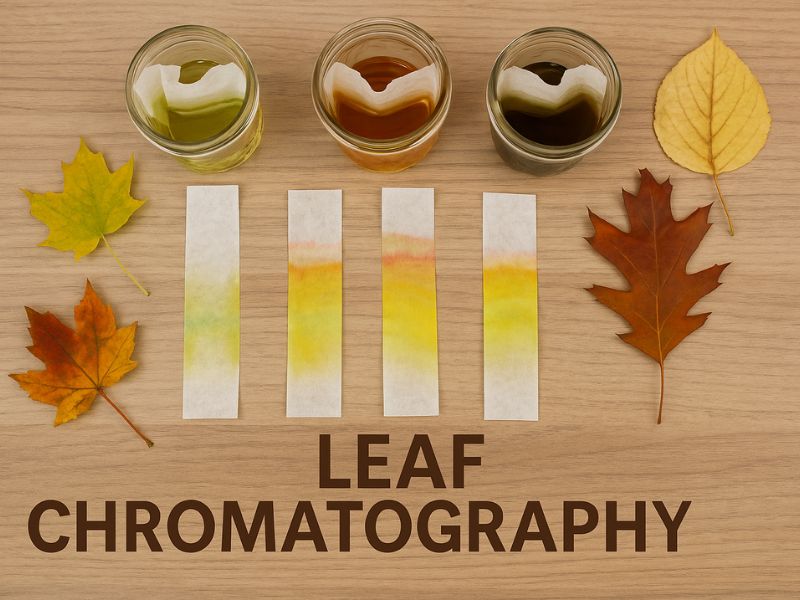
Explore the hidden colors in leaves with this engaging science and art activity. Students will use chromatography to separate the pigments in leaves, revealing colors that are masked by the dominant green chlorophyll during the growing season.
Materials Needed:
- Various fall leaves (green and colored work well)
- Rubbing alcohol
- Small jars or cups
- Coffee filters or paper towels
- Pencils or craft sticks
- Tape
How to Do:
- Tear or cut leaves into small pieces and place them in separate jars.
- Add a small amount of rubbing alcohol to each jar, just enough to cover the leaves.
- Mash the leaves gently with a spoon or stick to help release the pigments.
- Hang a strip of coffee filter or paper towel into each jar so the bottom dips into the alcohol but doesn’t touch the leaf pieces. Secure it with tape to a pencil resting across the top of the jar.
- Allow the alcohol to travel up the paper strip for at least an hour. As it moves, it will carry the pigments with it, separating them into bands of color.
- Observe and discuss the different colors revealed in the leaves.
4. Pumpkin Volcano Experiment
Bring some exciting fizz and pop into the classroom with a fall-themed twist on the classic volcano experiment. Using a pumpkin as the volcano, students can explore chemical reactions between baking soda and vinegar.

Materials Needed:
- A small to medium pumpkin
- Baking soda
- Vinegar
- Dish soap (optional, for more bubbles)
- Food coloring (fall colors like red, yellow, orange – optional)
- A tray or container to catch the overflow
- A knife (for adult use only to cut the pumpkin)
- Spoon
How to Do:
- An adult should carefully cut a hole in the top of the pumpkin and scoop out the insides.
- Place the pumpkin on a tray or in a container.
- Add a few spoonfuls of baking soda inside the pumpkin.
- Add a squirt of dish soap and a few drops of food coloring (if using).
- Pour vinegar into the pumpkin and watch the “lava” erupt!
- Discuss the chemical reaction that causes the eruption.
5. Apple Oxidation Experiment
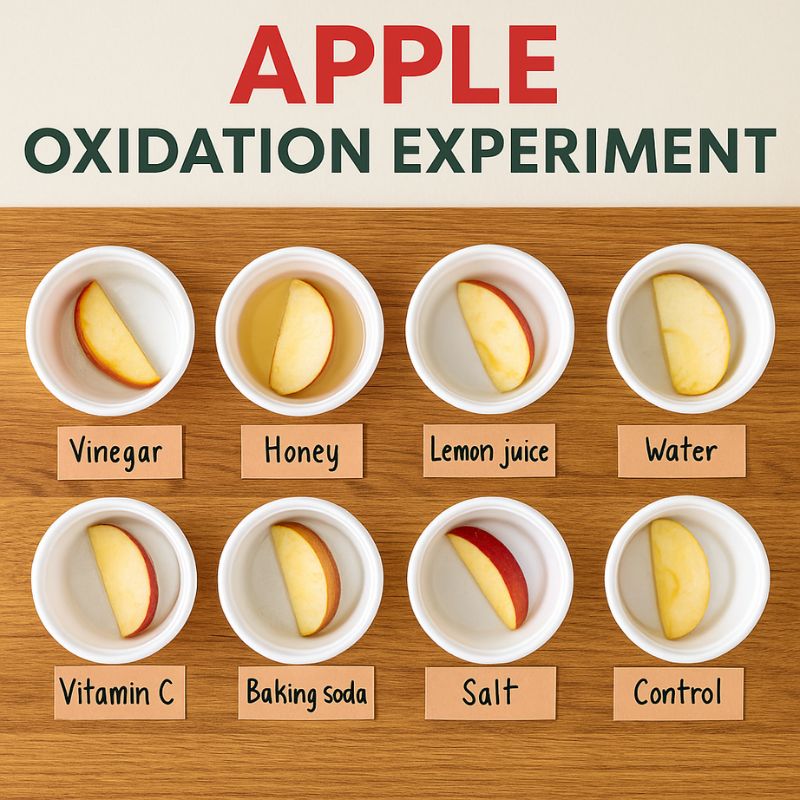
Investigate how air affects food with this simple experiment on apple oxidation. Students will observe how different coatings or barriers can slow down or prevent apples from turning brown.
Materials Needed:
- Apple slices
- Various substances to test (e.g., water, lemon juice, milk, vegetable oil, plastic wrap)
- Small plates or containers
How to Do:
- Cut apple slices and place them on separate plates.
- Leave one slice uncovered as a control.
- Apply different substances to the other apple slices (e.g., dip one in water, brush one with lemon juice, wrap one in plastic wrap).
- Observe the apple slices over a few hours and note which ones turn brown and which do not.
- Discuss the role of oxygen in oxidation and how different barriers can prevent it.
6. Fall Sensory Bin Exploration
Engage students’ senses with a hands-on fall-themed sensory bin. This provides opportunities for tactile exploration, imaginative play, and practicing fine motor skills.

Materials Needed:
- A large container or bin
- Filler materials (e.g., dried corn kernels, beans, rice, fall-colored pasta)
- Fall-themed objects (e.g., mini pumpkins, gourds, acorns, pinecones, silk leaves, cinnamon sticks)
- Scoops, cups, and small containers
How to Do:
- Fill the bin with the chosen filler material.
- Add the fall-themed objects and scoops/containers.
- Allow students free time to explore and play in the sensory bin.
- Encourage them to describe what they feel, see, and smell.
- This can be a great station for free play or tied into specific learning objectives like counting or sorting.
7. Scarecrow Building Challenge
This combines creativity and engineering as students work individually or in groups to design and build small scarecrows using provided materials.

Materials Needed:
- Craft sticks, straw, fabric scraps, yarn, buttons, markers
- Glue or tape
- Small paper bags or styrofoam balls for heads
- Scissors (for adult supervision or older students)
How to Do:
- Introduce the concept of scarecrows and their purpose.
- Provide a variety of materials.
- Challenge students to design and build their own scarecrow.
- Encourage creativity in using the materials to create the scarecrow’s body, head, and clothing.
- Display the finished scarecrows.
8. Pumpkin Seed Counting and Estimation
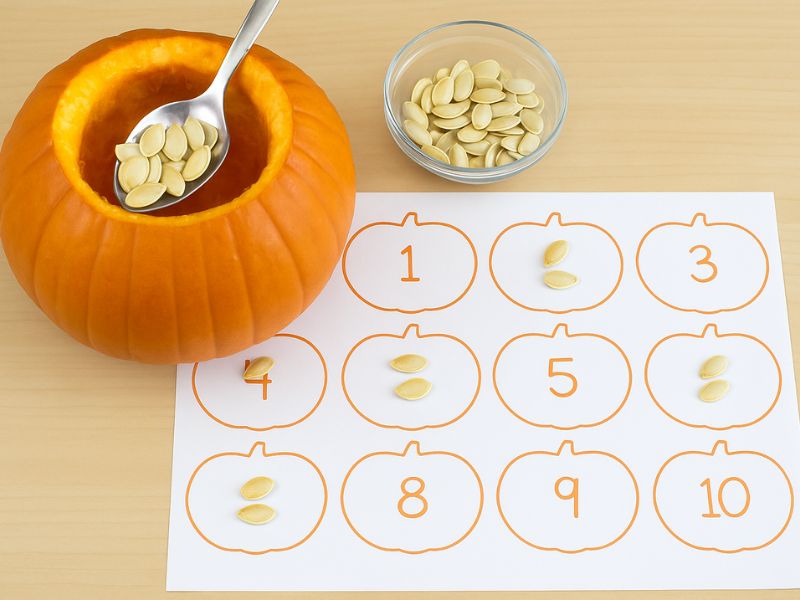
Incorporate math skills with a hands-on activity using pumpkin seeds. Students can practice counting, estimation, and one-to-one correspondence.

Materials Needed:
- Pumpkin seeds (cleaned and dried)
- Small cups or containers
- Markers
- Paper
How to Do:
- Roast pumpkin seeds (optional, but makes them more appealing).
- Provide each student with a small scoop of pumpkin seeds.
- Ask students to estimate how many seeds they have.
- Have them count their seeds and compare the actual number to their estimation.
- Students can also practice grouping seeds into tens or other numbers, or use them for simple addition and subtraction problems.
9. Fall Leaves Collages
A classic fall art activity that allows students to express their creativity using natural materials. Collecting the leaves can be an activity in itself!
Materials Needed:
- Collected fall leaves (pressed flat if possible)
- Construction paper or cardstock
- Glue
- Markers or crayons (optional)
How to Do:
- Provide students with paper and glue.
- Have them arrange and glue the fall leaves onto their paper to create a collage.
- They can overlap leaves, create patterns, or even try to make pictures with the leaves.
- Encourage them to use markers or crayons to add details if desired.
10. Acorn and Pinecone STEM Challenges
Use natural fall objects like acorns and pinecones for simple STEM challenges that encourage problem-solving and critical thinking.

Materials Needed:
- Acorns
- Pine Cones
- Building materials (e.g., toothpicks, clay, pipe cleaners)
- Rulers or measuring tapes
How to Do:
- Challenge 1: Build the tallest structure using only acorns and toothpicks.
- Challenge 2: Design a way to transport pinecones across a short distance using limited materials.
- Challenge 3: Measure the circumference of different acorns and pinecones and compare them.
- Provide materials and allow students to experiment and find solutions to the challenges. Discuss their approaches and what they learned.
11. Spider Web Engineering
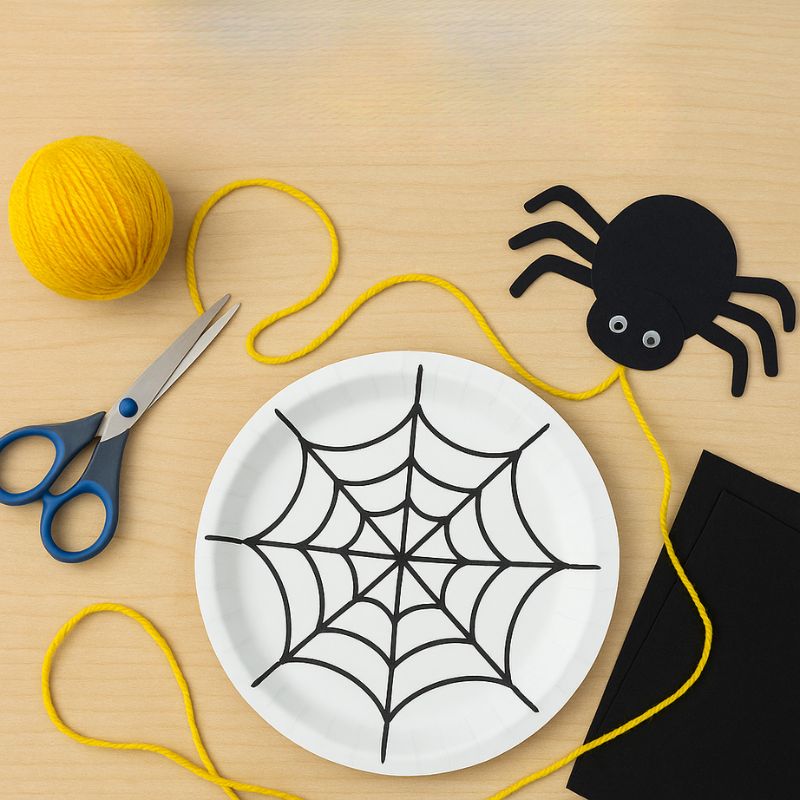
Explore shapes and structures by having students create their own spider webs using yarn or string. This can introduce concepts of geometry and tensile strength.
Materials Needed:
- Yarn or string
- Tape or glue
- Construction paper or cardboard
- Plastic spiders (optional)
How to Do:
- Discuss the shape and strength of spider webs.
- Provide students with yarn or string and paper/cardboard.
- Challenge them to create their own spider web design by taping or gluing the yarn to the surface.
- They can experiment with different patterns and see how strong their webs are (e.g., can they hold a lightweight plastic spider?).
- Discuss the geometric shapes they used and why they think spider webs are so strong.
12. Fall Harvest Soup Collaborative Cooking
If facilities allow, a simple and safe collaborative cooking activity like making a fall harvest soup can teach students about ingredients, following instructions, and the process of cooking.

Materials Needed:
- Kid-friendly vegetables (e.g., peeled and diced carrots, potatoes, squash)
- Vegetable broth
- Large pot or slow cooker (adult supervision required)
- Child-safe knives or peelers (with supervision)
- Cutting boards
- Spoons for stirring
- Bowls and spoons for serving
How to Do:
- Wash and prepare the vegetables together, with adults handling any sharp tools or supervising carefully.
- Add vegetables and broth to the pot.
- With adult supervision, bring the soup to a simmer and cook until vegetables are tender.
- Discuss the different vegetables and where they come from.
- Serve and enjoy the soup together. (Ensure awareness of any allergies).
FAQs
1. What is the most popular summer camp activity?
Water play, including sprinklers, kiddie pools, and water balloons, consistently ranks as the most popular summer camp activity for preschoolers. It provides essential sensory relief during hot summer days while encouraging social interaction and gross motor development. Simple outdoor games like obstacle courses also remain favorites because they allow children to burn energy while practicing coordination in a low-pressure environment.
2. How to make summer camp more fun?
Making summer camp more fun involves integrating themes and hands-on discovery into the daily schedule.
- Select age-appropriate goals centered on sensory play and light learning.
- Prepare tactile materials like clay, water, or natural objects.
- Structure activities with simple, clear steps that allow for creative expression.
- Rotate themes such as nature, water, or primary colors to maintain high engagement levels.
Final thoughts
Fall activities for kids in school are the perfect way to combine seasonal excitement with meaningful learning experiences. From outdoor scavenger hunts to creative classroom crafts, these activities encourage teamwork, critical thinking, and a deeper connection with the world around them. Thoughtfully planned fall lessons not only spark curiosity but also create lasting memories that enrich the school experience. To support your autumn teaching plans, explore our collection of fall worksheets on Worksheetzone—filled with fun, educational resources that make every fall moment in the classroom both engaging and enriching.


