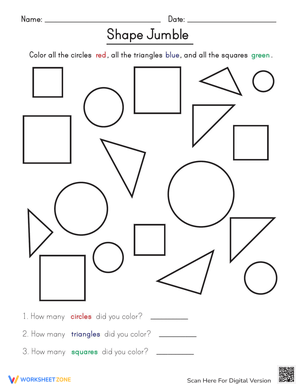
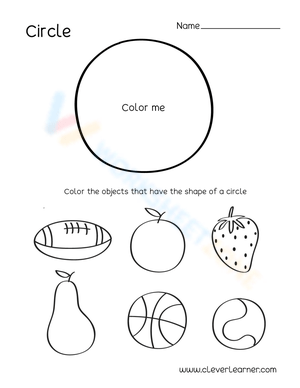
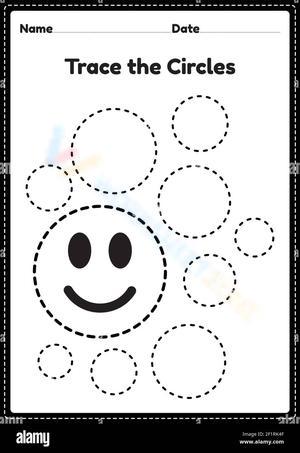
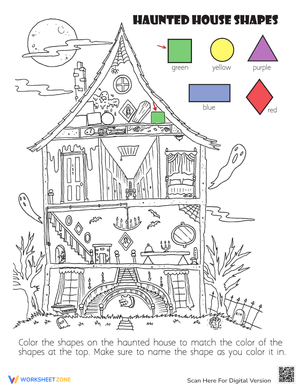
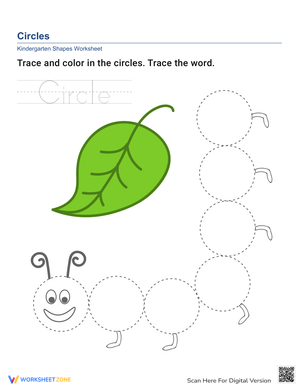
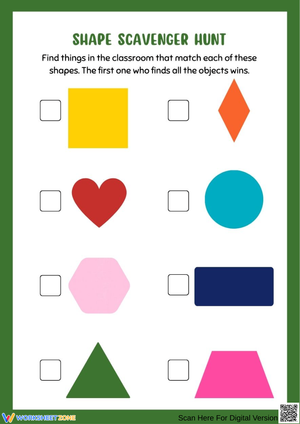
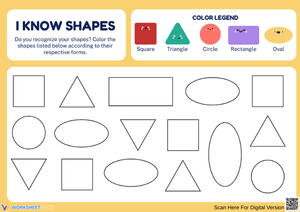
Helping a young child recognize their very first shape can feel like a quiet milestone, and we know how much you want that moment to feel calm rather than stressful. Circle worksheets for preschool give parents and teachers a simple, friendly starting point that meets little learners exactly where they are. The round shape is one of the easiest forms for tiny hands to identify, trace, and talk about, which makes it the perfect introduction to early geometry. With a steady supply of printable pages on hand, you can turn any quiet afternoon into a gentle learning moment without needing fancy tools or long preparation.
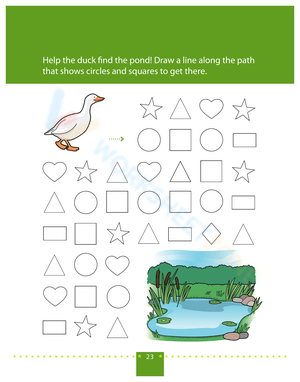
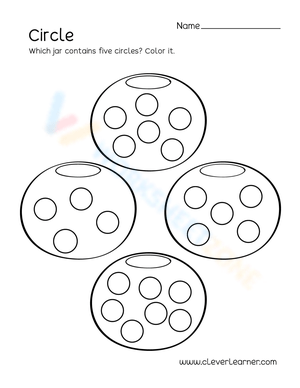
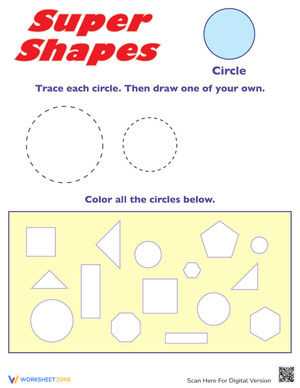
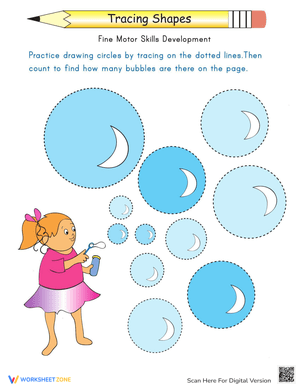
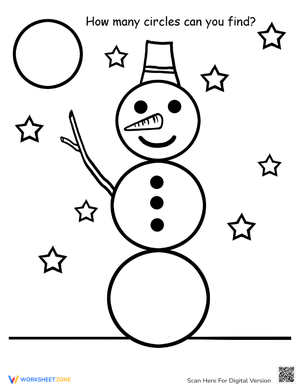
Each page in our preschool collection is carefully built around the way three and four year olds actually learn, which is through repetition, color, and short bursts of focused play. Children begin by tracing soft dotted lines around large circles, then progress to identifying round objects in everyday pictures, and finally to coloring and counting circles within a scene. This gentle progression helps build confidence at a comfortable pace, and our guide to flat geometric forms offers a helpful walkthrough for grown-ups who want to extend the conversation beyond the page.
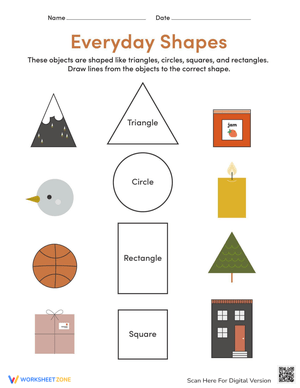
Parents often tell Worksheetzone that the visual nature of these printables makes practice feel more like a creative activity than a lesson. Bright illustrations of suns, balls, wheels, and clocks invite children to connect the abstract idea of a shape to objects they already love. Tracing exercises strengthen the small muscles in the hand that will later be needed for writing letters and numbers, while matching pages quietly sharpen visual discrimination skills. Because the layouts are uncluttered, students stay focused on the task rather than feeling overwhelmed by busy graphics or competing instructions on the printable page.
Teachers in classrooms and homeschool settings appreciate how flexible these resources can be across a typical learning week. The same set of circle worksheets for preschool can support a morning warm-up, a small group rotation, a quiet folder activity, or a take-home review packet for families. Pairing them with hands-on materials like paper plates, buttons, or coins deepens understanding and turns a simple sheet into a full sensory lesson. For educators ready to broaden the unit into other shapes, our printable square shape practice pages make a natural next step after circles.
What makes this collection feel different from a generic shape pack is the thoughtful balance between structure and play that runs through every printable. You receive clear answer keys, gentle prompts, and pages that grow with the child rather than overwhelm them on day one. Whether you are introducing geometry to a curious toddler or reinforcing skills before kindergarten begins, these circle worksheets for preschool give you a calm, dependable resource you can return to again and again. Print a few pages tonight, sit beside your child tomorrow, and watch confidence quietly build one round shape at a time.
Frequently Asked Questions
Question 1: At what age should children start using circle worksheets for preschool?
Most children are ready to begin around age three, when they can hold a crayon with intention and follow simple directions. Younger toddlers may enjoy tracing large circles with a finger before moving on to a writing tool. The key is to follow your child's interest rather than a strict timeline, since early shape work should feel like play. By age four, many learners can complete several pages in a single short session with growing independence and pride in their progress.
Question 2: How do circle worksheets support kindergarten readiness?
Circle activities build a quiet but powerful foundation for kindergarten in several ways. Tracing strengthens fine motor control, which translates directly into letter and number formation later on. Identifying round objects in pictures develops visual discrimination, a skill needed for sight word recognition. Counting circles within a scene introduces one to one correspondence, an essential early math concept. Together, these small tasks prepare children to walk into a classroom feeling capable, focused, and excited to learn alongside their new peers.
Question 3: How long should a preschool worksheet session last?
Short and steady is far more effective than long and forced at this age. Aim for sessions of about five to ten minutes for three year olds and ten to fifteen minutes for four and five year olds. Watch your child for signs of fatigue, such as squirming or losing focus, and end the activity on a positive note before frustration appears. Two short sessions across the day often work better than one long one, especially during busy weekday afternoons at home.
Question 4: What materials pair well with circle tracing pages?
Chunky crayons, washable markers, and triangular pencils are all excellent companions because they support a young child's developing grip. You can also bring out playdough to roll into small circles, paper plates to decorate, or buttons to sort and count on top of the printed shapes. Adding a simple conversation about round objects in your home, such as clocks, plates, and oranges, turns each worksheet into a richer, multi sensory learning moment that children genuinely enjoy.












 Interactive Worksheet Maker
 Quiz Maker
 Word Search Maker
 Crossword Puzzle Maker
 Word Scramble Generator
 Sentence Scramble Generator
 Handwriting Worksheet Generator
 Name Tracing Generator
 Fill In The Blank Generator