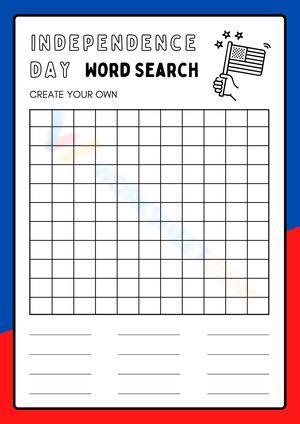
I still remember the quiet groan that spread across my classroom the morning I tried to teach the meaning of Independence Day with nothing but a textbook page. Half the students stared at the ceiling, a few doodled fireworks in their margins, and one brave soul asked if we could just talk about the cookout his family was planning. As a teacher, I knew the holiday mattered, yet the lesson on the page simply was not reaching them. Something had to shift before the bell rang the next day.
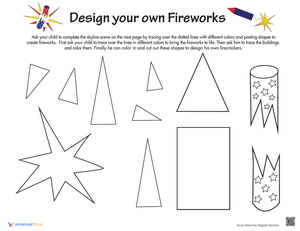
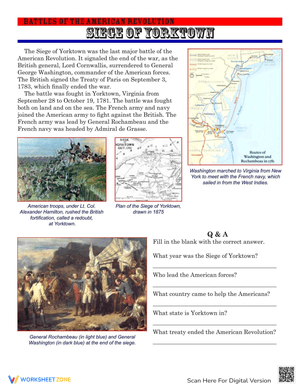
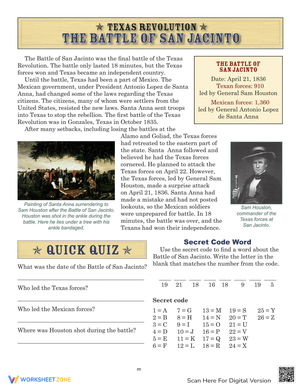
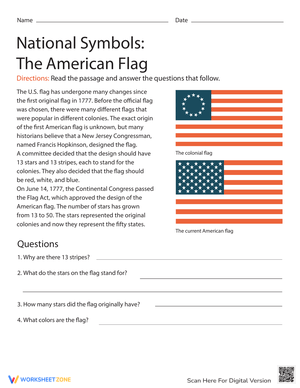
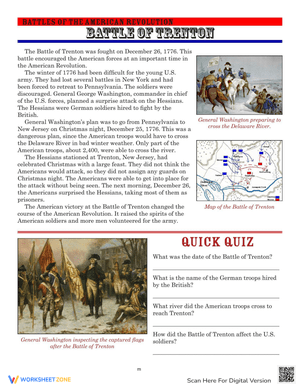
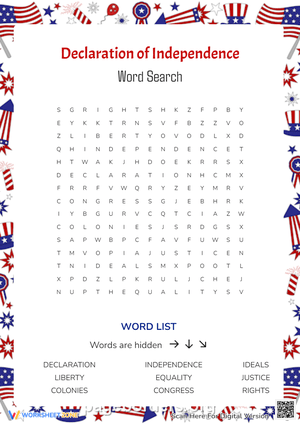
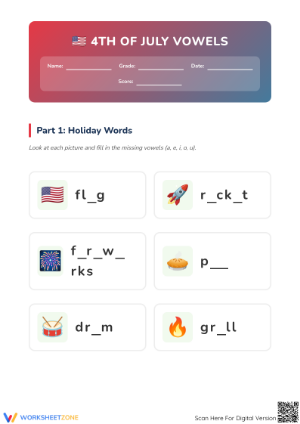
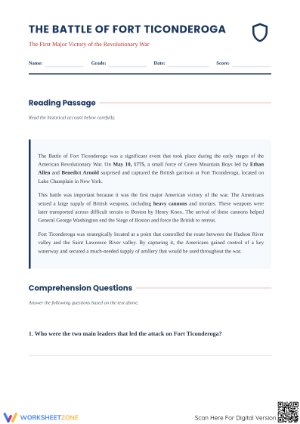
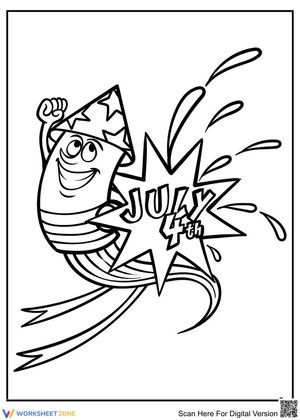
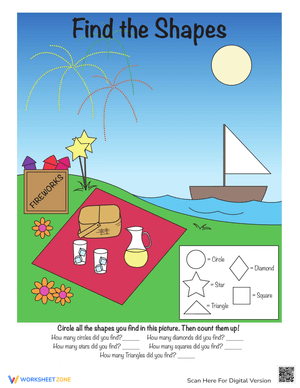
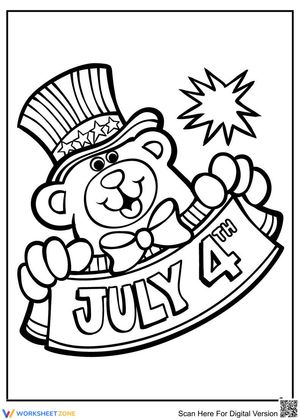
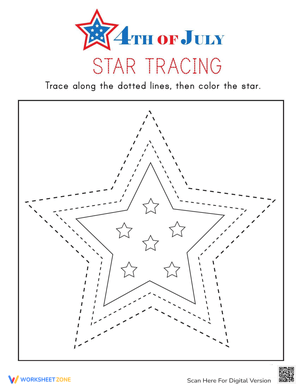
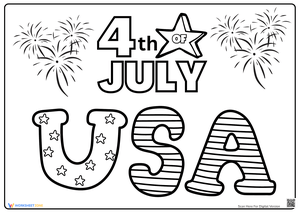
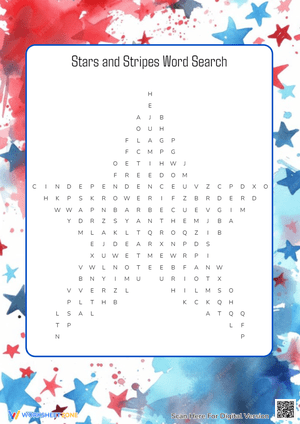
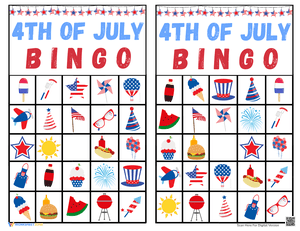
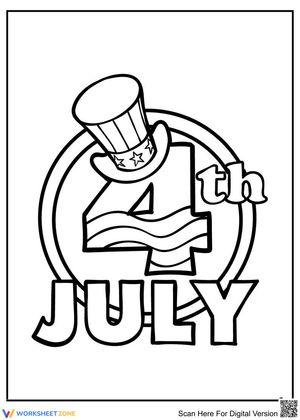
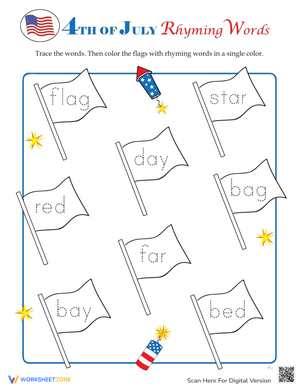
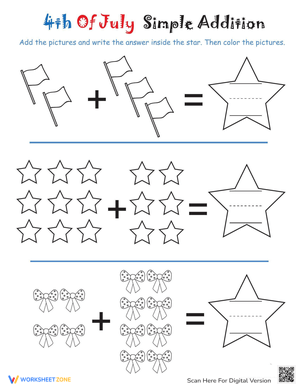
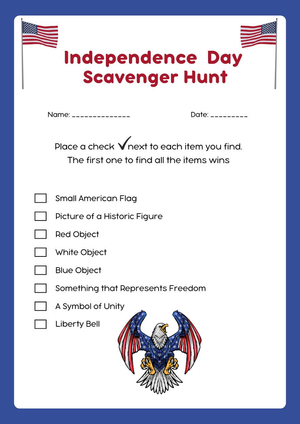
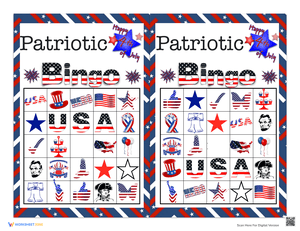
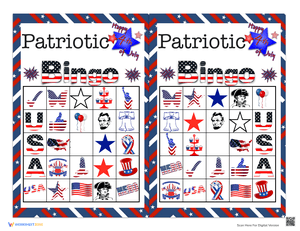
The transformation arrived the moment I swapped that textbook for a stack of 4th of July worksheets I had printed from our holiday activity library. Students sorted patriotic vocabulary, decoded short passages about the Founding Fathers, and matched symbols like the Liberty Bell and the bald eagle to short historical facts. The room shifted from restless to curious within minutes. These printable, classroom-tested pages turned a tired lecture into a lesson my students kept talking about at recess, and they gave me an easy framework to follow during a busy holiday week.
Curiosity, I learned again, is the engine that drives real understanding, especially with seasonal lessons. When students lead their own exploration through reading prompts, math puzzles, writing prompts, and coloring activities tied to American history, they remember the why behind the holiday. A simple worksheet featuring stars, stripes, and timeline questions invites kids to ask deeper questions about freedom, community, and citizenship. Teachers can layer these pages with a short read-aloud, a partner discussion, or a quick gallery walk to deepen the experience without adding prep time.
The same magic carries into homes during the long summer break. I once watched a parent set out crayons, scissors, and a few patriotic activity pages on the kitchen table the morning before a family barbecue. Within an hour, the children had crafted their own flag bookmarks, written letters to a relative serving overseas, and quizzed grandparents about parade memories. Parents looking for screen-light, meaningful holiday time can browse festive activity ideas for the whole family to keep the learning warm and personal.
If you have ever felt that holiday lessons fall flat, I invite you to create your own lightbulb moments with these resources. Print a few pages tonight, place them on student desks tomorrow, and watch how a quiet morning becomes a thoughtful conversation about history, identity, and shared celebration. The right 4th of July worksheets can turn one ordinary classroom hour into a memory your learners carry into every future Independence Day.
Frequently Asked Questions
Question 1: What grade levels are 4th of July worksheets best suited for?
These printable activity pages work beautifully across kindergarten through middle school because the content scales with the task. Younger learners enjoy coloring symbols, tracing patriotic vocabulary, and matching pictures to words, while older students tackle reading passages, timeline ordering, and short writing prompts about American history. Teachers can mix difficulty levels in one classroom by handing out two or three versions, allowing every student to engage at the level that supports steady, confident growth.
Question 2: How can parents use these worksheets at home during summer break?
Parents can place a small stack on the kitchen counter, bring pages to a backyard cookout, or pack them in a travel folder for road trips. Pair the activities with a family read-aloud about the Founding Fathers, a short discussion about parade traditions, or a craft using construction paper. The pages work especially well as quiet-time activities after lunch, helping children stay curious and academically engaged without relying on screens during the long holiday weekend.
Question 3: What subjects do 4th of July worksheets cover for the classroom?
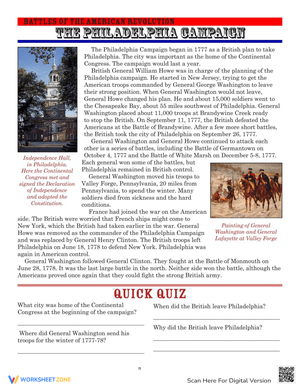
The collection spans reading comprehension, vocabulary, writing prompts, math practice, social studies, and art-based projects. A single lesson plan can move students from a timeline of 1776 events to a word search of patriotic terms, then into a math puzzle counting stars on the flag. This cross-subject design helps teachers cover required standards while keeping the holiday theme alive across the entire instructional day or week.
Question 4: How should teachers introduce these worksheets to make the lesson memorable?
Begin with a short story, a striking image, or a question such as why the bald eagle became a national symbol. Hand out the pages only after curiosity is sparked, then circulate while students work, asking follow-up questions that push their thinking further. Close with a brief share-out where learners read one favorite answer aloud. This simple rhythm turns a printable page into a discussion-rich experience students will remember warmly.












 Interactive Worksheet Maker
 Quiz Maker
 Word Search Maker
 Crossword Puzzle Maker
 Word Scramble Generator
 Sentence Scramble Generator
 Handwriting Worksheet Generator
 Name Tracing Generator
 Fill In The Blank Generator