Why these worksheets fit 4th grade reading review
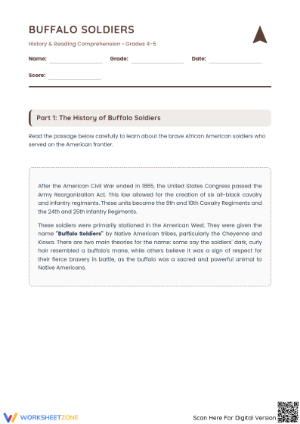
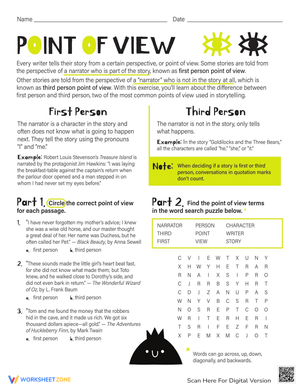
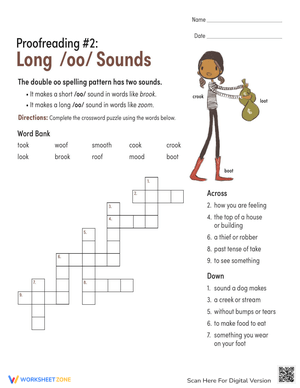
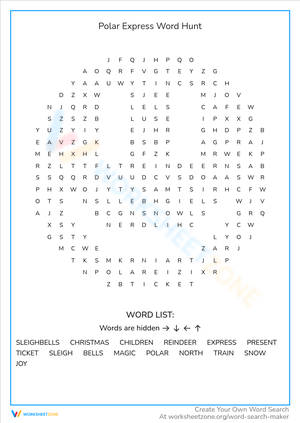
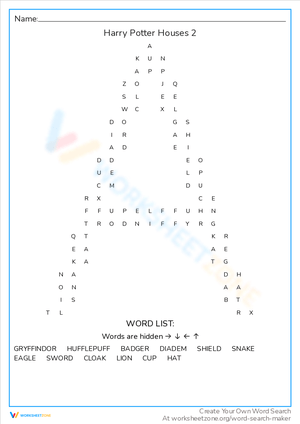
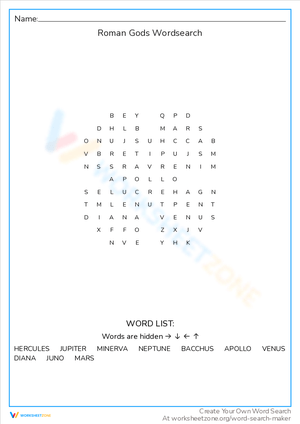
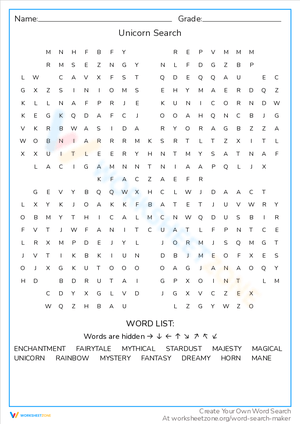
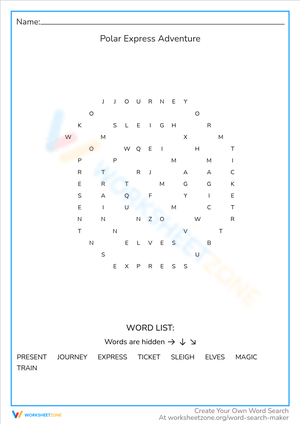
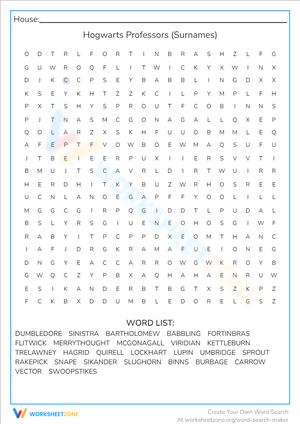
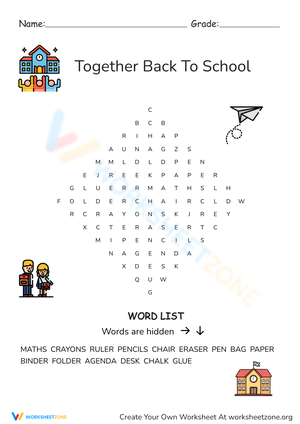
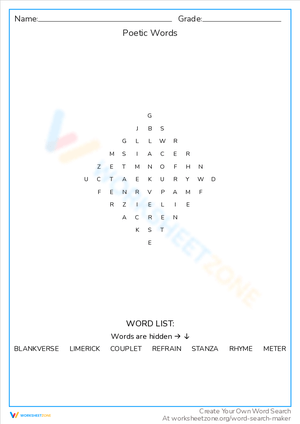
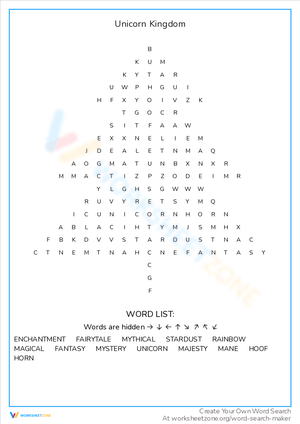
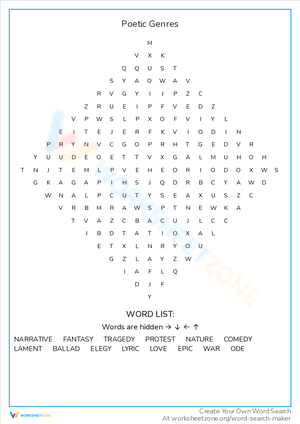
Teachers looking for reading word search pdf worksheets for 4th grade usually are not looking for filler. They need a printable task that matches grade-level reading units, gives students immediate access, and can be used without reteaching directions. That is where a focused grade 4 reading word search set can earn its place. When the vocabulary comes from stories, nonfiction topics, and English language arts routines that fourth graders already know, the puzzle becomes a short review cycle rather than a disconnected game.
Worksheetzone organizes this collection around a specific grade, subject, and format, which helps teachers move faster during planning. Instead of adapting a mixed-level puzzle, you can choose a worksheet that already sits inside a fourth grade reading context. That matters during literacy blocks because students at this level are shifting toward stronger vocabulary recognition, text discussion, and more precise use of academic language. A clean printable PDF also makes the set practical for substitute plans, independent work folders, and quick station prep.
What reading skills a word search can reinforce
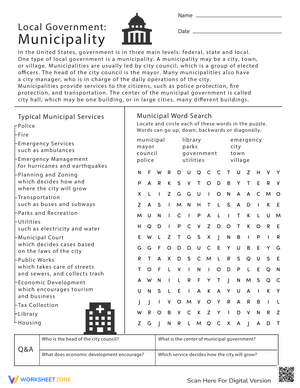
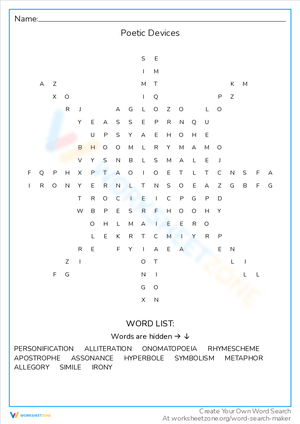
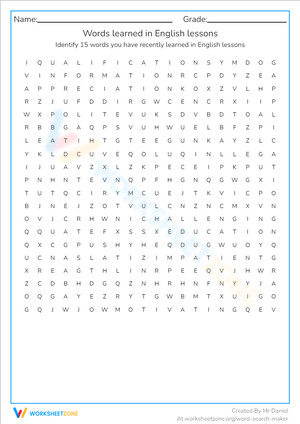
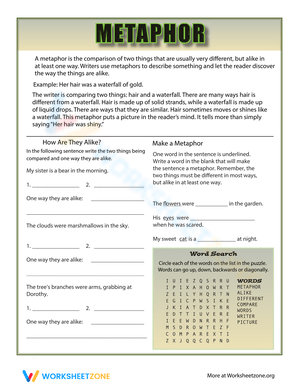
A fourth grade reading word search works best when it is attached to a clear language goal. In ELA classrooms, that usually means vocabulary review connected to genres, story elements, nonfiction text features, or unit themes. Students may be locating words such as character, evidence, summary, paragraph, theme, or topic. Even though the task is simple, it pushes them to recognize correct spelling, notice word shape, and distinguish visually similar terms in a busy grid.
That kind of practice supports reading instruction in a narrow but useful way. Students build familiarity with the terms that appear in teacher directions, anchor charts, discussion prompts, and assessments. When a student can quickly recognize unit vocabulary on paper, there is less friction when the same language appears in a reading passage or response task later in the week.
- Use the worksheets before a new text to preview important vocabulary.
- Use them after a read-aloud or anthology lesson to review key terms.
- Use them in literacy centers when students need quiet, independent reinforcement.
- Use them for homework when you want a short print task that does not require extra materials.
What makes a printable PDF set worth using
For classroom use, the PDF matters almost as much as the puzzle itself. Teachers need predictable printing, readable grids, and a layout that does not create unnecessary confusion for students. A grade 4 reading word search should feel challenging enough to hold attention without becoming so dense that students spend more time hunting randomly than reviewing vocabulary. Clear font size, balanced spacing, and an answer key are all part of whether a worksheet is actually usable during a real class period.
That is also why print-first collections are attractive. The search intent behind this topic is direct: teachers want something they can open, print, and hand out quickly. If a worksheet is buried behind too many steps, it loses value during a packed instructional day. PDF access supports consistency across classroom printers, homework packets, and intervention folders.
Citation capsule: WorksheetZone labels this set as Grade 4, English Language Arts, Reading, and Word Search, while GreatSchools: Fourth grade reading worksheets and Education.com: 4th grade word search worksheets both group similar resources by fourth grade. That shared grade-specific framing suggests teachers are selecting targeted review materials, not generic puzzle pages, for reading practice.
When you evaluate a set, look for two things: whether the word list sounds like reading instruction, and whether the page is easy to manage at a glance. Those two details do more for classroom success than decorative design.
Classroom Implementation
These worksheets are easy to slot into the literacy block because the directions are short and the completion path is visible. For a warm-up, hand students a puzzle that uses current reading vocabulary and set a five-minute timer. For centers, place the PDF in a laminated station or print enough copies for a weekly tub. For exit review, ask students to circle three words they found and explain how each one connects to the lesson text.
- Warm-up: 5 to 7 minutes before the mini-lesson.
- Center rotation: independent vocabulary review with minimal teacher support.
- Homework: one-page reinforcement that families can understand without extra explanation.
- Sub plans: a dependable print activity tied to current reading language.
Teachers can also pair the worksheet with a quick accountability move. After students complete the puzzle, have them choose two located words and write a sentence explaining how each term showed up in the text, discussion, or skill lesson. That keeps the activity anchored to reading instead of leaving it as word finding only.
How to differentiate without rebuilding the lesson
One strength of grade-level word searches is that they are simple to adjust. If a class has mixed reading readiness, you do not need three different lesson plans to make the worksheet useful. You can differentiate with timing, the number of required words, or the follow-up task after the puzzle is finished.
For students who need more support, preview the word list first and discuss meanings before they begin. You can also highlight the first letter of selected words or reduce the requirement from all words to a focused set of eight or ten. For students who need more challenge, ask them to sort the found words into categories such as story structure terms, comprehension terms, or nonfiction vocabulary. Another option is to require students to define each term or connect it to a recent reading passage.
Because the worksheet is low-stakes, it can be used across settings without making the differentiation feel obvious. Students still complete the same page, but the thinking demand changes based on the prompt you attach.
Why this format works in real ELA pacing
In many fourth grade classrooms, the most useful moment for a reading word search is not at the end of a unit but in the middle, right after vocabulary has appeared in discussion and before students are asked to apply it in writing. At that point, the puzzle acts as retrieval practice. Students are seeing familiar terms again, but in a different format that slows them down just enough to notice spelling, wording, and visual patterns. That timing is often what makes the worksheet instructionally efficient rather than decorative.
Teachers also benefit from the narrow format. A one-page PDF with a visible end point is easier to assign during fragmented parts of the schedule, such as after assemblies, before specials, or during short intervention blocks. Students know what success looks like, and teachers can scan for completion quickly. For busy ELA pacing, that matters.
That is the practical case for using reading word search pdf worksheets for 4th grade. When the vocabulary is aligned, the print layout is readable, and the follow-up prompt pushes students back toward meaning, the worksheet becomes a useful reinforcement tool that supports the larger reading plan.
How these worksheets support planning across the week
Another reason teachers keep this format in rotation is scheduling flexibility. The same worksheet can appear in more than one place across a week without feeling repetitive if the instructional purpose changes. On Monday, it can preview vocabulary. On Wednesday, it can serve as a center review. On Friday, it can become a quick recap before a reading response or discussion.
That repeatable structure helps with planning because teachers are not solving a new management problem each time. Students already understand the format, so the teacher can focus on the words, the unit, and the follow-up discussion. In classrooms where transitions take real time, familiar routines are worth protecting.
Frequently Asked Questions
1. Are these reading word search worksheets appropriate for 4th grade skill levels?
Yes, when the puzzles are built around grade 4 reading vocabulary and readable grids, they work well for review, centers, and light independent practice. The strongest options use words students already meet in English language arts instruction.
2. Can teachers print the worksheets as PDF for classroom use?
That is one of the main advantages of this format. A printable PDF is easy to use for class sets, homework packets, substitute folders, and intervention groups because the layout stays consistent across devices and printers.
3. Do the worksheets focus on reading vocabulary and ELA topics?
They should. For fourth grade classrooms, the most useful word searches connect to reading units, comprehension language, genre study, and topic-based vocabulary rather than random word lists.
4. Are answer keys included with reading word search worksheets?
Many teacher-friendly collections include answer support, and that is worth prioritizing. Answer keys save time during review, make independent checking easier, and help the worksheet function as a true no-prep resource.