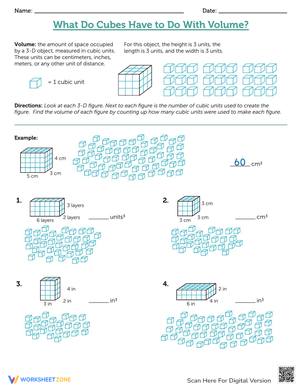
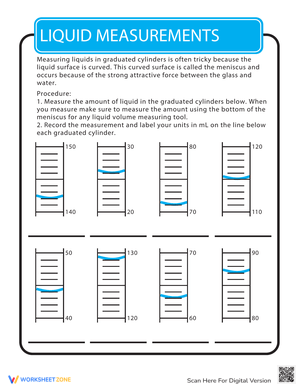
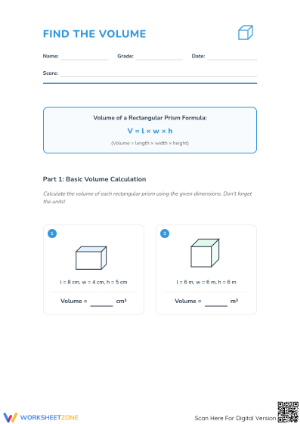
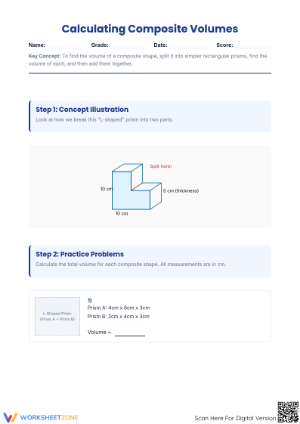
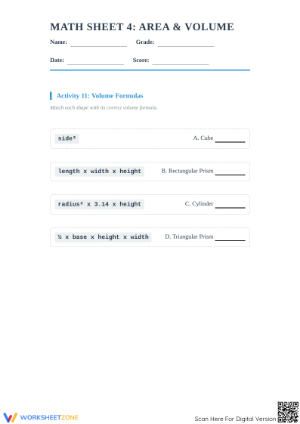
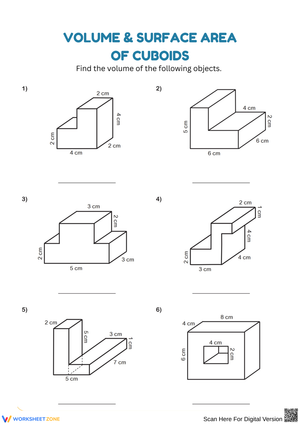
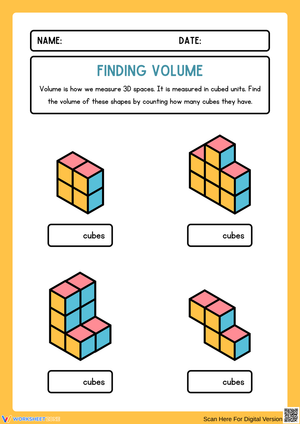
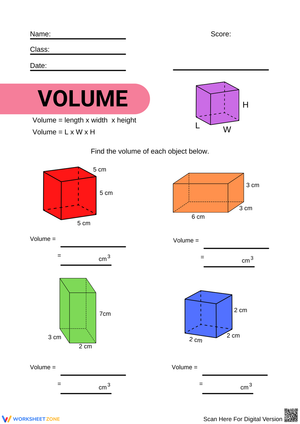
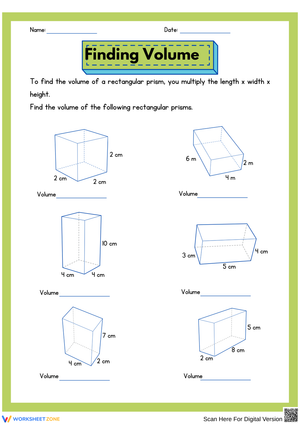
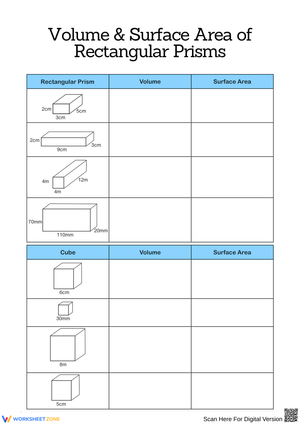
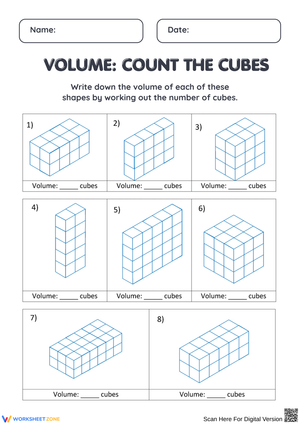
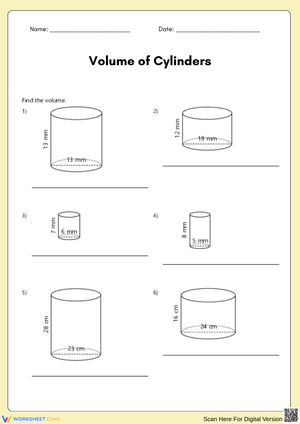
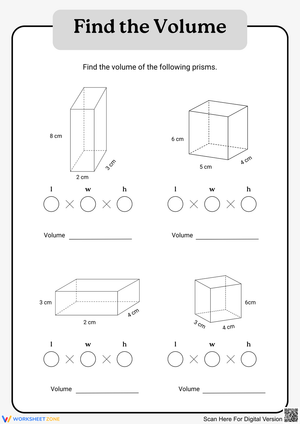
Fourth graders work with volume as a measurement quantity: cups, pints, quarts, gallons, liters, and milliliters. They are not yet filling rectangular prisms with unit cubes or multiplying length by width by height. Pulling the right set of worksheets keeps your unit aligned to what students are actually expected to do this year.
This framing also helps you talk to parents and co-teachers about what fourth grade volume work looks like. Instead of asking how many cubic inches fit inside a box, a typical worksheet problem asks how many quarts are in three gallons of water used for a class science experiment, or how many milliliters of juice are left after pouring servings into cups. The math is grounded in real classroom and household contexts that students can picture.
What CCSS 4.MD.A.2 Requires From 4th Graders
The relevant standard, CCSS 4.MD.A.2, asks students to use the four operations to solve word problems involving distances, time intervals, liquid volumes, masses, and money, including problems that involve simple fractions or decimals. Volume worksheets built for this standard should never appear in isolation. They should sit alongside problems about elapsed time, weight, and money so students practice choosing the correct operation rather than assuming every volume problem is addition.
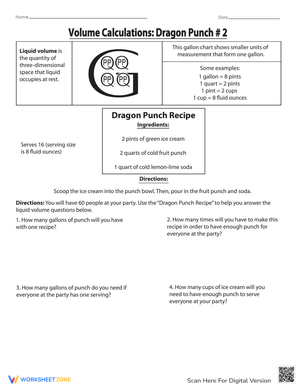
According to the Common Core State Standards Initiative, 4.MD.A.2 also requires students to express measurements given in a larger unit in terms of a smaller unit, which is the specific skill that makes conversion tables such as 1 gallon equals 4 quarts or 1 liter equals 1,000 milliliters a core part of fourth grade volume instruction rather than an optional extension.
Unit Conversion Practice for Liquid Volume
Conversion practice is where most fourth graders stumble, so dedicate worksheet time specifically to moving between units before layering in word problems. Customary units to prioritize include cups, pints, quarts, and gallons, since these show up constantly in cooking and everyday measurement contexts students already recognize. Metric units to prioritize include liters and milliliters, which give students an early foundation for the metric system work that continues in later grades.
A useful worksheet structure pairs a conversion table at the top with practice problems below it, then removes the table for a final independent section. That gradual release lets you see whether students have memorized the relationships between units or are still leaning on the reference chart, which is valuable information for grouping students during intervention blocks.
Helping for Students Who Confuse Volume, Mass, and Length
Some students mix up volume with mass or length because all three involve numbers and units attached to physical quantities. Sentence starters can help: a volume problem usually mentions something being poured, filled, or measured in cups or liters, while a mass problem mentions weight in ounces or grams. Having students underline the unit in a word problem before solving it is a quick habit that reduces this confusion without adding a separate lesson.
Color-coding worksheets by measurement type during the first few weeks of a unit, then removing the color cues once students show consistency, is another low-prep scaffold that works well in mixed-ability classrooms and small groups.
Classroom Implementation
Use volume worksheets in short, focused blocks rather than one long practice session. A ten-minute warm-up with two conversion problems, followed by a small-group session using multi-step word problems, keeps the cognitive load manageable and gives you a natural checkpoint for reteaching. For whole-class instruction, project one worksheet problem and have students talk through which operation to use before anyone writes an answer, which surfaces misconceptions before they get baked into independent work.
For students who need more support, pair volume worksheets with physical measuring cups or a labeled gallon jug so the abstract numbers connect to something they can see and pour. This is especially useful for English language learners and students who benefit from concrete representations before moving to purely numerical practice.
Frequently Asked Questions
1. What volume skills does CCSS 4.MD.A.2 actually require in 4th grade?
Students must solve word problems involving liquid volumes, along with distances, time, mass, and money, using the four operations, and they must convert measurements from larger units to smaller units within the same system.
2. What units of liquid volume should 4th graders practice converting?
Customary units include cups, pints, quarts, and gallons, and metric units include liters and milliliters. Worksheets that cover both systems give students the broadest practice base.
3. How can teachers use volume worksheets for small-group intervention?
Choose short problem sets with varied real-world contexts, use them as exit tickets to identify gaps, and follow up with a focused small-group session that targets the specific operation or conversion students missed.
4. How do 4th grade volume worksheets connect to multi-step word problem practice?
Because 4.MD.A.2 blends volume with other measurement types, effective worksheets combine liquid volume with time, mass, or money in the same problem so students practice selecting the correct operation at each step.
5. How should teachers sequence volume worksheets across a unit?
Start with single-step conversion practice, move into two-step word problems, then introduce mixed-measurement problems that combine volume with time, mass, or money once students show consistent accuracy on the earlier steps.













 Interactive Worksheet Maker
 Quiz Maker
 Word Search Maker
 Crossword Puzzle Maker
 Word Scramble Generator
 Sentence Scramble Generator
 Handwriting Worksheet Generator
 Name Tracing Generator
 Fill In The Blank Generator