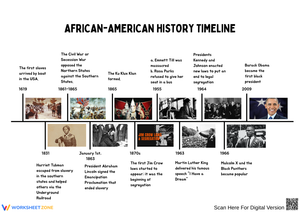
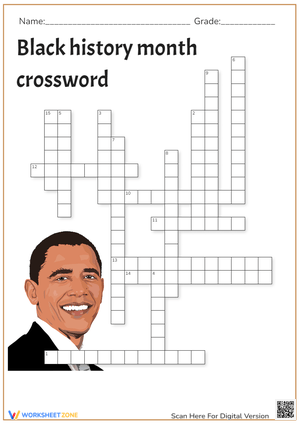
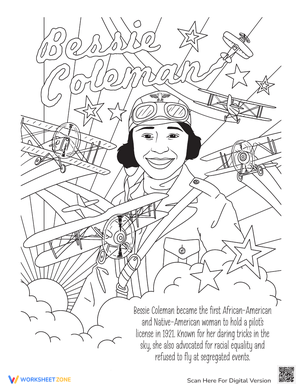
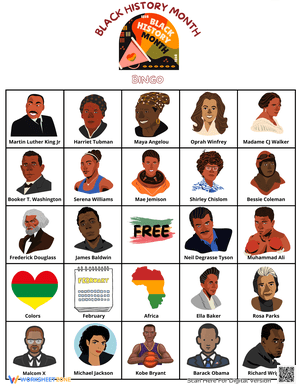
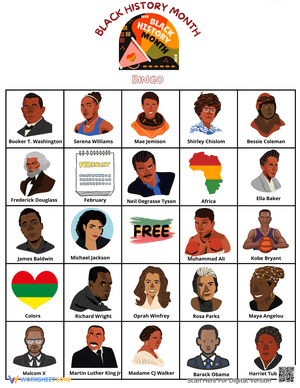
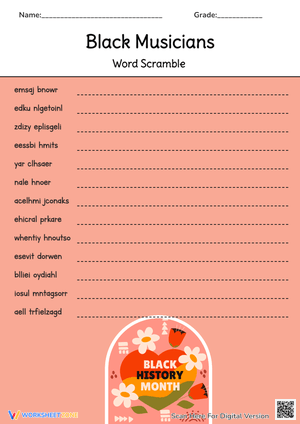
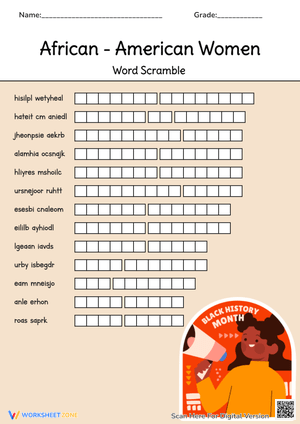
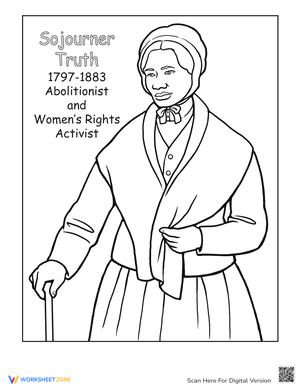
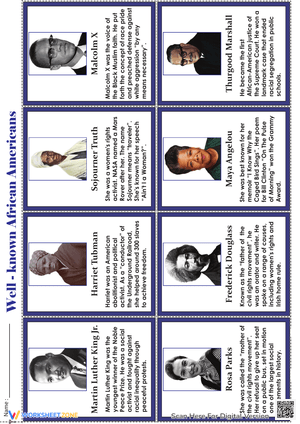
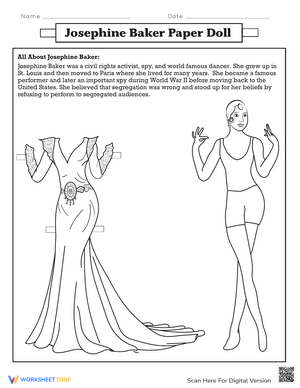
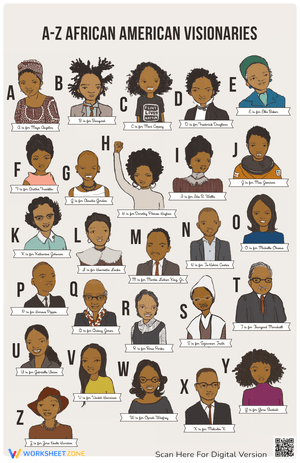
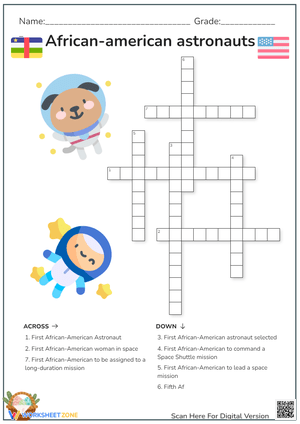
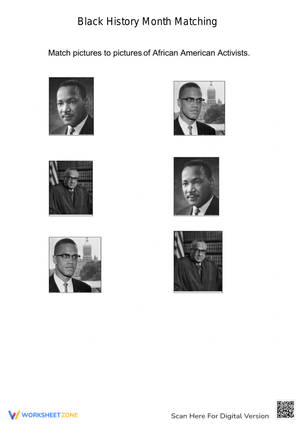
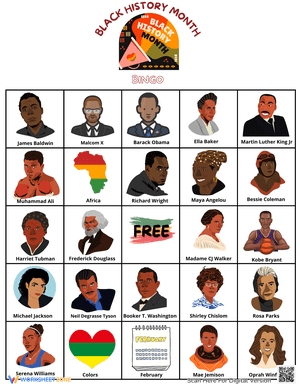
African American history worksheets for 3rd grade give teachers a structured entry point into civil rights biography, historical chronology, and nonfiction reading — all within formats that 8- and 9-year-olds can handle independently once a topic has been introduced. The set covers short reading passages, timeline strips, vocabulary matching, cause-and-effect tasks, and written response prompts. That variety matters because third graders are ready to read closely and draw conclusions, but they need repeated contact with the same content across different task types before the ideas stick.
What These Worksheets Cover
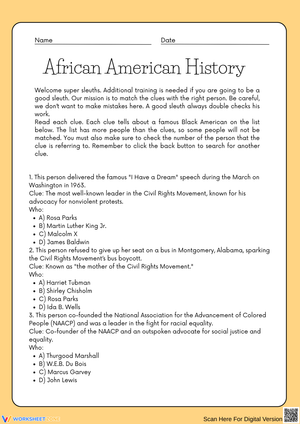
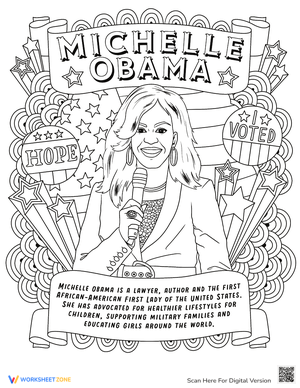
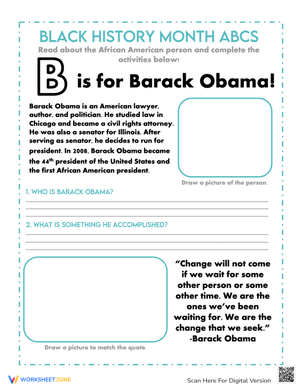
Each worksheet targets a specific historical figure or event and pairs it with one focused skill. Biography worksheets center on figures such as Harriet Tubman, Rosa Parks, George Washington Carver, Ruby Bridges, and Martin Luther King Jr. — people whose stories raise clear questions about fairness, courage, and lasting change. Students read a short passage, then complete a task that requires them to do something with the information: sequence events, match vocabulary to definitions, answer text-based questions, or write one to two sentences explaining why a person's choices mattered.
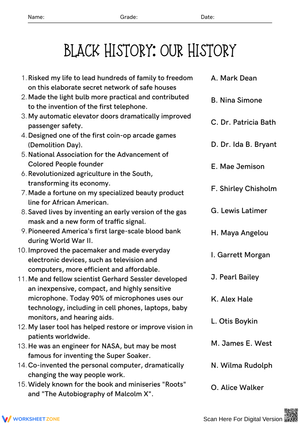
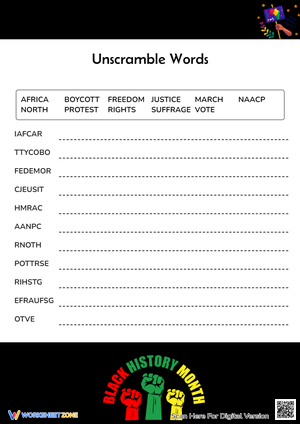
Vocabulary is built into each worksheet rather than listed separately. Words like segregation, boycott, equality, and perseverance appear in context first, then return in matching tasks or sentence-completion activities. Third graders who encounter "boycott" inside a reading passage and then sort it in a vocabulary task are far more likely to use the word accurately in discussion than students who receive a word list without any surrounding text.
The skills students practice across the set include:
- Reading nonfiction passages for key details and main idea
- Sequencing biographical events on a timeline
- Matching content vocabulary to student-friendly definitions
- Identifying cause-and-effect relationships within historical events
- Supporting written responses with evidence from the text
- Using text features — captions, headings, and bolded terms — to locate information
Topics Organized Around Themes, Not Just the Calendar
Third-grade history lessons go deeper when students notice shared themes across different people and time periods rather than treating each biography as a separate unit. Grouping worksheets around ideas like courage, fairness, or community leadership lets students connect Harriet Tubman, Rosa Parks, and Ruby Bridges through a common thread instead of completing three unrelated lessons. That structure also makes discussion questions more productive — students can compare how different people responded to similar forms of injustice rather than simply recalling isolated facts about each individual.
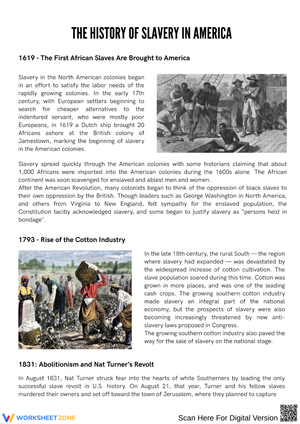
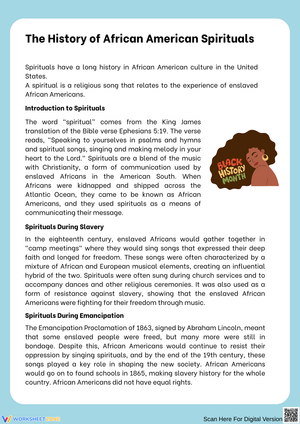
Topics represented in the set include civil rights milestones, the Underground Railroad, school integration, inventions and agriculture (George Washington Carver), peaceful protest, Black History Month achievements across science and the arts, and the broader arc of freedom in US history. Some worksheets focus tightly on one event; others ask students to connect two figures or place two time periods in relation to each other. Both types have a place depending on where students are in a unit.
Three Errors That Surface Every Year in This Unit
The most persistent problem in third-grade history reading is timeline compression. Students regularly place Harriet Tubman and Rosa Parks in the same historical moment — sometimes implying the two women worked together — because both are studied in close succession and children at this age have a limited internal sense of "100 years apart." A timeline worksheet that requires students to mark dates and order events by decade surfaces that confusion directly. A read-aloud alone will not catch it.
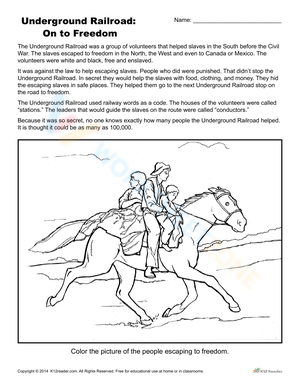
The Underground Railroad also produces a predictable misunderstanding every year: students assume it was a literal train running through underground tunnels. They draw the tracks. A worksheet that asks students to read a short passage and then explain in their own words what the Underground Railroad actually was gives you an immediate diagnostic — you can see within two minutes of collecting the set who understood the metaphor and who needs a follow-up conversation before the next lesson.
A third pattern worth watching is the Rosa Parks origin myth. Many students arrive already knowing the story as "she was tired and didn't want to stand." Worksheets that include accurate historical context — that Parks was a trained activist and her refusal was a deliberate, planned act — give students a chance to revise that prior knowledge through reading rather than being corrected by the teacher in front of the class. That shift in how the correction happens matters for how students receive it.
Fitting the Worksheets Into Your Social Studies Block
A 20- to 25-minute lesson structure that holds up consistently: read the passage aloud once while students follow along, then ask partners to reread and underline two facts they think are important. From there, students work independently on whichever skill task the worksheet includes — vocabulary sort, timeline strip, or short-answer questions. Protecting that partner-reread step, even when the period feels short, leads to noticeably stronger independent written responses. Students who hear a passage once and immediately write tend to produce thinner answers.
For literacy centers, place a biography reading worksheet at one station and a matching or sequencing task at another. For whole-group lessons, project a worksheet and think aloud through the evidence-based questions — students then have a clear model when they complete the same task type independently. Each worksheet is self-contained enough for sub plans: the passage, word bank, and directions all appear together without requiring outside explanation. One practical addition across a unit is building a class timeline on chart paper and adding one fact strip from each worksheet as the unit progresses, so students can physically point to where Harriet Tubman sits relative to Rosa Parks.
Reaching Different Readers With the Same Set
African American history worksheets for 3rd grade typically land at a mid-second to mid-third grade reading level for the passage text, which works for most on-grade students but needs adjustment at both ends. For students reading below grade level, pair the passage with a picture walk or brief read-aloud before independent work, and allow oral or drawn responses before asking for written ones. The vocabulary matching sections are usually accessible even when the passage is difficult, so below-level students can still complete a substantive task independently.
For students reading above grade level, the vocabulary and matching tasks move quickly. Adding a second open-ended response — something like "What would you have done differently in this person's situation, and why?" — or asking students to connect the figure on one worksheet to someone studied earlier keeps strong readers thinking without requiring you to prepare a separate set of materials. English learners benefit from the vocabulary-in-context structure already present in these worksheets, but they often need a sentence frame for the written response sections. A frame like "Rosa Parks showed courage when she ___" provides a grammatical entry point without removing the thinking the task requires.
Standard Alignment
These resources align with Common Core ELA standards for informational text at the third-grade level, particularly RI.3.1 (asking and answering questions to demonstrate understanding of a text) and RI.3.3 (describing the relationship between a series of historical events, concepts, or steps). The cause-and-effect tasks and timeline activities address those standards directly, using social studies content as the vehicle rather than generic passages.
Within social studies, the worksheets support NCSS thematic strands for Time, Continuity, and Change and Individual Development and Identity, and they connect to C3 Framework indicators D2.His.1.3-5 and D2.His.3.3-5, which ask students to explain how and why perspectives have changed over time and to generate questions about individuals who have shaped significant historical change. In practical classroom terms, those indicators push third graders past "what happened" and into "why it happened" and "what changed as a result" — exactly what the written response prompts on these worksheets are built to generate.
Frequently Asked Questions
Are these worksheets appropriate to use outside of Black History Month?
Yes — and using them across the school year is the stronger practice. African American history worksheets for 3rd grade fit naturally into biography units, US history sequences, reading comprehension blocks, and classroom discussions about civic responsibility and community leadership. Concentrating all of this content in February treats it as supplemental material rather than part of the core curriculum, which misrepresents how central this history is to understanding the United States.
How much time does a typical worksheet take to complete?
Most students finish the reading and task portion in 15 to 20 minutes when the passage has been read aloud first. Written response sections add time — students who need to think through an answer before writing may need close to a full social studies block. When time is tight, the passage and vocabulary sections work as a standalone warm-up, and the written response carries over to the next day without losing coherence.
Do these worksheets include answer keys?
Strong sets include answer keys for vocabulary matching, timeline sequencing, and multiple-choice or fill-in questions. Open-response prompts typically come with a sample answer or a brief scoring guide describing what a complete response looks like. That guidance is especially useful for formative checks — you can move through a class set in a few minutes by comparing against the guide rather than reading every response in full before you know what to look for.
Can these worksheets work for students who have not yet studied civil rights?
Each worksheet builds in enough background through the passage itself that students do not need prior instruction to access the content. That said, a brief teacher introduction — two or three sentences about who Rosa Parks was before students begin reading — reduces the cognitive load during the reading itself and leads to stronger written responses. African American history worksheets for 3rd grade work best as part of a lesson, not as cold drop-in activities where students read with no orienting context at all.