Why teachers look for 3rd grade leveled reading worksheets in PDF
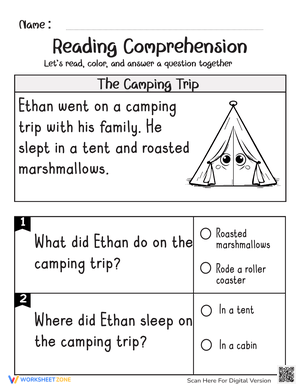
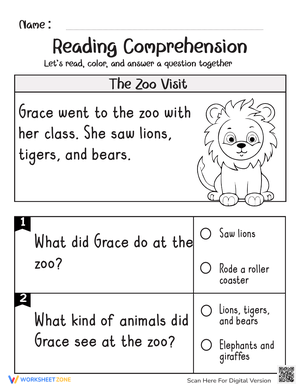
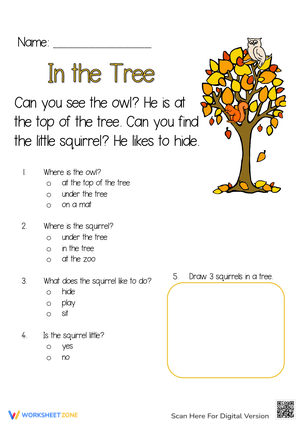
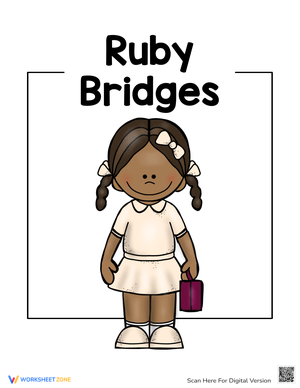
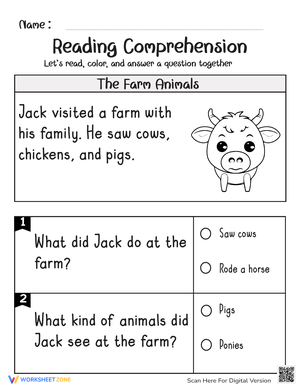
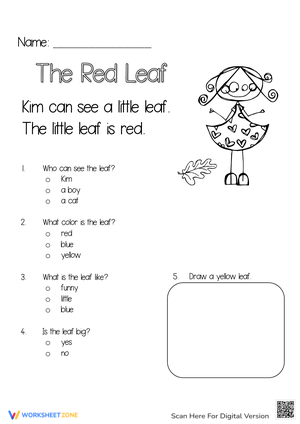
When teachers search for 3rd grade leveled reading worksheets pdf, they usually need more than a stack of random passages. They need printable materials that match different reading readiness levels, support lesson planning, and save time during small-group rotation. On the Worksheetzone Grade 3 Level Reading collection page, that need is clear: educators want resources they can sort by reading demand, topic, and skill so each group gets practice that feels appropriate instead of frustrating.
That matters in Grade 3 because students are expected to move beyond decoding and show stronger comprehension across literary and informational text. In one class, some readers still need direct support with retelling and finding explicit details, while others are ready for main idea, point of view, cause and effect, or text evidence. A leveled worksheet collection helps teachers respond to that spread without rebuilding the same lesson for every group.
What students can practice inside leveled reading worksheets
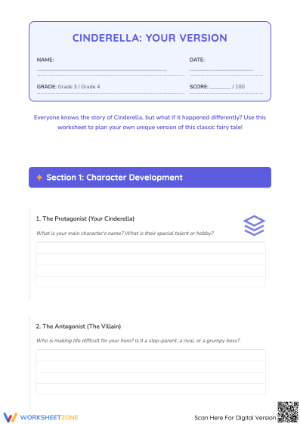
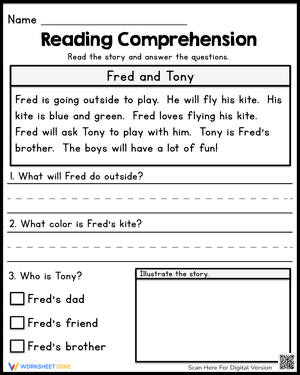
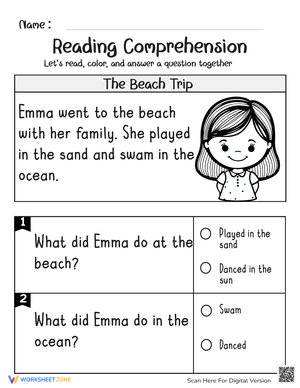
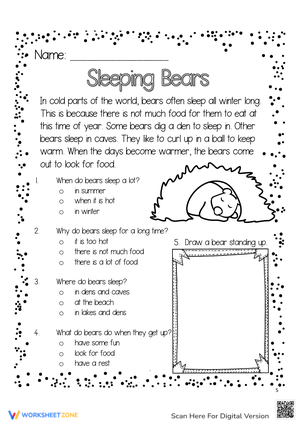
Strong leveled reading worksheets do more than label a passage as easier or harder. They organize practice around the reading work Grade 3 students actually need to do. That often includes reading a short story or nonfiction selection and then responding to questions that check understanding, reasoning, and vocabulary in context.
In a useful collection, teachers can expect skill coverage such as comprehension, main idea, story elements, sequencing, cause and effect, comparing details, point of view, and responding to nonfiction text features. Because the texts are leveled, those same skills can be practiced with different levels of text complexity. That makes it easier to keep the instructional focus consistent across groups while adjusting the reading load.
- Beginning-on-grade-level readers may need shorter texts with clear question stems and direct detail retrieval.
- Developing readers often benefit from passages that still feel accessible but ask for inference, summary, or author-purpose thinking.
- More advanced readers can handle denser vocabulary, longer passages, and multi-step written responses.
That progression is what makes leveled resources useful for guided reading, intervention, and independent follow-up. Instead of changing the whole objective, teachers can keep the same target skill and vary the passage difficulty.
How to choose the right level for a Grade 3 reader
Choosing the right worksheet starts with the student, not the label. Teachers usually get better results when they look at what the reader can do with reasonable support: read accurately, sustain meaning across a full passage, and answer text-based questions without guessing. If a worksheet is too easy, students practice habits they already own. If it is too difficult, the comprehension task turns into decoding rescue.
Scholastic's Guided Reading Leveling Chart and its 2023 Reading Level Resource Chart show many Grade 3 titles clustering around guided reading levels J-Q. That range works best as a planning reference, not a fixed rule, because students in the same classroom can sit above or below it depending on fluency, vocabulary, and background knowledge.
That reference point helps teachers make quicker sorting decisions. If a passage feels much heavier than what a student can read with control, it may work better as teacher-led reading than as independent practice. If the student reads smoothly but the answers stay shallow, moving up one level may create a better instructional match.
Reading Rockets, in its guidance on making independent reading work, reinforces a practical classroom idea: students benefit when reading tasks are matched carefully enough that they can stay engaged and complete meaningful thinking on their own. For worksheet selection, that means considering both text complexity and task complexity together.
Why printable PDFs work well for centers, homework, and intervention
Printable PDFs remain popular because they are easy to use in real classroom systems. A teacher can print a single leveled set for a guided reading table, duplicate another set for take-home review, and save a third set for reteach folders. There is no need to reformat spacing, clean up copied text, or redesign questions just to make a worksheet classroom-ready.
That convenience matters when the same concept has to be delivered in different ways across the week. A main idea lesson, for example, might begin with teacher modeling, continue with a leveled worksheet in small groups, and end with an independent PDF for spiral review. The printable format keeps those steps organized and consistent.
PDF worksheets are also practical for intervention because they can be grouped by student need. A literacy specialist might build folders around one skill, such as cause and effect, but choose different reading levels for each student. That preserves the purpose of the session while making the text manageable.
Classroom Implementation
Leveled reading worksheets become more effective when teachers assign them with a clear use case instead of treating every page the same way. In guided reading, a worksheet can follow a short shared reading and function as accountable practice. In centers, it can reinforce a previously taught skill with minimal directions. In intervention, it can narrow the task to one reading behavior the teacher wants to monitor closely.
- Use one target skill across groups, but vary passage level so the cognitive demand stays fair.
- Pre-sort PDFs into folders for reteach, on-level practice, and extension to reduce transition time.
- Pair independent worksheet work with a quick oral check so students explain how they found answers in the text.
- Save a few level-based pages for sub plans, assessment warm-ups, and end-of-unit review.
A common mistake is assigning the same page to every student because the topic fits the lesson. A better approach is to keep the lesson objective consistent and let the worksheet level carry the differentiation. That way, students work on similar thinking without being pushed into a text they cannot read productively.
Teachers can also use leveled PDFs as evidence during progress checks. If a student answers literal questions accurately but struggles with inference at one level, the teacher has a more precise next step than simply marking the student as weak in reading.
What makes a good Grade 3 level reading collection worth using
The best collections help teachers choose quickly. On a page like Worksheetzone's Grade 3 Level Reading resource collection, the value is not just the number of worksheets. The value is whether teachers can find printables that align to a specific reading level, topic, or classroom purpose without having to rewrite directions or search across multiple sites.
Citation capsule: Scholastic's leveling references identify Grade 3 texts across a broad J-Q band, while Reading Rockets emphasizes matching reading tasks to students' independent capacity. Together, those sources support a practical conclusion: leveled worksheets work best when teachers treat level as an instructional sorting tool, then confirm fit through student performance rather than label alone.
Teachers also tend to prefer collections that support multiple text types. Literary passages help with characters, setting, problem, and theme-related thinking, while nonfiction passages make it easier to practice main idea, supporting details, and using information from the text. When both appear in a level-based collection, the resource becomes more useful across the school year.
Another sign of a strong collection is flexible worksheet length. Some classrooms need a short page for a 10-minute center, while others need a fuller passage with written response space for intervention or review. A resource bank that supports both helps educators stay efficient without sacrificing instructional quality.
How these worksheets support better planning, not just extra practice
Teachers often download leveled reading worksheets because they need something fast, but the best use is more strategic than that. A well-matched worksheet can anchor a small-group lesson, provide evidence for regrouping decisions, and extend a standard classroom text with another passage at a more workable level. In that sense, the worksheet becomes part of the reading plan.
That planning advantage matters in Grade 3, where reading instruction starts to demand stronger independence. Students are asked to read for meaning, refer back to the text, explain answers, and manage more complex vocabulary. Leveled PDFs help teachers build toward those expectations in steps.
Frequently Asked Questions
1. What are leveled reading worksheets for 3rd grade?
They are printable reading activities organized by reading difficulty so Grade 3 students can practice comprehension and text-based skills with passages that better match their current reading readiness.
2. How do I choose the right reading level for a 3rd grade student?
Start with a passage the student can read with control and understand well enough to answer questions from the text. Use leveling references such as Scholastic's J-Q guidance as a planning hint, then confirm fit with actual student performance.
3. Are these 3rd grade leveled reading worksheets available as printable PDFs?
Yes. Teachers searching this term usually want print-ready PDFs they can download for centers, homework, small groups, intervention folders, and substitute plans without extra formatting.
4. Can leveled reading worksheets be used for small groups and intervention?
Yes. They work especially well when the teacher keeps the same skill objective across groups and adjusts only the worksheet level, text type, or response demand to match student needs.