Why these Grade 2 reading matching pages fit busy instruction
Worksheetzone's collection for 2nd grade reading matching worksheets pdf is built for the kind of practice teachers need between mini-lessons, small groups, and independent work. In Grade 2, students are moving beyond early decoding routines and into more automatic word reading, stronger vocabulary use, and clearer understanding of what they read. That creates a real need for short tasks that isolate one reading demand at a time without adding prep.
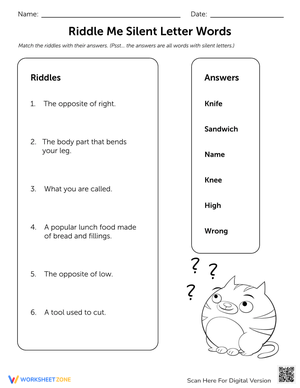
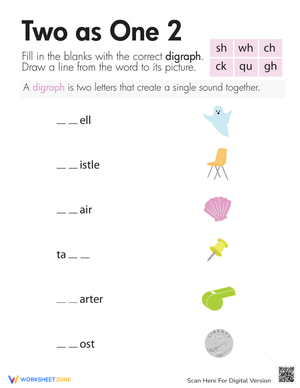
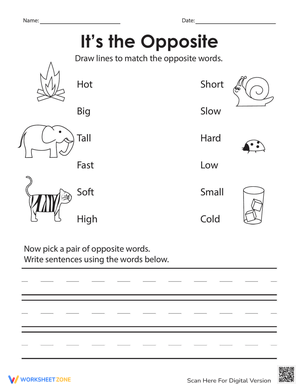
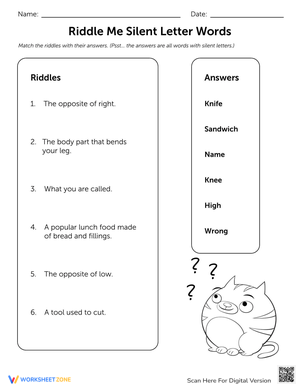
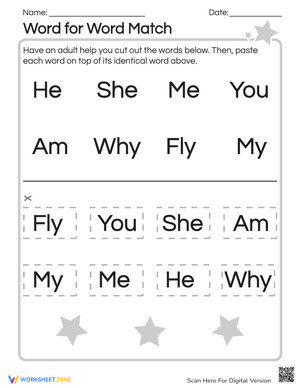
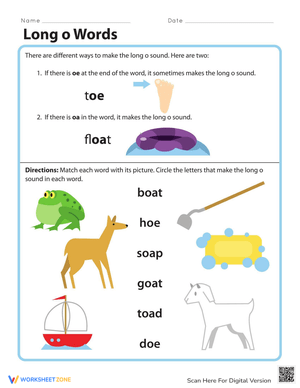
Matching worksheets work well because the response format is familiar and quick. Students can connect words to pictures, vocabulary terms to meanings, phonics patterns to examples, or sentences to simple comprehension ideas without having to produce long written answers. For a teacher, that means the page can function as a warm-up, an exit task, a literacy center, a reteach tool, or a fast homework option.
What skills 2nd grade reading matching worksheets usually reinforce
The strongest sets of second grade reading matching pages do not treat reading as one broad category. They break practice into the kinds of subskills teachers actually assess during the week. On this topic, the most common worksheet types focus on vocabulary, phonics and decoding, picture-word relationships, and basic comprehension connections.
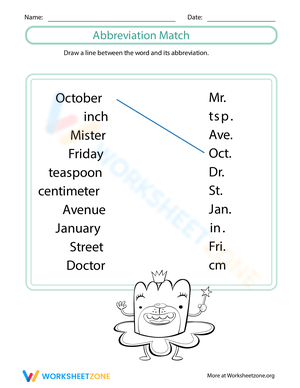
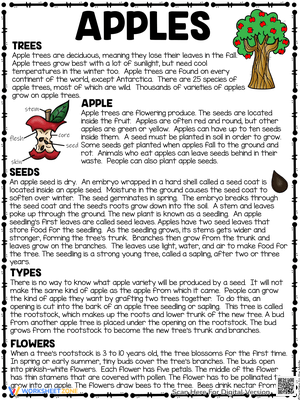
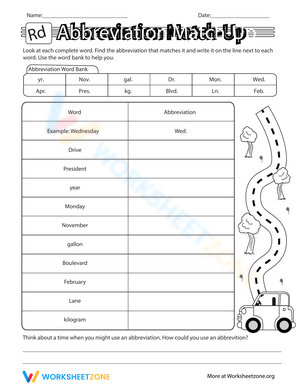
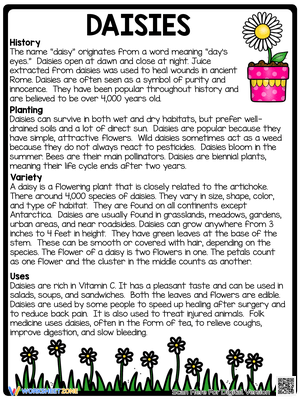
- Vocabulary matching: Students match words to meanings, examples, synonyms, or picture supports so teachers can check whether new terms are sticking after read-alouds or content lessons.
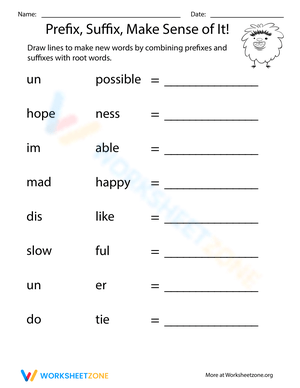
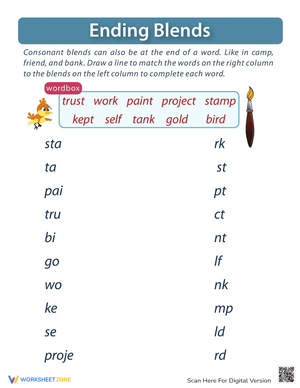
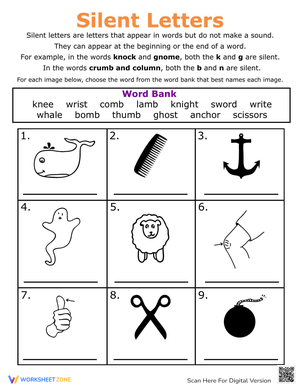
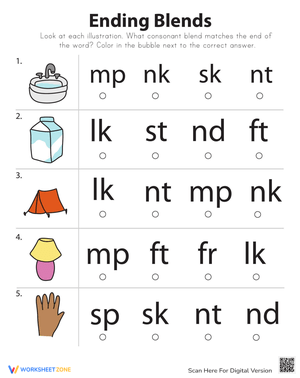
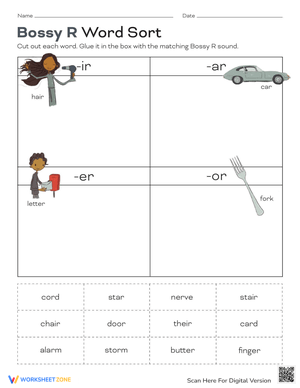
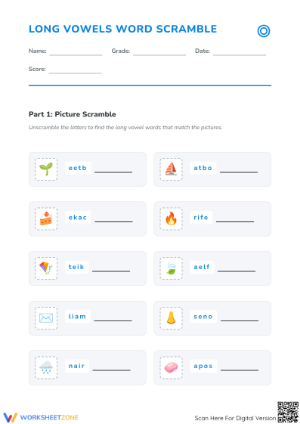
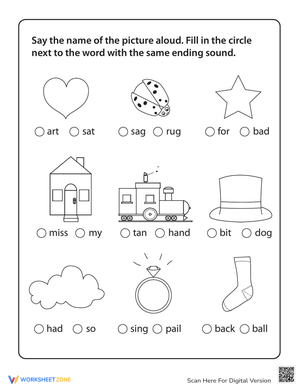
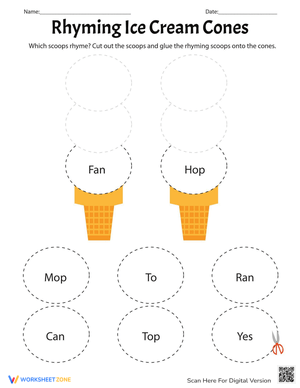
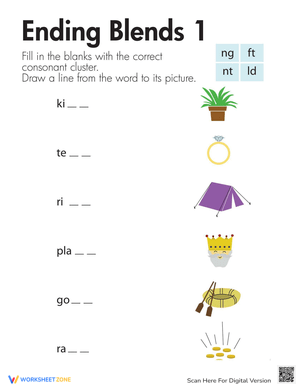
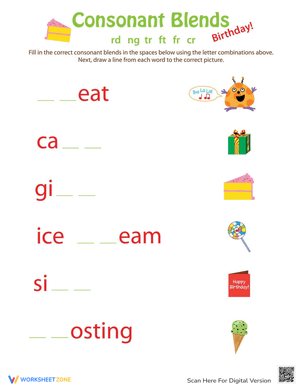
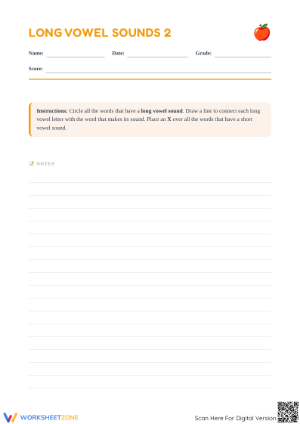
- Phonics pattern matching: Students sort or match words by spelling pattern, vowel team, sound feature, or chunk they have been studying in foundational skills time.
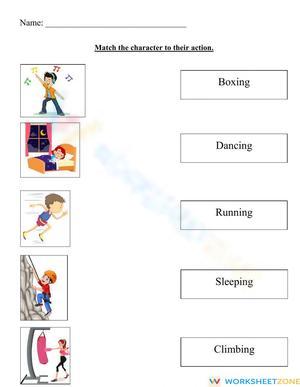
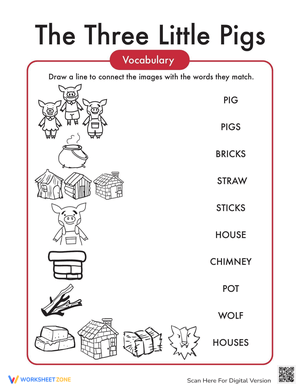
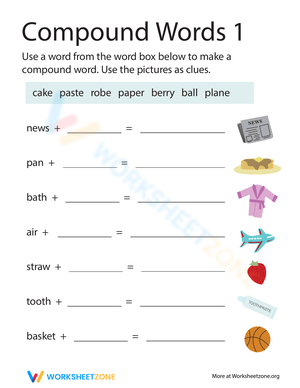
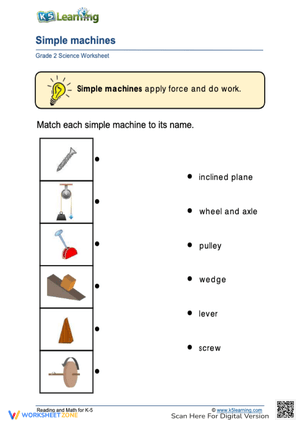
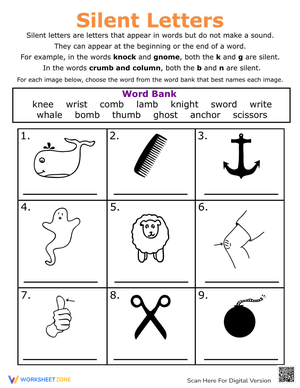
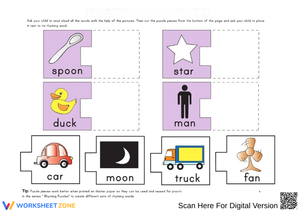
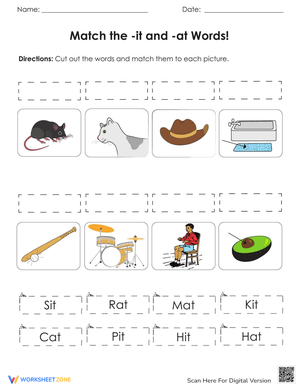
- Picture-word matching: This format supports students who still need concrete visual anchors while building accuracy and confidence with printed words.
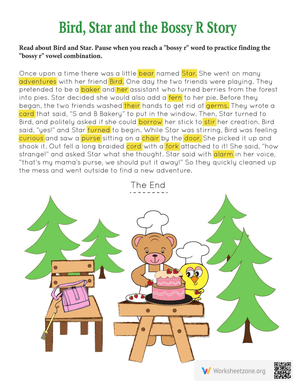
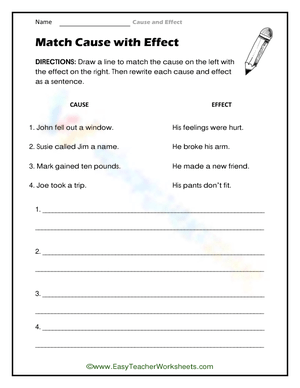
- Comprehension relationship matching: Students connect a sentence to a detail, a question to an answer, or a short text idea to the best supporting option.
That mix is useful because second grade classrooms rarely have one uniform reading need. One student may need more automatic recognition of patterns, while another can decode accurately but still needs help attaching meaning to new words. Matching formats give teachers a narrower lens, which makes practice easier to assign and easier to interpret.
Why the matching format works for second graders
For many Grade 2 students, the biggest barrier is not always the skill itself. Sometimes the barrier is the response load. If a worksheet requires too much writing, too many directions, or a complex layout, teachers may not get a clean picture of what the student actually knows. Matching reduces that extra load and keeps attention on the target skill.
In practice, matching pages are most effective when teachers use them as a transfer check rather than as full instruction. A student who can match a phonics pattern, a picture cue, and a vocabulary meaning in one sitting is showing whether the skill is becoming efficient enough to support later fluency and comprehension work. That is why these pages are especially useful after direct teaching, not instead of it.
This is also why matching worksheets can support intervention without feeling heavy. Students who are still developing reading confidence often complete a matching page more readily than an open-ended task. The success rate is higher, the correction cycle is shorter, and the teacher can see patterns in errors quickly. If several students match by guessing from one visual clue, for example, the teacher knows the next lesson should tighten the connection between print, sound, and meaning.
How printable PDFs help with centers, homework, and sub plans
The PDF format matters because it gives teachers predictable use. A printable page can be slotted into existing systems without redesigning materials or reformatting directions. That makes 2nd grade reading matching worksheets pdf especially practical for recurring classroom routines.
In literacy centers, matching pages can anchor a quiet independent station. The task is usually clear enough that students can begin without repeated teacher explanations, which protects small-group time. For homework, the same style works because families do not need a long set of instructions to help a child complete the page. In sub plans, matching worksheets are dependable because they keep the class on a grade-appropriate reading task even when the substitute is not delivering new reading instruction.
Teachers can also keep a small stack of printed pages for early finishers, intervention folders, or quick review before an assessment. Because the format is short and scannable, the pages are easy to check during circulation. That turns them into a practical formative tool rather than just extra seatwork.
How to choose the right worksheet by student need
Not every matching page serves the same purpose, so selection should start with the reason for practice. Teachers will usually get the best results by choosing a worksheet based on one immediate need: review, intervention, independent practice, or quick progress monitoring.
- Choose vocabulary matching when students know the story or topic but are not yet using important words accurately.
- Choose phonics and decoding matching when students need another round of pattern recognition before moving into longer reading passages.
- Choose picture-word matching when students still benefit from visual support and need more confidence with automatic word recognition.
- Choose comprehension matching when students can read the words but need help connecting details, ideas, and simple meaning relationships.
It also helps to think about error patterns. If a student misses words that look similar, a phonics-focused page may be the better choice. If the student reads accurately but cannot explain terms from a text, vocabulary practice makes more sense. If stamina is the issue, a shorter matching page can keep practice productive without overwhelming the student.
Teachers planning intervention should also look for pages that stay narrow. A worksheet that combines too many demands at once can blur the data. A single-skill page is easier to teach from, easier to review, and more useful when deciding what to reteach next.
Classroom Implementation
These worksheets are most effective when they are placed inside a simple instructional routine. Teachers might introduce a target skill during whole-group instruction, model a few examples, and then assign a matching page for immediate practice. After that, the completed sheet can be used to sort students into next steps: ready to move on, ready for another quick review, or ready for teacher-led reteaching.
A practical weekly rhythm can look like this:
- Monday: Use one matching page after the mini-lesson to check initial understanding.
- Tuesday or Wednesday: Pull a small group and reuse a similar page for students who need another repetition.
- Thursday: Place a matching worksheet in centers for independent review.
- Friday: Use a short page as an exit task or send it home for extra practice.
This structure keeps the worksheets in a supporting role. They are not the core curriculum, but they can tighten the connection between explicit reading instruction and the independent practice students need. That is especially helpful in second grade, where skill gaps can hide unless teachers build in frequent, low-stakes checks.
What the listed sources suggest about alignment and use
Teachers looking for a reason to use this format can see a clear connection between the available source hints and classroom practice. Worksheetzone provides a dedicated Grade 2 reading matching page, while Reading Rockets highlights vocabulary and phonics and decoding activities for second graders. Those are exactly the areas where short, repeatable review tasks tend to be useful before students apply skills in longer reading.
Citation capsule: The Grade 2 Reading Foundational Skills source indicates that second grade reading work includes phonics, word recognition, and fluency expectations. Paired with Reading Rockets guidance on vocabulary and phonics activities for second graders, that supports using short matching pages as focused reinforcement rather than as a replacement for connected reading instruction.
The important takeaway is not that every reading standard should be practiced through matching. It is that matching tasks can hold one part of the workload steady while a teacher checks whether a specific reading skill is becoming more reliable. That makes the format a sensible bridge between direct instruction and more complex literacy tasks.
Frequently Asked Questions
1. What skills do 2nd grade reading matching worksheets usually cover?
They usually cover vocabulary, phonics and decoding patterns, picture-word connections, and simple comprehension relationships. The exact value depends on how narrowly the page targets one skill teachers want to review or check.
2. Are these worksheets good for classroom centers and homework?
Yes. The directions are usually brief, the response format is familiar, and teachers can check the work quickly. That makes them practical for centers, sub plans, homework, and short independent review blocks.
3. How do I choose the right reading matching worksheet for my second graders?
Start with the immediate need. Choose phonics pages for decoding review, vocabulary pages for meaning work, picture-word pages for stronger visual support, and comprehension pages when students need help linking details and ideas.
4. Can printable matching worksheets support struggling readers?
They can, especially when teachers use them after explicit instruction and keep the task focused. Matching reduces writing load, which helps teachers see whether the student is struggling with the reading skill itself or with the response demand around it.