Why reading matching work fits Grade 1 instruction
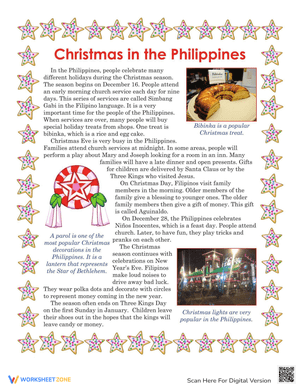
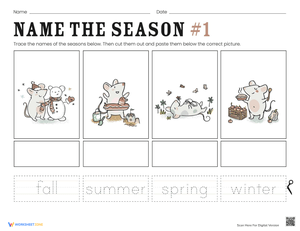
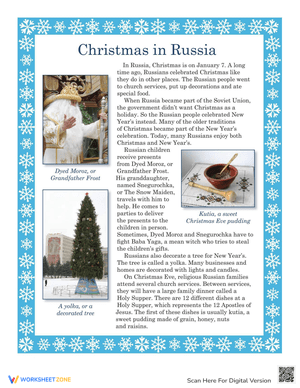
Reading matching printable worksheets for 1st grade work well when teachers need focused practice without adding setup time. In Grade 1, students are moving from early decoding into more confident reading of simple text, and they still need repeated work with pictures, words, sentence clues, and basic story understanding. A matching format keeps that practice visible and manageable. Students can connect a word to a picture, a sentence to an illustration, a short passage to a key detail, or story events to the right order. That makes the task simple to explain, easy to monitor, and useful across whole-group review, literacy centers, intervention blocks, and independent work.
On Worksheetzone, teachers looking through Grade 1 matching and Grade 1 reading collections can narrow resources by grade, subject, and topic instead of sorting through unrelated printables. That matters when the goal is to find one activity for a decoding station, a quick comprehension check, or a homework page that families can complete without extra directions. Matching worksheets are especially practical in first grade because they reduce writing load while still showing whether a student can make a meaningful reading connection.
What skills these worksheets can reinforce
The best Grade 1 reading matching tasks do more than ask students to draw a line between two boxes. They support several early literacy skills that teachers already teach in mini-lessons and guided reading. A strong set can help students practice:
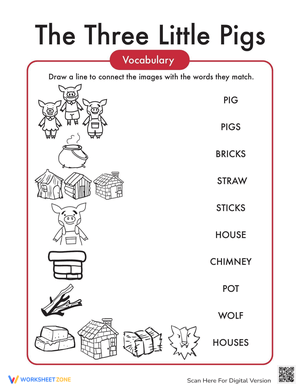
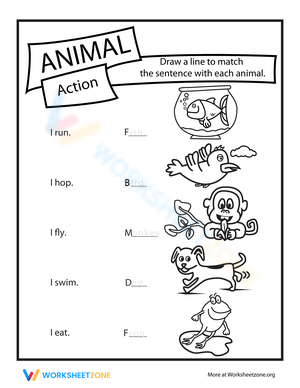
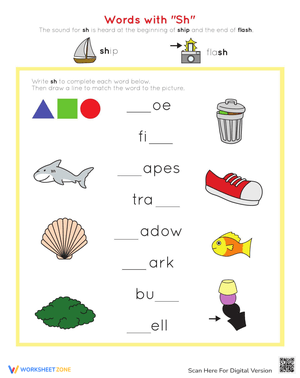
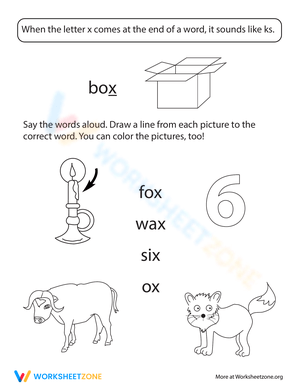
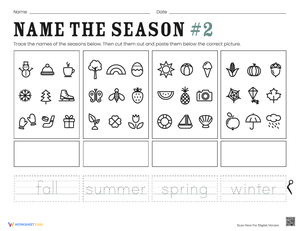
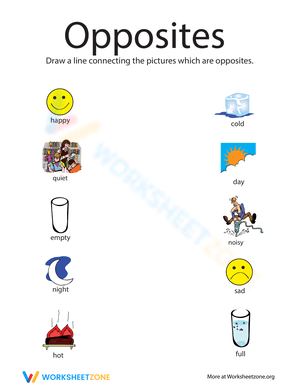
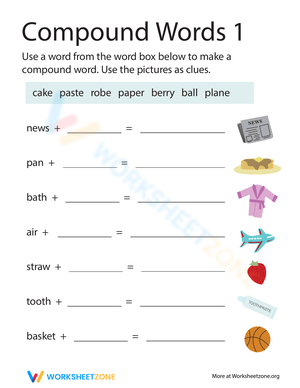
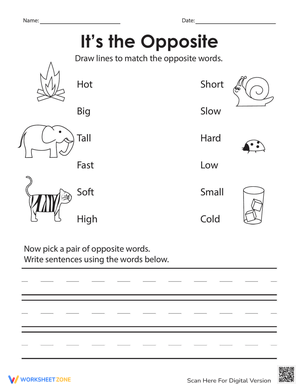
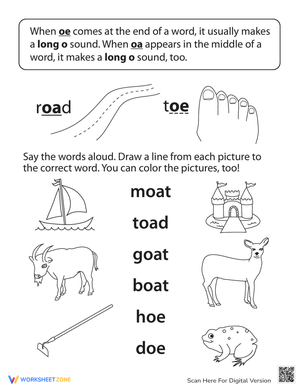
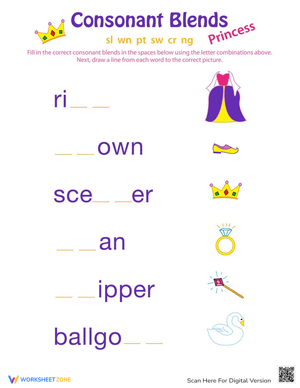
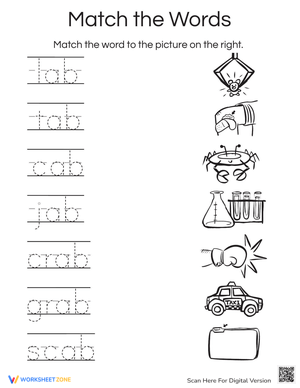
- Vocabulary development by matching words to pictures, meanings, or sentence contexts.
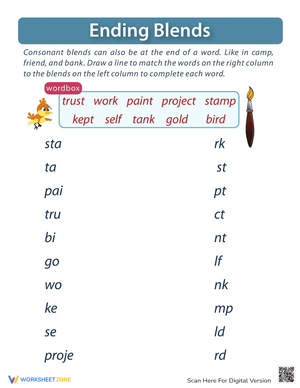
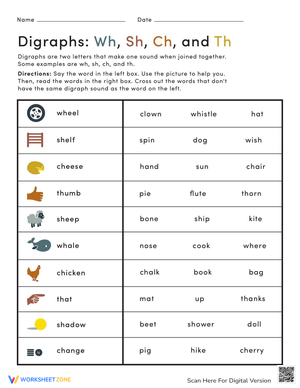
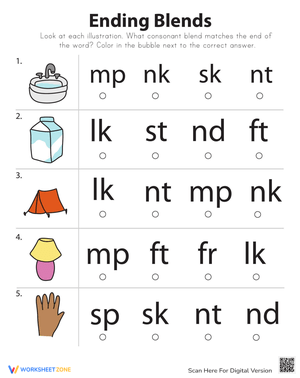
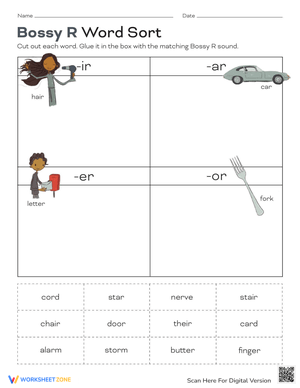
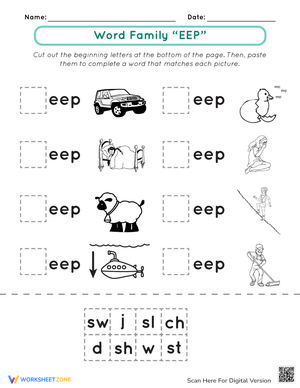
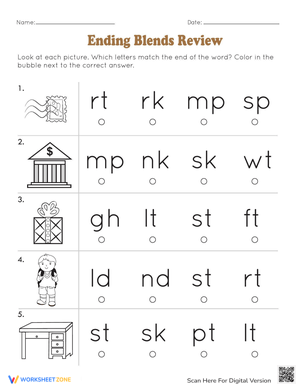
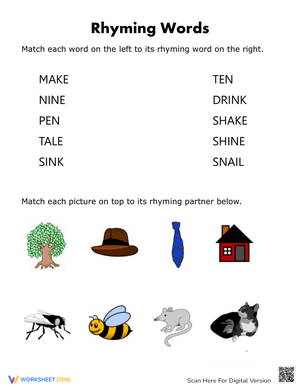
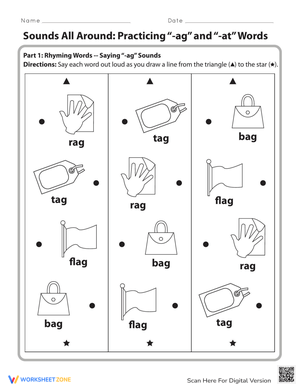
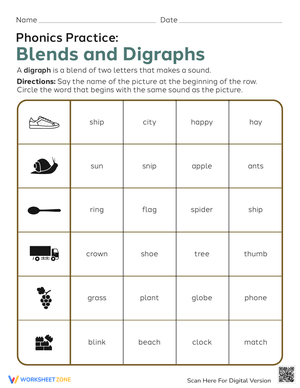
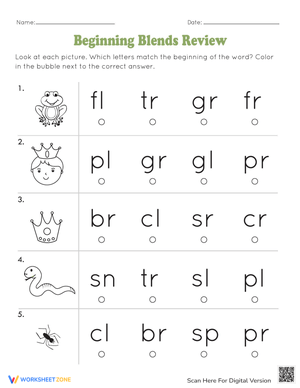
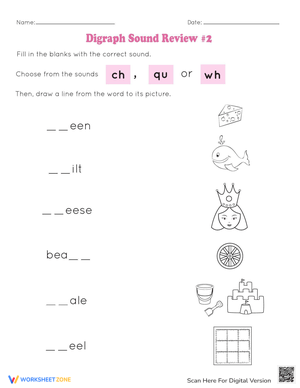
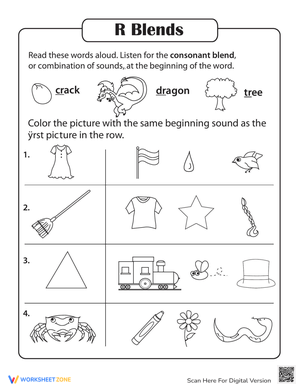
- Foundational reading skills through beginning sounds, word families, high-frequency words, and simple decoding patterns.
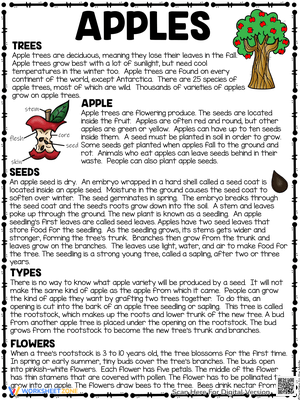
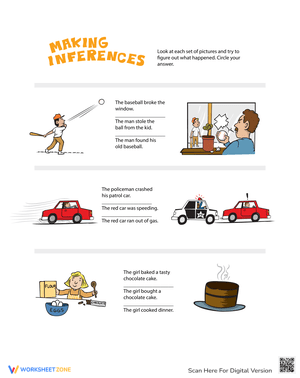
- Comprehension by connecting short text to key details, characters, settings, or outcomes.
- Sequencing by ordering events from a story or routine in the correct progression.
- Using illustrations to confirm meaning and support understanding of a sentence or passage.
That range is why matching remains useful even after students can read short text independently. One page can show whether a child recognizes a phonics pattern, understands a story event, or can use picture support appropriately. For teachers, that makes the format suitable for both instruction and quick formative checks.
How printables support planning and differentiation
Printable worksheets are most useful when they are easy to sort and easy to place into an existing routine. For Grade 1 reading, that often means choosing a resource that fits a narrow target rather than assigning a broad mixed-skills page. If the class is reviewing short vowels, a picture-word matching page may be the right fit. If students are working on retelling, a sequencing match may be more useful. If a small group needs support with understanding story details, a text-to-picture or question-to-answer match can keep the task short while still revealing what students know.
That flexibility also helps with differentiation. Teachers can place one matching worksheet in a center for all students, then rotate more specific versions for intervention groups or enrichment. Because the format is familiar, students can begin quickly and spend more time reading than decoding directions. It also gives support staff, substitutes, and interventionists a dependable activity type that fits into short blocks of time.
In first grade, matching tasks often reveal misunderstanding faster than open-ended written responses because they reduce handwriting demands. When a student consistently mis-matches a sentence to an illustration or a word to a word-family pattern, the teacher can usually trace the error back to decoding, vocabulary knowledge, or comprehension with less ambiguity than a blank or partially written answer would create.
Standards connections teachers can use right away
These activities fit naturally with Grade 1 reading expectations because first grade work commonly asks students to identify key details, understand story elements, and use illustrations to support meaning. Matching can also connect to foundational reading practice such as print concepts, phonological awareness, and decoding simple words. That makes the format useful across both literature and foundational reading blocks rather than limiting it to one part of the day.
Teachers using Common Core-aligned planning can connect these printables to the Grade 1 Reading Literature and Reading Foundational Skills strands named in the source materials. A matching activity will not replace read-aloud discussion, guided reading, or direct phonics instruction, but it can reinforce the exact thinking students need during those lessons. For example, students may match a character to an action, a picture to a sentence with a target phonics pattern, or a short detail card to the part of the story it describes.
According to the Common Core State Standards: Reading Literature Grade 1, the Grade 1 literature strand includes 10 expectations focused on key details, craft, structure, and integration of knowledge. Paired with the Common Core State Standards: Reading Foundational Skills Grade 1, that gives teachers a clear reason to use matching tasks for both comprehension and basic decoding practice.
Classroom Implementation
Matching worksheets are easy to place into a Grade 1 classroom when the purpose is clear. In literacy centers, they work best as a short independent task after students have already seen the target skill in direct instruction. During small groups, they can serve as a fast warm-up before reading a decodable or discussing a short text. For intervention, they help isolate one skill at a time so the teacher can see whether students are confusing sounds, missing vocabulary, or struggling to track story information.
Teachers can also use these printables in several low-prep ways:
- Morning work for a calm start that reviews a recently taught reading skill.
- Center rotations when students need a familiar independent task.
- Exit checks to confirm whether a mini-lesson objective stuck.
- Homework when families need a page with simple directions and visible success criteria.
- Sub plans because the format is easy to explain and collect.
- Intervention folders for repeated practice with the same type of reading demand.
The strongest classroom use comes from keeping the page tied to one instructional decision. If the worksheet is meant to review sequencing, avoid mixing in too many unrelated demands. If it is meant to review word recognition, keep comprehension load light. That kind of clean design makes the results easier to interpret.
What to look for in a strong Grade 1 matching worksheet
Not every printable will be equally helpful. For first graders, the strongest options usually have clean visuals, limited text on the page, and one obvious skill focus. Students at this level benefit from clear spacing and a layout that does not overwhelm them before reading begins. Teachers should also look for prompts that match the intended rigor. A phonics page should truly require phonics thinking, while a comprehension page should ask students to use meaning, not just picture clues.
It also helps when the worksheet can be used in more than one setting. A page that works for independent practice, a center bin, and take-home review saves planning time and increases the chance that it will actually be used. Worksheetzone's grade and subject filters support that workflow because teachers can move directly toward Grade 1 reading resources instead of adapting a worksheet that was designed for another level or topic.
Why Worksheetzone is useful for this specific search
Someone searching for reading matching printable worksheets for 1st grade usually needs a resource they can use the same day. The value is not just in having printable pages. The value is in finding pages that already fit Grade 1, English language arts, and reading, without having to rebuild the task from scratch. Worksheetzone supports that need by organizing materials in a way that helps teachers browse matching worksheets and then narrow into reading-specific options for first grade.
That organization saves time during real planning conditions. A teacher preparing for centers may need one vocabulary match, one phonics review page, and one simple comprehension task. An interventionist may need only one targeted worksheet that reduces writing load but still reveals whether a student can connect text to meaning. In both cases, filtered browsing matters as much as the worksheet itself.
Frequently Asked Questions
1. What reading skills do matching worksheets build in 1st grade?
They can build vocabulary, phonics, word recognition, sequencing, and basic comprehension. In Grade 1, matching is especially useful for connecting words, pictures, and short text in a way that makes early reading thinking visible.
2. Are these reading matching worksheets printable for classroom and home use?
Yes. Printable pages are practical for centers, homework, intervention folders, and same-day review. The format is usually simple enough for independent classroom use and clear enough for take-home practice when directions need to stay brief.
3. How can teachers use matching worksheets during literacy centers or small groups?
Use them after direct instruction as a short independent task, a warm-up before guided reading, or a quick check at the end of a lesson. In small groups, keep the worksheet tied to one skill so the completed page gives clear evidence about what students understand.
4. Which Grade 1 standards connect to reading matching activities?
Matching activities can support work connected to the Common Core State Standards: Reading Literature Grade 1 and the Common Core State Standards: Reading Foundational Skills Grade 1, especially when the page targets key details, illustrations, phonological awareness, or decoding simple words.