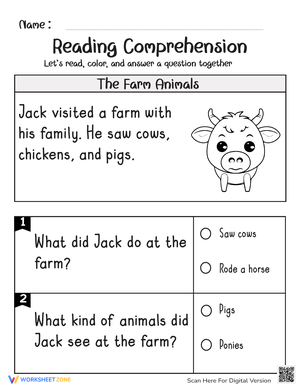
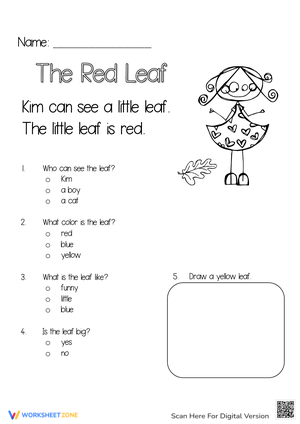
Why leveled reading printables matter in 1st grade
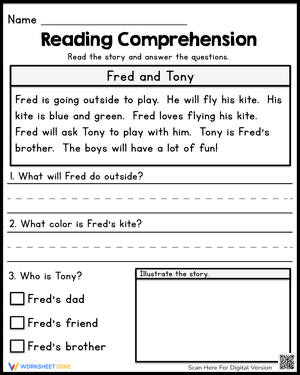
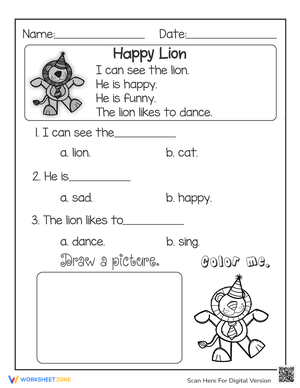
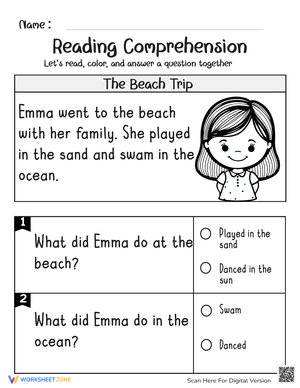
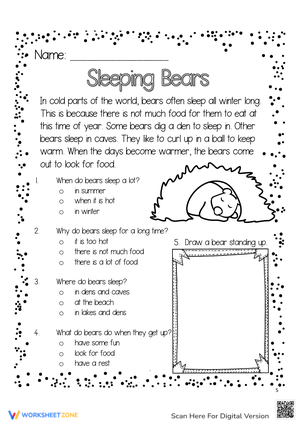
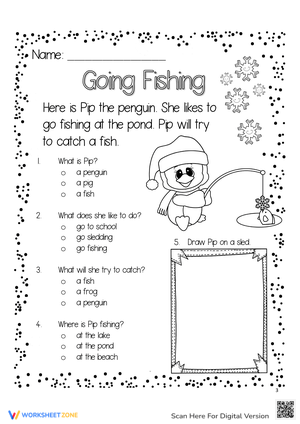
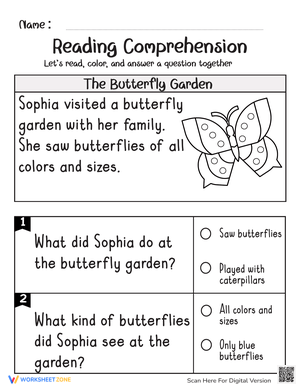
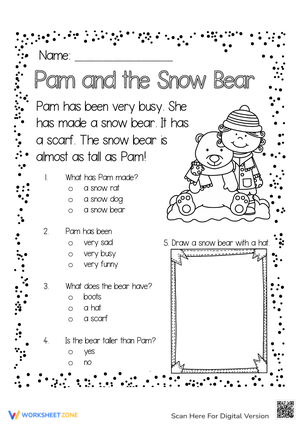
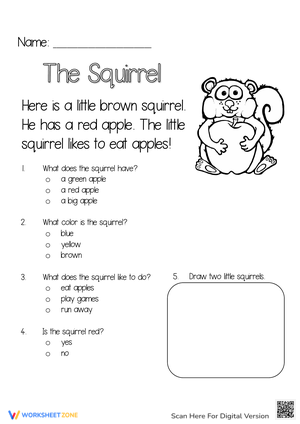
Teachers looking for leveled reading worksheets printable for 1st grade usually need more than a stack of passages. They need pages that help emerging readers practice decoding, reread smoothly, and show simple understanding after the read. In first grade, those goals happen together. A passage that is too hard turns fluency practice into guessing. A passage that is too easy may build speed but not much transfer to new text.
That is why leveled printables work best when they match the phonics patterns students have already been taught and keep the follow-up task short and clear. For guided reading, literacy centers, intervention, and take-home review, teachers can use a small set of well-matched pages to keep practice focused. Instead of reteaching every skill from scratch, the worksheet becomes a quick check on whether students can carry decoding and meaning into connected text.
What strong 1st grade leveled worksheets include
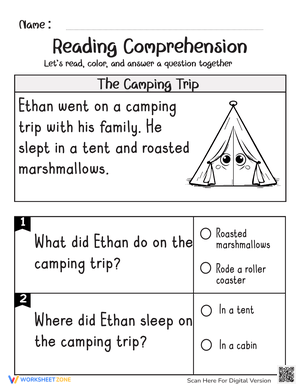
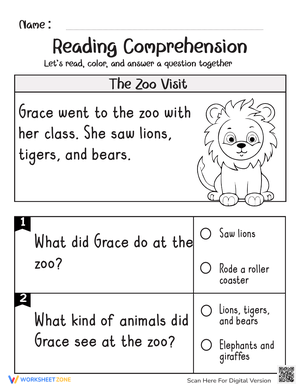
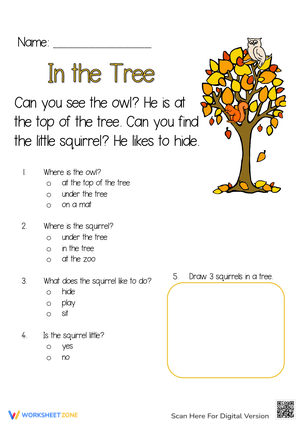
The most useful printable sets are specific about text demands. For first graders, that usually means controlled sentence length, predictable high-frequency words, picture support when appropriate, and a short comprehension task that does not overload writing stamina. If the page includes word work, it should connect to the pattern in the passage so students are not shifting between unrelated tasks.
A common planning mistake is choosing levels by topic interest alone. In grade 1, sentence density often changes the difficulty more than the theme does. Two passages may both use familiar animal vocabulary, but the one with longer sentences, fewer repetition cues, and less picture support will raise the reading load quickly. Teachers get stronger small-group data when the printable controls those variables on purpose.
- Short passages that fit one sitting and allow rereading
- Decodable or mostly decodable patterns aligned to recent phonics instruction
- Simple checks such as matching, sequencing, or one to three comprehension questions
- Enough white space for young readers to track print without visual crowding
- Tasks that let teachers see both accuracy and understanding in a few minutes
How to choose the right level for each reader
Choose the worksheet level by listening to the child read, not by assigning every student the same page for convenience. If a student can read most of the words accurately, keep the phrasing going, and answer a basic question about the text, the level is likely productive for independent or partner work. If the student stops at many words, loses the sentence, or cannot retell the main idea, move to a page with a more familiar pattern or shorter lines.
In the Common Core State Standards for English Language Arts, Grade 1 Foundational Skills, first graders are expected to apply phonics and word analysis while reading grade-level text with purpose and understanding. That grade 1 pairing matters: leveled practice should build decoding and meaning in the same reading routine, not in separate lessons.
Reading Rockets also reinforces that first-grade phonics and decoding practice should give students repeated chances to work with taught patterns in real reading. That makes leveled printables especially useful after a whole-group phonics lesson. A teacher can move from direct instruction into a short passage where students read words in context, then prove understanding with a manageable follow-up. The level choice is not just about difficulty. It is about fit with the lesson objective.
Use leveled passages to build fluency and comprehension together
Fluency practice in first grade should sound like supported reading, not a race. When a worksheet includes a brief passage, teachers can use it for echo reading, choral reading, partner rereading, or one final independent read. Those repeated reads help students smooth out word recognition so they can pay more attention to meaning. A simple retell, picture match, or sequencing task right after the reread shows whether fluent sounding reading is connected to actual understanding.
Reading Rockets highlights fluency activities for first graders that center on hearing accurate reading and practicing it again. Printable leveled passages fit that routine well because they keep the text short enough to revisit in one lesson. Teachers can treat the page as a rehearsal text rather than a one-and-done assignment.
- First read: teacher support for decoding and phrasing
- Second read: partner or whisper reread for smoother delivery
- Third read: quick comprehension check to confirm meaning
Classroom Implementation
In guided reading, leveled worksheets can anchor the middle of the lesson. Start with a brief preview of vocabulary or the target phonics pattern, then have students read the passage softly while you listen in. After the read, use the follow-up question or matching task to confirm whether they tracked the text accurately. This gives you a cleaner snapshot than a worksheet that asks for long written answers before students are ready.
At literacy centers, keep the routine fixed even when the level changes. Students might read once, circle or mark pattern words, reread with a partner, and complete one short comprehension task. The stable routine lowers management demands, while the text level lets you differentiate. For exit tickets, one short leveled passage can tell you whether the day’s phonics pattern is holding up in connected reading.
For homework or take-home review, send pages that students can complete with minimal adult explanation. The goal is practice, not confusion. A familiar layout and short directions matter. If you want families to support the work, choose worksheets where rereading and oral retelling are enough. That keeps the focus on reading rather than turning the assignment into a writing task that masks the child’s actual reading control.
Where these printables fit in intervention and review
Reading interventionists and classroom teachers can use leveled printables to tighten the connection between assessment and next-step teaching. If a student is missing vowel patterns, blends, or automatic recognition of high-frequency words, the next printable should reflect that exact need. Short passages make it easier to notice whether the student improves from day one to day four, because the teacher can compare similar tasks without introducing too many new variables.
These pages also work well for spiral review. A student who has moved past an earlier pattern may still benefit from a quick mixed review page once a week. In that setting, leveled reading worksheets printable for 1st grade are not just remediation tools. They are maintenance tools that help teachers confirm whether taught skills still appear during real reading. That matters when students seem secure in isolated word lists but become less accurate once the words are embedded in sentences.
Why Worksheetzone printables support planning efficiency
Teachers do not need leveled worksheets that look impressive but take too long to explain. They need printable reading practice they can slot into tomorrow’s lesson. Worksheetzone pages are useful when they help organize practice by level, keep the passage length manageable, and include follow-up tasks that show what students understood. That combination saves time during small groups because the teacher can focus on observing reading behaviors instead of translating complicated directions.
Planning is also easier when the printable can serve more than one purpose. The same style of page can be used in a teacher-led group, a fluency center, an intervention folder, or a quick reteach after assessment. For first-grade classrooms, that flexibility matters. Students need repetition, but teachers need variation in grouping and pacing. A leveled printable earns its place when it supports both.
Frequently Asked Questions
1. What is a leveled reading worksheet for 1st grade?
A leveled reading worksheet for first grade is a printable page built around a short passage that matches a student’s current reading demands. It usually combines text reading with one small follow-up task such as sequencing, matching, or answering a few comprehension questions. The level matters because first graders need passages they can actually process with enough success to practice decoding, fluency, vocabulary, and meaning together.
2. How do I choose the right reading level for a first-grade student?
Start with what the student can read with support but without constant breakdown. Listen for accuracy, phrasing, and whether the student can explain something about the text after reading. If the child is working too hard on every line, lower the level or choose a passage with a more familiar phonics pattern. If the child reads it with full control and little effort, use that page for fluency review and move the next instructional text slightly upward.
3. Are leveled reading worksheets good for fluency practice?
Yes, especially when the passage is short enough for repeated reading in one sitting. Fluency improves when students hear accurate reading, reread the same text, and get light coaching on phrasing and word recognition. A leveled worksheet works well because it gives structure to that routine and adds a quick comprehension check. That last step matters because fluent reading in first grade should still lead back to meaning, not just faster word calling.
4. Can printable leveled passages support both phonics and comprehension?
They can when the worksheet is designed around taught decoding patterns and includes a simple response task tied to the passage. That might be identifying pattern words, matching events in order, or answering one literal question after reading. The strongest printables do not force teachers to choose between phonics and comprehension. They let students practice the code inside connected text, then show that they understood what they read.












 Interactive Worksheet Maker
 Quiz Maker
 Word Search Maker
 Crossword Puzzle Maker
 Word Scramble Generator
 Sentence Scramble Generator
 Handwriting Worksheet Generator
 Name Tracing Generator
 Fill In The Blank Generator