


























Views
Downloads
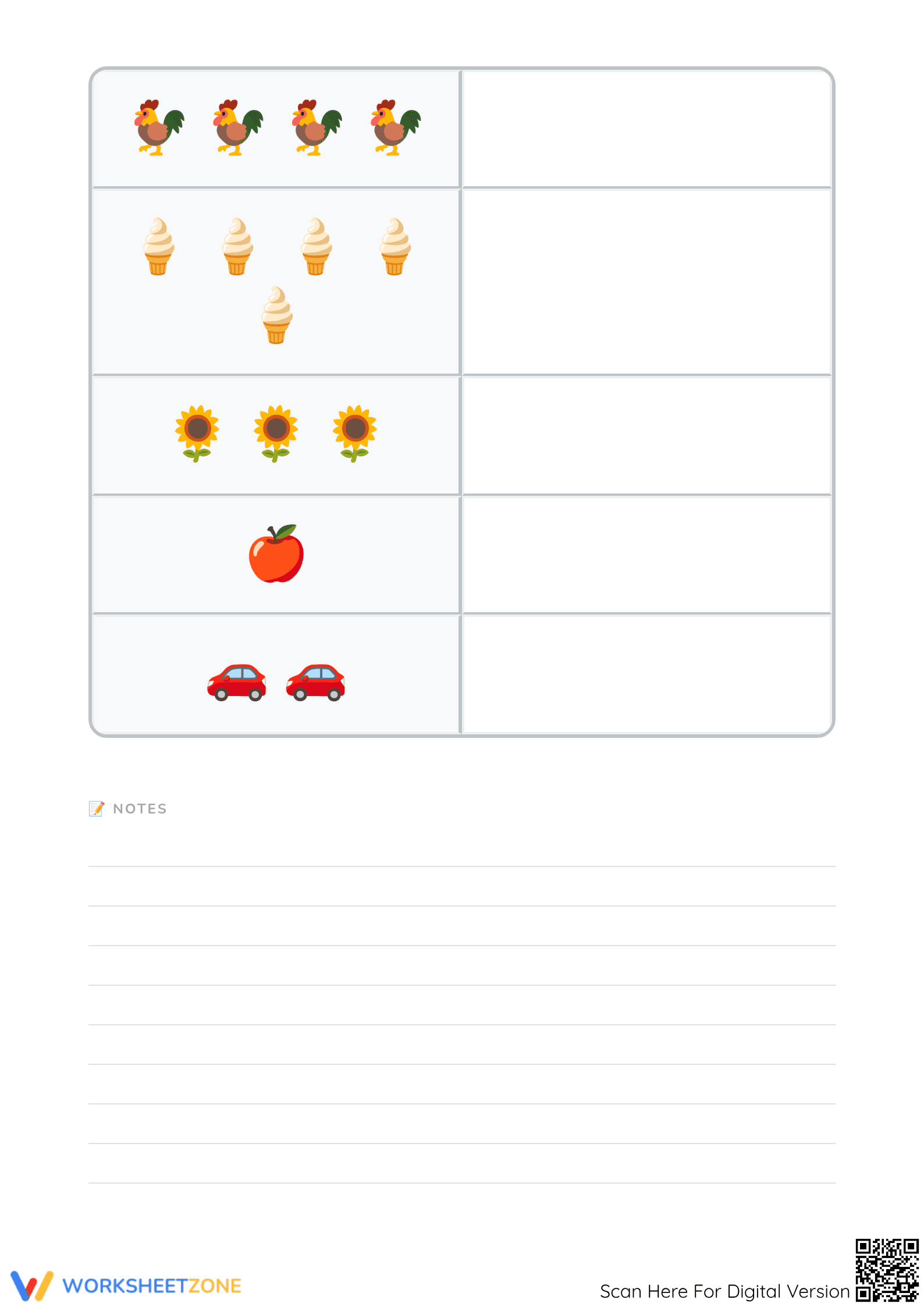
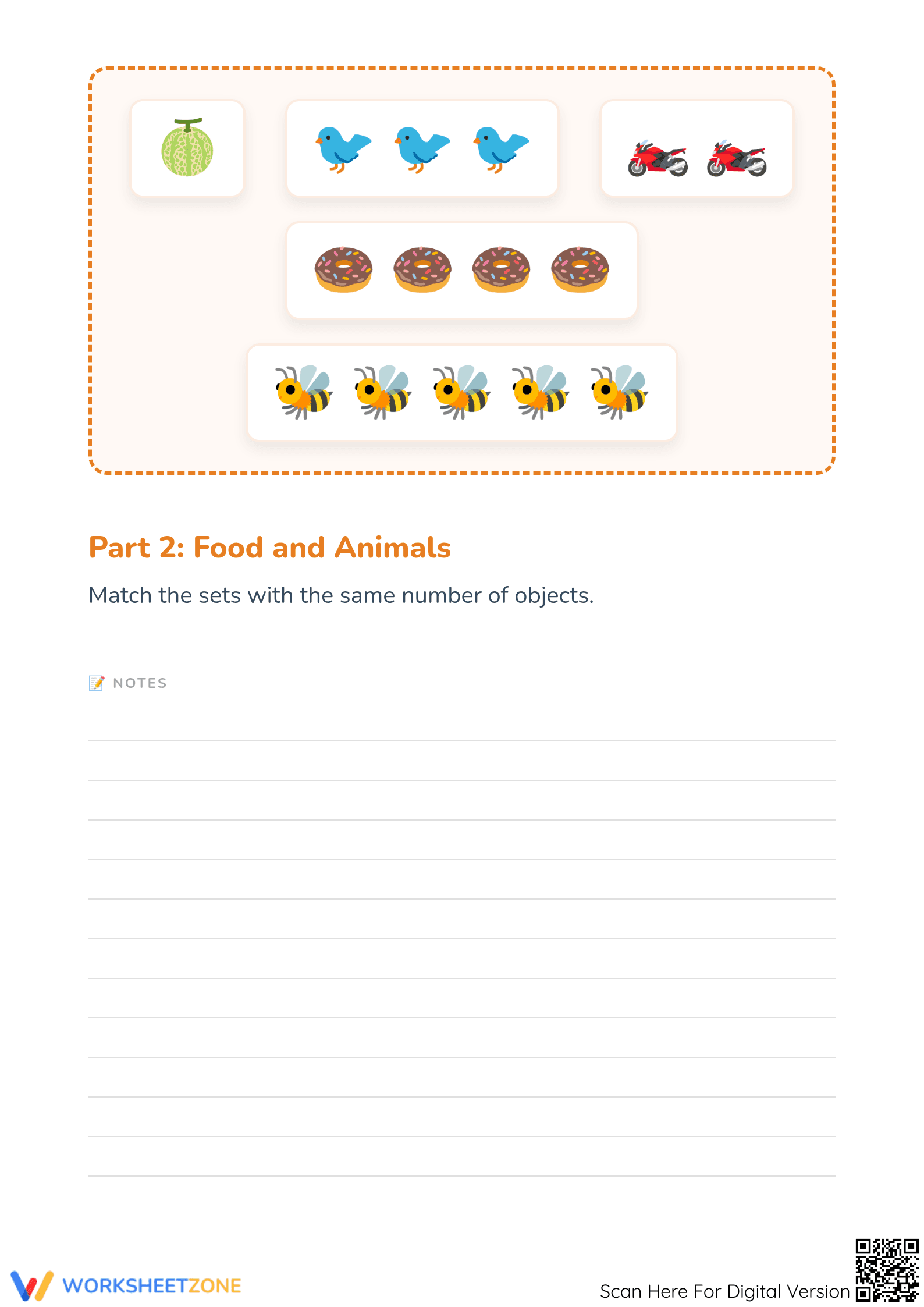
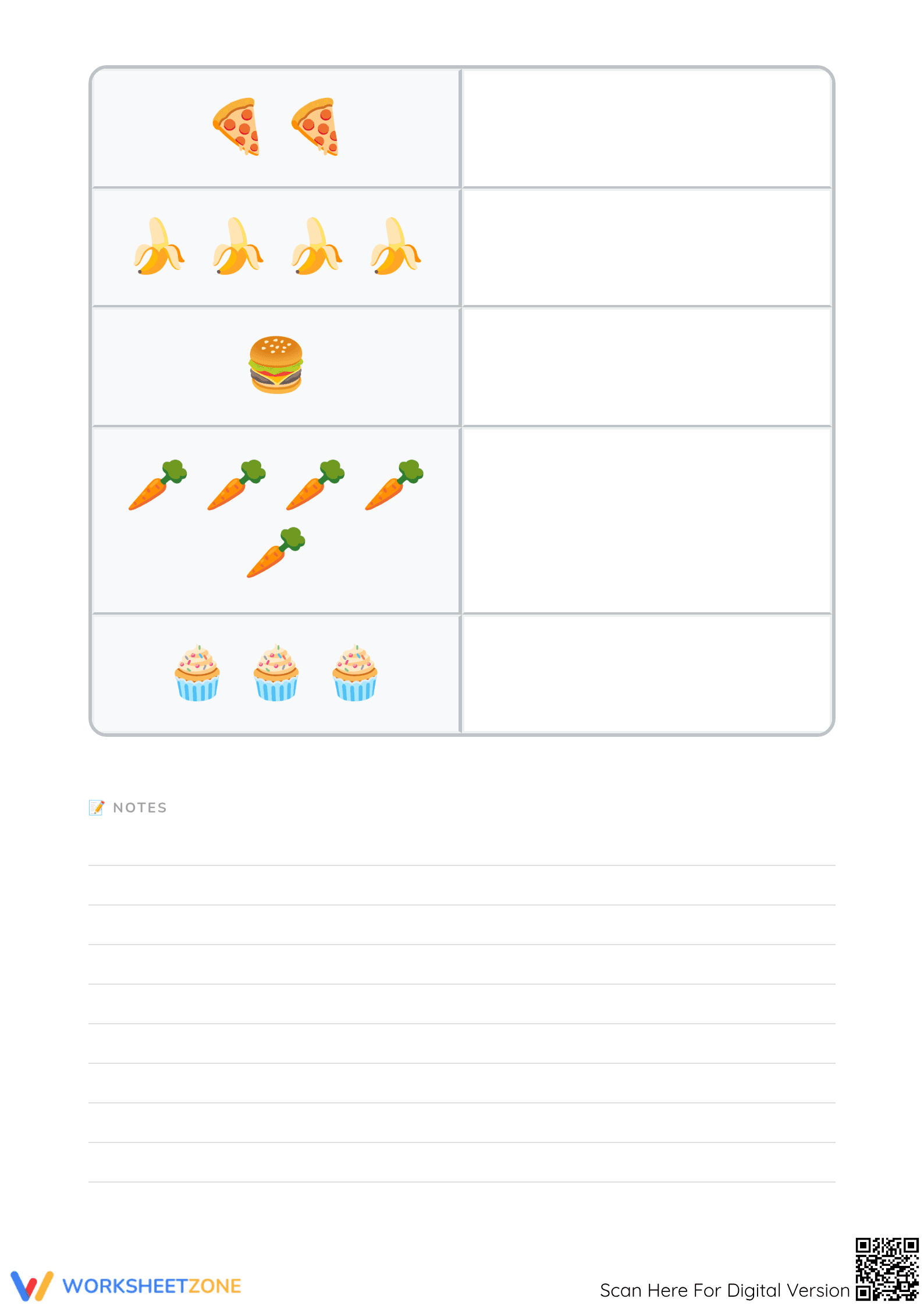
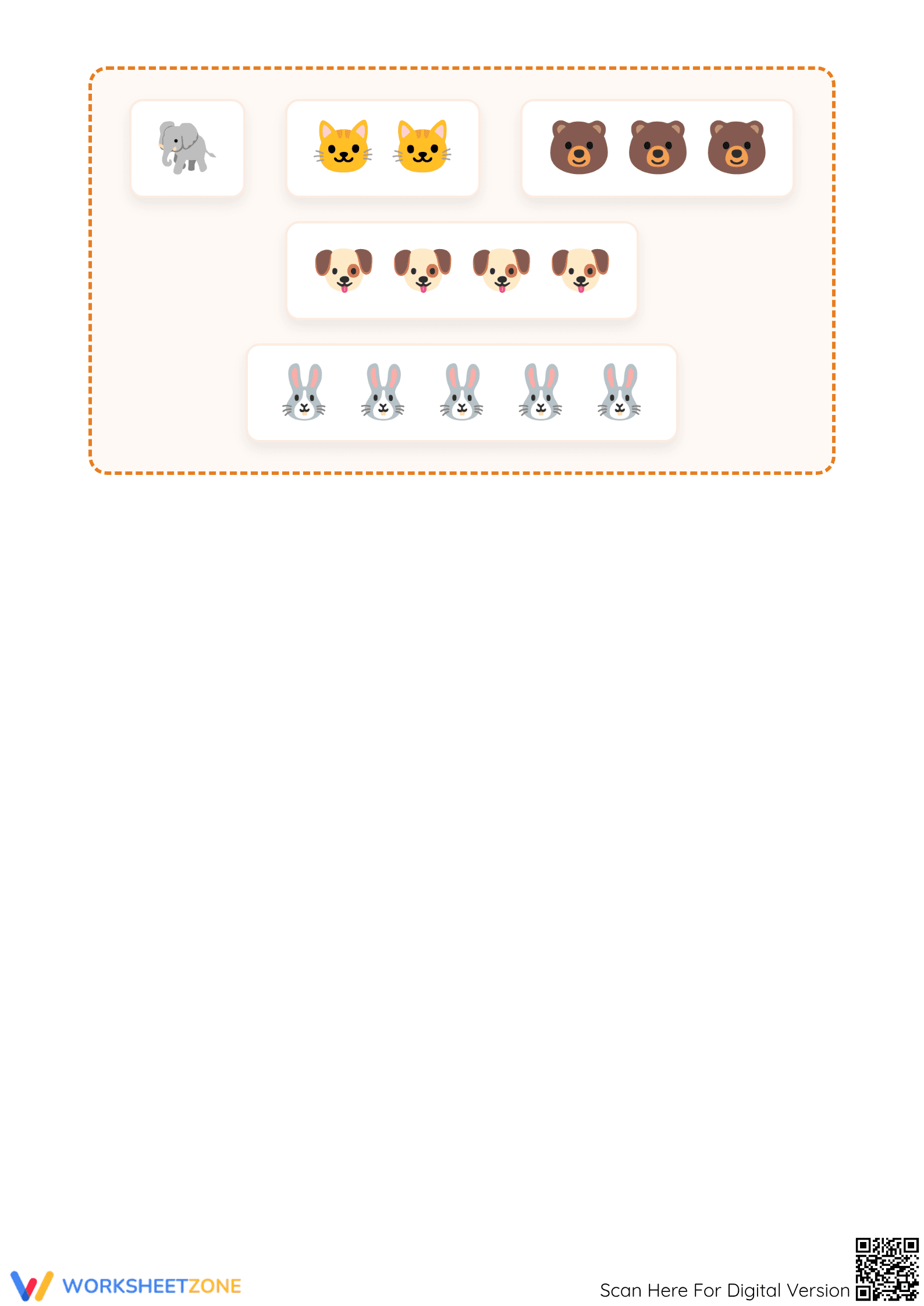

Grade K Same Sets Math — Printable No-Prep Worksheet
Paste this activity's link or code into your existing LMS (Google Classroom, Canvas, Teams, Schoology, Moodle, etc.).
Students can open and work on the activity right away, with no student login required.
You'll still be able to track student progress and results from your teacher account.
This Kindergarten Same Sets math worksheet helps early learners master the fundamental skill of comparing quantities by identifying identical groups of objects. Students analyze different visual sets and match those containing the same number of items. This activity builds a strong foundation for cardinality and early algebraic thinking by reinforcing the concept of numerical equality through engaging visual practice.
At a Glance
- Grade: Kindergarten · Subject: Math
- Standard:
CCSS.MATH.CONTENT.K.CC.C.6— Identify whether the number of objects in one group is equal to another- Skill Focus: Comparing sets for equality
- Format: 5 pages · 25 problems · Answer key included · PDF
- Best For: Independent math centers and morning work
- Time: 15–20 minutes
What's Inside
This comprehensive 5-page resource contains 25 distinct matching tasks designed for early elementary students. Each page features clear, identifiable clip art arranged in structured sets. The layout utilizes a drag-and-drop logic translated to a print format, where students draw lines or identify matching pairs. A complete answer key is provided, allowing for quick grading or student self-correction.
Zero-Prep Workflow
This resource is designed to minimize teacher workload while maximizing student engagement. The 3-step process is simple: Print the five pages (30 seconds), Distribute to your students (1 minute), and Review the completed sets using the provided key (30 seconds). With a total teacher prep time of under 2 minutes, this worksheet is an ideal choice for emergency sub plans or last-minute instructional shifts.
Standards Alignment
The primary focus is CCSS.MATH.CONTENT.K.CC.C.6: "Identify whether the number of objects in one group is greater than, less than, or equal to the number of objects in another group, e.g., by using matching and counting strategies." This worksheet specifically targets the equality component of the standard. This standard code can be copied directly into lesson plans, IEP goals, or district curriculum mapping tools.
How to Use It
Use this worksheet as a formative assessment after introducing the concept of "equal to" using physical manipulatives. It serves as an excellent bridge between concrete objects and abstract numerical symbols. During independent work time, observe students to see if they are counting each object individually or using subitizing skills to recognize small sets instantly. Completion typically takes 15 to 20 minutes.
Who It's For
This resource is tailored for Preschool, Kindergarten, and Grade 1 students who are developing their number sense. It is particularly effective for students requiring extra support with one-to-one correspondence. Pair this worksheet with a short counting video or a hands-on sorting activity to create a cohesive lesson that addresses multiple learning styles through visual reinforcement.
According to the RAND AIRS 2024 analysis of early childhood mathematics, consistent practice with visual set comparison is a critical predictor of later success in complex arithmetic. This worksheet focuses on CCSS.MATH.CONTENT.K.CC.C.6, requiring students to match sets of objects to identify numerical equality. By engaging in these 25 structured tasks, learners reinforce the connection between quantity and number, a process known as one-to-one correspondence. Research from Fisher & Frey (2014) emphasizes that "gradual release of responsibility" starts with clear, scaffolded visual aids that allow students to demonstrate mastery independently. This resource provides that necessary scaffold, ensuring that children can accurately compare quantities without the distraction of overly complex instructions. The inclusion of multiple pages allows for distributed practice, which has been shown to improve long-term retention of mathematical concepts in primary grades. Educators can use this data to track progress toward foundational fluency benchmarks.


