


























Views
Downloads

Alphabet Coloring Book | Printable Grade K ELA
Paste this activity's link or code into your existing LMS (Google Classroom, Canvas, Teams, Schoology, Moodle, etc.).
Students can open and work on the activity right away, with no student login required.
You'll still be able to track student progress and results from your teacher account.
This Grade K alphabet coloring book provides a foundational approach to letter recognition through creative engagement. By combining visual identification with fine motor practice, students develop a stronger connection to the 26 letters of the English alphabet. This resource ensures that early learners can identify and name letters while enjoying a low-stress, artistic activity.
At a Glance
At a Glance
- Grade: Kindergarten · Subject: ELA
- Standard:
CCSS.ELA-LITERACY.RF.K.1.D— Recognize and name all upper- and lowercase letters of the alphabet- Skill Focus: Letter Recognition & Fine Motor
- Format: 27 pages · 26 tasks · No answer key needed · PDF
- Best For: Morning work or literacy centers
- Time: 10–15 minutes per page
What's Inside
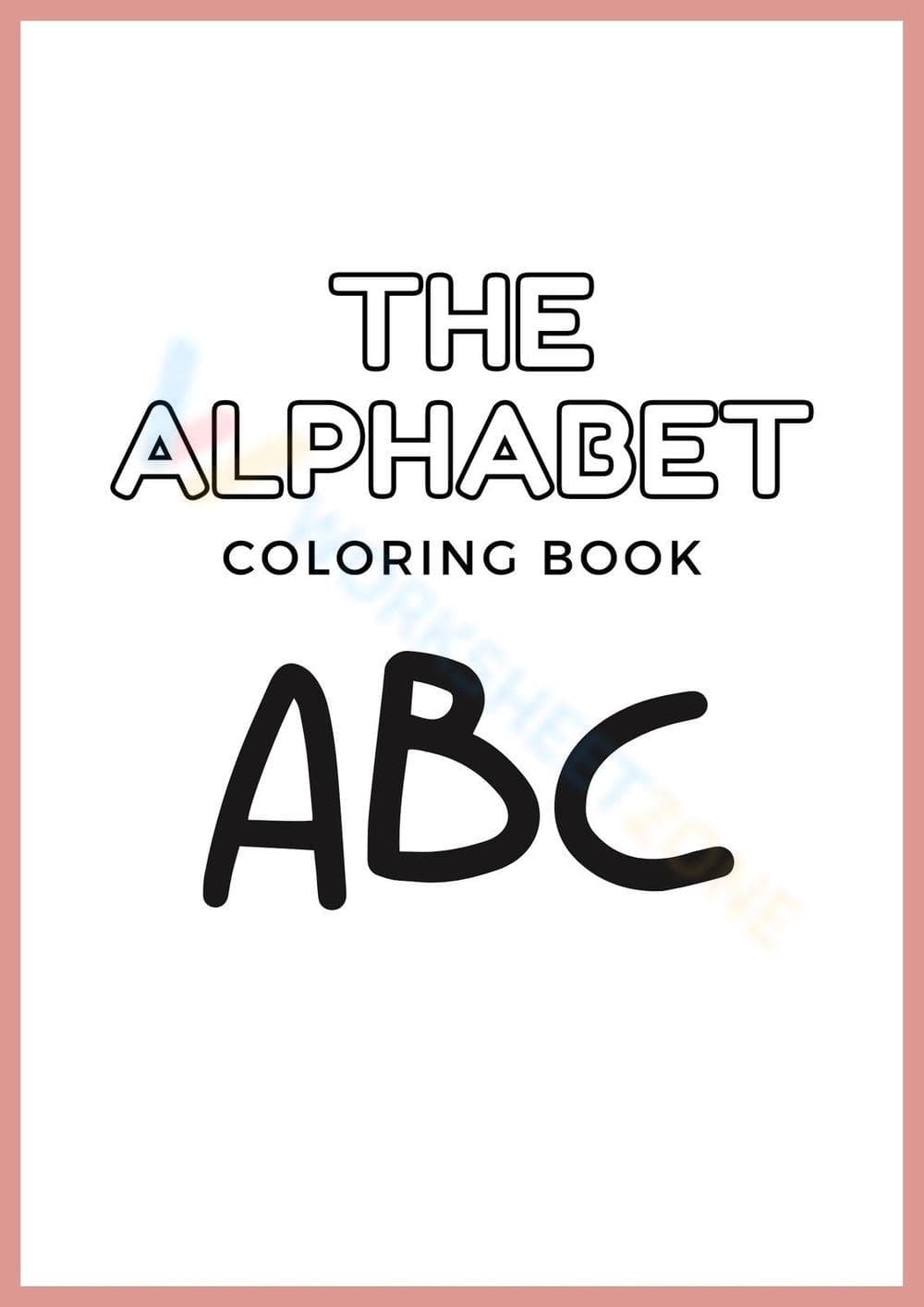
The packet contains 26 individual coloring pages plus a clean, professional cover page. Each page features a large, bold letter of the alphabet designed with thick outlines to support students still developing their grip and spatial awareness. The simple pink-and-white aesthetic keeps the focus entirely on the letter shape, preventing visual overstimulation and allowing for clear identification of forms.
Zero-Prep Workflow
This resource is designed for a zero-prep workflow that fits into any busy classroom schedule. First, print the entire 27-page PDF or select specific letters for the day (30 seconds). Second, distribute the pages to students during transition times or as part of a structured literacy block (1 minute). Third, review the letter names as students color, providing immediate verbal feedback. Prep time is under 2 minutes.
Standards Alignment
This resource is directly aligned with `CCSS.ELA-LITERACY.RF.K.1.D`, which requires students to recognize and name all upper- and lowercase letters of the alphabet. By focusing on the visual architecture of each letter, the worksheet supports the foundational print concepts necessary for early reading success. This standard code can be copied directly into lesson plans, IEP goals, or district curriculum mapping tools.
How to Use It
Use these pages as a consistent morning work routine to settle students as they enter the classroom. Alternatively, place them in a literacy center alongside alphabet manipulatives to reinforce letter-sound correspondence. Observe students as they color to identify those struggling with specific letter orientations for a quick formative assessment. Completion typically takes 10 to 15 minutes per page.
Who It's For
This coloring book is ideal for Pre-K and Kindergarten students, as well as English Language Learners (ELLs) who need additional exposure to the Latin alphabet. It pairs naturally with alphabet anchor charts or a direct instruction lesson on the 'Letter of the Week.' The large format is also beneficial for students with occupational therapy goals related to coloring within lines.
Research by Fisher & Frey (2014) emphasizes the importance of multi-sensory approaches in foundational literacy, noting that combining visual and motor tasks can enhance memory retention for abstract symbols like letters. This alphabet coloring book applies these principles by allowing students to physically interact with letter shapes through coloring. By focusing on CCSS.ELA-LITERACY.RF.K.1.D, the resource ensures that students meet the critical Kindergarten milestone of recognizing and naming all 26 letters. The RAND AIRS 2024 report indicates that consistent exposure to print concepts predicts later reading fluency. This 27-page printable set provides the structured, repetitive practice required for mastery without the cognitive load of complex instructions. It serves as a reliable tool for educators seeking to bridge the gap between play-based learning and formal academic standards in the early childhood classroom.


