


























Views
Downloads
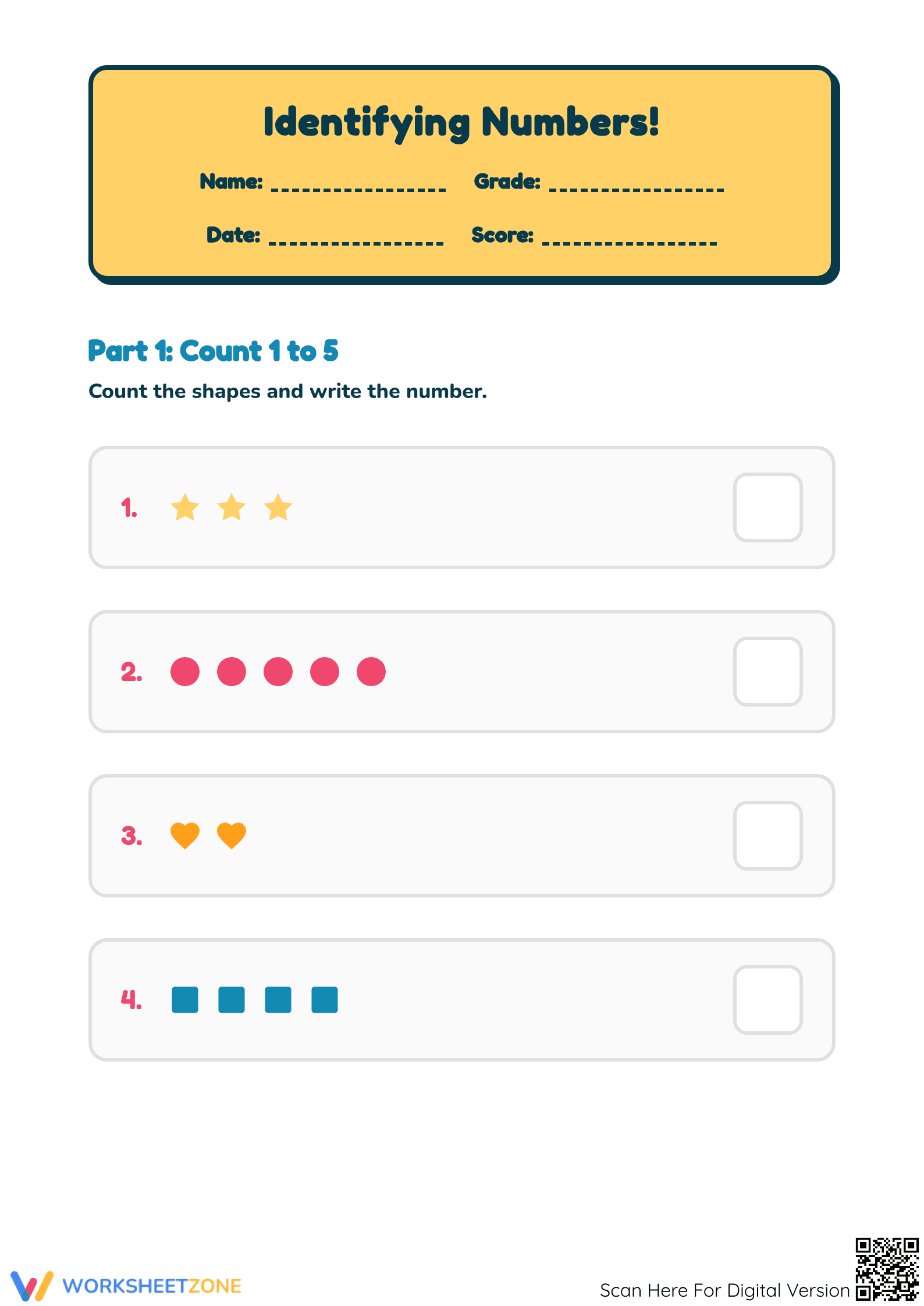
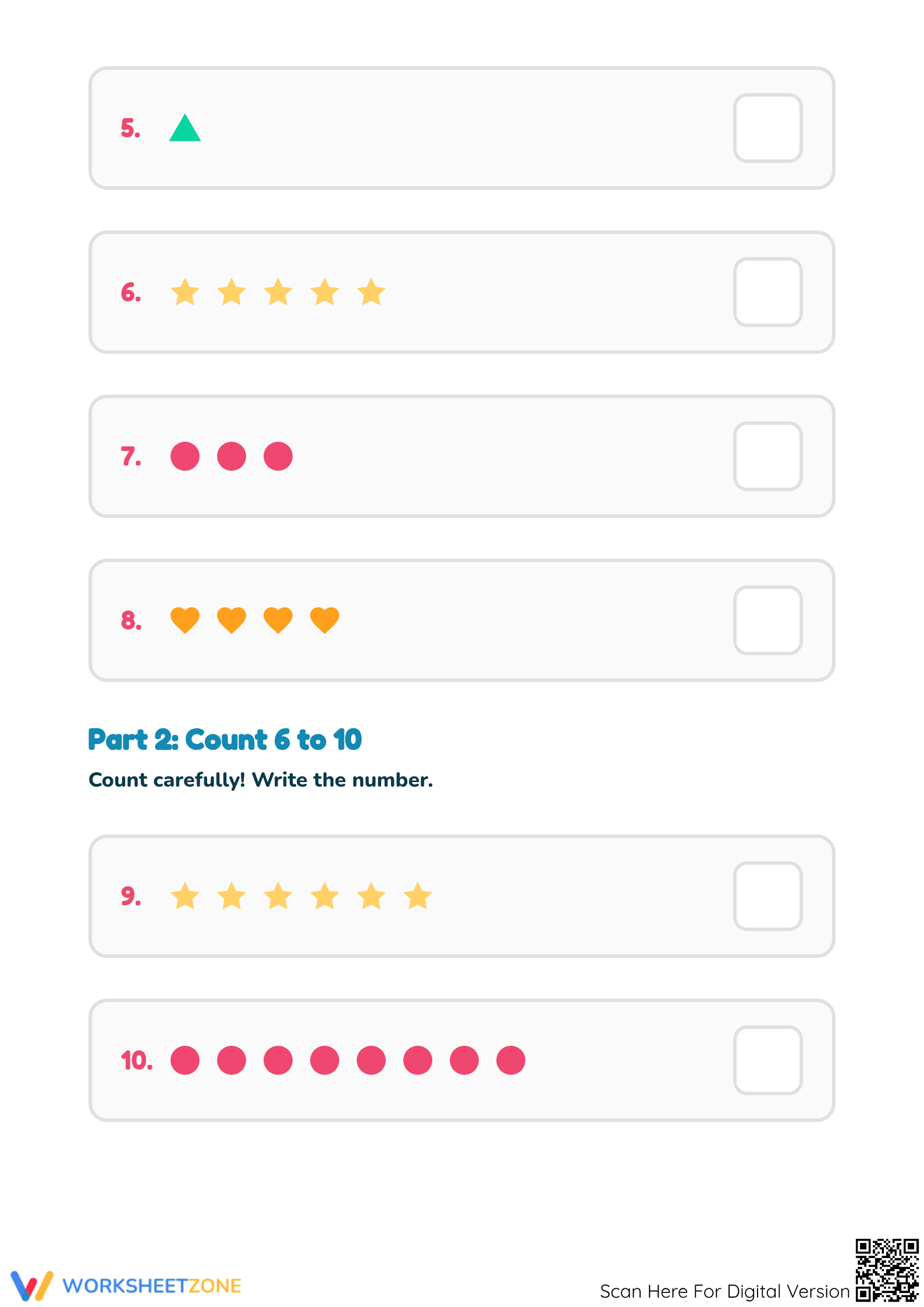
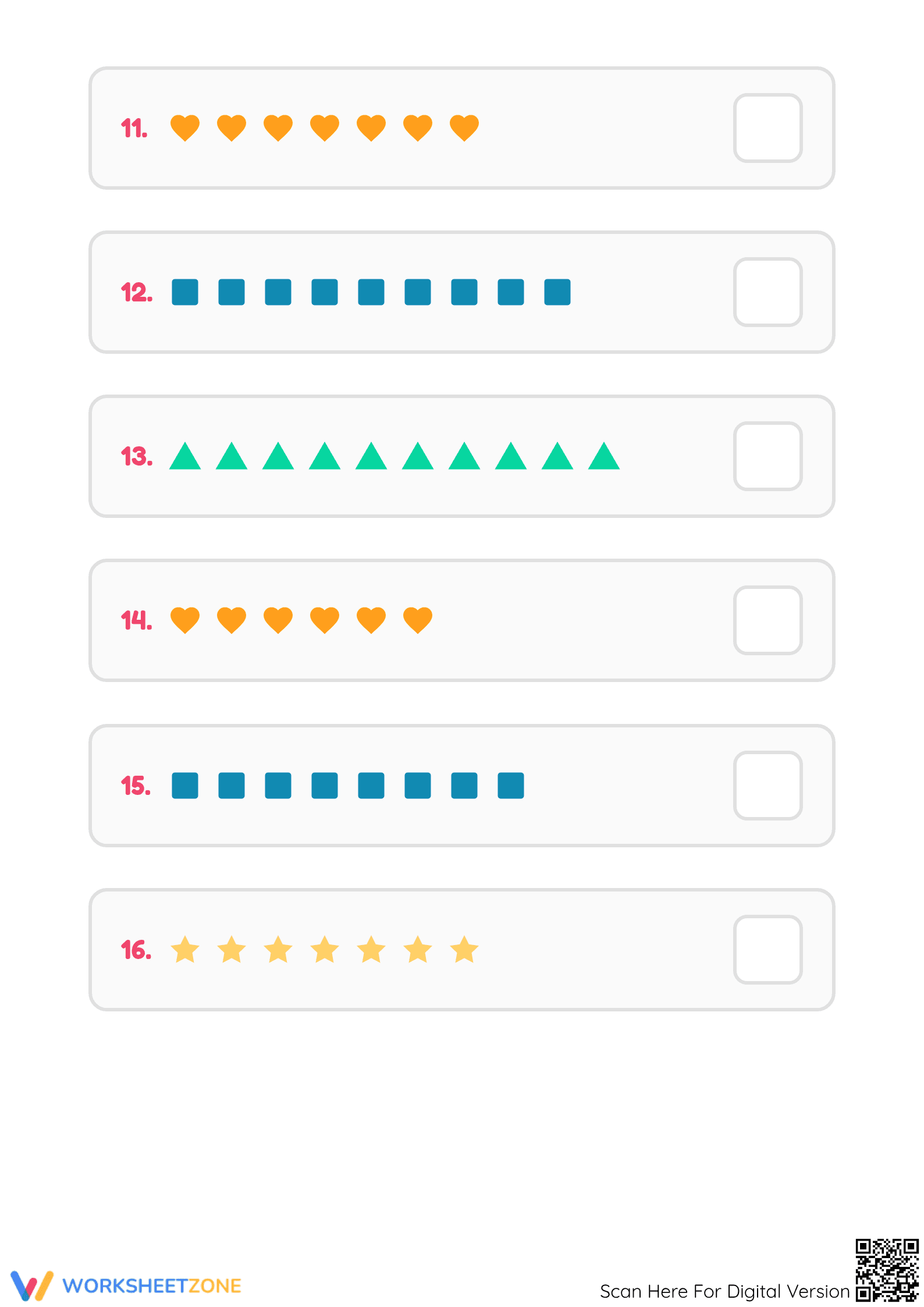
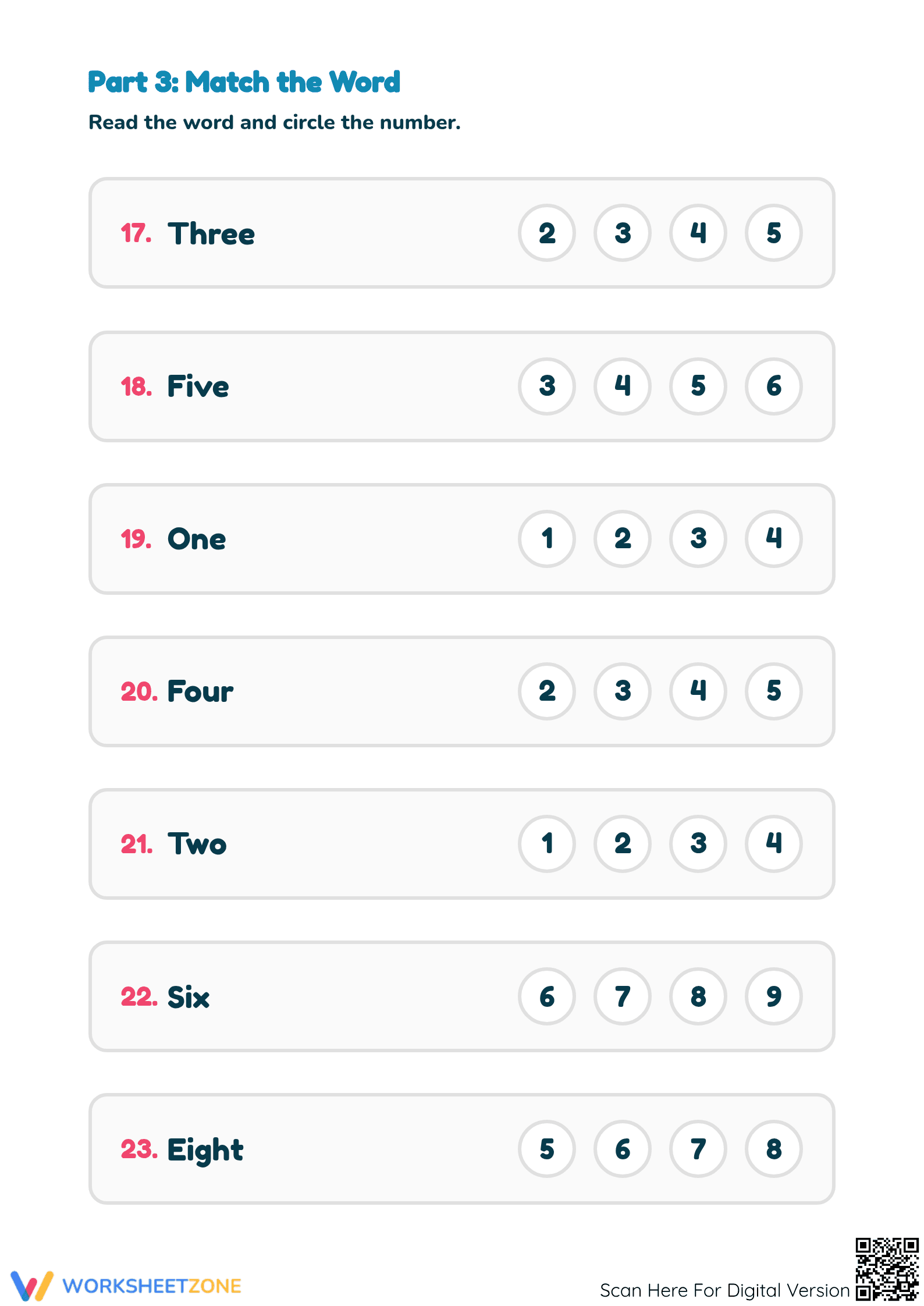


Essential Identifying Numbers Worksheet | Grade K Ready
Paste this activity's link or code into your existing LMS (Google Classroom, Canvas, Teams, Schoology, Moodle, etc.).
Students can open and work on the activity right away, with no student login required.
You'll still be able to track student progress and results from your teacher account.
This essential identifying numbers worksheet provides Kindergarten and Preschool students with a highly visual, focused method to master number recognition for numerals 1 through 5. By isolating each number across five dedicated pages, the activity ensures students build a strong foundational grasp of digit shapes and cardinality. Mastery of these primary numerals is a critical first step in early mathematical development.
At a Glance
- Grade: Kindergarten · Subject: Math
- Standard:
CCSS.MATH.CONTENT.K.CC.A.3— Write and represent numbers to 20 with a written numeral- Skill Focus: Number Identification 1-5
- Format: 5 pages · 50+ problems · Answer key included · PDF
- Best For: Independent math centers or morning work
- Time: 15–20 minutes
The packet contains five distinct pages, each focusing on a single numeral from 1 to 5. Students are presented with a grid containing various numbers and must successfully locate and circle every instance of the target numeral. The clean layout minimizes visual clutter, making it ideal for young learners who are still developing fine motor skills and visual discrimination. A comprehensive answer key is provided for every page to facilitate quick teacher or parent grading.
The zero-prep workflow allows for implementation in under two minutes. First, print the required pages for the numerals currently in focus (30 seconds). Second, distribute the sheets during transition periods for immediate student engagement (30 seconds). Finally, verify accuracy using the provided answer keys (30 seconds). This efficiency makes the packet an excellent choice for emergency sub plans or last-minute enrichment activities.
This resource is directly aligned to CCSS.MATH.CONTENT.K.CC.A.3, which requires students to represent a number of objects with a written numeral. By identifying the correct numeral in a field of distractors, students reinforce the mental link between the symbol and its value. This standard code can be copied directly into lesson plans, IEP goals, or district curriculum mapping tools to ensure compliance with state and national early learning frameworks.
Deploy this as a morning warm-up to settle the class during arrival. It also works as a formative assessment after teaching a specific digit; observe students to identify those struggling with discriminating between similar shapes like 2 and 5. Most learners will finish a single page in 5 to 7 minutes, making it a flexible addition to any schedule that requires quiet, focused seatwork.
This resource is tailored for Preschool and Kindergarten students starting their cardinality journey. It provides excellent support for English Language Learners and students with processing delays through its predictable, repetitive structure. Consider pairing these pages with physical counting blocks or number anchor charts to provide a multi-sensory learning experience during independent work time or small group intervention sessions.
Early numeral recognition is a primary predictor of later math achievement, as highlighted in the RAND AIRS 2024 report on foundational numeracy. Research indicates that students who can quickly identify and name numerals 1-5 demonstrate significantly higher fluency in addition and subtraction tasks in the first grade. This Identifying Numbers packet leverages visual search strategies to strengthen the neural pathways associated with digit discrimination and symbol-to-value mapping. By providing isolated practice for CCSS.MATH.CONTENT.K.CC.A.3, the resource addresses the need for high-repetition, low-anxiety exercises that build student confidence. Consistent exposure to numerals in varied fonts and orientations helps generalize the skill beyond the classroom whiteboard. Implementing these structured counting tasks ensures that learners move beyond rote counting to functional recognition, a shift that is vital for long-term mathematical success and school readiness in early childhood education settings.


