


























Views
Downloads


Printable Pencil Control & Tracing Worksheet | Grade K
Paste this activity's link or code into your existing LMS (Google Classroom, Canvas, Teams, Schoology, Moodle, etc.).
Students can open and work on the activity right away, with no student login required.
You'll still be able to track student progress and results from your teacher account.
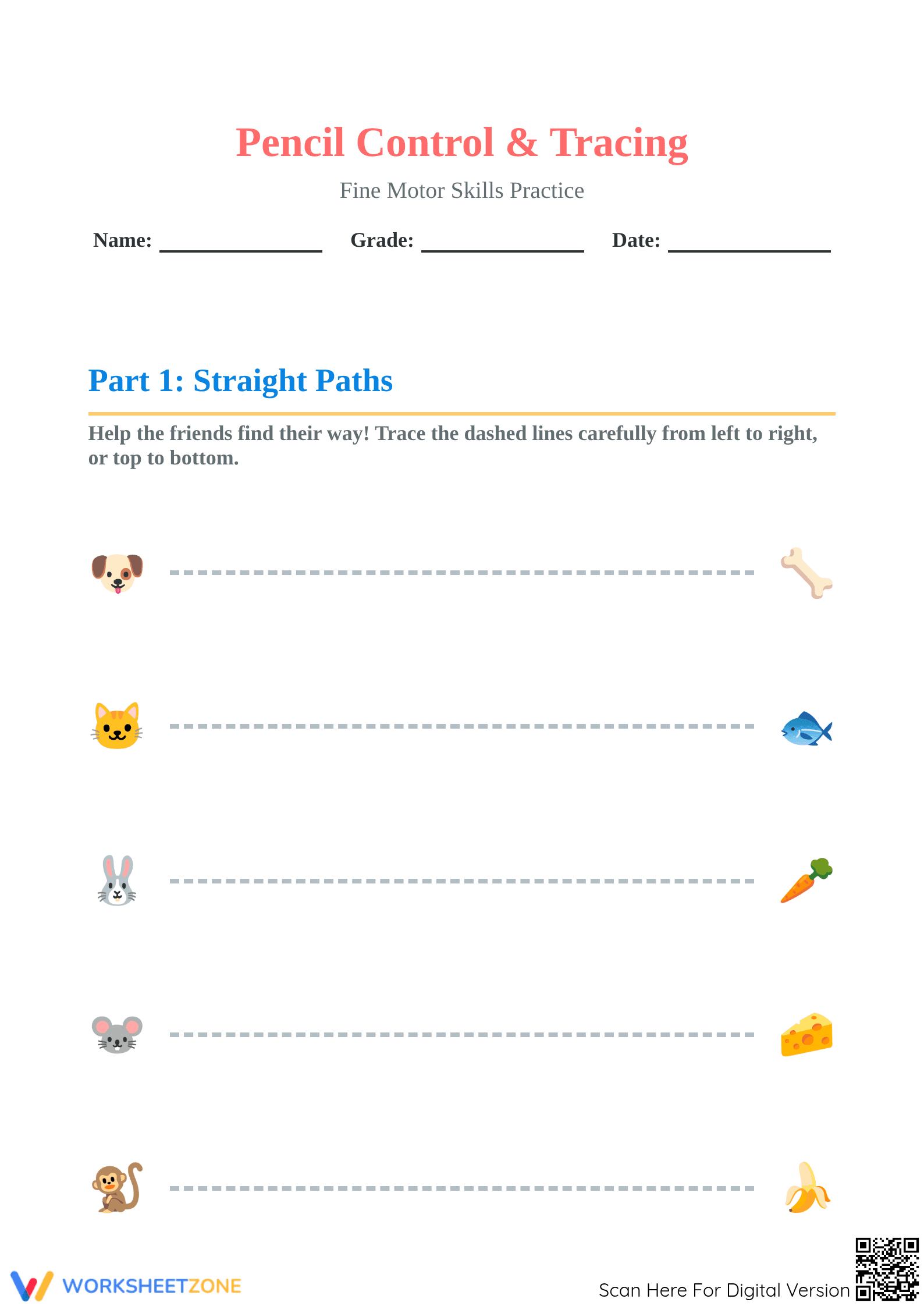
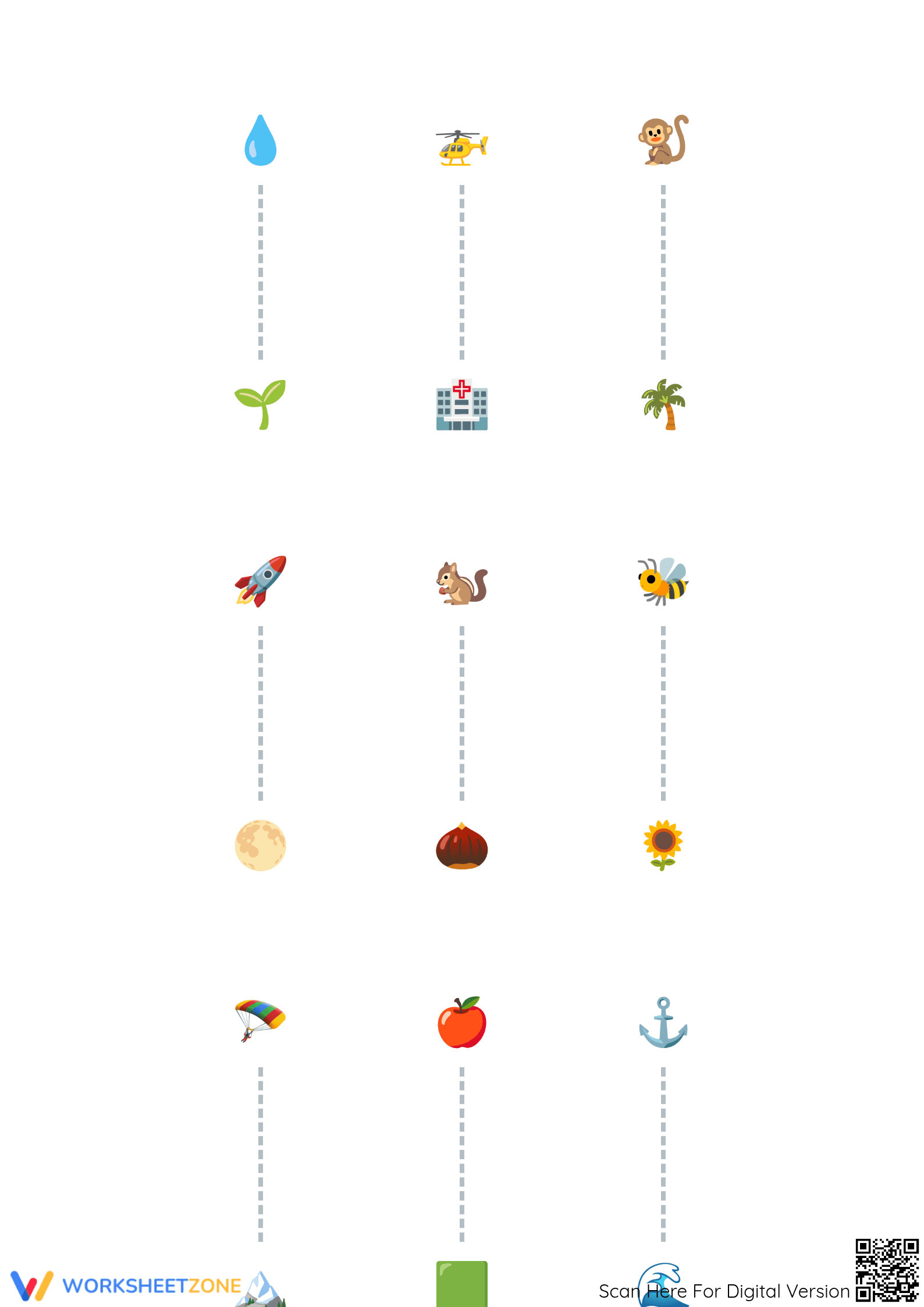
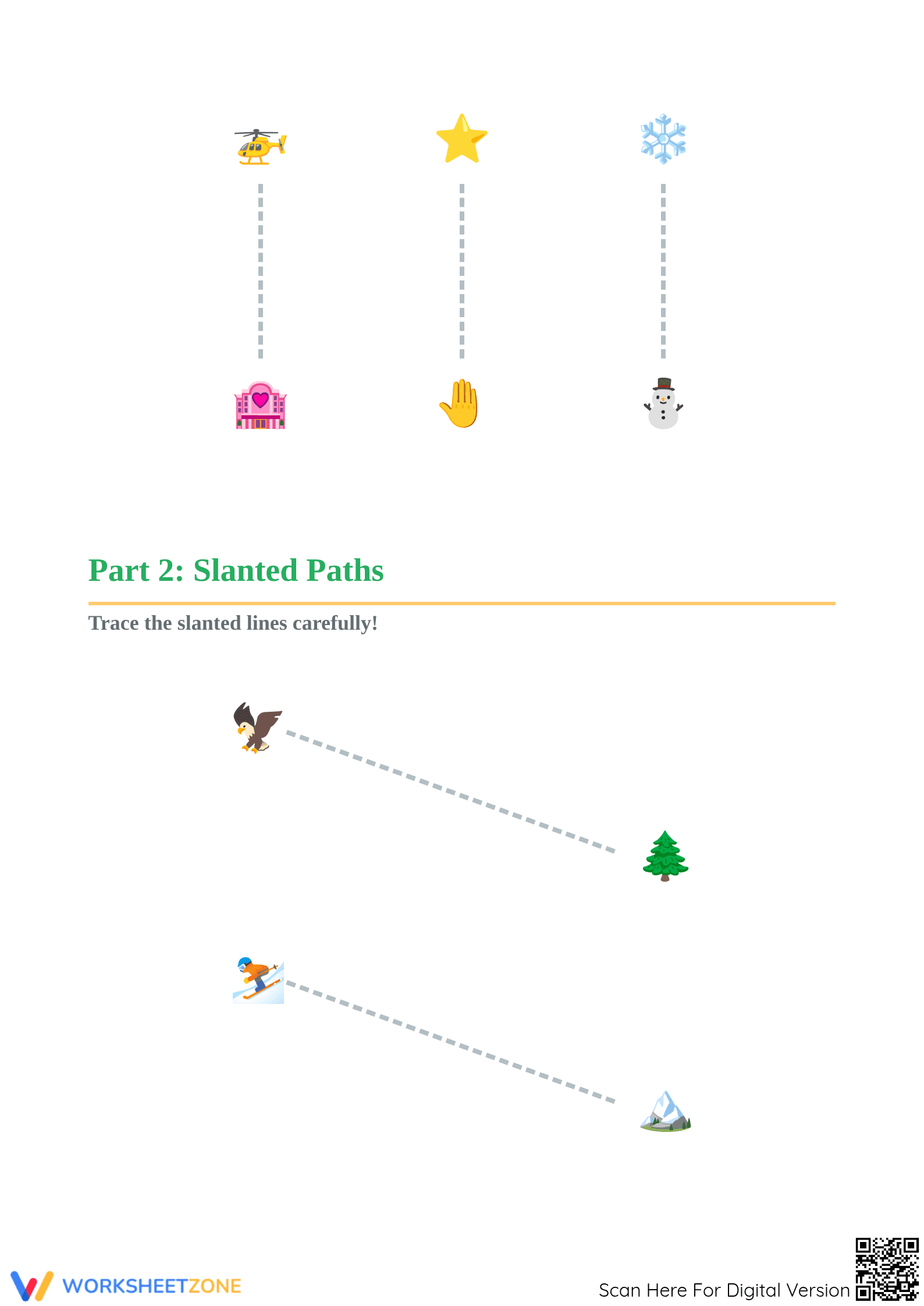
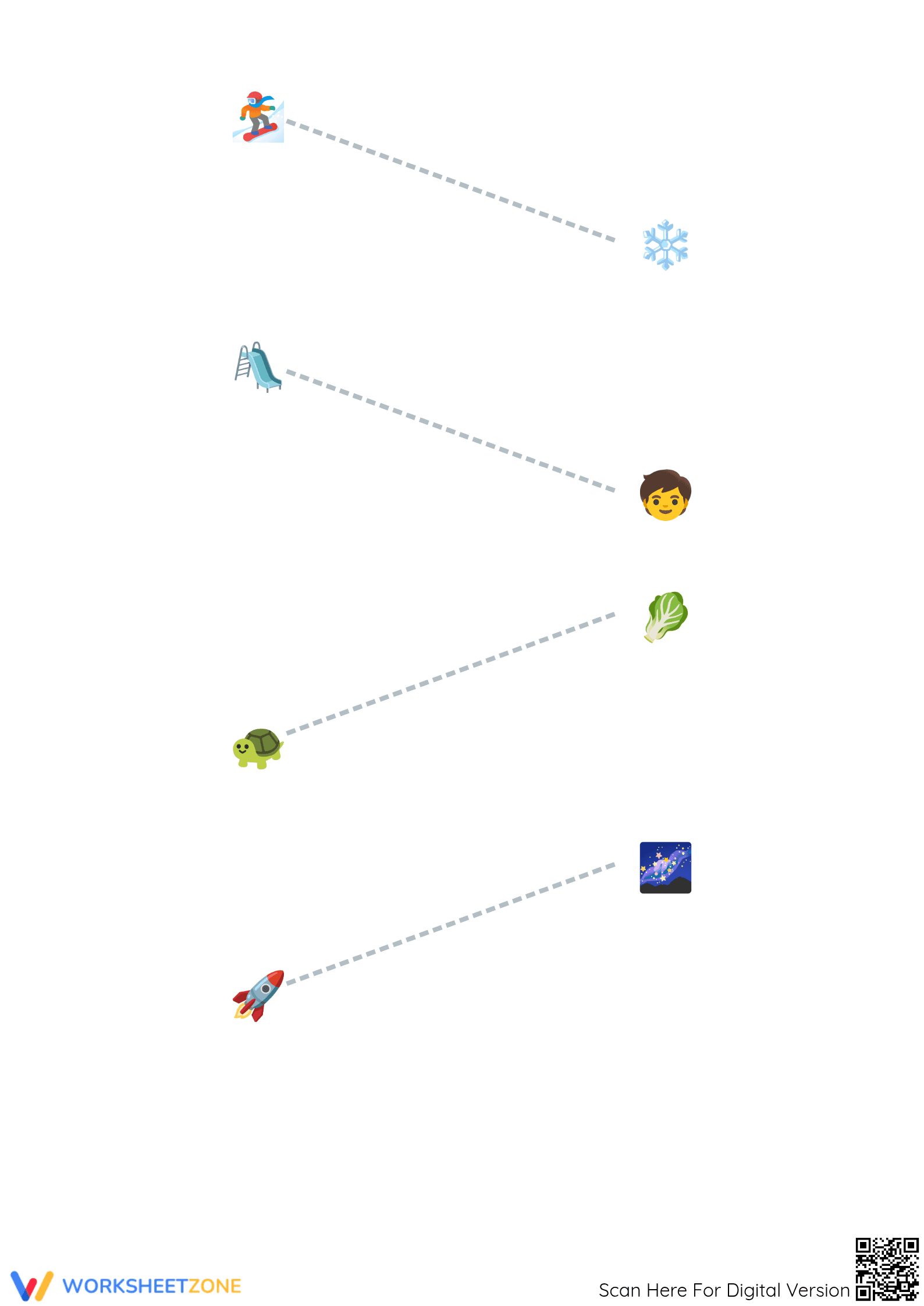
This Grade K pencil control worksheet helps early learners develop the essential grip and coordination needed for handwriting. By tracing 32 distinct paths, students build the muscle memory required for letter formation. This resource provides a structured way to transition from simple scribbling to intentional, controlled line production in a classroom or home setting.
At a Glance
- Grade: K · Subject: ELA
- Standard:
CCSS.ELA-LITERACY.L.K.1.A— Print many upper- and lowercase letters using proper pencil grip- Skill Focus: Fine motor pencil control
- Format: 5 pages · 32 problems · Answer key included · PDF
- Best For: Morning work or writing centers
- Time: 10–15 minutes
This comprehensive 5-page PDF contains a variety of tracing exercises designed to increase in complexity. It features horizontal, vertical, and slanted dashed lines paired with engaging animal and object icons. The layout is clean and distraction-free, ensuring students focus entirely on their pencil path. No complex instructions are needed, making it ideal for independent student work.
The workflow for this resource is designed for maximum efficiency. First, print the 5-page set (30 seconds). Next, distribute the sheets to students with their preferred writing tool (1 minute). Finally, review the completed paths to check for line accuracy and grip (1 minute). Total teacher preparation time is under 2 minutes, making this an excellent choice for emergency sub plans.
This resource aligns with CCSS.ELA-LITERACY.L.K.1.A, which requires students to demonstrate command of the conventions of standard English capitalization, punctuation, and spelling when writing, specifically focusing on letter formation. While these are pre-writing paths, they provide the foundational motor skills necessary for meeting this standard. Both standard codes can be copied directly into lesson plans, IEP goals, or district curriculum mapping tools.
Use this worksheet during the warm-up phase of a writing lesson to wake up small hand muscles. It serves as an excellent formative assessment tool; observe students as they work to identify those struggling with pincer grasp or crossing the midline. Completion typically takes 10 to 15 minutes depending on the student's current motor proficiency.
This packet is designed for Kindergarten students, though it is highly effective for Pre-K learners and students in occupational therapy. It pairs naturally with alphabet anchor charts or direct instruction on proper sitting posture. The visual cues help English Language Learners understand the task without needing translated text.
The development of fine motor skills through tracing is a critical precursor to academic success in early childhood. According to Fisher & Frey (2014), the gradual release of responsibility begins with foundational motor control, allowing students to eventually focus on cognitive writing tasks rather than the mechanics of the pen. This worksheet targets CCSS.ELA-LITERACY.L.K.1.A by providing 32 specific opportunities for students to practice the precise movements required for future letter formation. Research from the NAEP suggests that early intervention in handwriting mechanics correlates with improved literacy outcomes in later primary grades. By utilizing these structured tracing paths, educators provide the scaffolded practice necessary for students to achieve mastery over their writing instruments. This resource is a practical application of evidence-based motor learning principles, ensuring that every student has the physical foundation required for the Kindergarten writing curriculum.


