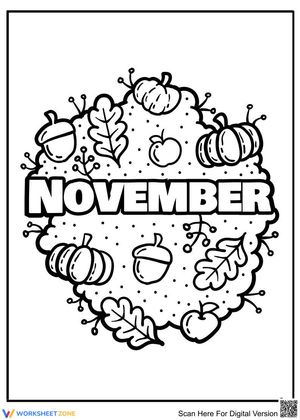
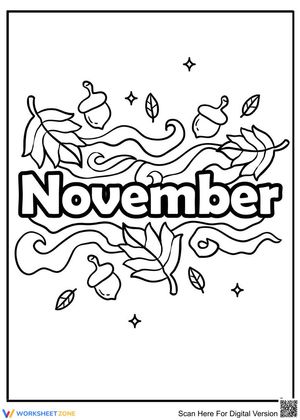
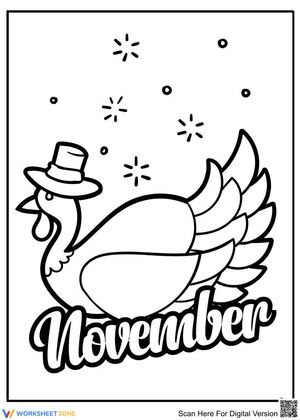
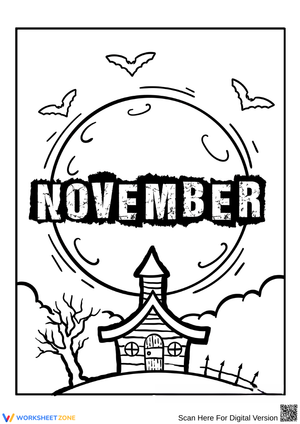
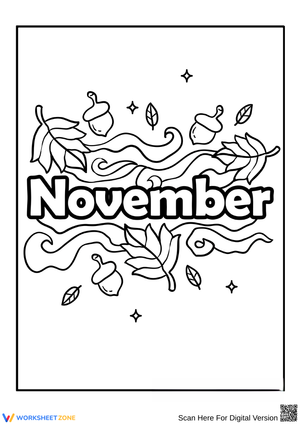
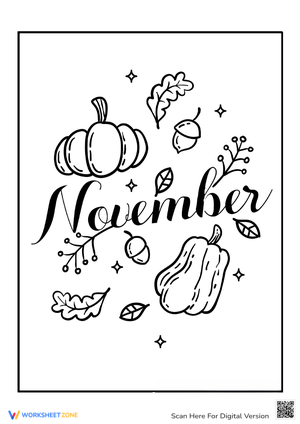
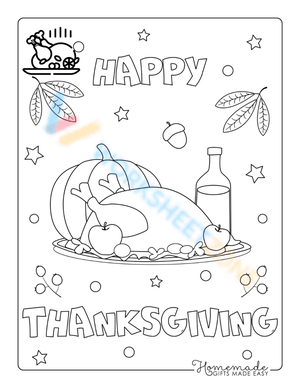
There is a quiet kind of magic that arrives when a child picks up a crayon, looks at a blank outline, and decides which colors will bring autumn to life. Our November coloring pages invite kids into a world of falling leaves, scampering squirrels, harvest pumpkins, and crisp morning skies. Each printable becomes a small canvas where imagination meets the changing season, giving young artists space to slow down and notice the textures of late autumn.
Coloring is more than a pastime; it is gentle training for steady hands and growing minds. As children trace the curves of an oak leaf or shade a turkey feather, they strengthen the small muscles that later guide pencil grips and scissor cuts. Parents looking to extend the season at home can pair these printables with hands-on play from our collection of autumn ideas for preschoolers, weaving art into real outdoor discoveries.
Look closely at each design and you will find rewards hidden in the details. A scarecrow's stitched patches, the swirl of acorn caps, the lacy edges of a maple leaf, or the patterned bark of a bare November tree all encourage students to notice patterns. This careful observation strengthens visual processing and helps young learners build the focus they will use across reading, math, and science worksheets all year long.
Older students often discover something unexpected at the coloring table: stillness. Slowing down to fill a wreath of autumn leaves with deliberate strokes becomes a quiet mindfulness practice that eases stress after a long school day. Teachers can also use these printables as calming transition activities, while families can layer them with the broader art resources available in the Worksheetzone seasonal painting and drawing worksheets library for richer creative sessions.
So gather the colored pencils, sharpen the crayons, and spread out a few November coloring pages on the kitchen table or classroom desk. Whether your young artist chooses bold reds and oranges or soft, muted browns, every page becomes a small celebration of the season. Print a stack today and let November bloom across your walls, fridge doors, and bulletin boards in a gallery of homemade autumn art.
Frequently Asked Questions
Question 1: What ages are November coloring pages best suited for?
These November coloring pages work beautifully for children from about three through ten years old, with simpler outlines for preschoolers and more intricate scenes for elementary students. Younger kids enjoy bold pumpkins and friendly turkeys, while older learners can tackle detailed harvest landscapes, layered leaves, and patterned borders that invite shading, blending, and careful color choices for richer artistic results.
Question 2: How can teachers use November coloring pages in the classroom?
Teachers can use these printables as morning warm-ups, calming transitions, early-finisher tasks, or anchors for seasonal lessons in science, writing, and social studies. A leaf coloring page sparks discussion about why trees change, while a harvest scene leads into vocabulary, descriptive writing, and gratitude journaling. They also work wonderfully on bulletin boards, hallway displays, and family take-home folders.
Question 3: What supplies pair best with November coloring pages?
Crayons, colored pencils, fine-tip markers, and washable gel pens all work wonderfully with these printables. Younger children often prefer chunky crayons that fit small hands, while older students enjoy blending colored pencils to create realistic autumn shadows. For extra texture, families can add cotton balls for clouds, dried leaves for collage edges, or simple watercolor washes for soft seasonal backgrounds.
Question 4: Do November coloring pages support learning beyond art class?
Yes, these November coloring pages quietly support reading readiness, math foundations, and social-emotional growth. Tracing outlines builds the same fine motor control needed for handwriting, while counting leaves, pumpkins, or acorns reinforces early numeracy. Choosing colors and discussing the season also encourages vocabulary, observation skills, and reflective conversations about gratitude, family traditions, and the natural changes happening outside every November.












 Interactive Worksheet Maker
 Quiz Maker
 Word Search Maker
 Crossword Puzzle Maker
 Word Scramble Generator
 Sentence Scramble Generator
 Handwriting Worksheet Generator
 Name Tracing Generator
 Fill In The Blank Generator