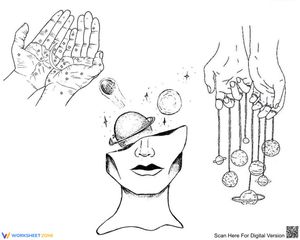
Aesthetic Coloring Pages That Bring Calm Style To Art
I still remember the afternoon I handed out a set of aesthetic coloring pages to a group of middle schoolers who had declared art class boring. Within minutes, the restless energy in the room shifted entirely. Students who had been slumping in their seats were suddenly leaning forward, carefully choosing their color combinations and studying the fine lines of each minimalist design. That single moment reminded me why bringing the right printable worksheet into the classroom can transform a lesson from forgettable to genuinely memorable.
Aesthetic coloring pages work so well because they meet students where they already are. Teens and older kids live in a world shaped by visual trends - the clean lines of minimalist art, botanical illustrations, and dreamy pastel palettes are everywhere on the screens they use daily. When teachers and parents bring those same visual languages into a printable format, it creates an immediate sense of recognition and ownership. Students are no longer coloring someone else's idea of what looks good - they are exploring a design language they already speak. This connection between everyday visual culture and structured classroom activity is what makes these worksheets such a valuable lesson plan tool.
There are several ways to use aesthetic coloring pages that go beyond simple free-time activities. Ask students to think about why certain color combinations feel calming while others feel energizing, turning a coloring session into a discussion about design principles and emotional response. You can pair these pages with a writing prompt where students describe the mood their chosen palette creates. Teachers have found that this approach works well in both art classes and language arts settings, helping reluctant writers find a visual entry point into expression. For those who want to connect visual art with written presentation skills, our guide on aesthetic handwriting offers a natural complement to the coloring work students are already doing.
Parents can use aesthetic coloring pages just as effectively at home. Setting aside twenty minutes on a weekend afternoon for a shared coloring session invites conversation in a low-pressure way. A parent sitting alongside a child, both working on their own pages, creates a side-by-side experience that often leads to the most genuine exchanges about school, friendships, and creative interests. The printable format means you can pick exactly the style your child gravitates toward, whether that is a moody celestial design or a soft floral pattern. For a broader range of themed options to pair with these sessions, explore our collection of cute and themed coloring sheets that works well alongside aesthetic designs for younger learners.
Worksheetzone offers a carefully curated library of aesthetic coloring pages designed with the tastes and developmental needs of today's students in mind. Every design is crafted to be printer-friendly and classroom-ready, so teachers and parents spend less time searching and more time engaging. Whether you are building a unit around visual literacy, introducing students to the idea of personal style, or simply looking for a productive and calming classroom activity, these printable pages deliver real educational value. Bring aesthetic coloring pages into your next lesson and watch your students discover that art is not just something they observe - it is something they create.
Frequently Asked Questions
Question 1: What age group is best suited for aesthetic coloring pages?
Aesthetic coloring pages are ideal for students aged 8 and older, including middle school and high school teens. The intricate patterns and minimalist designs appeal to older learners who want more sophisticated art activities. Simpler aesthetic designs with larger spaces also work well for younger students in grades 2 through 4 who are building their fine motor skills and developing a personal color sense.
Question 2: How can teachers use aesthetic coloring pages in lesson plans?
Teachers can integrate aesthetic coloring pages into art, language arts, and social-emotional learning lessons. Use them as a warm-up activity, a discussion starter about design and color theory, or a paired writing prompt. They work well in both independent and collaborative settings, making them a flexible tool for a variety of classroom contexts and curriculum goals throughout the school year.
Question 3: Are aesthetic coloring pages suitable for home use by parents?
Yes, parents can use aesthetic coloring pages at home as a screen-free creative activity. They encourage focus, patience, and self-expression in children and teens. A shared coloring session also opens space for natural conversation between parents and kids. The printable PDF format makes it simple to access specific designs that match a child's current interests and developing artistic skill level.
Question 4: What design styles are included in aesthetic coloring pages?
Aesthetic coloring pages typically feature minimalist line art, botanical illustrations, celestial patterns, retro-inspired imagery, and soft pastel-themed compositions. These styles reflect current visual trends that students recognize from digital culture. Worksheetzone offers a range of these design categories so teachers and parents can select pages that match the tastes and maturity levels of their students.
Clear All