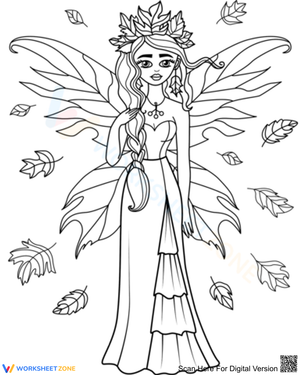
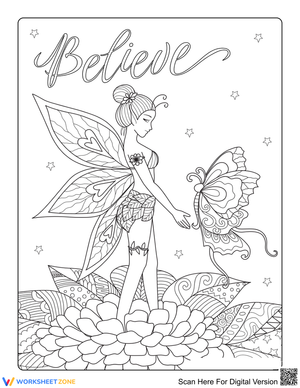
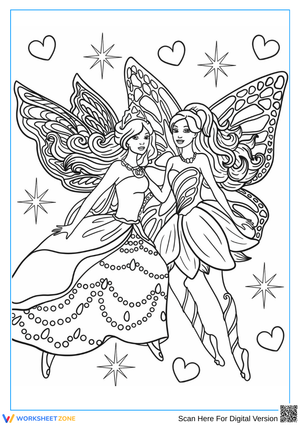
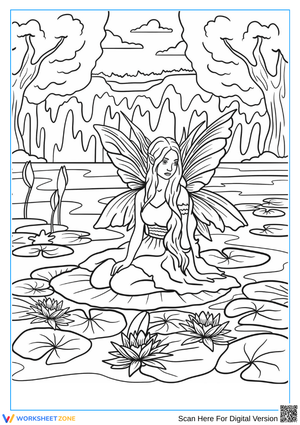
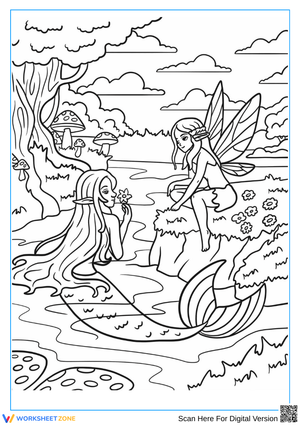
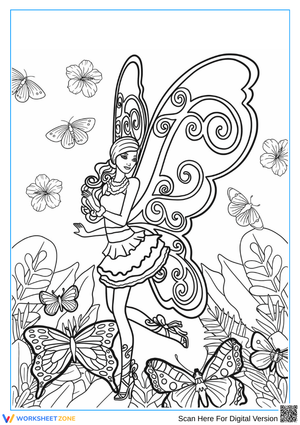
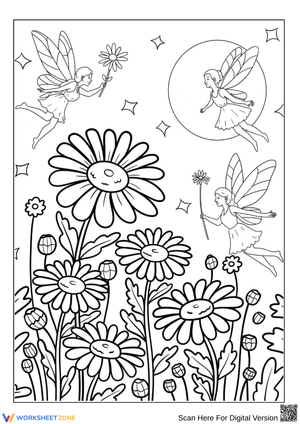
There is a quiet kind of magic that unfolds the moment a child opens a fresh page and reaches for a favorite crayon. Our fairy coloring pages invite young artists into a world of dewdrop wings, mossy forest paths, and twinkling lanterns waiting for color. Each illustration becomes a doorway into a private daydream, where children at home or in the classroom can shape their own version of an enchanted garden, one careful stroke at a time.
Beyond the wonder, these printable sheets offer a gentle workout for small hands. As students trace the curve of a wing or fill in a tiny petal, they strengthen the precise grip and steady control that fine motor development relies on. Teachers and parents often notice how a calm coloring session sharpens hand-eye coordination, builds patience, and prepares early learners for the writing tasks waiting just around the corner. For younger preschoolers, our companion guide to early hand strength activities pairs beautifully with these artistic prompts.
Look closely and the artwork rewards every patient eye. Hidden inside the petals are curling vines, tiny mushrooms, glowing fireflies, and shimmering stars tucked between fairy curls. Students who slow down to discover these intricate patterns practice visual discrimination and focused attention, the same quiet skills that support strong reading and observation in every lesson plan. Each printable works wonderfully as a classroom calm-down corner activity, a rainy day art project at home, or a thoughtful gift between siblings sharing a box of pencils.
Older students gain something different from the same delicate lines. The repetitive, mindful motion of shading wings or blending forest greens offers a soothing pause from busy schedules and screen time. Many teachers use detailed coloring as a stress-relief warm up before tests, while parents reach for these sheets during transitions, long car rides, or quiet weekend afternoons. The activity invites teens and tweens to express mood through color choice, building emotional vocabulary alongside artistic confidence. Pair them with our unicorn coloring collection for a complete fantasy art experience that keeps creative momentum flowing.
So reach for the brightest crayons, the softest pastels, and a sun-warmed corner of the table. Let your young artists choose a fairy, name her, give her a story, and bring her woodland kingdom to life one shade at a time. With every finished page, students and teachers gather a small gallery of imagination, ready to be displayed, shared, or tucked into a treasured art folder filled with handmade fairy coloring pages.
Frequently Asked Questions
Question 1: What ages enjoy fairy coloring pages the most?
Children from preschool through middle school respond beautifully to these designs. Younger learners gravitate toward bold outlines and simple wings, while older students enjoy the intricate patterns, hidden details, and shading challenges. Teachers and parents can choose a difficulty level that matches each child, making the activity flexible for mixed-age classrooms, sibling groups, and quiet weekend art sessions across many learning stages.
Question 2: How do these coloring pages support classroom learning?
Each page offers more than artistic enjoyment. Coloring strengthens fine motor control, builds focus, and supports the pencil grip needed for handwriting practice. Teachers weave these sheets into morning calm-down routines, early finisher folders, or thematic lesson plans about myths and fantasy literature. Students develop patience, color theory awareness, and self-expression while remaining gently engaged throughout independent work blocks at school.
Question 3: Which art supplies pair best with fairy coloring pages?
Crayons, colored pencils, fine-tip markers, and gel pens all bring different effects to these designs. Younger children often prefer chunky crayons for safe, easy grip, while older students enjoy blending colored pencils to create soft, glowing wings. Watercolor pencils add a magical wash effect, especially for forest backgrounds. Encourage learners to experiment with metallic accents, glitter pens, or shading techniques for a truly enchanted finished piece.
Question 4: How can parents turn coloring into a meaningful activity?
Parents can transform a simple coloring session into rich quality time. Sit beside your child, share crayons, and ask gentle questions about the fairy story unfolding on the page. Discuss color choices, invent names for woodland friends, or write a short caption describing each scene. This shared dialogue builds vocabulary, strengthens emotional bonds, and turns Worksheetzone art moments into lasting family memories worth saving.












 Interactive Worksheet Maker
 Quiz Maker
 Word Search Maker
 Crossword Puzzle Maker
 Word Scramble Generator
 Sentence Scramble Generator
 Handwriting Worksheet Generator
 Name Tracing Generator
 Fill In The Blank Generator