




















Getting kids to open up and feel comfortable in a new environment can be challenging. That’s where ice breakers for kids come in! These fun and engaging activities help children connect, break down barriers, and create a positive atmosphere whether in the classroom, at a party, or during group activities. In this article, we’ll explore the best ice breakers for kids to ensure laughter, teamwork, and new friendships. Let’s get started!
What is an ice breakers for kids?

An ice breaker for kids is a fun and interactive activity designed to help children feel more comfortable in a new or unfamiliar setting. These activities encourage kids to engage with one another, spark conversations, and build friendships in a relaxed and enjoyable way.
Whether in a classroom, summer camp, birthday party, or team setting, ice breakers for kids help reduce shyness, ease nervousness, and create a positive group dynamic. They can involve games, simple questions, or creative challenges that promote laughter and teamwork.
20+ ice breakers for kids
Introducing fun and engaging ice breakers for kids can make any group setting more comfortable and welcoming. Here are some great activities to help children connect, laugh, and learn more about each other.
1. Two truths and a lie

Each child takes turns sharing two true statements and one false statement about themselves. The rest of the group guesses which one is the lie. This game encourages creativity and conversation while helping kids learn interesting facts about each other.
2. Would you rather?
Prepare a list of fun and silly “Would you rather?” questions, such as:
- Would you rather be able to fly or be invisible?
- Would you rather eat only pizza or only ice cream for a week?
This game sparks laughter and helps kids express their personalities in a fun way.
3. The name game

Have children sit in a circle. The first child says their name and something they love that starts with the same letter (e.g., “I’m Lily, and I love lemons”). The next child repeats the previous names and adds their own. This helps with name memorization and makes introductions exciting.
Check out our post for more name games!
4. Find someone who…

Create a bingo-style sheet with statements like “Find someone who has a pet” or “Find someone who loves chocolate.” Kids must walk around and find classmates who match each description, encouraging social interaction and teamwork.
5. Pass the ball

In a group circle, pass a ball around. Whoever catches it must answer a fun question, such as “What’s your favorite superhero?” or “If you could go anywhere in the world, where would you go?” This helps kids open up and share their interests.
6. Human knot
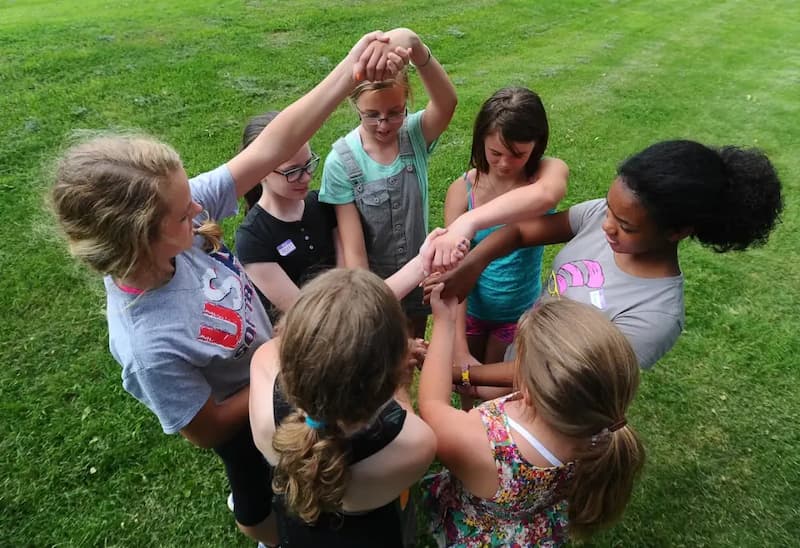
Have kids stand in a circle and grab hands with two different people (not next to them). The goal is to untangle themselves without letting go of hands. This game builds teamwork, communication, and problem-solving skills.
7. Drawing buddy
Each child pairs up and takes turns drawing something that represents their partner based on a quick conversation about hobbies and interests. This fun artistic challenge fosters creativity and connection.
8. Silly handshake

Pair up kids and have them invent their own unique handshake. They can include claps, fist bumps, spins, silly sounds, or even a mini dance move. After practicing, each pair shows off their handshake to the group. This game helps break the ice by encouraging creativity, teamwork, and laughter. Plus, kids love coming up with wacky moves that make their handshakes one-of-a-kind!
9. Animal charades

Write down different animals on small slips of paper and place them in a container. One child picks a slip and acts out the animal (without making noises) while the rest of the group guesses. You can add a time limit for an extra challenge. This game is a fantastic way to get kids moving, using their imaginations, and practicing communication, all while having a blast!
10. Secret code names

Let kids create a fun “spy” code name by combining their favorite color and an animal (e.g., “Blue Tiger” or “Green Penguin”). Once everyone has a name, they introduce themselves to the group using their code name. For added fun, kids can role-play as secret agents by introducing themselves in a dramatic or mysterious way. This activity sparks creativity and helps kids feel more comfortable playfully introducing themselves.
11. Popcorn storytelling

Have the group sit in a circle. One child starts a story with a single sentence, then the next child adds another sentence, and so on. The story keeps “popping” around the circle until it reaches a funny or unexpected ending. You can set a theme (e.g., “a magical adventure” or “a silly school day”) or let the kids be completely creative. This activity enhances listening skills, teamwork, and imagination while ensuring lots of giggles!
12. The emoji game

Ask kids to pick an emoji face and act it out using their facial expressions and body language. Others must guess which emoji they are imitating. You can even show emoji pictures to give them ideas. This game is perfect for younger children, helping them learn about emotions, self-expression, and social cues in a fun and engaging way.
13. Mystery bag
Fill a bag with random household objects (e.g., a toy car, a feather, a spoon, a small stuffed animal). Each child reaches into the bag, pulls out one item, and makes up a short story about it. For example, if they pick a toy car, they might say, “This is a magic car that can drive on water!” This game encourages storytelling, creativity, and public speaking skills while keeping kids entertained.
14. Dance freeze

Play some upbeat music and let the kids dance around freely. When the music stops, they must freeze in place like a statue. Anyone who moves after the music stops is out. The last person remaining is the winner! You can also add fun challenges, like making them freeze in silly poses. This high-energy game helps kids release energy, improves listening skills, and creates tons of laughs.
15. Alphabet introductions
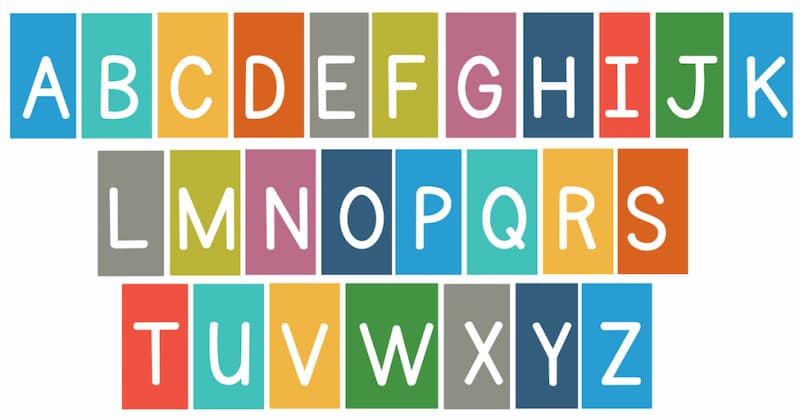
Each child introduces themselves by adding an adjective that starts with the same letter as their name (e.g., “Silly Sam,” “Jolly Julia,” “Brave Ben”). Then, they say their full phrase out loud to the group. This game helps kids remember each other’s names in a fun and playful way. You can also challenge them to repeat all the previous names before adding their own for an extra memory boost!
16. Beach ball questions

Write fun get-to-know-you questions on a beach ball using a marker. Toss the ball around, and when a child catches it, they must answer the question under their right thumb. Questions can be simple, like “What’s your favorite animal?” or more creative, like “If you could have any superpower, what would it be?” This activity makes sharing fun and stress-free while helping kids learn more about each other.
For more playful learning ideas, check out Beach Ball Activities for Preschoolers to keep your classroom or home lessons full of laughter and connection!
17. Mirror me
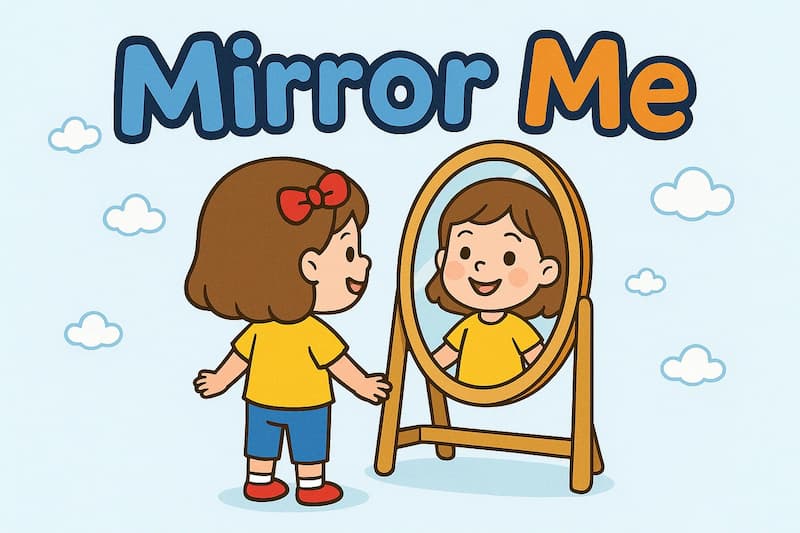
In pairs, one child starts by making slow movements, and their partner must copy them exactly as if they were a mirror. After a minute, they switch roles. This game encourages focus, patience, and teamwork while making kids giggle as they try to match each other’s moves. It’s a great warm-up or calm-down activity that also helps with body awareness and coordination.
18. The candy color game

Give each child a handful of colored candies (like Skittles or M&Ms). Assign a question to each color (e.g., “Red = What’s your favorite hobby?” “Blue = Name one fun thing you did this week”). Kids must answer a question for every color they have before eating the candy. This is a great way to spark conversations and make sharing fun plus.
19. The compliment chain

Have the kids sit in a circle. One child starts by giving a compliment to the person on their right (e.g., “I love your smile!” or “You’re really good at drawing!”). That person then gives a compliment to the next child, and so on, until the compliment chain goes all the way around. This activity builds confidence, spreads positivity, and helps kids feel appreciated in a new group setting.
20. Simon says – Get to Know You edition
Play a classic game of Simon Says but with a twist! Instead of giving random actions, use get-to-know-you statements like:
- “Simon says, jump if you have a pet.”
- “Simon says, clap if your favorite color is blue.”
- “Simon says, spin if you love pizza.”
This version of the game keeps kids engaged while helping them learn fun facts about each other in an active and entertaining way.
Ice breakers questions for kids
Sometimes, all it takes to get kids talking and laughing is the right question! Ice breaker questions for kids are a fun and easy way to help them open up, share their interests, and connect with others. Explore our ice breaker questions list below:
- If you could have any superpower, what would it be?
- Would you rather talk to animals or be able to fly?
- If you could be any cartoon character for a day, who would you be?
- What would you name a pet dragon?
- If you could only eat one food forever, what would it be?
- What’s your favorite thing to do on the weekend?
- Do you have any pets? If not, what pet would you love to have?
- What’s the coolest place you’ve ever visited?
- If you could switch places with any person for a day, who would it be?
- What’s your favorite game to play with friends?
- If you found a treasure chest buried in your backyard, what would be inside?
- If your toys came to life at night, what do you think they would do?
- If you could live in any movie or book world, where would you go?
- What would you do if you woke up one morning and could turn invisible?
- If you could build a secret hideout anywhere, where would it be and what would it look like?
Suggestion: For even more question ideas, check out this fun list of icebreaker questions for kids to get them laughing and talking.
FAQs
1. What are good ice breaker questions for kids?
Good ice breaker questions for kids should be fun, simple, and engaging to encourage conversation and connection. Here are some great examples:
- If you could have any superpower, what would it be?
- Would you rather have a pet dinosaur or a pet unicorn?
- If you could eat only one food for the rest of your life, what would it be?
- What is your favorite thing to do on the weekend?
- Do you have any pets? If not, what pet would you love to have?
- What’s the best vacation you’ve ever been on?
2. How to make a good ice breaker for kids?
A great ice breaker for kids should be fun, engaging, and easy to understand. Here are some key tips to create a successful one:
- Make it simple: Choose activities that are easy to explain and don’t require complex rules. Short and interactive games work best.
- Encourage movement: Kids love to be active! Games like Dance Freeze or Simon Says help them loosen up and have fun.
- Foster connection: Pick ice breakers that encourage kids to talk, laugh, and learn something new about each other. Question-based games or team challenges work great.
- Keep it inclusive: Make sure every child feels comfortable and included. Avoid activities that require advanced skills or might make some kids feel left out.
- Use props or visuals: Items like a beach ball, flashcards, or a mystery bag can make the game more exciting and interactive.
Final thoughts
Ice breakers for kids are like secret weapons for turning awkward silence into giggles and new friendships! Whether it’s a silly handshake, a wacky storytelling game, or a round of “Would You Rather?”,… these activities help kids loosen up, laugh, and connect. So, next time you need to break the ice, grab one of these games and let the fun (and possibly some uncontrollable giggling) begin!


