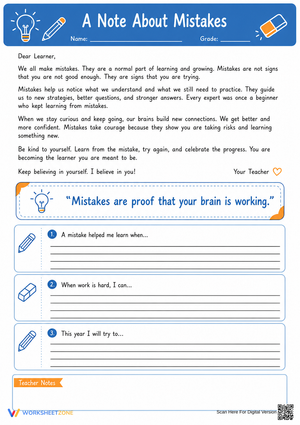
Watching a child say I cannot do this and walk away from a tough math problem can break your heart at the kitchen table. Many parents feel unsure how to respond when frustration takes over, and that is completely understandable. The good news is that growth mindset worksheets give you a simple, structured way to guide your child through those moments without needing a teaching degree or a perfect script.
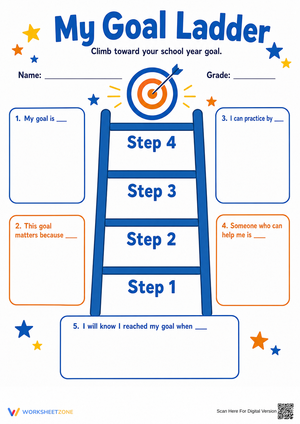
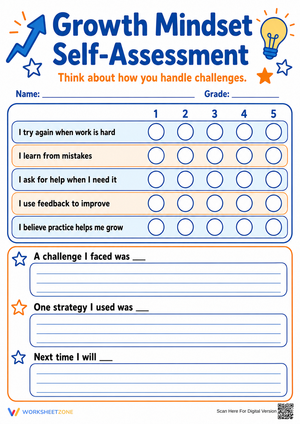
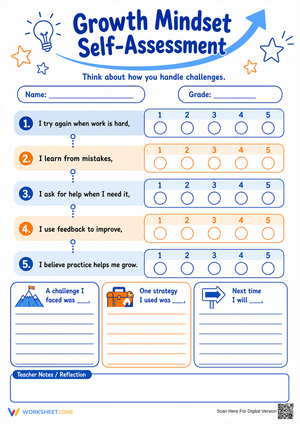
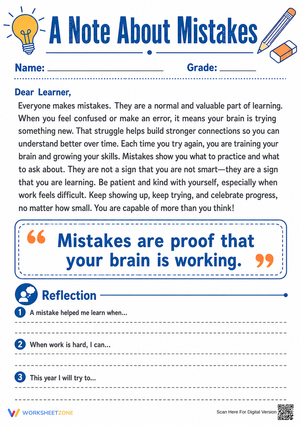
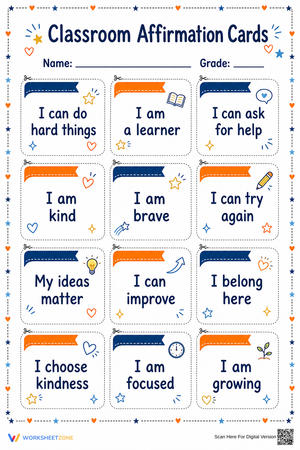
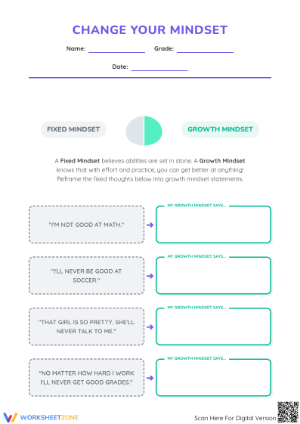
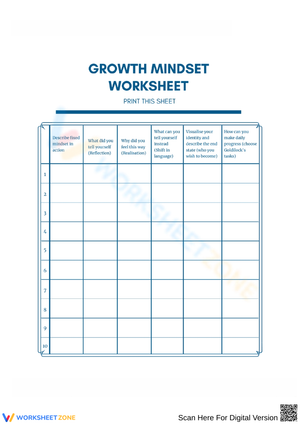
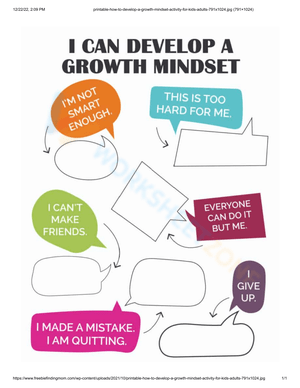
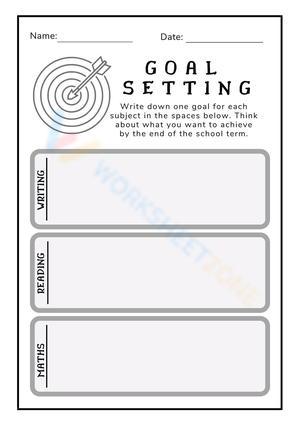
These printable activities introduce the idea that the brain grows stronger with effort, just like a muscle. A young learner first identifies fixed mindset thoughts, then practices rewriting them into growth statements such as I can learn this with practice. Each page builds on the last, so a kindergartener works with simple feelings while a fifth grader explores goal setting, reflection prompts, and short journaling exercises that feel achievable rather than overwhelming.
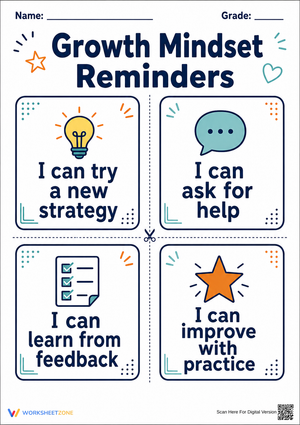
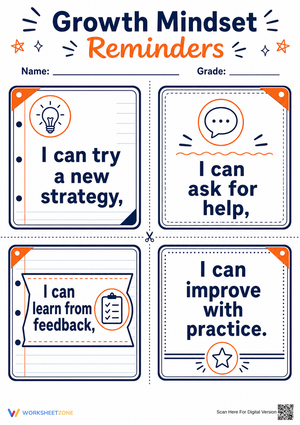
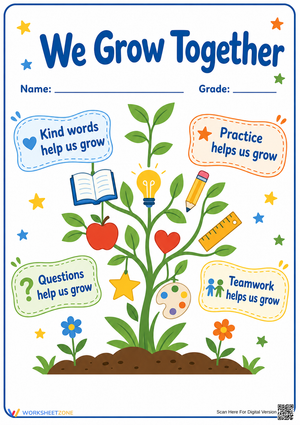
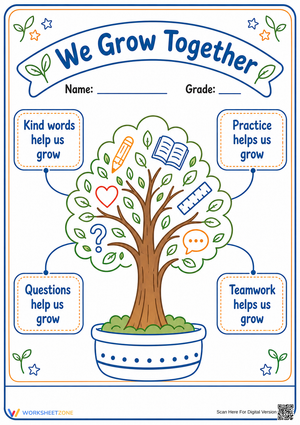
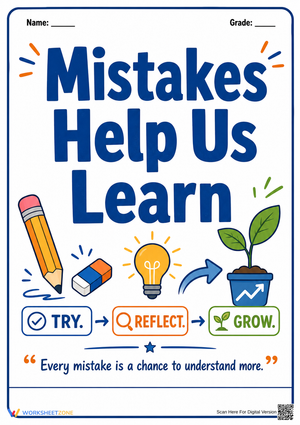
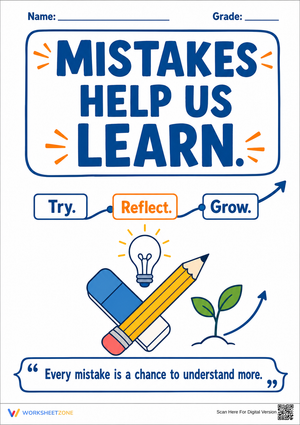
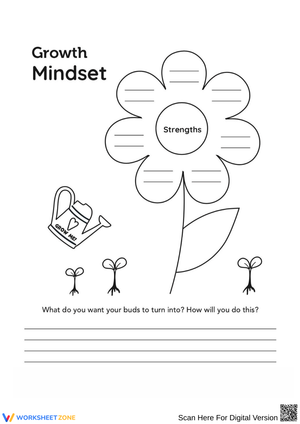
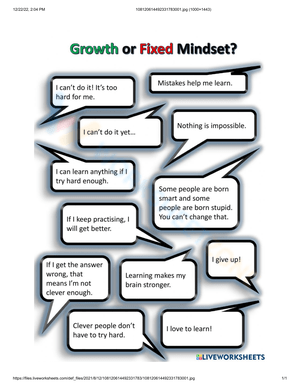
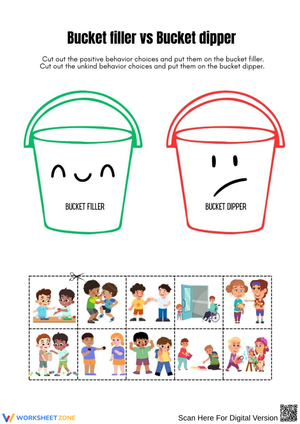
Children also respond beautifully to the visual elements built into well-designed pages. Coloring sections, brain-themed graphics, sorting activities, and small comic-style scenarios turn what could feel like a lecture into a playful conversation. When a struggling reader colors a poster about the power of yet, the lesson sticks in a way that no parent reminder ever could. That sense of play is exactly what helps the message take root at home.
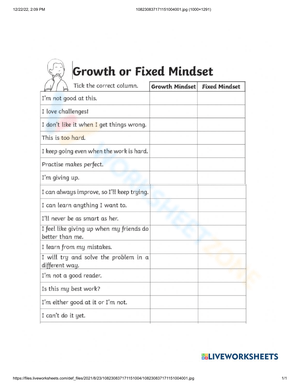
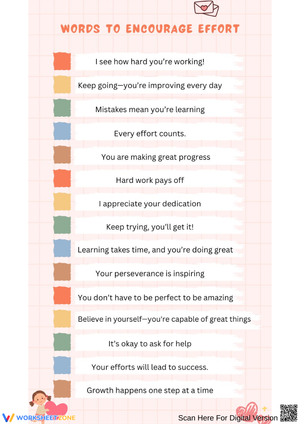
Worksheets also open a quiet window into what your child is learning at school about social emotional growth and self-regulation. Sitting beside your child as they sort thoughts into helpful and unhelpful categories often sparks honest conversations about a hard day, a new friendship, or a worry about a test. These pages, paired with simple classroom mindset quotes, can become small daily rituals that strengthen connection while building emotional vocabulary your child will use for years.
If you are ready to bring more calm and confidence into homework time, browse the Worksheetzone collection together with your child and let them choose a page that speaks to them. Pair each session with related character traits printables for a richer conversation about who they are becoming. With consistent practice and your encouragement, growth mindset worksheets become a steady tool that supports your family long after the worksheet is finished.
Frequently Asked Questions
Question 1: At what age should children start using growth mindset worksheets?
Most children benefit from age-appropriate growth mindset activities starting around kindergarten, when they begin recognizing emotions and effort. Pages for ages five to seven focus on simple feeling words and the idea of yet. Children in grades three through six can handle reflection prompts, goal-setting templates, and journaling pages. Choose materials that match your child's reading comfort so the lesson feels supportive rather than another challenge to overcome.
Question 2: How do these worksheets support classroom social emotional learning standards?
Growth mindset printables align with widely used CASEL competencies, including self-awareness, self-management, and responsible decision-making. Teachers integrate them into morning meetings, advisory blocks, or counseling small groups. Students practice naming fixed thoughts, reframing setbacks, and setting realistic goals that connect to academic standards. Many school counselors pair these pages with reading lessons or math reflections to reinforce that effort and strategy drive improvement across every subject area.
Question 3: Can parents use growth mindset worksheets without prior teaching experience?
Absolutely, and that is one reason families love them. Each printable includes clear directions and gentle prompts, so parents can simply read aloud and discuss answers together. Sit beside your child, ask open questions like what felt hard about this, and listen without correcting. The goal is conversation, not perfect responses. Worksheetzone designs each page so that warmth and consistency from a caring adult matter far more than formal instructional training.
Question 4: How often should children practice growth mindset activities for real progress?
Short, regular sessions usually outperform long monthly bursts for lasting mindset change. Many counselors recommend two short sessions of about ten minutes each week, paired with brief check-ins after a hard moment at school or home. Within four to six weeks, families often notice their child using phrases like I am still learning instead of giving up. Consistency, paired with adult modeling, anchors the habit deeply over time.