


























Views
Downloads


CCSS L.9-10.1 Worksheet: 9th Grade ELA Essential Exam
Paste this activity's link or code into your existing LMS (Google Classroom, Canvas, Teams, Schoology, Moodle, etc.).
Students can open and work on the activity right away, with no student login required.
You'll still be able to track student progress and results from your teacher account.
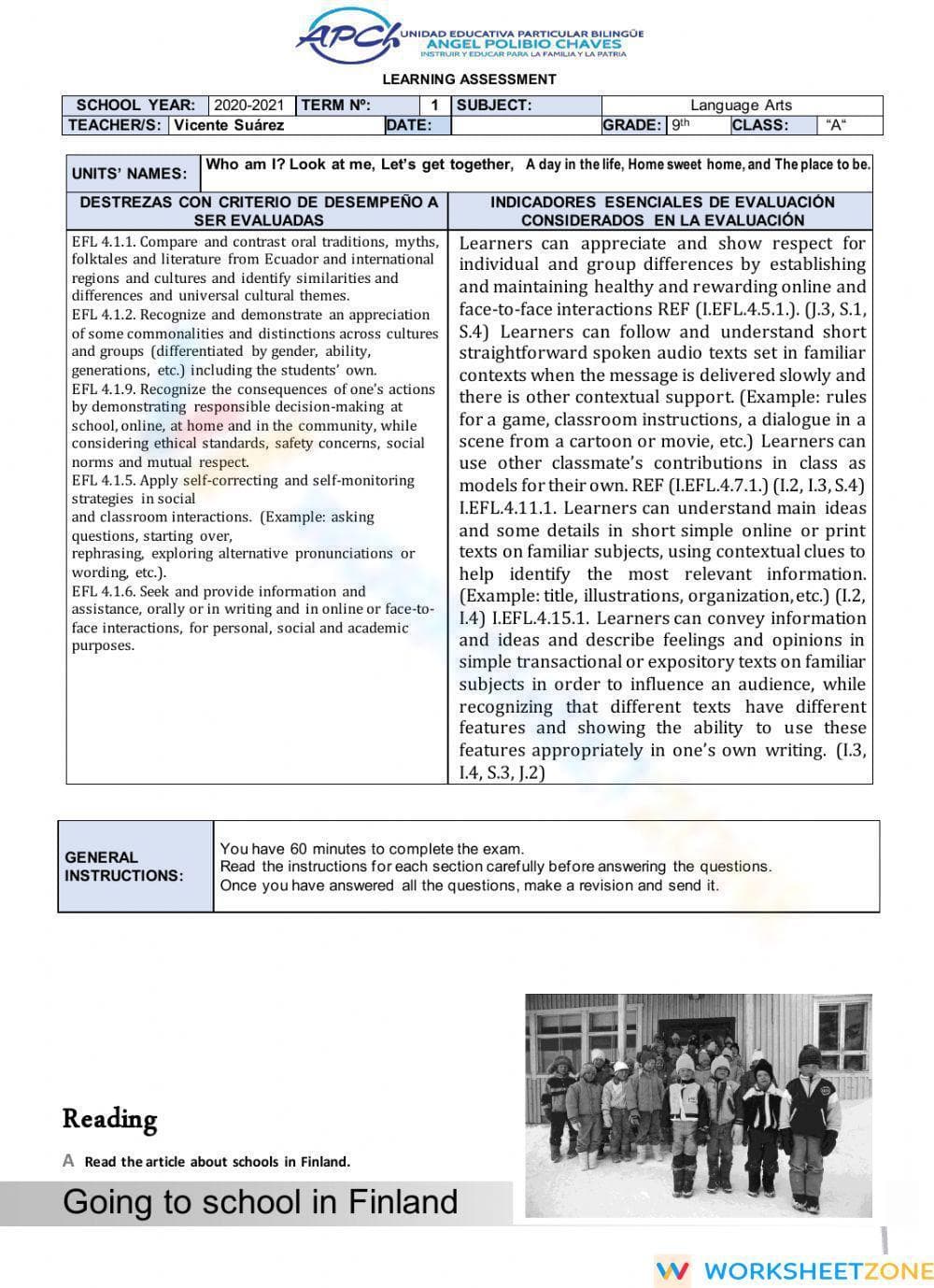
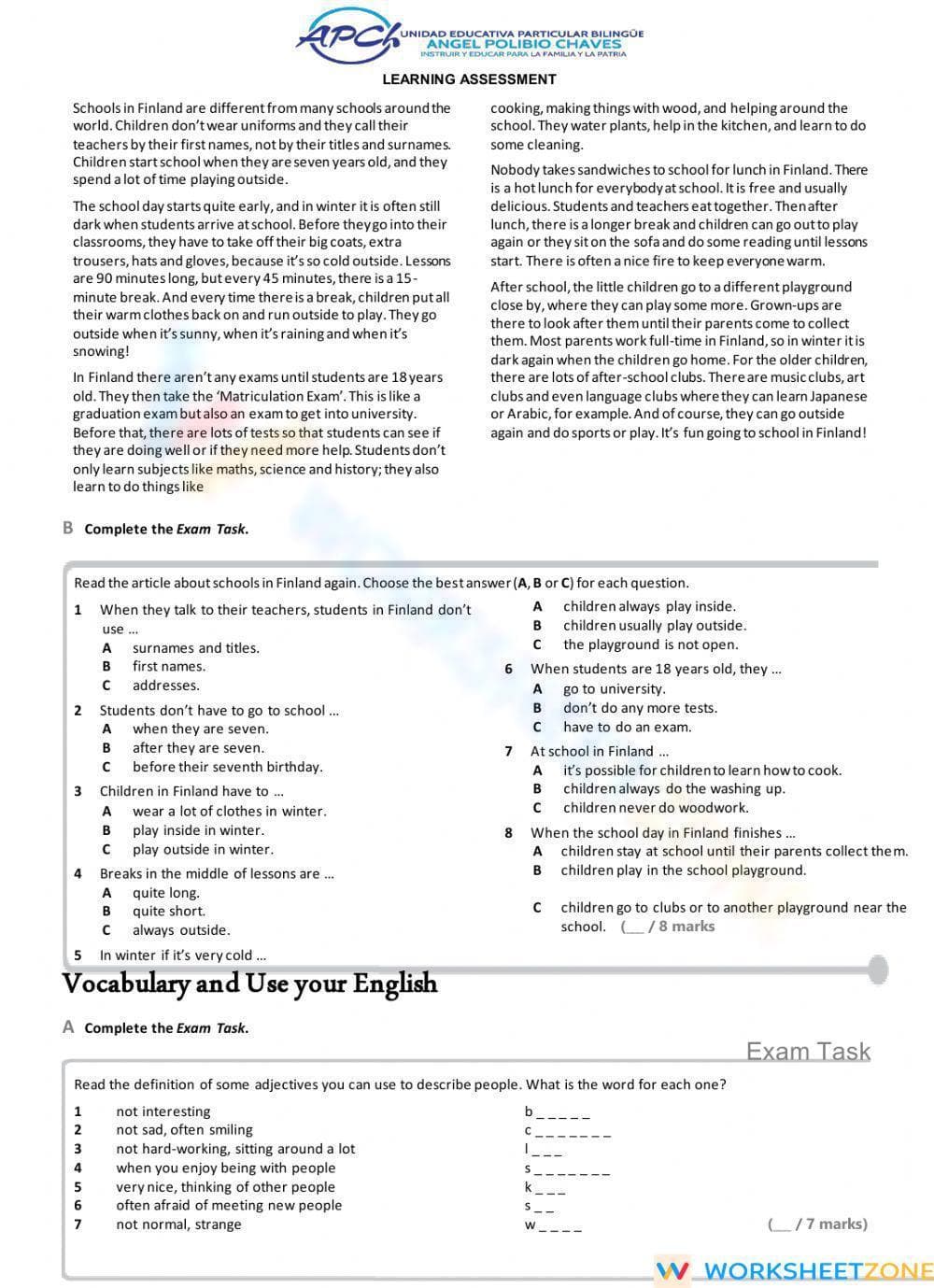
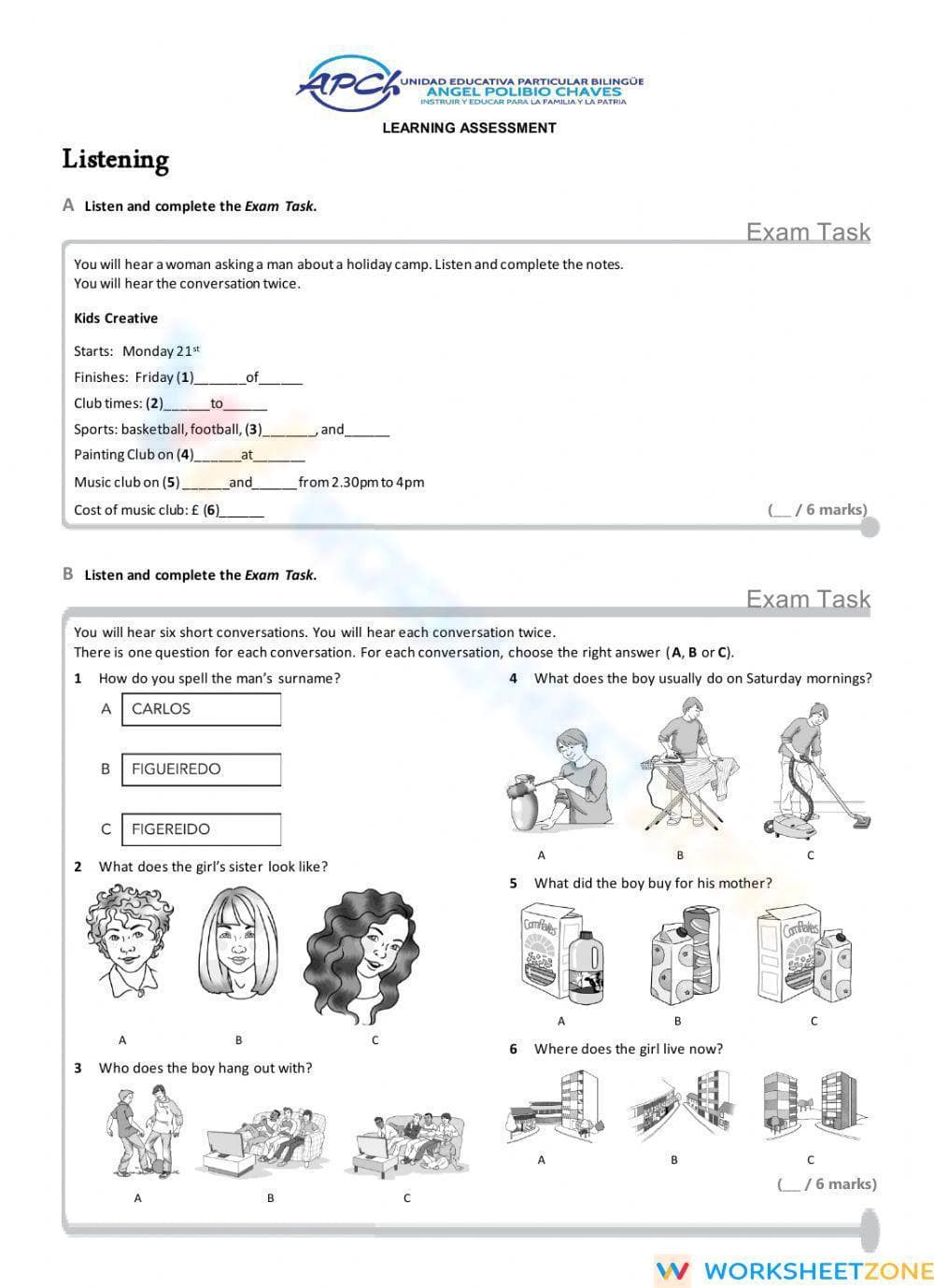
This comprehensive 9th Grade ELA First Term Exam provides a robust assessment of core literacy skills. Students demonstrate proficiency in listening comprehension, analytical reading, and complex grammatical structures. By evaluating diverse skill sets in one sitting, educators gain a clear picture of student mastery across the English Language Arts spectrum for secondary learners.
At a Glance
- Grade: 9 · Subject: English Language Arts
- Standard:
CCSS.ELA-LITERACY.L.9-10.1— Demonstrate command of the conventions of standard English grammar and usage when writing.- Skill Focus: Comprehensive ELA Assessment
- Format: 5 pages · 35 problems · No answer key · PDF
- Best For: Term-end assessment and test readiness
- Time: 45–60 minutes
What's Inside
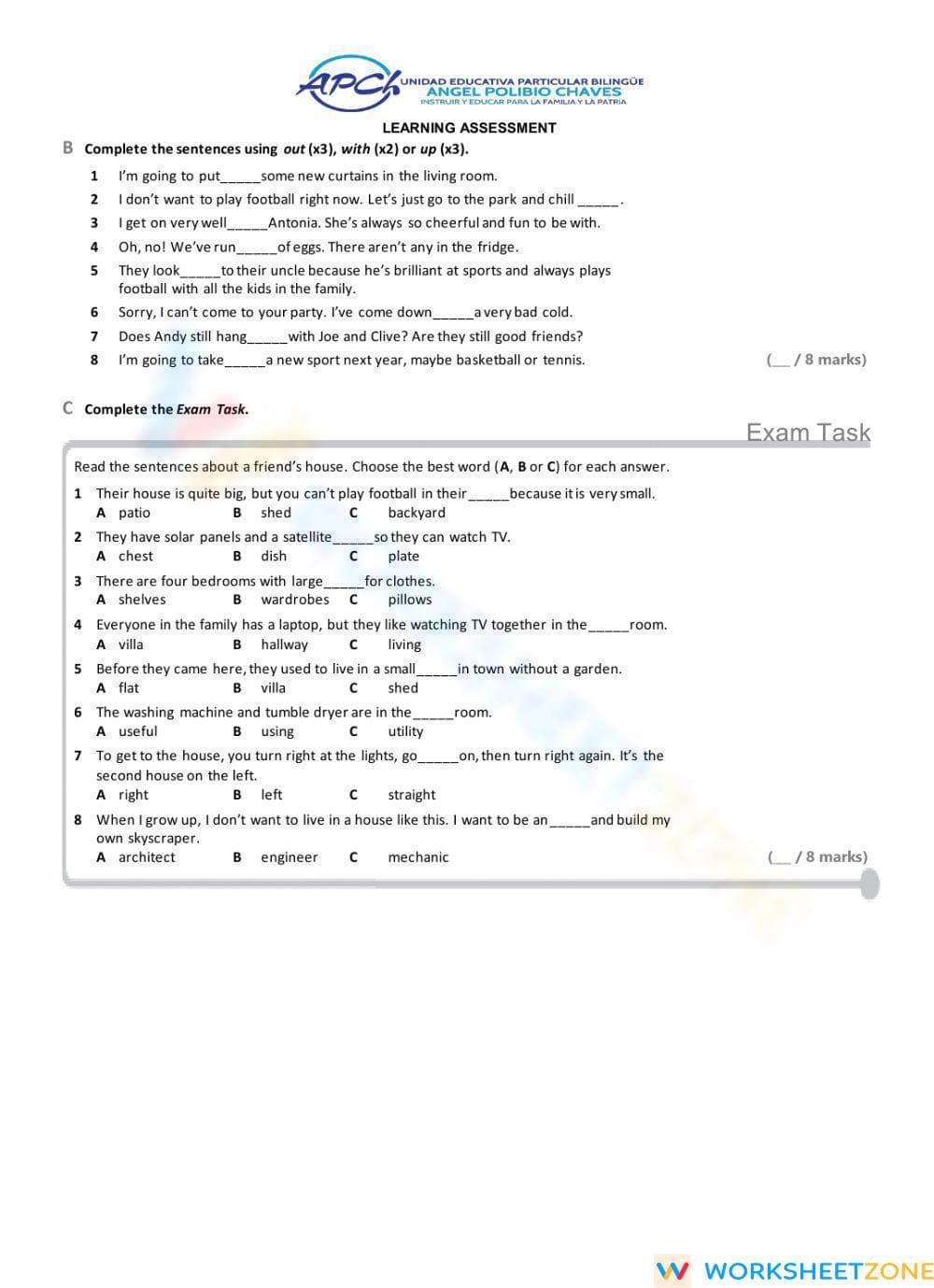
The assessment spans five pages, beginning with listening comprehension to test auditory processing. It moves into a multi-paragraph reading passage followed by evidence-based questions. The grammar section includes multiple-choice items focusing on verb tenses. Finally, the writing section requires sentence transformations and original composition, providing a holistic view of the student's communicative ability without requiring teacher-led preparation.
Mastery Evidence
Each task maps to specific sub-skills of the secondary ELA standards. Listening and reading sections provide evidence of comprehension depth, while grammar items offer data on syntactic command. The writing portion allows for a three-tiered evaluation: Approaching (basic structure), Meeting (standard usage), and Exceeding (sophisticated syntax). Scores can be entered directly into district gradebooks or used for documenting IEP progress toward literacy goals.
Standards Alignment
Aligned primarily to `CCSS.ELA-LITERACY.L.9-10.1`, which requires students to demonstrate command of the conventions of standard English grammar and usage. Supporting standard `CCSS.ELA-LITERACY.RI.9-10.1` is addressed through the reading evidence tasks. Both standard codes can be copied directly into lesson plans, IEP goals, or district curriculum mapping tools to ensure instructional transparency and rigorous academic alignment for high school students.
How to Use It
Use this as a summative assessment at the conclusion of a 9th-grade grammar or literature unit. For formative use, observe the writing section to identify common errors in sentence transformations, which often signal deeper misconceptions about auxiliary verbs or tense consistency. The expected completion time is one standard class period (approximately 50 minutes). It serves as an excellent benchmark to measure progress before mid-year or state-level testing.
Who It's For
Designed for 9th-grade students, this exam is also suitable for 10th-grade review or advanced 8th-grade learners. The diverse task types support differentiated classrooms, as the listening and reading sections provide entry points for various learning styles. Pair this with a standard ELA anthology or a direct instruction lesson on complex verb tenses for a complete instructional cycle.
The integration of multiple domains—listening, reading, and writing—within a single assessment is supported by recent educational research. According to the RAND AIRS 2024 analysis of secondary literacy practices, holistic assessments that require students to transition between receptive and productive skills provide a more accurate measure of "authentic literacy" than isolated grammar drills. This 9th Grade FTE worksheet aligns with these findings by requiring students to apply CCSS.ELA-LITERACY.L.9-10.1 grammar conventions within both discrete items and open-ended writing tasks. By evaluating 35 distinct problems across five pages, the tool ensures high reliability in data collection for educators monitoring secondary ELA progress. This evidence-based design ensures performance data can be used confidently for curriculum adjustments or RTI placement, adhering to rigorous standards for college and career readiness in high school English.


