


























Views
Downloads

WHST.9-10.7 Guide: History of Atoms — Grade 10 Aligned
Paste this activity's link or code into your existing LMS (Google Classroom, Canvas, Teams, Schoology, Moodle, etc.).
Students can open and work on the activity right away, with no student login required.
You'll still be able to track student progress and results from your teacher account.
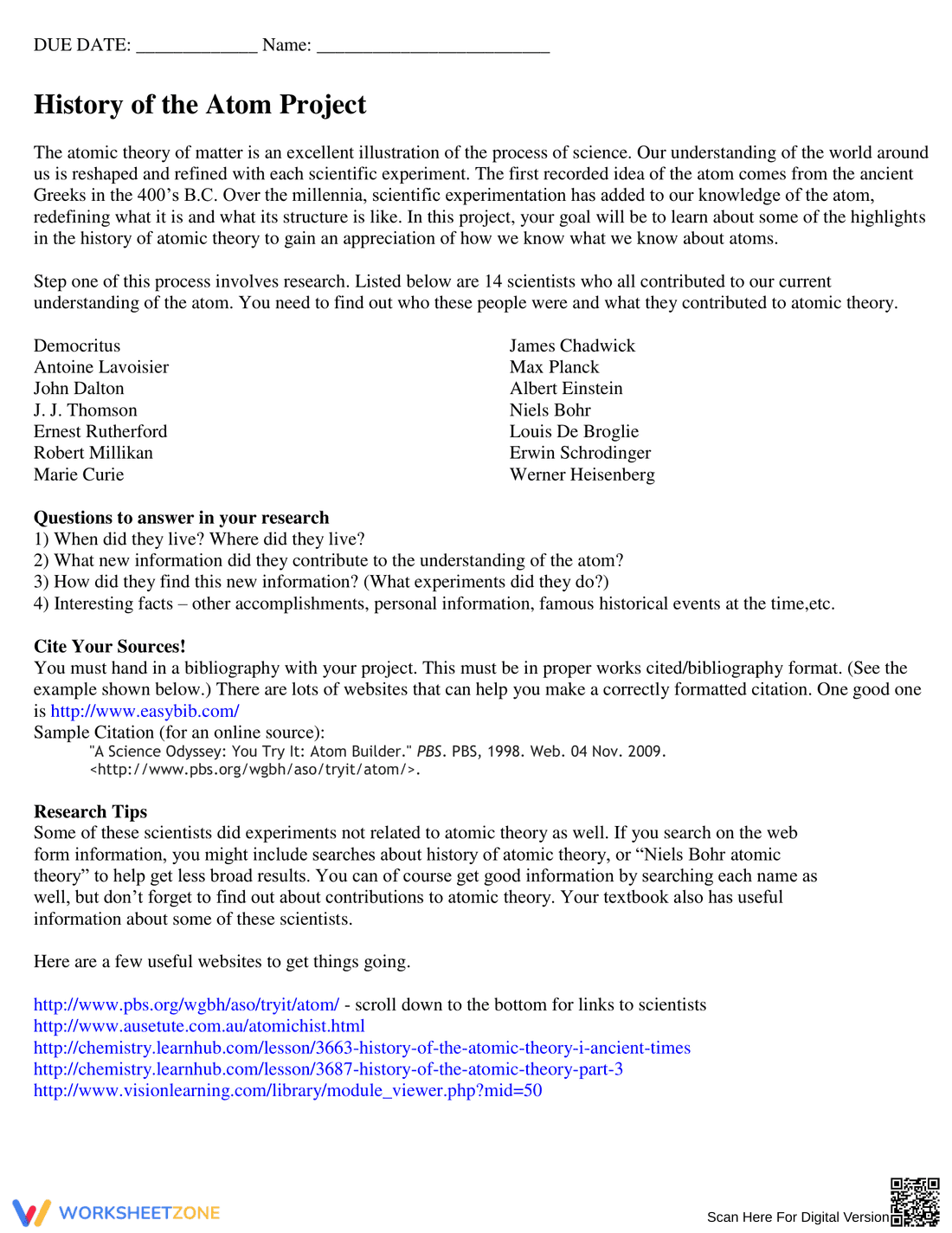
This Grade 10 atomic history project gives students a structured framework to research the evolution of atomic theory. By investigating key scientists and their contributions, learners synthesize historical data into creative formats like graphic novels or newspaper articles, demonstrating a deep understanding of scientific progress.
At a Glance
- Grade: 10 · Subject: Chemistry
- Standard:
CCSS.ELA-LITERACY.WHST.9-10.7— Conduct short and sustained research projects- Skill Focus: Researching historical atomic models
- Format: 4 pages · 14 research targets · Rubric included · PDF
- Best For: End-of-unit assessment or project
- Time: 120–180 minutes
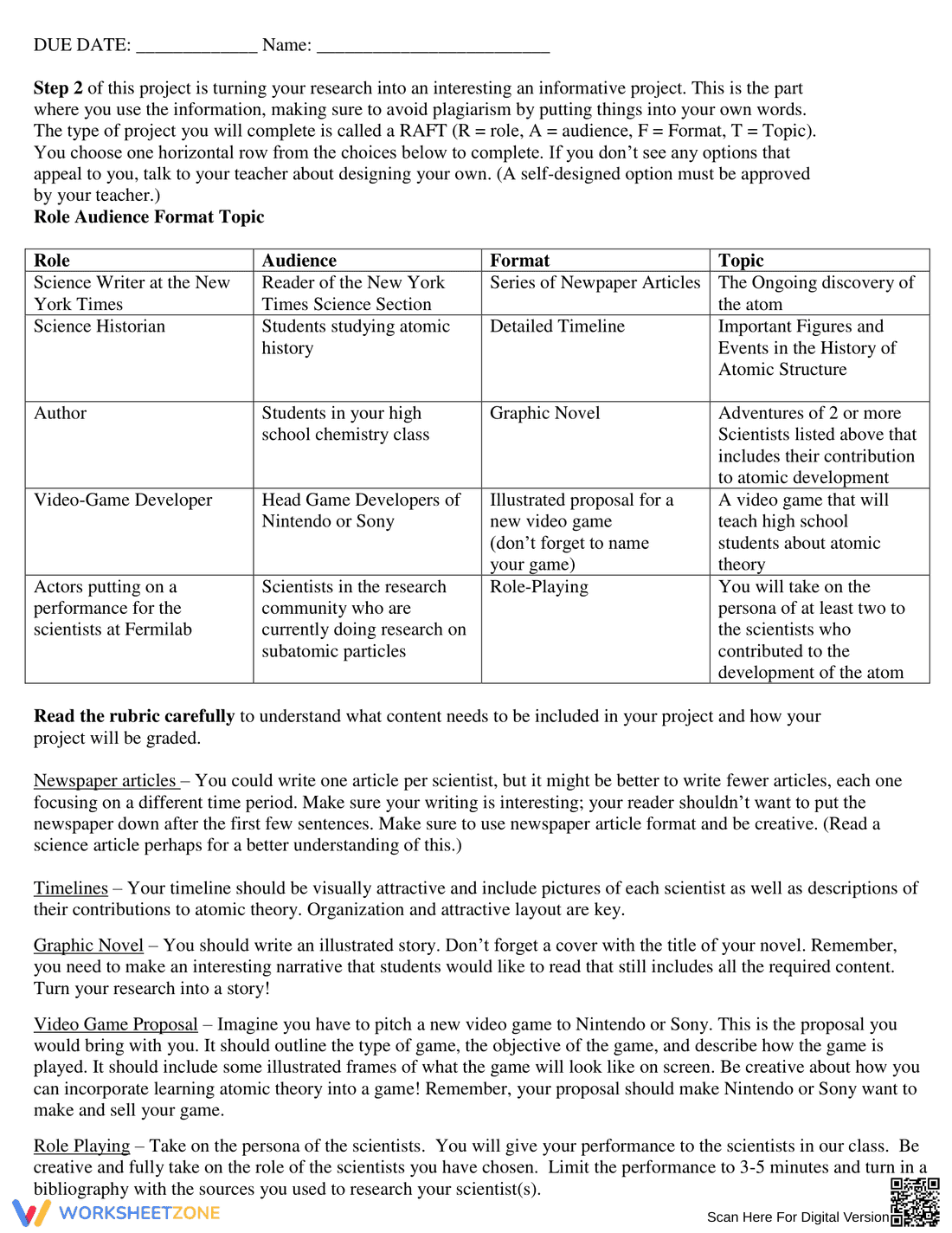
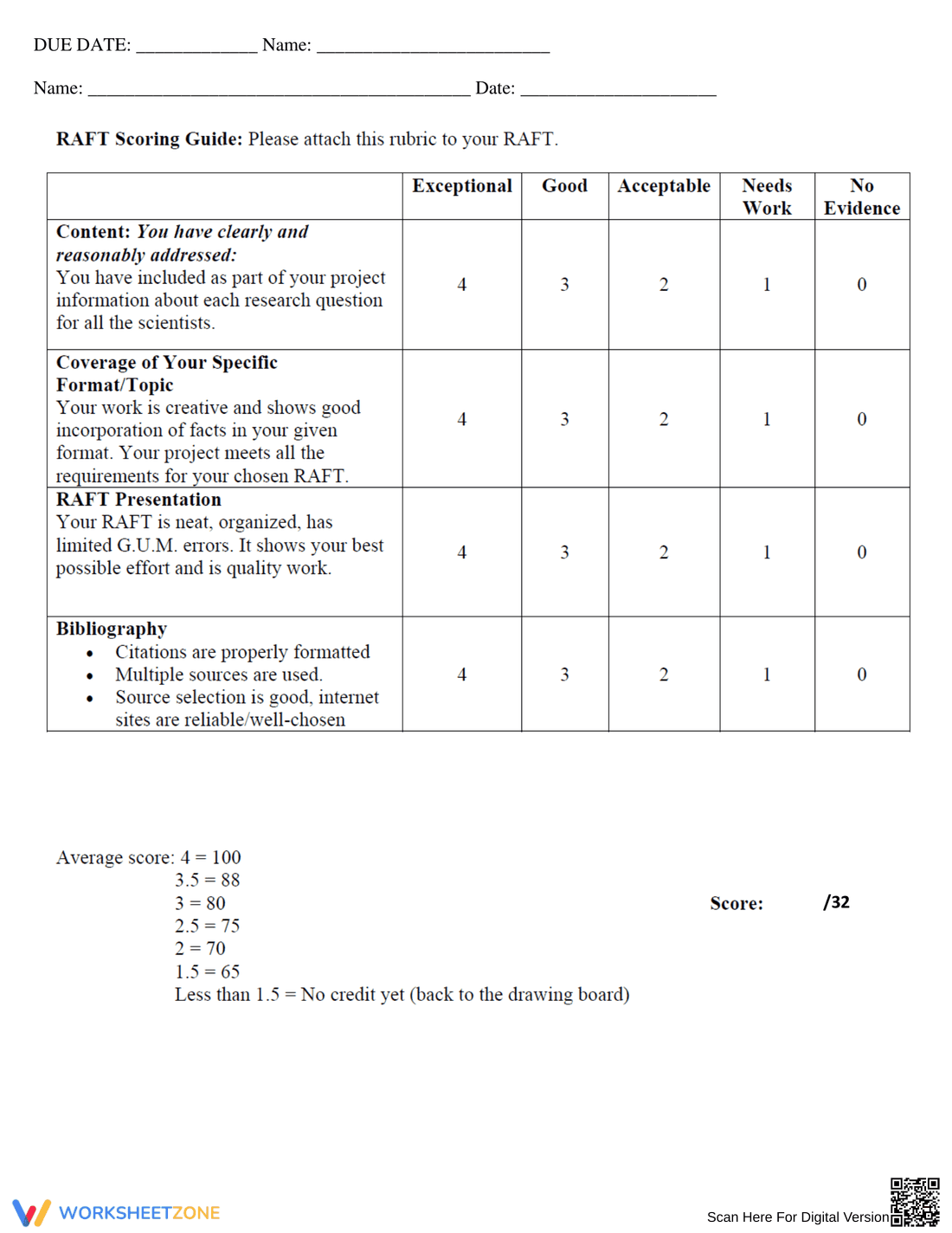
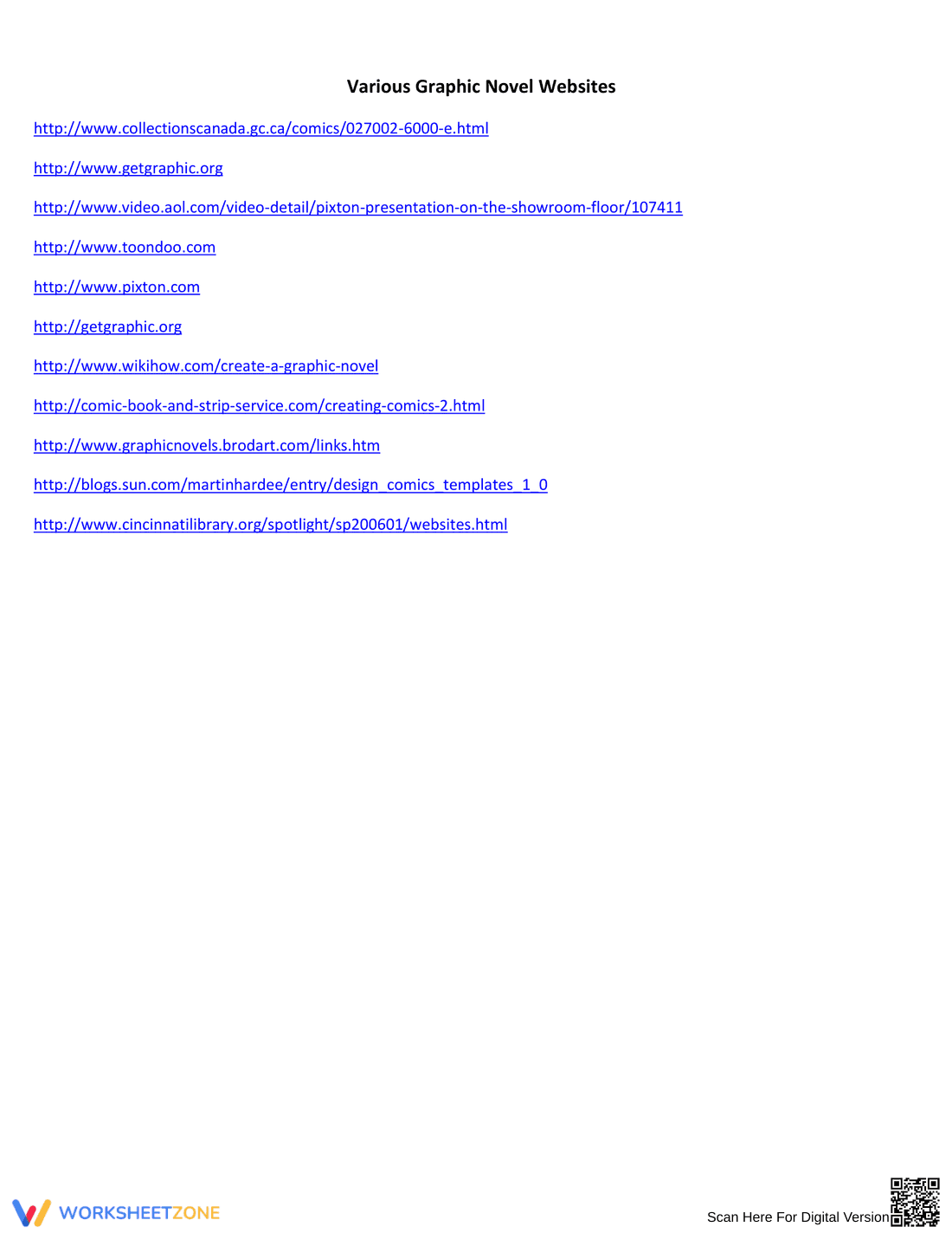
This comprehensive project packet contains four pages of detailed instructions and evaluation criteria. It features a list of 14 foundational scientists, specific research questions, citation guidelines, and a RAFT (Role, Audience, Format, Topic) choice board. Students can select from five creative output formats, including a detailed timeline, a video game proposal, or a role-playing performance. A complete four-point grading rubric and a curated list of graphic novel creation websites are also provided to support student success.
Mastery Evidence
The included RAFT Scoring Guide provides clear mastery evidence across four distinct categories: Content, Coverage, Presentation, and Bibliography. The rubric tiers range from "No Evidence" (0) to "Exceptional" (4), allowing educators to evaluate how accurately students map each task to the historical development of the atom. Because the criteria explicitly measure both scientific accuracy and formatting requirements, scores can be entered directly into gradebooks or used for IEP progress notes to track research and communication skills.
Standards Alignment
Aligned to CCSS.ELA-LITERACY.WHST.9-10.7, this resource requires students to conduct short as well as more sustained research projects to answer a question or solve a problem. It also supports NGSS practices by having students obtain, evaluate, and communicate information about atomic structure. Both standard codes can be copied directly into lesson plans, IEP goals, or district curriculum mapping tools.
How to Use It
This project serves as an excellent summative assessment after direct instruction on atomic structure. Teachers can introduce the assignment at the beginning of the unit, allowing students to gather information as new concepts are taught. As a formative assessment observation tip, educators can review students' preliminary bibliographies and research notes before they begin drafting their final RAFT products. The expected completion time ranges from two to three class periods, plus independent work.
Who It's For
This resource is designed for high school chemistry and physical science students. The RAFT choice board offers built-in differentiation, allowing learners to select a format that aligns with their strengths—whether they prefer creative writing, visual design, or dramatic performance. It pairs perfectly with introductory lessons on the periodic table or a foundational textbook chapter on the history of scientific discovery.
Integrating structured research projects into high school science curricula significantly enhances student comprehension of complex historical concepts and the nature of scientific discovery. By aligning directly with CCSS.ELA-LITERACY.WHST.9-10.7 to conduct short and sustained research projects, this comprehensive activity successfully bridges essential literacy skills with rigorous scientific inquiry. According to EdReports 2024, providing students with diverse, choice-based assessment formats—such as the RAFT method utilized in this project—dramatically increases classroom engagement and allows for a much more accurate measurement of individual content mastery. When learners actively investigate the historical models of atoms, evaluating primary and secondary sources rather than passively receiving textbook information, they develop the robust critical thinking and source evaluation skills that are absolutely essential for advanced scientific literacy and future academic success.


