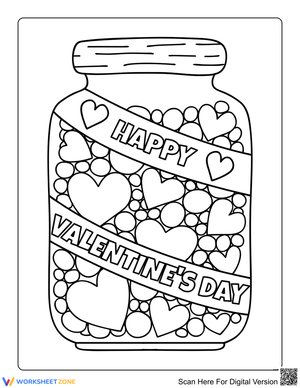
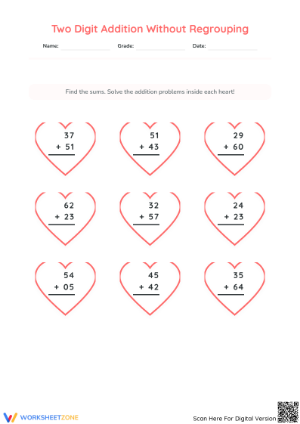
These valentine's day printable worksheets give K–5 teachers a practical toolkit for the week of February 14th — a stretch when classroom energy spikes and sustaining attention through a standard lesson requires deliberate planning. The set covers math, literacy, and social-emotional skills across one collection, so teachers spend less time hunting across multiple sites to piece together a coherent instructional day.
Skills These Worksheets Build
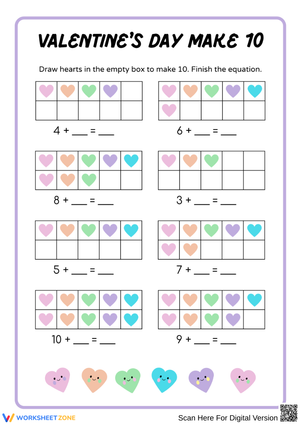
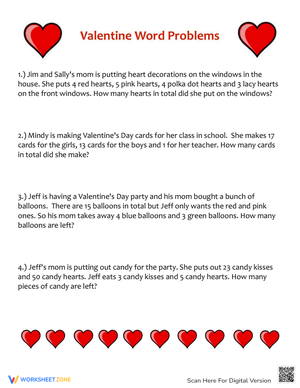
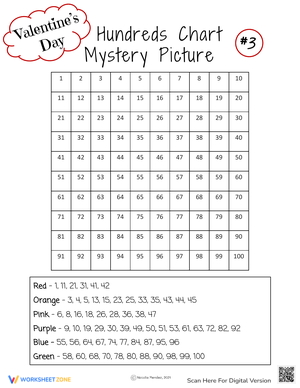
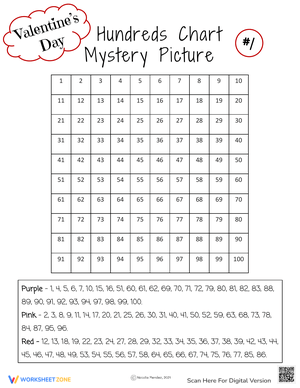
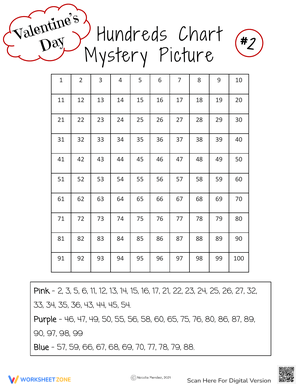
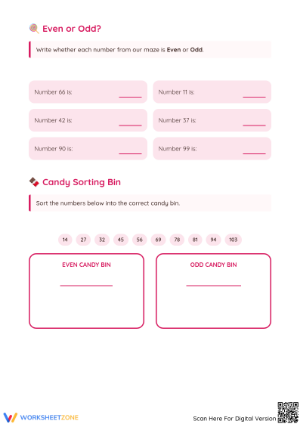
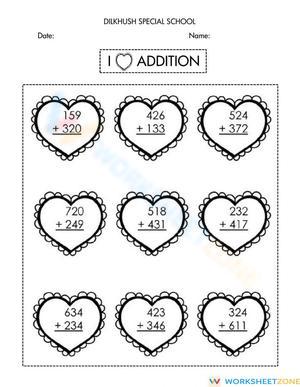
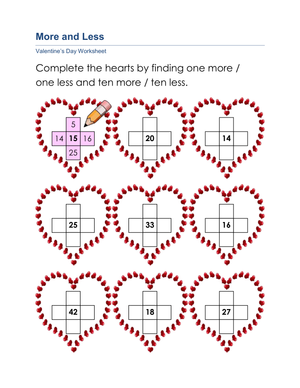
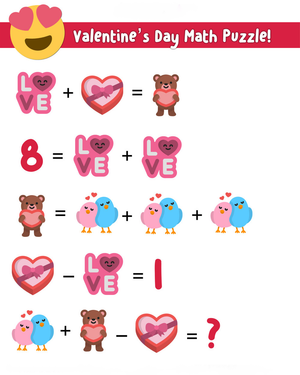
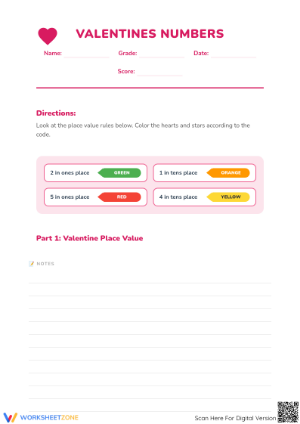
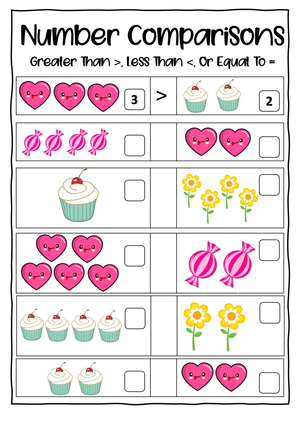
On the math side, students work with Valentine-themed data sets — sorting, graphing, and calculating basic statistics using familiar objects like conversation hearts. Word problems situate multiplication and division in seasonal scenarios: the number of cards in a box, the cost of a small bouquet, the leftovers after dividing treats equally among a group. Younger students practice one- and two-digit addition and subtraction with heart-shaped counters as visual anchors.
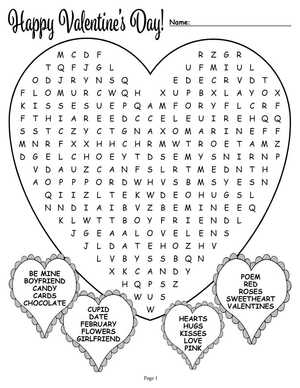
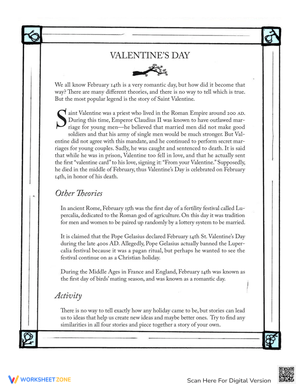
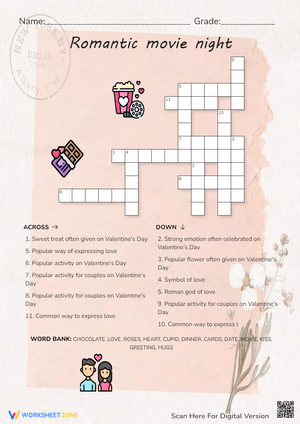
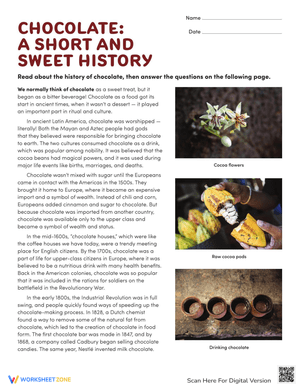
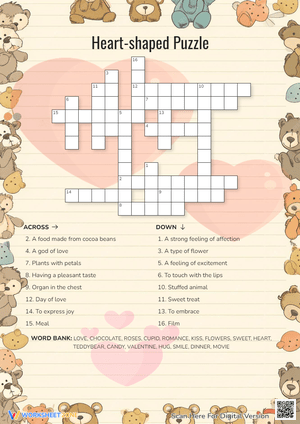
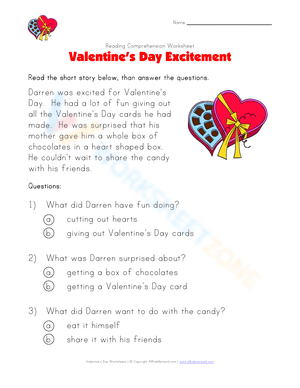
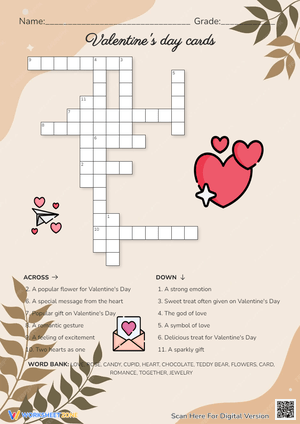
Literacy worksheets target descriptive writing, structured poetry, and reading comprehension. Students write about a person they appreciate, building detail through specific examples rather than trait lists. Acrostic poetry frames like FRIEND or KINDNESS give emerging writers a clear entry point while still requiring word-choice decisions. Vocabulary tasks — crosswords, word sorts, and context-clue exercises — appear alongside short informational passages about the holiday's history and how different communities mark it.
The social-emotional learning components are built around observable behaviors rather than abstract feelings. Students complete sentence frames describing specific acts of kindness they have witnessed or performed, identify facial expressions paired with brief scenarios, and write short appreciation notes using a structured template. These tasks function as both SEL instruction and low-stakes writing practice — two things happening inside the same 10 minutes.
Making the Most of These on February 14th — and the Days Before
The most effective classroom use we have seen is the station rotation. Teachers set up four or five stations — one math puzzle, one writing task, one SEL activity, one hands-on craft — and rotate the class every 10 minutes using a visible timer. This structure channels the holiday energy instead of fighting it. Students always have a clear next task, which prevents the prolonged drift that turns a party afternoon into a management problem. The worksheets anchor each academic station and give students something concrete to do while the teacher circulates.
Outside of party-day logistics, teachers who prefer to keep the holiday out of core instruction can use the valentine's day printable worksheets as Friday afternoon enrichment or early-finisher work during the two weeks leading up to February 14th. A single themed math problem as a Monday morning warm-up settles the room and reviews a skill without derailing the existing lesson arc. The SEL tasks translate cleanly into community-building activities that fit most any week, so they don't have to wait for the holiday.
Error Patterns That Surface in Real Student Work
The graphing worksheets surface a consistent mistake: students build accurate bar graphs but start the y-axis at the minimum data value rather than zero, making a two-heart difference look like a dramatic gap. Catching this on a low-stakes holiday worksheet is better than finding it on a unit assessment. A related problem appears when students use actual candy as a manipulative alongside each worksheet — the sorting is engaging enough that they rush the recording step and produce mismatched data sets. A partner-check step before moving to analysis catches most of these before they become fixed habits.
In the writing tasks, the most common pattern is the trait list. Asked to describe a good friend, a student writes: "My friend is nice, funny, kind, and helpful." These worksheets address this directly by asking students to describe one specific moment when a friend showed a quality — a structural constraint that moves past the list and into narrative detail. Students who initially resist this constraint tend to produce their strongest writing of the unit once they commit to a single memory.
Using One Set Across Multiple Skill Levels
For students who need additional support with the writing prompts, a brief pre-writing conversation does more than a graphic organizer alone. Two minutes of verbal rehearsal — asking the student to tell the story out loud before writing — removes the blank-page paralysis that stops many reluctant writers. The structure is already on the worksheet; spoken rehearsal fills it in mentally before pencil touches paper.
Advanced students who finish the math tasks quickly can extend any graphing worksheet by writing three observations using comparative language — "There were twice as many pink hearts as yellow ones" — before moving on. For the word problems, remove the numeric setup and give these students only the scenario text, asking them to identify what information they would need before they see the actual numbers. That task is harder than solving the problem itself and keeps them productively engaged without requiring a separate valentine's day printable worksheets for the top tier.
English language learners benefit from having a picture-word reference available during the crossword and word-sort exercises. Holiday vocabulary like bouquet, admire, and appreciate appears in context across multiple worksheets, which supports word acquisition better than a one-time encounter with a definition.
Standard Alignment
The math worksheets align with CCSS.MATH.CONTENT.2.MD.D.10 (represent and interpret data in picture graphs and bar graphs) and CCSS.MATH.CONTENT.3.OA.A.3 (use multiplication and division within 100 to solve word problems in situations involving equal groups and arrays). Both standards are introduced mid-year in their respective grades, making a February practice window well-timed — students have enough baseline fluency to work independently, but the concepts are recent enough that additional repetition still moves the needle.
The literacy components address CCSS.ELA-LITERACY.W.2.3 and W.3.3 (narrative writing with detail and structure) and CCSS.ELA-LITERACY.L.2.4 through L.4.4 (determining word meaning from context). The SEL tasks connect to CASEL's social awareness and relationship skills competency domains — areas that many districts are now embedding as formal instructional targets rather than treating as incidental classroom culture.
Frequently Asked Questions
Do the math worksheets include answer keys?
Yes. For the graphing tasks, the key reflects one correct representation — a student may produce a technically accurate graph using a different scale than the key shows. Treat the key as a reference rather than the only valid answer, and use any mismatch as a brief conversation about what scale choices do to how data looks.
What grade range does the set cover?
The worksheets span grades K–5. Kindergarten and first-grade tasks focus on number recognition, letter formation, and basic sorting. Upper elementary worksheets handle multi-step word problems, paragraph writing, and data interpretation. Review each worksheet individually before assigning — the holiday theme does not signal the difficulty level.
Are black-and-white versions available?
Black-and-white versions are included alongside the full-color versions. For high-volume printing, black-and-white is the practical choice. Students who finish early can color the holiday borders and illustrations — a quiet fine motor task that fills those last few minutes before dismissal or the transition into party activities without requiring teacher attention.
Can these be used outside of February?
The SEL and writing tasks translate well to any point in the year when community-building is the goal. Teachers who use these valentine's day printable worksheets as a friendship unit in September often find the appreciation and kindness themes land just as effectively — or better — before holiday excitement enters the picture. The math and vocabulary tasks are more tied to the seasonal imagery and work best in February.












 Interactive Worksheet Maker
 Quiz Maker
 Word Search Maker
 Crossword Puzzle Maker
 Word Scramble Generator
 Sentence Scramble Generator
 Handwriting Worksheet Generator
 Name Tracing Generator
 Fill In The Blank Generator