Engaging Disney Quiz Worksheets for the Classroom
Disney quiz worksheets give teachers a rare classroom asset: content students already know and care about, paired with ELA and critical-thinking skills that genuinely need practice. This set spans character analysis, plot recall, theme identification, and dialogue attribution across a range of animated titles, with difficulty scaling from early elementary through middle school. Teachers reach for them as transition fillers, Friday wind-downs, and quick formative checks — wherever five to fifteen focused, low-stakes minutes fit into the day.
What Each Worksheet Targets
The formats across this set are deliberately varied to hit different skill targets rather than repeating the same trivia structure in different costumes.
- Character matching and identification — Students draw connections between characters and their films, sidekicks, or defining objects. Early elementary students use this format to build visual recognition and basic vocabulary simultaneously.
- Quote attribution — Students match a line of dialogue to the character who spoke it. Getting this right requires more than recall; students have to understand each character's distinct voice and context, which connects directly to studying dialogue in narrative writing.
- Hero and villain trait analysis — Students read a short description and label it as a protagonist or antagonist quality, then name the character it fits. This pushes students past plot summary into the analytical language ELA standards require.
- Song lyric fill-in-the-blank — Students complete missing words from well-known Disney songs. Depending on the day's objective, the same worksheet functions as a vocabulary task, a spelling check, or an entry point into discussing rhyme and meter as poetic devices.
- Plot sequencing — Students arrange a set of key events in correct narrative order, reinforcing cause-and-effect relationships and the language of story structure: rising action, climax, resolution.
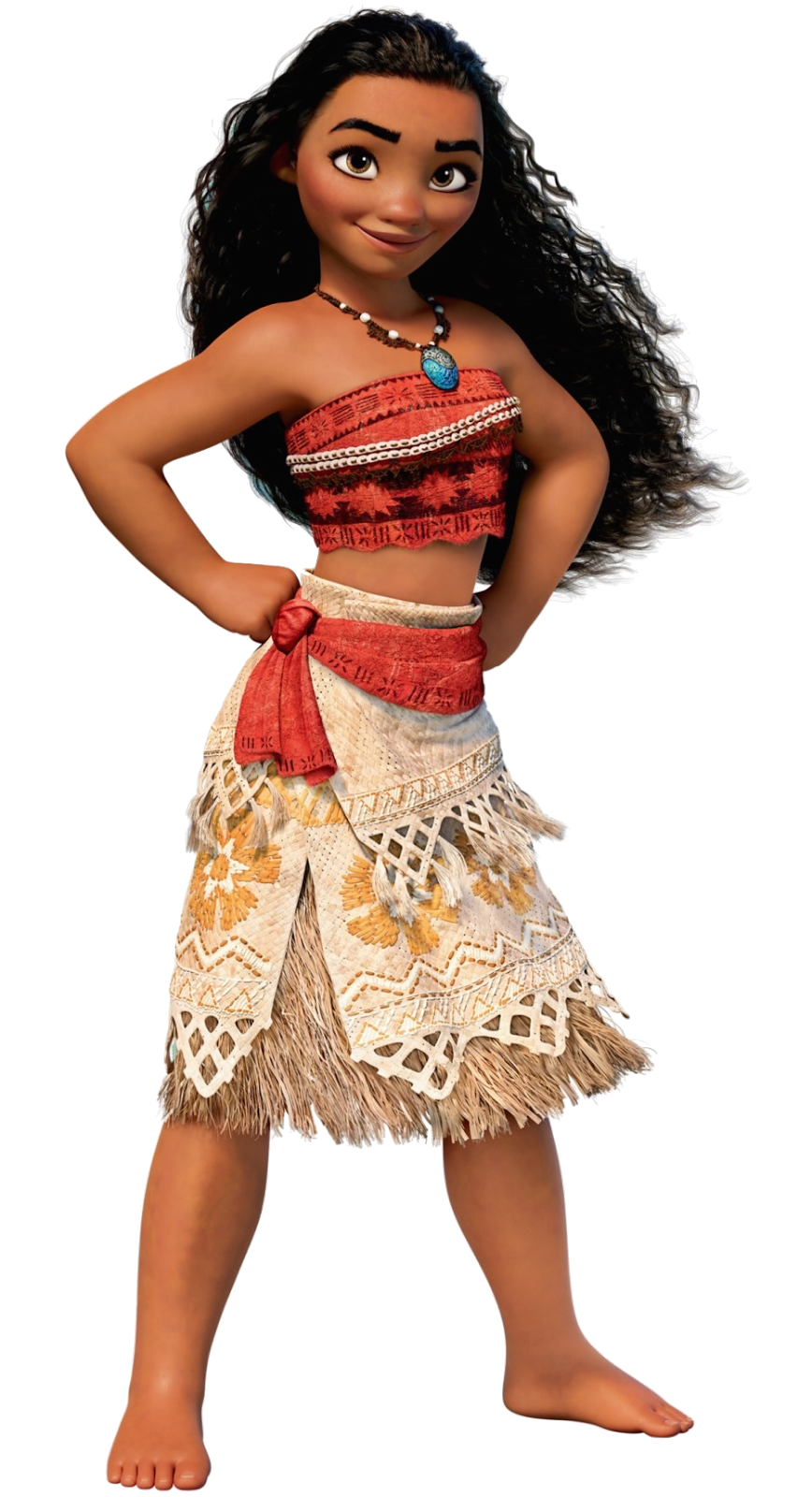
- Setting identification — Students connect animated settings to real-world geography or ecosystems. A question about The Lion King's savanna, Moana's Pacific island, or Brave's Scottish Highlands bridges pop culture fluency to actual social studies or science content.
Why Prior Knowledge Shifts What These Worksheets Do
The pedagogical case for using familiar media in skills practice comes down to cognitive load. When students already know the content, they don't have to spend working memory tracking an unfamiliar plot while simultaneously applying a new skill. A student answering a character-motivation question about Elsa from Frozen can put all of her attention on what "motivation" means and how to articulate it — the content doesn't compete with the skill. This is why disney quiz worksheets are particularly effective for introducing ELA analytical concepts: the first time a teacher asks students to distinguish between a character's action and the trait that action reveals, it helps to work with a character the whole class already carries in long-term memory.
ELL students benefit from this dynamic in a specific way. Disney titles are globally distributed and widely viewed in multiple languages, so many ELL students walk into a Disney-themed activity with genuine content expertise — sometimes more than their English-fluent peers. Visual matching formats let them demonstrate that knowledge while the worksheet simultaneously builds English vocabulary in a context where the meaning is already anchored.
Mistakes Students Make That Are Worth Anticipating
Cross-film confusion appears more often than teachers expect. Students who identify confidently as Disney fans still mix up attribution — placing "I want adventure in the great wide somewhere" with Rapunzel rather than Belle, or describing Simba's kingdom as simply "Africa" when the worksheet prompts for a real-world geographic region. These aren't signs of carelessness; they reflect the difference between casual viewing and close, attentive recall. The worksheets surface that gap, which makes the correction a productive teaching moment rather than just a wrong answer to mark.
The more persistent error shows up on trait-analysis worksheets: students list what a character does rather than what that action reveals about their character. "Scar kills Mufasa" is an event. "Scar is willing to betray family to gain power" is a trait — and the distinction between those two levels of analysis is exactly what students need before they can write a competent literary analysis paragraph. Naming this distinction explicitly when reviewing answers accelerates the transfer to unfamiliar texts far more than any standalone writing lesson does on its own.
Building These Worksheets Into Your Weekly Lesson Plans
The three-to-four-minute transition window — after lunch, after a fire drill, the stretch before end-of-day pickup — is where these worksheets earn their place. Set a visible timer, distribute one worksheet per student or pair, and let the low-stakes competition focus energy that would otherwise scatter. The attention reset is real and immediate, and it costs no instructional time that wasn't already lost.
Disney quiz worksheets also work well as anchor activities. A folder at the back of the room labeled "Early Finisher Options" stocked with a rotating selection of these keeps students on task without requiring additional teacher prep during instructional time. For team-building early in the year, run a small-group trivia format: four students per team, ten minutes, one worksheet shared among them. The collaboration that follows — students debating whether a specific quote came from Aladdin or The Little Mermaid, negotiating whose memory of the scene is right — generates exactly the kind of peer-to-peer academic talk the first weeks of school are supposed to build.
Standard Alignment
Several worksheets in this set address CCSS.ELA-LITERACY.RL.3.3 and RL.4.3, which require students to describe characters in depth — their traits, motivations, and how their actions drive the story's events. The hero/villain trait analysis and quote attribution formats ask students to do exactly that work, but with characters they've already internalized, which makes the standard's language more accessible before teachers move to applying the same analysis to a short story or novel excerpt. The plot sequencing format supports RL.3.5 and RL.4.5, specifically the vocabulary of story structure: problem, rising action, climax, and resolution. Teachers often use these worksheets during the introductory phase of a narrative unit, before students encounter a new anchor text, precisely because the skills transfer cleanly once the content is no longer familiar.
Adjusting the Set for a Range of Learners
For students who need additional support, visual matching formats reduce the reading demand without reducing the cognitive task. Pairing character images with trait labels keeps the analytical work intact even when decoding is a barrier. Adding a word bank to fill-in-the-blank worksheets shifts the task from open recall to recognition — still a valid test of knowledge, and a more accessible one for students who freeze when facing a blank line with no reference point.
For students who move through the material quickly, extend the thinking rather than adding more questions. After completing a trait-analysis worksheet, ask them to write a second answer: not just which trait a character shows, but which specific scene from the film proves it most clearly. That move — selecting evidence to support a claim — is the same move required in every evidence-based writing task across the curriculum. Turning a trivia answer into a mini-argument is a low-prep way to push advanced students into genuinely higher-order work within the same fifteen-minute window.
Frequently Asked Questions
Can these worksheets be used with students who haven't seen the films?
Yes, though the experience differs. Students unfamiliar with a particular film can still complete many format types — especially setting identification and trait analysis — if teachers provide a brief context paragraph or a short clip beforehand. That said, the strongest use case for disney quiz worksheets is drawing on what students already carry into the room, so pairing them with titles most of the class has seen maximizes engagement and reduces the prep time spent frontloading context.
What grade levels fit this set?
Character matching and visual identification worksheets work well from kindergarten through second grade. Quote attribution and trait analysis are stronger fits for third through sixth grade, where ELA standards begin requiring students to analyze character motivation with text-based reasoning. Plot sequencing and setting identification span a wider range and can be adjusted by the complexity of the prompts provided alongside the task.
How do I connect these to a writing assignment without making it feel like additional work?
The lightest lift is a single sentence. After students complete a trait-analysis worksheet, ask them to write one sentence explaining which moment from the film best supports their answer. That sentence — a claim plus a reason — is the structural core of a literary analysis paragraph, and it grows naturally from the worksheet without requiring a separate assignment prompt. Most students don't register it as "more work" because the thinking was already happening; writing one sentence just makes it visible.