A stack of Halloween idioms worksheets can look like October filler, but the skill underneath is the same one your reading standards ask for all year: understanding figurative language. When a student reads scared out of her wits, the words don't add up literally, and that gap is exactly what trips up developing readers. A themed page gives you a low-stakes way to teach that gap while the room is already buzzing about costumes and candy.
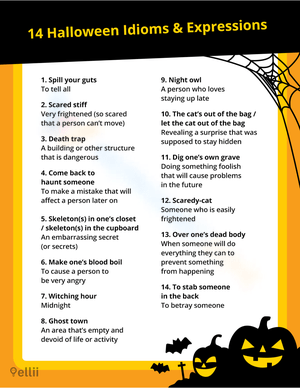
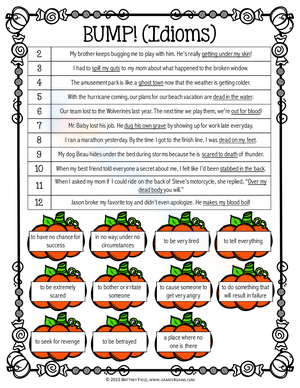
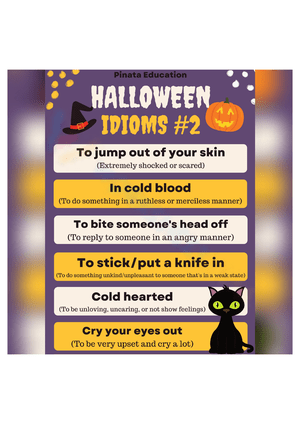
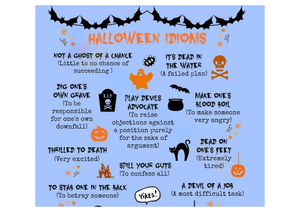
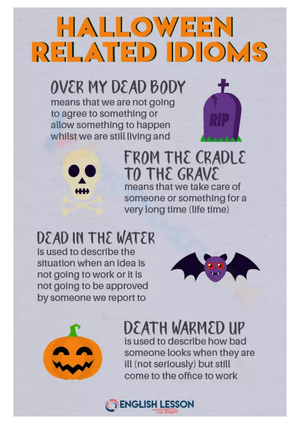
The best seasonal materials treat the theme as a hook, not the lesson. Phrases like skeleton in the closet, dead of night, and make your blood run cold carry genuine figurative meaning, so students practice a transferable skill instead of memorizing holiday trivia. That's the difference between a worksheet that fills fifteen minutes and one that moves a reading goal forward.
The Literal-Versus-Figurative Hook
Spooky idioms are unusually good teaching material because the literal image is vivid and a little ridiculous. Ask a class what skeleton in the closet would look like if it were literally true, and you'll get laughs plus a real skeleton drawing. That absurd literal picture is the wedge you need: once students can see the silly literal meaning, the figurative meaning stands out by contrast.
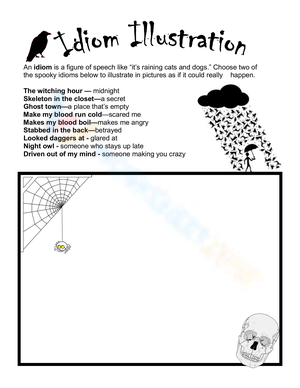
Run the two-column move on paper. On the left, students sketch or describe the literal picture; on the right, they write what the phrase really means. Make your blood run cold becomes a shivering figure on one side and "feel sudden fear" on the other. This visible split does more for comprehension than a definitions list, because students are building the literal-to-figurative bridge themselves rather than copying an answer.
Classroom Implementation
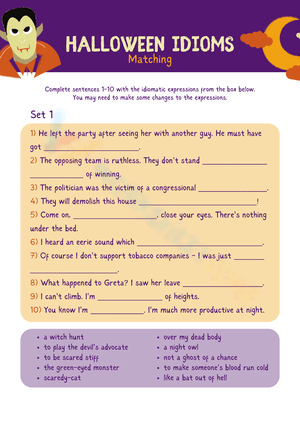
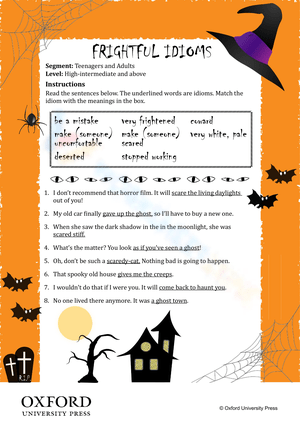
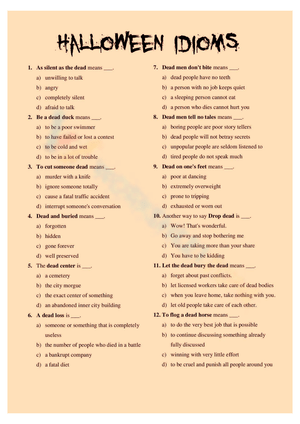
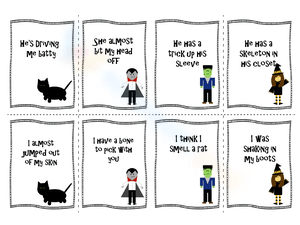
Match your worksheet format to the setting. A matching or fill-in-the-blank page works well for a whole-class mini-lesson: project a few items, think aloud through one, then release students to finish independently or with a partner. Illustration-based versions, where students draw the literal meaning, fit small-group intervention and give below-grade-level readers a way in that doesn't depend on heavy text.
These pages slot into the routines you already run. Use a short idiom worksheet as morning work to prime a lesson, drop a themed version into a literacy center for the last week of October, or run it as a quick formative check right before a Halloween writing prompt. A five-item exit ticket tells you who can explain figurative meaning and who is still reading everything literally.
- Mini-lesson: project and model one idiom, then release the rest of the page.
- Literacy center: pair a matching page with a sorting task for literal versus figurative.
- Formative check: a short exit ticket before a themed writing assignment.
- Intervention: illustration-based pages for readers who need visual context.
Frequently Asked Questions
1. What grade level are Halloween idioms worksheets appropriate for?
They fit grades 3 through 6 best. Grade 3 students work on telling literal from nonliteral language, while grades 4 and 5 move toward explaining idiom meaning independently. The same idiom list can serve all of these grades if you adjust the task from sorting to explaining.
2. How do these worksheets align with Common Core figurative language standards?
They target CCSS ELA-Literacy L.4.5.b, which asks grade 4 students to recognize and explain common idioms, adages, and proverbs, and L.5.5.b, which extends that skill into grade 5. A themed page lets you practice a named standard while the Halloween context keeps engagement high.
3. How can teachers use these worksheets with English language learners?
Keep the idiom set small, pair each phrase with an image and an example sentence, and revisit the same idioms across several days. Ask ELL students to use an idiom in their own sentence once they recognize it, since productive practice cements figurative meaning better than definitions alone.
4. What's the difference between an idiom and a simile or adage?
An idiom means something different from its literal words, like skeleton in the closet. A simile compares two things using like or as. An adage is a short, well-known saying that states a general truth. Grade 5 standards ask students to work with all three.
5. How much class time does a Halloween idioms worksheet need?
Plan for fifteen to twenty minutes for a focused mini-lesson and independent page, or five minutes if you use it as an exit ticket or morning warm-up. Spreading a small idiom set across a few short sessions usually beats one long block, especially for younger and ELL readers.












 Interactive Worksheet Maker
 Quiz Maker
 Word Search Maker
 Crossword Puzzle Maker
 Word Scramble Generator
 Sentence Scramble Generator
 Handwriting Worksheet Generator
 Name Tracing Generator
 Fill In The Blank Generator




 BACK TOSCHOOL