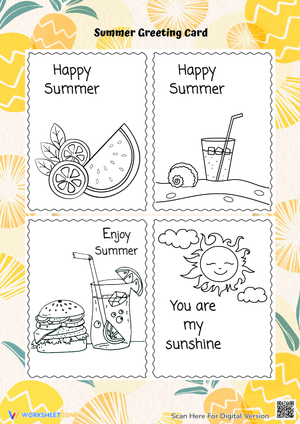
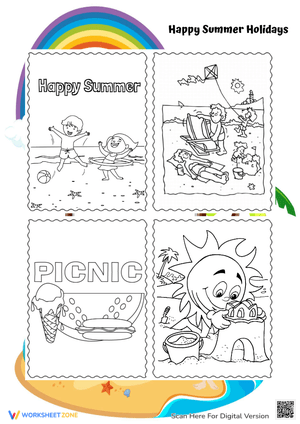
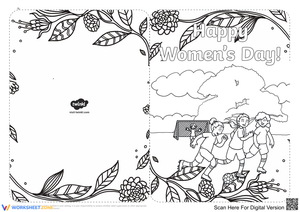
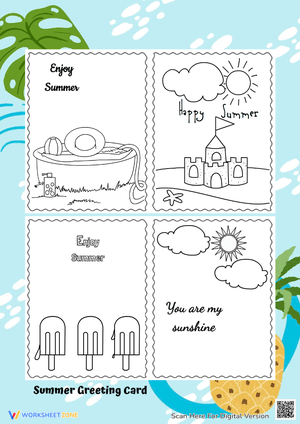
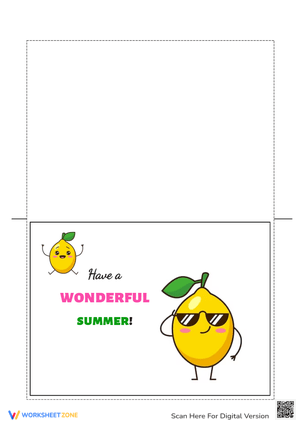
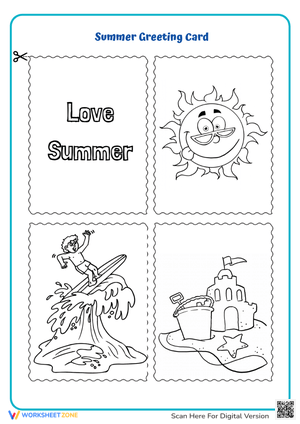
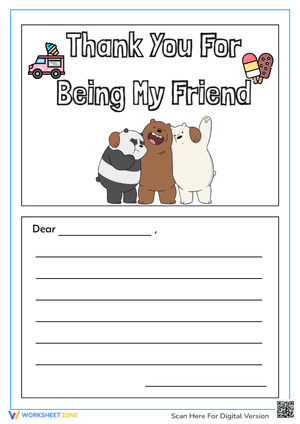
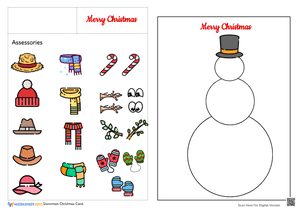
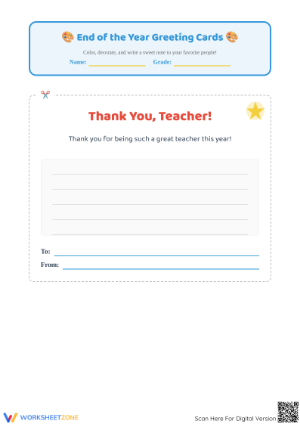
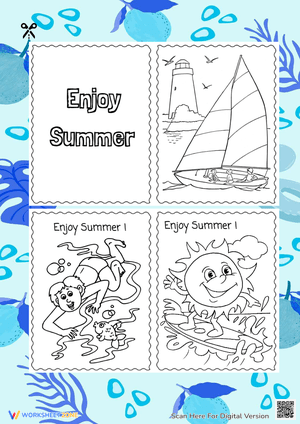
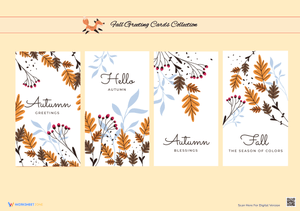
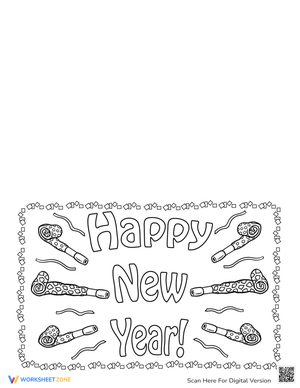
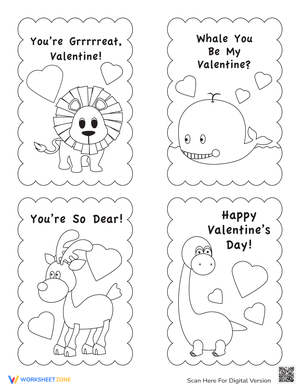
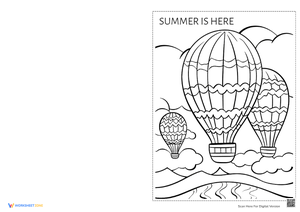
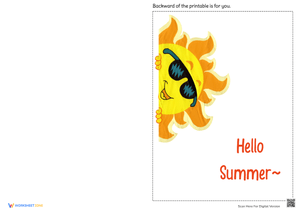
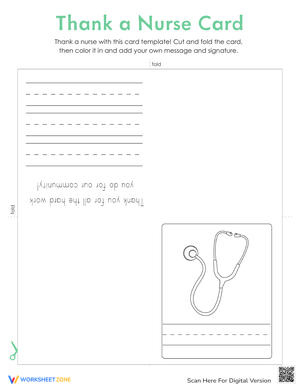
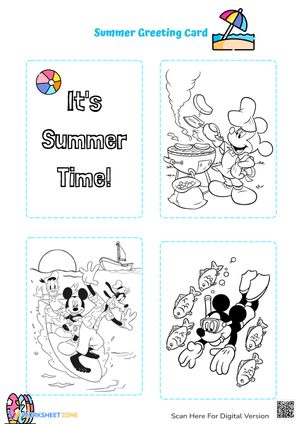
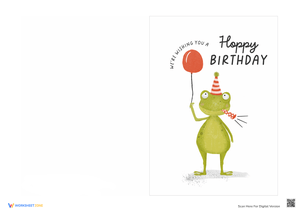
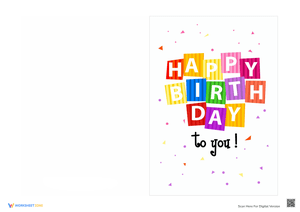
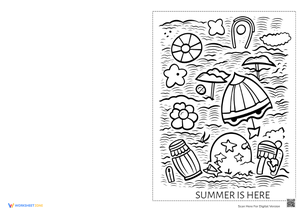
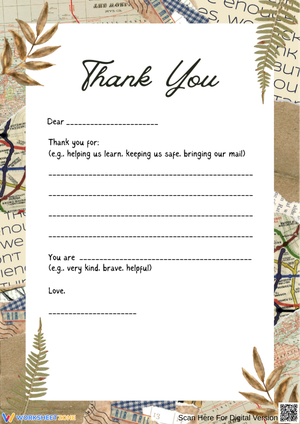
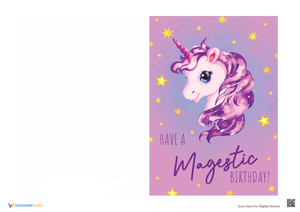
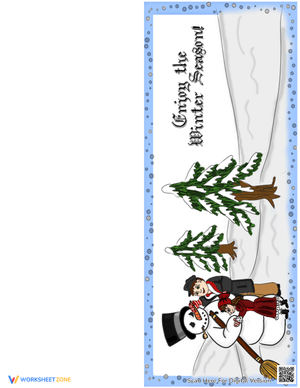
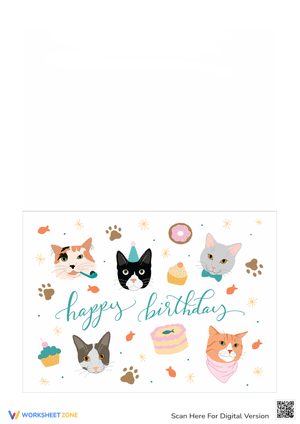
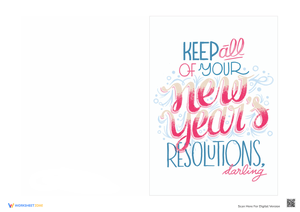
These greeting cards printable worksheets give teachers a cross-curricular activity that connects authentic writing purpose with hands-on design — requiring nothing beyond a printer, pencils, and crayons. Students move through decoration, folding, and message writing in a single sitting, which is why the format fits tight classroom schedules without sacrificing instructional value. Because the finished card usually leaves the room and reaches a real reader, the level of care students bring to the writing is noticeably higher than it is on a practice page that stays in a folder.
What Each Worksheet Builds
Each worksheet pulls together skills that don't always get practiced in the same activity. Fine motor work shows up in decorating a bordered front panel, managing a fold line without tearing, and writing within a defined space. The writing component moves students through a real message arc — an opening greeting, a body with at least one specific detail, a closing that sounds natural, and a signature. That four-part structure maps directly onto paragraph organization, but the card context makes each element feel necessary rather than formulaic.
Audience awareness is where the most instructive work happens. A student who writes fluent sentences in a journal entry will sometimes produce a completely different quality of writing when the piece goes home to a grandparent or lands in a teacher's mailbox. The card format creates that accountability naturally, without extra prompting from the teacher.
Mistakes Students Make That These Worksheets Help Surface
The most reliable error in greeting card writing is generic appreciation. "You are nice" and "Thanks for everything" appear constantly, even from students who write detailed sentences in other contexts. The issue isn't effort — students genuinely aren't sure how to move from naming a feeling to describing a specific action or moment. A brief pre-writing prompt asking students to name one thing the recipient actually did is usually enough to shift the message from vague to specific.
Spatial planning is the other persistent problem. Students write the greeting at the top, lose track of how much room remains, and cram the body and closing into the margin or onto the back. Spending two minutes at the board before distribution — drawing a simple card shape and visually blocking out space for greeting, body, and closing — prevents most of this and doubles as a visible model of message structure that students can reference while they work.
Capitalization errors surface here in a way that differs from grammar drills. When a student writes "dear mrs jones thank you for helping me sincerely your student," the missing capitals and punctuation read as communication failures rather than rule violations. That reframing makes the correction more meaningful, and it sticks.
Lesson-Planning Strategies to Get the Most From These Worksheets
Greeting cards printable worksheets run most smoothly when teachers decide the lesson emphasis before distributing them: primarily art, primarily writing, or an equal split. That choice determines pacing. A 10-to-15-minute activity calls for a color-and-fold format where students decorate a printed front and copy or compose a short message inside. A 30-to-40-minute block supports planning, drafting, decorating, and reading the message aloud before the card is sealed — a sequence that mirrors a full writing process in miniature.
One technique that consistently improves writing quality: ask students to hold the completed card closed and read the message aloud as if they are the person receiving it. That short pause surfaces whether the greeting sounds warm, whether the main message makes sense, and whether a closing is there at all. It works in whole-group settings and is easy for students to do independently at a station.
Paper choice is a practical detail that matters more than it sounds. Standard copy paper handles most print-and-fold cards well, especially for same-day take-homes. When the finished card needs to hold up — for a classroom display or a mailed note — cardstock is worth the investment. Pre-creasing the fold line before passing out the worksheets saves time and prevents the frustration of off-center folds mid-activity.
Standard Alignment
These worksheets align to CCSS.ELA-LITERACY.W.1.1, which asks first graders to write opinion pieces that introduce a topic, state an opinion, supply a reason, and provide a sense of closure. That structure maps naturally onto appreciation and thank-you cards: a student writing to a school librarian names the person (introduction), says what they appreciate (opinion), explains a specific thing the librarian did (reason), and signs off with a closing (sense of closure). The standard rarely looks this concrete in a traditional writing lesson, but the card format makes each required component visible and purposeful. The same alignment extends to W.2.1 at second grade, where the expectation for reasoned support and a deliberate concluding statement grows more demanding — and prompt-based card worksheets handle that added rigor without changing the format.
Adjusting the Worksheets Across Ability Levels
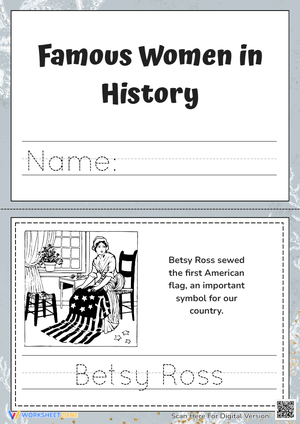
Greeting cards printable worksheets accommodate a wide range of learners without requiring separate materials for each student. Students still building handwriting fluency trace a pre-printed message on a trace-and-write worksheet, then add their own illustration and signature — staying independent rather than waiting for adult support. Students who write comfortably use the same card template but compose original sentences with specific details and a full message arc from greeting to closing.
For students writing well above grade level, prompt-based card worksheets add a productive constraint: "Write a birthday message that includes a memory you share with this person," or "Thank someone by naming exactly what they did and how it changed your day." A tighter task — rather than open-ended space — pushes strong writers toward deliberate word choice and audience awareness that a blank card often does not.
Frequently Asked Questions
What grade levels are these worksheets appropriate for?
The format works from kindergarten through early elementary because the writing support is adjustable. A kindergarten student traces a phrase and draws a picture; a second grader writes original sentences with specific detail. The physical activity of folding and decorating also keeps younger students engaged in a way that a straight writing task may not sustain.
Can one worksheet support both art and writing in the same lesson?
Yes, and that dual purpose is what makes the format efficient. Use the front panel for illustration, coloring, and design choices. Use the inside for the written message. Students experience both as part of one coherent task rather than two separate activities stapled together, which keeps the lesson moving and the finished product meaningful.
Are these limited to holiday use?
Greeting cards printable worksheets stay useful throughout the school year because the writing purposes shift without the format changing. Thank-you notes for community helpers, birthday cards for classmates, appreciation messages for school staff, and take-home notes for family events all use the same card structure. Many teachers keep a supply printed and ready because a worthwhile occasion comes up more often than the calendar suggests.
What materials do students need beyond the printed page?
Most activities require only the worksheet, a pencil, and coloring tools. If the worksheet includes a cut line, students need scissors. Copy paper is sufficient for most purposes; cardstock produces a sturdier card when the finished piece needs to be mailed or displayed. Markers are optional — they bleed through standard copy paper, which is worth mentioning before students open them.












 Interactive Worksheet Maker
 Quiz Maker
 Word Search Maker
 Crossword Puzzle Maker
 Word Scramble Generator
 Sentence Scramble Generator
 Handwriting Worksheet Generator
 Name Tracing Generator
 Fill In The Blank Generator